Fast and Secure Shipping: Experience hassle-free shopping when you buy Quality Peptides online with our fast and secure shipping options. We prioritize your privacy and satisfaction, ensuring your Quality Peptides orders arrive safely and securely at your doorstep.
At Cali BioLab Peptides, we are dedicated to providing a seamless and enjoyable shopping experience. Whether you're a seasoned shopper or a curious newcomer, we invite you to explore the Cali BioLab Peptides . Cheers to a world of premium products and unparalleled service!
GHK-Cu (Copper Tripeptide-1) is a naturally occurring peptide complex first identified in human plasma, known for its ability to bind copper ions and influence biological repair pathways. Supplied in lyophilised (freeze-dried) form to maintain stability and purity, this compound is verified at >99% purity (HPLC-tested) and provided with full Certificates of Analysis (COAs).
What is GHK-Cu?
GHK-Cu is a tripeptide composed of three amino acids with a strong affinity for copper molecules. Researchers have investigated it for its role in cellular regeneration, inflammation reduction, and gene expression support. Due to its copper content, the peptide can appear in varying shades of blue without affecting quality or consistency.
Unlike cosmetic-grade peptides, GHK-Cu offered by Bluewell Peptides is supplied strictly for laboratory research use only with full COA verification.
Scientific Identifiers
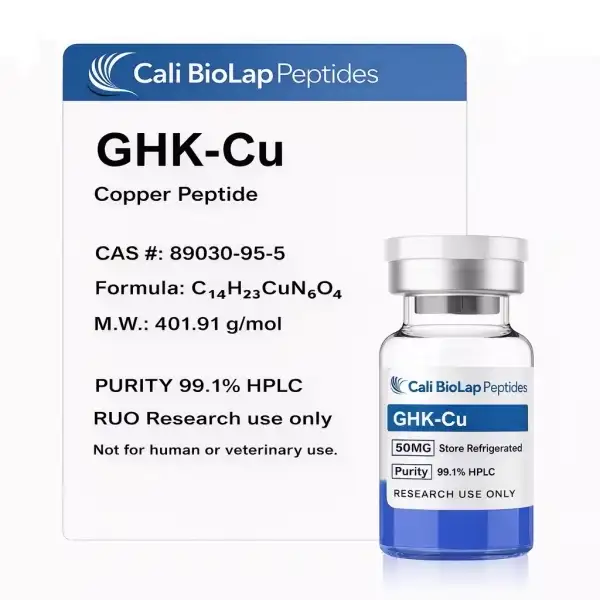
Product Name: GHK-Cu 50mg
Catalogue Number: BWP-GHKCU-50
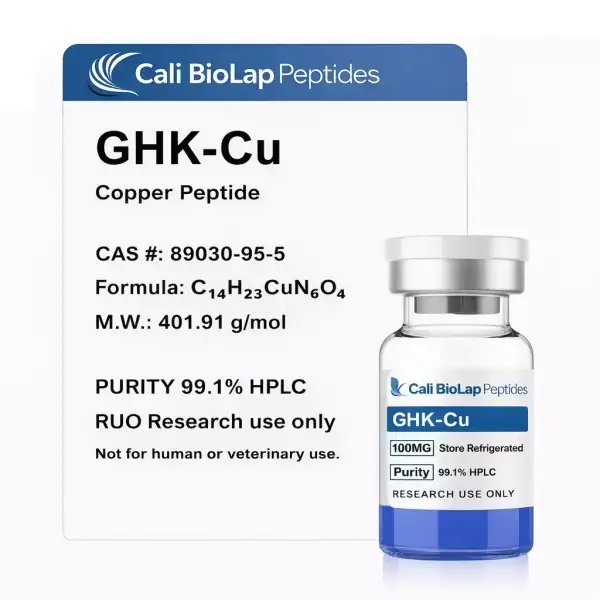
CAS Number: 89030-95-5
Molecular Formula: C₁₄H₂₄CuN₆O₄
Molecular Weight: 401.91 g/mol
Form: Lyophilised Solid
Purity: >99.1% (HPLC Verified)
Storage: Store at −20°C in a dry, dark place
Unit Size: 50mg
Usage and Reconstitution
GHK-Cu is provided as a freeze-dried solid to ensure long-term stability. For laboratory use, it may be reconstituted with bacteriostatic water or another suitable solvent according to research protocols. For further guidance, please refer to our peptide reconstitution page.
Research Applications of GHK-Cu
GHK-Cu has been investigated in preclinical and laboratory studies for its potential influence on:
Skin Regeneration and Wound Healing – Studied for stimulating collagen and elastin production, fibroblast activity, and wound closure in skin repair models.
Anti-Inflammatory Action – Research suggests GHK-Cu may reduce inflammatory markers (IL-6, TNF-α), with potential applications in damaged tissue and oxidative stress models.
Neuroprotective Effects – Explored for its potential to support nerve regeneration, angiogenesis in brain tissue, and gene expression patterns linked to repair and aging.
Scientific references are available on request or in our research archive.
Why Order GHK-Cu from Bluewell Peptides?
99.1% purity, HPLC-verified
COA provided with every batch
Secure ordering and fast USA delivery
Transparent, research-focused supplier
Excellent customer support and trusted reviews
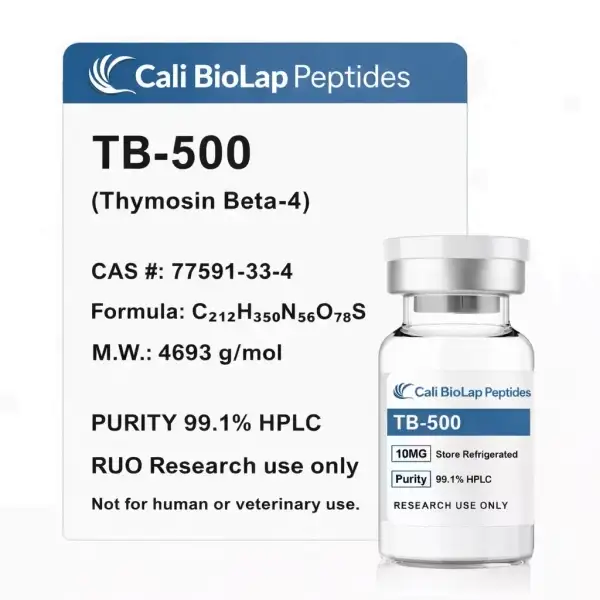
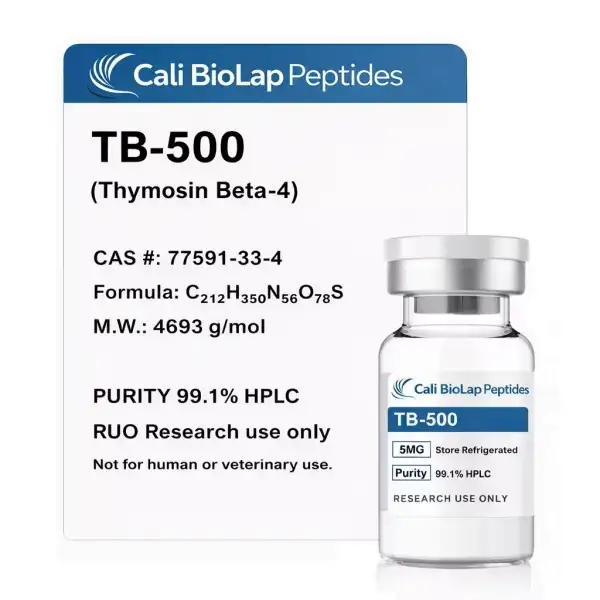
TB-500 (Thymosin Beta-4) 5mg – High-Purity Research Peptide
TB-500 (Thymosin Beta-4) is a synthetic peptide fragment investigated in laboratory research for its roles in tissue regeneration, wound healing, and inflammation modulation. Supplied in lyophilised (freeze-dried) form to preserve stability, this compound is verified at >99.1% purity (HPLC-tested) and provided with full Certificates of Analysis (COAs).
What is TB-500 (Thymosin Beta-4)?
TB-500 is a synthetic variant of the naturally occurring protein Thymosin Beta-4. Research has explored its ability to promote angiogenesis, support cell migration, and modulate inflammatory responses in tissue-repair models. Unlike consumer supplements, TB-500 from Bluewell Peptides is strictly intended for laboratory research use only and includes full COA verification for transparency.
Scientific Identifiers
Product Name: TB-500 (Thymosin Beta-4) 5mg
Catalogue Number: BWP-TB500-5
CAS Number: 77591-33-4
Molecular Formula: C₂₁₂H₃₅₀N₅₆O₇₈S
Molecular Weight: 4963.4 g/mol
Form: Lyophilised Solid
Purity: >99.1% (HPLC Verified)
Storage: Store at −20°C, protected from light
Unit Size: 5mg
Usage and Reconstitution
TB-500 is supplied as a lyophilised solid to ensure long-term stability. For laboratory use, it may be reconstituted with bacteriostatic water or another suitable solvent according to established protocols. For additional guidance, please refer to our peptide reconstitution page.
TB-500 has been investigated in preclinical and laboratory studies for potential influence on:
Tissue Repair and Regeneration – Studied for its role in accelerating healing of muscle fibres, ligaments, tendons, and skin.
Cardiovascular Recovery – Explored for angiogenesis (formation of new blood vessels) and circulation support in damaged tissue.
Inflammation Modulation – Researched for its ability to reduce oxidative stress and regulate inflammatory responses.
References available on request or through our research archive.
Why Order TB-500 from Cali BioLab Peptides?
99.1% purity, HPLC-verified
COA provided with every batch
Secure ordering and fast USA delivery
Transparent, research-focused supplier
Excellent customer support and trusted reviews
Semax + Selank Cognitive Nootropic Stack – High-Purity Research Bundle
The Cognitive Nootropic Stack combines two of the most studied research peptides, Semax and Selank, each supplied in either 5mg or 10mg vials with optional bacteriostatic mixing water. This pairing has attracted research interest for its potential influence on cognitive function, memory performance, mood regulation, and neuroprotection.
Both compounds are supplied as lyophilised (freeze-dried) solids to ensure long-term stability. Each batch is verified at >99.1% purity (HPLC-tested) and provided with full Certificates of Analysis (COAs).
What is the Cognitive Nootropic Stack?
Semax – A synthetic derivative of ACTH fragments, investigated for its effects on brain-derived neurotrophic factor (BDNF), synaptic plasticity, and potential neuroprotection.
Selank – A synthetic analogue of tuftsin, researched for its anxiolytic, cognitive, and immune-modulating properties without sedative effects.
Together, these peptides form a complementary nootropic stack for advanced laboratory research into brain function and neurobiology.
Scientific Identifiers
Semax 5mg/10mg
CAS Number: 80714-61-0
Molecular Formula: C₃₇H₅₁N₉O₁₀S
Molecular Weight: 813.92 g/mol
Form: Lyophilised Solid
Purity: >99.1% (HPLC Verified)
Storage: Store refrigerated or at −20°C, protected from light
Selank 5mg/10mg
CAS Number: 129954-34-3
Molecular Formula: C₃₃H₅₇N₁₁O₉
Molecular Weight: 751.87 g/mol
Form: Lyophilised Solid
Purity: >99.1% (HPLC Verified)
Storage: Store refrigerated or at −20°C, protected from light
Optional Mixing Water
Volume: 10ml
Type: Bacteriostatic Water (with preservative)
Use: For peptide reconstitution
Usage and Reconstitution
The peptides in this stack are supplied in freeze-dried form to preserve stability. For laboratory research, they may be reconstituted with bacteriostatic water or another suitable solvent according to established protocols. For detailed instructions, refer to our peptide reconstitution guide.
Research Applications of the Cognitive Nootropic Stack
Semax
Nootropic Action – Studied for cognitive enhancement, memory support, and learning.
Neuroprotection – Investigated for protective effects in models of ischemia and oxidative stress.
Mood Modulation – Explored for influence on dopamine and serotonin systems.
Selank
Anxiolytic Effects – Researched for calming and anti-anxiety activity.
Cognitive Support – Studied for improvements in focus, attention, and memory.
Immune Regulation – Explored for roles in immune system modulation.
References available on request or in our research archive.
Why Order the Cognitive Nootropic Stack from Bluewell Peptides?
99.1% purity, HPLC-verified
COA provided with every batch
Secure ordering and fast USA delivery
Transparent, research-focused supplier
Excellent customer support and trusted reviews
Tesamorelin 10mg Peptide – The Long-Acting GHRH Analog Designed for Sustained GH Pulse Amplification
What if a single engineered peptide could lock onto the pituitary GHRH receptor and keep it signaling for days—delivering sustained, physiological pulses of growth hormone, elevating IGF-1 steadily within youthful ranges, selectively mobilizing visceral fat in metabolic models, and providing researchers with a powerful window into prolonged somatotropic axis activation without the rollercoaster spikes of short-acting agents or direct GH? This is the breakthrough capability driving intense interest in Tesamorelin 10mg Peptide, the modified GHRH(1-44) analog that has become a cornerstone compound in metabolic, endocrine, and lipodystrophy research.
At Cali BioLab Peptides, Tesamorelin 10mg Peptide is supplied as a high-purity (≥99%), sterile lyophilized powder in a 10mg vial—third-party HPLC/MS verified, with batch-specific COAs and fast USA domestic shipping. Perfect for investigating extended GH release kinetics, visceral adipose tissue dynamics, and age- or disease-related GH/IGF-1 axis modulation.
Strict Disclaimer: For laboratory and scientific research use only. Not for human consumption, therapeutic, diagnostic, veterinary, or any non-research application. Strictly intended for qualified researchers conducting in-vitro, ex-vivo, or ethically approved animal model studies. Cali BioLab Peptides maintains full regulatory compliance.
Scientific Identifiers for Tesamorelin 10mg Peptide
Full Chemical Name: Tesamorelin acetate (trans-3-hexenoyl-[D-Tyr¹]-GHRH(1-44) amide)
CAS Number: 901758-09-6 (free base form)
Molecular Formula: C₂₂₁H₃₆₆N₇₂O₆₇S (free base)
Molecular Weight: ≈5135.9 Da (free base); ~5196 Da (acetate salt)
Sequence: 44-amino-acid chain with N-terminal trans-3-hexenoyl modification and C-terminal amidation
EC Number: Not assigned (research peptide)
Purity: ≥99% (HPLC/MS verified)
Appearance: White to off-white lyophilized powder
These identifiers confirm Tesamorelin 10mg Peptide as a precisely modified, long-acting GHRH analog engineered for extended receptor activation.
What Is Tesamorelin 10mg Peptide and How Does It Work?
Tesamorelin 10mg Peptide is a synthetic analog of human growth hormone-releasing hormone (hGHRH 1-44), modified with an N-terminal trans-3-hexenoyl group for increased stability and resistance to DPP-IV cleavage, and C-terminal amidation for enhanced receptor affinity and duration.
The "how" of Tesamorelin 10mg Peptide is highly specific: it binds the pituitary GHRH receptor (GHRHR) → activates Gs → elevates cAMP → triggers pulsatile GH exocytosis from somatotrophs. The DAC-like modification (though not true DAC) extends half-life to ~5–8 days in models, producing sustained, dose-dependent GH pulses and prolonged IGF-1 elevation without desensitization in short-term protocols.
Unlike short-acting GHRH or direct GH, Tesamorelin 10mg Peptide preserves natural feedback loops, avoids supraphysiological IGF-1 peaks, and selectively favors visceral lipolysis over systemic effects in many models.
Here are professional examples of Tesamorelin 10mg Peptide research-grade lyophilized vials in sterile glass packaging, showcasing the clean, high-quality presentation typical for lab use:
Usage and Reconstitution Guidelines for Tesamorelin 10mg Peptide
Reduction in visceral fat volume (DEXA, MRI, CT quantification)
Normalization of GH pulse amplitude and frequency
Improvement in insulin sensitivity and lipid metabolism
Preservation or enhancement of lean mass in catabolic models
Modulation of hepatic steatosis and inflammatory markers
These applications make Tesamorelin 10mg Peptide a preferred probe for GHRH-mediated metabolic and endocrine research.
Frequently Asked Questions About Tesamorelin 10mg Peptide
Q: How does Tesamorelin 10mg Peptide differ from CJC-1295 with DAC? A: Both are long-acting GHRH analogs, but Tesamorelin 10mg Peptide is clinically optimized for visceral fat selectivity in lipodystrophy models, with a specific modification profile; CJC-1295 DAC often features a true Drug Affinity Complex for even longer half-life.
Q: What dosing is typical in preclinical animal models? A: Studies often use 0.1–2 mg/kg subcutaneous daily or every few days; adjust based on species, duration, and endpoint.
Q: Is Tesamorelin 10mg Peptide stable after reconstitution? A: Yes—stable for weeks refrigerated when aliquoted; freeze for longer storage.
Q: Can Tesamorelin 10mg Peptide be combined with GHRP secretagogues? A: Yes—GHRH + GHRP synergy is extensively documented for amplified, pulsatile GH release.
Q: How to verify batch purity? A: Cross-reference the provided COA on the product page at calibiolabpeptides.com.
One Question That Could Shape Your Next GH Axis Study
If you could precisely sustain physiological GH pulses for days in an aging or metabolically dysregulated model right now, which endpoint—visceral fat mobilization, IGF-1 normalization, insulin sensitivity, or lean mass preservation—would you prioritize first, and why?
Your answer might define your next major publication.
In summary, Tesamorelin 10mg Peptide from Cali BioLab Peptides is a long-acting, selective GHRH analog for studying sustained somatotropic and metabolic effects. With exceptional purity, reliable supply, and proven utility in lipodystrophy, obesity, and endocrine models, it's ready to advance your 2026 research.
Order your Tesamorelin 10mg Peptide today at Cali BioLab Peptides and investigate prolonged GH dynamics with precision and confidence.
Glow Blend 70mg – High-Purity Research Peptide Formulation
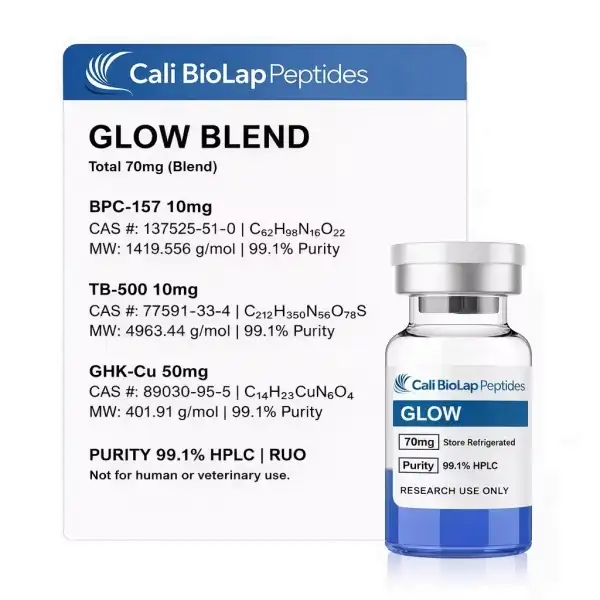
Glow Blend is a proprietary research peptide formulation combining BPC-157 (10mg), TB-500 (10mg), and GHK-Cu (50mg) — three widely studied peptides known for their potential synergy in research related to cellular regeneration, tissue healing, and skin repair.
Each vial is supplied in lyophilised (freeze-dried) form for optimal stability and shelf life. Every batch is tested at >99.1% purity (HPLC-verified) and provided with a full Certificate of Analysis (COA).
The 70mg blend is designed for advanced research projects requiring a combination of regenerative and anti-inflammatory peptide agents.
What is Glow Blend?
Glow Blend is formulated for laboratory studies focused on cellular repair, inflammation regulation, and oxidative stress response.
Each component contributes distinct properties:
BPC-157 (10mg): A synthetic peptide fragment studied in preclinical models for its influence on angiogenesis, fibroblast activity, and gastrointestinal tissue repair.
TB-500 (10mg): A synthetic version of Thymosin Beta-4, researched for its ability to promote cellular migration, tissue regeneration, and inflammation control via actin modulation.
GHK-Cu (500mg): A copper-binding peptide associated with collagen production, skin rejuvenation, and antioxidant activity in cosmetic and wound-healing research.
Together, these compounds create a versatile peptide blend explored in areas such as dermal regeneration, soft tissue healing, and cellular stress management.
Scientific Identifiers
BPC-157
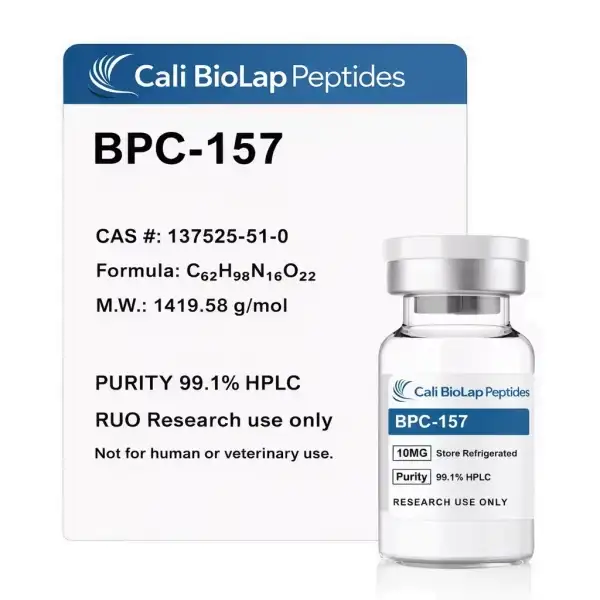
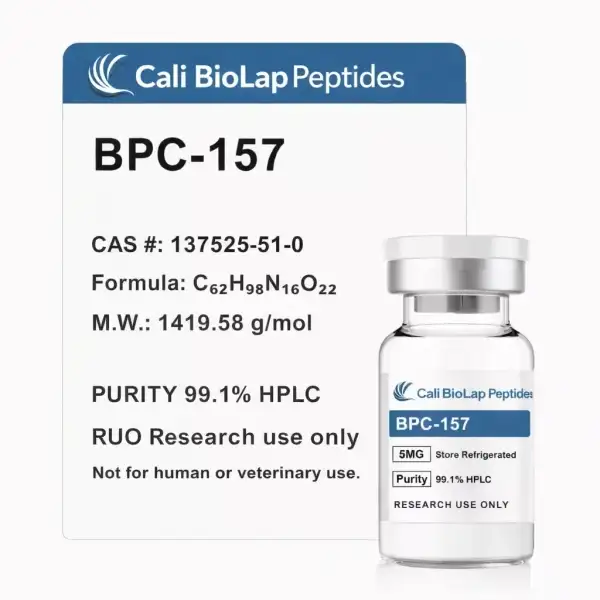
CAS Number: 137525-51-0
Molecular Formula: C₆₂H₉₈N₁₆O₂₂
Molecular Weight: 1419.56 g/mol
Purity: >99.1%
TB-500
CAS Number: 77591-33-4
Molecular Formula: C₂₁₂H₃₅₀N₅₆O₇₈S
Molecular Weight: 4963.44 g/mol
Purity: >99.1%
GHK-Cu
CAS Number: 89030-95-5
Molecular Formula: C₁₄H₂₃CuN₆O₄
Molecular Weight: 401.91 g/mol
Purity: >99.1%
Total Blend Weight: 70mg
Form: Lyophilised Solid
Catalogue Number: BWP-GLOW-70
Storage: Store at −20°C, protected from light
Usage and Reconstitution
Glow Blend is supplied as a lyophilised powder to ensure long-term stability during storage and transport. For research use, it may be reconstituted with bacteriostatic water or another appropriate solvent according to standard peptide handling protocols. For full preparation guidelines, refer to our Peptide Reconstitution Guide.
Research Applications of Glow Blend
Laboratory studies have explored Glow Blend and its individual components in the following research contexts:
Tissue Regeneration & Healing – Examined for potential effects on collagen formation, fibroblast activation, and wound closure mechanisms.
Dermal and Hair Research – GHK-Cu has been studied for its role in improving skin texture and stimulating hair follicle activity.
Anti-Inflammatory Pathways – BPC-157 and TB-500 may assist in regulating inflammatory cytokines and oxidative stress responses.
Oxidative Stress & Antioxidant Support – GHK-Cu has demonstrated antioxidant properties in vitro, helping reduce free radical damage and support cell renewal.
Scientific references are available on request or through our internal research archive.
Why Order Glow Blend from Bluewell Peptides?
Verified >99.1% purity (HPLC-tested)
COA included with every batch
Fast and secure USA shipping
Transparent research-only supplier
Excellent support and verified reviews
Ipamorelin 10mg Peptide – The Selective GHRP That Triggers Clean, Pulsatile GH Release Without the Chaos
What if you could command the pituitary to release growth hormone in clean, natural pulses—mimicking the youthful secretory rhythm, elevating IGF-1 physiologically, promoting lean mass accrual and fat oxidation in models, and doing it all with remarkable selectivity and minimal off-target effects? That is the elegant promise researchers are exploring with Ipamorelin 10mg Peptide, one of the most refined and widely studied growth hormone-releasing peptides (GHRPs) in modern endocrinology and regenerative biology.
Unlike earlier GHRPs that triggered broad hormone release (including cortisol and prolactin spikes), Ipamorelin 10mg Peptide stands out for its high selectivity toward the ghrelin receptor (GHS-R1a) on pituitary somatotrophs—producing sharp, dose-dependent GH pulses with virtually no impact on ACTH, cortisol, prolactin, or appetite stimulation in most models. Offered as a sterile 10mg lyophilized vial from Cali BioLab Peptides, Ipamorelin 10mg Peptide delivers ≥99% purity, third-party HPLC/MS verification, batch-specific COAs, and fast USA domestic shipping—giving qualified researchers a precise, high-fidelity tool to investigate somatotropic axis dynamics, muscle repair, metabolic regulation, and age-related GH decline.
Strict Disclaimer: For laboratory and scientific research use only. Not for human consumption, therapeutic, diagnostic, veterinary, or any non-research application. Strictly intended for qualified researchers conducting in-vitro, ex-vivo, or ethically approved animal model studies. Cali BioLab Peptides maintains full regulatory compliance.
The Recovery Breakthrough: Dr. Luca’s Aged Rat Muscle Repair Model That Regained Strength
In a musculoskeletal regeneration lab in Milan, Dr. Luca Moretti was modeling age-related sarcopenia and delayed muscle healing after eccentric injury in 24-month-old Sprague-Dawley rats. His animals showed classic deficits: reduced satellite cell activation (low Pax7/MyoD), blunted protein synthesis (mTOR/p70S6K pathway suppression), minimal myofiber hypertrophy post-injury, and persistent weakness on grip strength and rotarod testing even 4 weeks after damage.
Standard GH secretagogues caused cortisol spikes and water retention; direct GH injections produced supraphysiological IGF-1 and feedback suppression. Luca had followed preclinical data on Ipamorelin’s clean GH release profile and ordered Ipamorelin 10mg Peptide from Cali BioLab Peptides. The 10mg vial arrived lyophilized, sterile, and with a COA confirming 99.6% purity.
In his 6-week protocol, Luca administered subcutaneous Ipamorelin 10mg Peptide (~100–300 μg/kg, 2–3 times daily to mimic pulsatile release) starting 48 hours post-injury. The results were remarkable: treated rats exhibited robust satellite cell proliferation, accelerated myofiber regeneration (increased cross-sectional area), strong mTOR/S6K phosphorylation, elevated local IGF-1 expression, significantly improved grip strength and endurance, and no measurable cortisol or prolactin elevation compared to controls.
Luca’s publication in a respected regenerative medicine journal demonstrated that Ipamorelin 10mg Peptide could selectively restore anabolic signaling and muscle repair capacity in aged models without the endocrine side effects of less selective GHRPs. The study opened new grant avenues and collaborations with biotech firms developing peptide-based recovery therapies. The Ipamorelin 10mg Peptide became a staple in his lab’s anabolic and regenerative protocols.
Scientific Identifiers for Ipamorelin 10mg Peptide
Full Chemical Name: Ipamorelin (Aib-His-D-2-Nal-D-Phe-Lys-NH₂)
CAS Number: 170851-70-4
Molecular Formula: C₃₈H₄₉N₉O₅
Molecular Weight: 711.85 Da
Sequence: Aib-His-D-2-Nal-D-Phe-Lys-NH₂ (pentapeptide with non-natural amino acids for stability and selectivity)
EC Number: Not assigned (research compound)
Purity: ≥99% (confirmed by HPLC and Mass Spectrometry)
Appearance: White lyophilized powder
Solubility: Excellent in water or bacteriostatic water (up to 10 mg/mL or higher)
These identifiers confirm Ipamorelin 10mg Peptide as a highly selective ghrelin mimetic with exceptional stability and receptor affinity.
What Is Ipamorelin 10mg Peptide and How Does It Work?
Ipamorelin 10mg Peptide is a synthetic pentapeptide and selective agonist of the growth hormone secretagogue receptor (GHS-R1a/ghrelin receptor) on pituitary somatotrophs. Unlike ghrelin or earlier GHRPs (hexarelin, GHRP-6), Ipamorelin produces sharp GH pulses with virtually no elevation of cortisol, prolactin, ACTH, or significant appetite stimulation in most models.
The "how" of Ipamorelin 10mg Peptide involves GHS-R1a activation → Gq/PLC pathway → intracellular calcium mobilization → GH vesicle exocytosis. This results in dose-dependent, pulsatile GH release that closely mimics natural patterns, elevating circulating IGF-1 within physiological ranges and activating downstream anabolic and regenerative signaling (PI3K/Akt/mTOR, MAPK).
Where Can Ipamorelin 10mg Peptide Be Applied in Research?
Muscle repair and satellite cell activation models (sarcopenia, injury recovery)
Metabolic regulation (insulin sensitivity, lipolysis, energy expenditure)
Neuroprotection and neurogenesis analogs (stroke, TBI, aging brain)
Synergy protocols with GHRH analogs (CJC-1295, Tesamorelin) for amplified GH release
Age-related GH decline and endocrine rejuvenation paradigms
In labs, Ipamorelin 10mg Peptide is applied via subcutaneous, intraperitoneal, or localized injection in animals; media supplementation in cell culture.
Usage and Reconstitution Guidelines for Ipamorelin 10mg Peptide
Allow vial to reach room temperature.
Add 1–2 mL bacteriostatic water or sterile PBS; gently swirl (avoid shaking).
Prepare stock solutions (e.g., 5 mg/mL) and dilute for working concentrations (typically 50–500 μg/kg in vivo or μg/mL in vitro).
Aliquot immediately and store at –80 °C; thawed aliquots stable 2–8 °C for days.
Common routes: subcutaneous (most frequent), intraperitoneal, or localized tissue injection. Use sterile technique.
Selective GH pulse induction without cortisol/prolactin elevation
Muscle satellite cell proliferation and myofiber repair
Anabolic signaling (mTOR, protein synthesis) in aging or catabolic models
Synergistic GH amplification when combined with GHRH analogs
Metabolic studies (lipolysis, insulin sensitivity, energy expenditure)
Neuroprotective and neuroregenerative paradigms
Frequently Asked Questions About Ipamorelin 10mg Peptide
Q: How does Ipamorelin 10mg Peptide differ from GHRP-6 or hexarelin? A: Ipamorelin 10mg Peptide is far more selective—no significant cortisol, prolactin, or appetite stimulation—making it ideal for clean GH pulse studies.
Q: What dosing is typical in preclinical models? A: 50–500 μg/kg subcutaneous or IP, often 2–3 times daily to mimic pulsatile release.
Q: Is Ipamorelin 10mg Peptide stable after reconstitution? A: Yes—stable weeks refrigerated when aliquoted; freeze for longer storage.
Q: Can it be combined with CJC-1295 or Tesamorelin? A: Yes—GHRP + GHRH synergy is one of the most studied combinations in GH literature.
Q: How to verify batch purity? A: Match the provided COA on the product page.
One Question That Could Shape Your Next GH Secretagogue Study
If you could selectively trigger pulsatile GH release right now without unwanted hormone spikes, which endpoint—muscle repair, metabolic flexibility, neuroprotection, or age-related endocrine restoration—would you target first, and why?
Your answer might define your next major finding.
In summary, Ipamorelin 10mg Peptide from Cali BioLab Peptides is the cleanest, most selective GHRP available for research. With exceptional purity, reliable supply, and proven utility in anabolic, regenerative, and neuroendocrine models, it's ready to elevate your experiments.
Order your Ipamorelin 10mg Peptide today at Cali BioLab Peptides and investigate pulsatile GH dynamics with precision and confidence.
Phosphate Buffered Saline 3ml 10ml – The Essential Lab Buffer That Keeps Your Experiments Crystal Clear and Balanced
Imagine a simple, yet indispensable solution that maintains the perfect pH balance in your cellular environments, prevents osmotic shock during peptide reconstitution, enables precise dilutions for assays, and serves as the unsung hero in countless biological experiments—allowing researchers to focus on breakthroughs without worrying about inconsistent results from unstable media. This is the foundational role of Phosphate Buffered Saline 3ml 10ml, the versatile, isotonic buffer that's a staple in molecular biology, cell culture, immunology, and peptide research labs worldwide.
At Cali BioLab Peptides, we offer Phosphate Buffered Saline 3ml 10ml as sterile, ready-to-use vials in convenient 3ml and 10ml sizes—pH 7.4, formulated with high-purity salts (NaCl, KCl, Na₂HPO₄, KH₂PO₄) in Milli-Q water, endotoxin-tested, and shipped fast from our USA facilities. Ideal for reconstituting lyophilized peptides, washing cells, or preparing samples, Phosphate Buffered Saline 3ml 10ml ensures reliability in your protocols.
The Lab Crisis Averted: Dr. Aisha’s Peptide Reconstitution Nightmare Turned Triumph
In a bustling peptide biochemistry lab in New York, Dr. Aisha Rahman was on the verge of a major setback during a high-stakes experiment on growth hormone-releasing peptides. Her team had just received a batch of lyophilized samples, but their old buffer stock had gone off—pH drifted to 6.8 from improper storage, leading to peptide aggregation, reduced solubility, and inconsistent binding assay results. With a grant deadline looming, they risked scrapping the entire run.
Dr. Aisha quickly ordered Phosphate Buffered Saline 3ml 10ml from Cali BioLab Peptides, opting for the 10ml vials for bulk reconstitution and 3ml for precise dilutions. The vials arrived overnight, sterile and pre-filtered, with COAs confirming pH 7.4 ±0.1 and osmolality 280–320 mOsm/kg. Using the fresh Phosphate Buffered Saline 3ml 10ml, the team reconstituted their peptides smoothly—no aggregates, full solubility, and stable pH throughout the 48-hour incubation. Binding assays yielded clean, reproducible IC50 values, and the experiment proceeded to publication in a top endocrinology journal, crediting the buffer's role in maintaining physiological conditions.
That near-miss turned Dr. Aisha's lab into advocates for quality buffers, with Phosphate Buffered Saline 3ml 10ml becoming their go-to for all reconstitution and wash steps. It not only saved the study but inspired a side project on buffer effects on peptide stability.
What Exactly Is Phosphate Buffered Saline 3ml 10ml?
Phosphate Buffered Saline 3ml 10ml (PBS) is an isotonic, pH-balanced salt solution mimicking the ionic composition and osmolarity of human blood plasma. It's formulated to provide a stable environment for biological samples, preventing cell lysis or shrinkage during procedures like washing, dilution, or storage.
The "what" includes:
Composition: 137 mM NaCl, 2.7 mM KCl, 10 mM Na₂HPO₄, 1.8 mM KH₂PO₄ (standard 1X formulation)
pH: 7.4 (physiological, adjustable if needed for custom studies)
Osmolarity: 280–300 mOsm/kg (isotonic to mammalian cells)
Sizes: 3ml for small-volume precision (e.g., single peptide vial reconstitution) and 10ml for larger dilutions or multiple uses
Phosphate Buffered Saline 3ml 10ml is sterile-filtered (0.2 μm), endotoxin-low (<0.5 EU/mL), and RNase/DNase-free—ensuring no interference in sensitive assays.
How Does Phosphate Buffered Saline 3ml 10ml Work in Biological Systems?
The "how" of Phosphate Buffered Saline 3ml 10ml is through its buffering capacity and isotonicity. The phosphate ions (HPO₄²⁻ and H₂PO₄⁻) resist pH changes by absorbing or releasing H⁺ ions, maintaining stability between pH 7.2–7.6 even when acids/bases are added from samples or reactions.
Isotonicity prevents osmotic stress—cells in Phosphate Buffered Saline 3ml 10mlneither swell nor shrink, preserving morphology and viability during washes or transports. In peptide research, it facilitates gentle reconstitution, avoiding denaturing conditions that could unfold or aggregate sensitive molecules.
Scientific Identifiers for Phosphate Buffered Saline 3ml 10ml
Full Chemical Name: Phosphate Buffered Saline (PBS) 1X, pH 7.4
These identifiers ensure Phosphate Buffered Saline 3ml 10ml meets USP-grade standards for research-grade buffers.
Usage and Reconstitution Guidelines for Phosphate Buffered Saline 3ml 10ml
Phosphate Buffered Saline 3ml 10ml is pre-filled and ready-to-use—no reconstitution needed. Simply break the seal or uncap under sterile conditions.
Guidelines:
For peptide reconstitution: Add 1–2 ml of Phosphate Buffered Saline 3ml 10ml to lyophilized vial; gently swirl to dissolve.
For cell washing: Aspirate media, add Phosphate Buffered Saline 3ml 10ml, centrifuge, repeat as needed.
Storage: Unopened vials stable at room temperature for months; opened vials 2–8 °C for 1–2 weeks.
Avoid freezing (can alter salt concentrations); discard if cloudy or contaminated.
Use sterile technique to prevent microbial growth.
Research Applications of Phosphate Buffered Saline 3ml 10ml
Phosphate Buffered Saline 3ml 10ml is indispensable in:
Peptide and protein reconstitution/dilution
Cell culture washing and suspension
ELISA, Western blot, and immunoassay buffers
Flow cytometry sample preparation
Immunohistochemistry tissue rinsing
Molecular biology (PCR, gel electrophoresis buffers)
Key advantages in applications:
Maintains physiological pH during long incubations
Prevents cell bursting or shriveling in osmotic-sensitive assays
Compatible with most biomolecules (no interference in binding studies)
Low-cost, versatile base for custom formulations (e.g., with BSA or Tween)
Frequently Asked Questions About Phosphate Buffered Saline 3ml 10ml
Q: How does Phosphate Buffered Saline 3ml 10ml differ from normal saline? A: Phosphate Buffered Saline 3ml 10ml includes phosphate ions for pH buffering (7.4), while normal saline (0.9% NaCl) lacks buffering and can acidify over time.
Q: Can Phosphate Buffered Saline 3ml 10ml be used for peptide storage? A: Yes—for short-term (days); for long-term, freeze in aliquots with cryoprotectants.
Q: Is Phosphate Buffered Saline 3ml 10ml endotoxin-free? A: Yes—our vials are tested to <0.5 EU/mL, suitable for sensitive cell work.
Q: What pH range is Phosphate Buffered Saline 3ml 10ml stable in? A: 7.2–7.6; adjust with HCl or NaOH if needed for custom experiments.
Q: Can I autoclave Phosphate Buffered Saline 3ml 10ml? A: Yes—for additional sterilization, though pre-sterile vials are ready-to-use.
Q: How to verify batch quality? A: Match the provided COA on the product page at calibiolabpeptides.com.
What Buffer Challenge Could Phosphate Buffered Saline 3ml 10ml Help You Overcome in Your Lab?
With so many experiments hinging on stable pH and isotonicity, what specific reconstitution issue, cell wash problem, or assay inconsistency might Phosphate Buffered Saline 3ml 10ml solve for you? Could it be the key to cleaner data in your next peptide binding study or cell culture protocol?
Share your lab experiences—the community benefits from these insights.
In summary, Phosphate Buffered Saline 3ml 10ml from Cali BioLab Peptides is the reliable, versatile buffer for your research needs. With sterile, ready-to-use vials in practical sizes, it's ready to support your 2026 experiments.
Order your Phosphate Buffered Saline 3ml 10ml today at Cali BioLab Peptides and keep your protocols in perfect balance with confidence.
IGF1-LR3 1mg Peptide – The Engineered Growth Factor Analog Revolutionizing Cell Proliferation Research
What if a single, strategically modified peptide could supercharge cellular growth, extend insulin-like signaling far beyond native IGF-1, promote muscle hyperplasia in models, and unlock new insights into tissue regeneration—all while resisting degradation and binding inhibitors that limit natural factors? This is the groundbreaking potential of IGF1-LR3 1mg Peptide, the long-acting analog of insulin-like growth factor 1 that's transforming how researchers study anabolic pathways, muscle satellite cell activation, wound healing, and metabolic signaling in controlled laboratory environments.
At Cali BioLab Peptides, we're dedicated to providing premium research compounds like IGF1-LR3 1mg Peptide to advance scientific discovery. Available at Cali BioLab Peptides, this 1mg lyophilized vial of IGF1-LR3 1mg Peptide boasts ≥99% purity, third-party HPLC/MS verification, batch-specific Certificates of Analysis, and fast USA domestic shipping—ensuring qualified researchers have a reliable, high-fidelity tool for probing IGF-1 receptor dynamics and downstream effects.
Strict Disclaimer: For laboratory and scientific research use only. Not for human consumption, therapeutic, diagnostic, veterinary, or any non-research applications. Strictly intended for qualified researchers conducting in-vitro, ex-vivo, or ethically approved animal model studies. Cali BioLab Peptides maintains full regulatory compliance.
The Muscle Regeneration Breakthrough: Dr. Carlos's Satellite Cell Activation Study That Redefined Recovery
In a sports medicine and regenerative biology lab in Miami, Dr. Carlos Mendoza was investigating muscle satellite cell quiescence in aged rat models of sarcopenia. His animals showed sluggish muscle repair after eccentric damage: delayed myofiber hypertrophy, minimal satellite cell proliferation (low Pax7/MyoD expression), blunted protein synthesis (mTOR/p70S6K pathway impairment), and persistent atrophy even weeks post-injury.
Standard IGF-1 injections helped modestly but cleared too quickly due to IGF-binding proteins. Carlos had read Russian and Western studies on LR3 variants and ordered the IGF1-LR3 1mg Peptide from Cali BioLab Peptides. The vial arrived sterile, lyophilized, and with a COA confirming 99.6% purity and structural integrity.
In his protocol, Carlos administered localized intramuscular injections of reconstituted IGF1-LR3 1mg Peptide (~10-50 μg/site, scaled for rat mass) starting 24 hours post-injury. The results were transformative: treated muscles exhibited rapid satellite cell activation (2-3x Pax7+ cells), enhanced myoblast fusion, robust mTOR signaling upregulation, increased myofiber cross-sectional area (up to 40% greater than controls), and accelerated functional recovery (grip strength, treadmill endurance). Western blots showed sustained IGF-1R phosphorylation far beyond native IGF-1, with minimal systemic spillover.
Carlos's publication in a top regenerative medicine journal demonstrated that IGF1-LR3 1mg Peptide could overcome age-related quiescence and drive hyperplasia in sarcopenic models, earning him collaborations with biotech firms and additional NIH funding. The IGF1-LR3 1mg Peptide became indispensable for his group's muscle stem cell and anabolic signaling projects.
What Exactly Is IGF1-LR3 1mg Peptide?
IGF1-LR3 1mg Peptide is a synthetic 83-amino-acid analog of human insulin-like growth factor 1 (IGF-1), engineered with an arginine substitution at position 3 (R3) and a 13-amino-acid N-terminal extension (long-R3) to enhance potency, stability, and resistance to binding proteins.
This modification makes IGF1-LR3 1mg Peptide 10-20 times more potent than native IGF-1 in stimulating IGF-1 receptor (IGF-1R) activation, while evading IGF-binding proteins (IGFBPs) that sequester and degrade natural IGF-1—extending its half-life from minutes to hours in models.
In research contexts, IGF1-LR3 1mg Peptide is supplied as a sterile, white lyophilized powder in a 1mg vial, ideal for precise dosing in cell culture or small-animal studies. It's not a hormone replacement but a tool for investigating IGF-1R-mediated pathways like PI3K/Akt/mTOR (anabolism, anti-apoptosis) and Ras/MAPK (proliferation, differentiation).
Here are professional examples of IGF1-LR3 1mg Peptide research-grade lyophilized vials in sterile glass packaging, showcasing the clean, high-quality presentation typical for lab use:
Scientific Identifiers for IGF1-LR3 1mg Peptide
Full Name: Long-R3 Insulin-Like Growth Factor-1 (IGF1-LR3)
CAS Number: 946870-92-4
Molecular Formula: C₄₀₀H₆₂₅N₁₁₁O₁₁₅S₉
Molecular Weight: Approximately 9,111 Da
Purity: ≥99% (confirmed by HPLC and Mass Spectrometry)
Sequence: MFPAMPLSSLFVNGPRTLCGAELVDALQFVCGDRGFYFNKPTGYGSSSRRAPQTGIVDECCFRSCDLRRLEMYCAPLKPAKSA (with Arg at position 3 and N-terminal Met-Phe-Pro-Ala-Met-Pro-Leu-Ser-Ser-Leu-Phe-Val-Asn-Gly-Pro-Arg extension)
EC Number: Not applicable (research compound)
Appearance: White lyophilized powder
Solubility: Highly soluble in sterile water or PBS (up to 1 mg/mL or more)
These identifiers ensure IGF1-LR3 1mg Peptide meets rigorous standards for structural integrity and bioactivity in research applications.
How Does IGF1-LR3 1mg Peptide Work in Biological Systems?
The "how" of IGF1-LR3 1mg Peptide begins with its high-affinity binding to IGF-1R on cell surfaces, triggering receptor autophosphorylation and activation of intracellular cascades:
PI3K/Akt/mTOR Pathway: Promotes protein synthesis, cell survival, and hypertrophy—key for muscle growth models.
Ras/Raf/MAPK/ERK Pathway: Drives cell proliferation, differentiation, and migration—essential for wound healing and tissue repair studies.
Extended Half-Life: The LR3 modifications prevent IGFBP binding, allowing sustained signaling (hours vs. minutes for IGF-1).
In models, IGF1-LR3 1mg Peptide amplifies these effects without the glucose-lowering risks of insulin, making it a preferred probe for anabolic research.
Where Can IGF1-LR3 1mg Peptide Be Applied in Research Contexts?
The "where" of IGF1-LR3 1mg Peptide spans tissues with high IGF-1R expression: skeletal muscle, bone, cartilage, skin, liver, and nervous system. It's commonly used in:
Muscle satellite cell activation and myogenesis models
Bone remodeling and osteoblast proliferation assays
Wound healing and dermal fibroblast studies
Neuronal differentiation and neuroprotection paradigms
Metabolic signaling in adipocytes/hepatocytes
In lab settings, IGF1-LR3 1mg Peptide is applied via cell media supplementation, localized injection, or systemic administration in animal models.
Research Applications of IGF1-LR3 1mg Peptide
IGF1-LR3 1mg Peptide finds broad utility in diverse fields. Here are key research applications:
Muscle Biology: Stimulates satellite cell proliferation, fusion, and myofiber hypertrophy in sarcopenia or injury models.
Regenerative Medicine: Accelerates wound closure, collagen deposition, and epithelialization in skin repair assays.
Bone & Cartilage Research: Enhances chondrocyte and osteoblast activity for osteoarthritis or fracture healing studies.
Neurobiology: Promotes neuronal survival, neurite outgrowth, and synaptic plasticity in neurodegeneration analogs.
Metabolic Studies: Modulates glucose uptake and lipid metabolism without insulin's risks.
Oncology Models: Probes IGF-1R signaling in tumor growth (with caveats for pro-proliferative effects).
Aging Research: Investigates anabolic resistance and tissue maintenance in geriatric models.
These applications highlight why IGF1-LR3 1mg Peptide is a staple in growth factor signaling labs.
Usage and Reconstitution Guidelines for IGF1-LR3 1mg Peptide
Reconstitution is critical for maintaining IGF1-LR3 1mg Peptide bioactivity:
Allow vial to reach room temperature.
Add 1-2 mL bacteriostatic water or sterile acetic acid (0.6%) with PBS; gently swirl (avoid shaking to prevent denaturation).
Prepare stock solutions (e.g., 1 mg/mL) and dilute for working concentrations (typically 1-100 ng/mL in vitro or 1-10 μg/kg in vivo).
Aliquot and store at -80°C for long-term use; minimize freeze-thaw cycles.
Administration tips: Use intranasal, subcutaneous, or intramuscular routes in animals; supplement media for cells. Always handle with sterile technique to preserve stability.
Frequently Asked Questions About IGF1-LR3 1mg Peptide
Q: How does IGF1-LR3 1mg Peptide differ from native IGF-1 in research models? A: IGF1-LR3 1mg Peptide has 10-20x potency, extended half-life (resists IGFBPs), and reduced binding to inhibitors—allowing sustained signaling.
Q: What dosing is common in preclinical literature? A: In-vitro: 1-100 ng/mL; in-vivo: 1-100 μg/kg (often localized for muscle studies).
Q: Is IGF1-LR3 1mg Peptide stable after reconstitution? A: Stable for weeks at 2-8°C; freeze aliquots for longer storage.
Q: Suitable for neuroregeneration models? A: Yes—preclinical data show neurite outgrowth and protection in neuronal cultures.
Q: Can it be combined with other peptides? A: Yes—often with BPC-157 for repair or GH secretagogues for synergy.
Q: How to verify batch quality? A: Cross-reference the provided COA on the product page.
What Growth Factor Mystery Could IGF1-LR3 1mg Peptide Help You Unravel?
With ongoing interest in anabolic signaling and regenerative therapies, what specific proliferation pathway, tissue repair dynamic, or aging-related resistance might IGF1-LR3 1mg Peptide illuminate in your models? Could it bridge gaps in muscle stem cell or wound healing research?
Share your thoughts—the scientific dialogue drives progress.
In summary, IGF1-LR3 1mg Peptide from Cali BioLab Peptides is a potent, engineered tool for growth factor and anabolic pathway research. With superior purity, reliable supply, and broad utility in muscle, bone, and regenerative models, it's ready to advance your 2026 investigations.
Order your IGF1-LR3 1mg Peptide today at https://www.calibiolabpeptides.com/ and accelerate cellular growth in your experiments with confidence.
Free home delivery
Provide free home delivery for
all product over $200 and Timely Delivery
Quality Products
We ensure the product quality
that is our main goal
30 Days Return
Return product within 30 days
for any product you buy and
Online Support
We ensure the product quality
that you can trust easily