TB-500 Thymosin Beta-4 10mg Peptide – The Actin-Sequestering Powerhouse Accelerating Tissue Repair & Regeneration Research
What if a naturally occurring 43-amino-acid peptide, produced in abundance during embryonic development and wound healing, could be isolated and administered in pure form to dramatically enhance cell migration, promote angiogenesis, accelerate tendon and ligament repair, reduce chronic inflammation, improve muscle recovery after injury, and protect cardiac tissue from ischemic damage—all in preclinical models where standard therapies offer limited benefit? This is the compelling regenerative potential that continues to make TB-500 Thymosin Beta-4 10mg Peptide one of the most intensively studied and widely applied research peptides in musculoskeletal biology, wound healing, cardiovascular protection, and soft-tissue repair science.
At Cali BioLab Peptides, TB-500 Thymosin Beta-4 10mg Peptide is supplied as a sterile, high-purity (≥99%) lyophilized powder in a 10mg research vial—third-party HPLC/MS verified, batch-specific Certificates of Analysis included, and shipped fast within the USA. This 10mg format is ideal for dose-response studies, localized injury protocols, small-to-medium animal cohorts, or extended cell culture experiments.
Strict Disclaimer: For laboratory and scientific research use only. Not for human consumption, therapeutic, diagnostic, veterinary, or any non-research application. Strictly intended for qualified researchers conducting in-vitro, ex-vivo, or ethically approved animal model studies. Cali BioLab Peptides maintains full regulatory compliance.
The Tendon & Muscle Recovery Breakthrough: Dr. Luca’s Overuse Injury Model in Rats
In a sports-injury and regenerative orthopedics lab in Milan, Dr. Luca Moretti had spent years modeling chronic overuse tendinopathy and muscle strain in rats using repetitive eccentric loading and collagenase injection. Control animals consistently showed disorganized collagen fibrils, persistent low-grade inflammation (elevated TNF-α/IL-6), poor angiogenesis (low CD31/VEGF), delayed tenocyte/myofibroblast migration, minimal satellite cell activation, and functional deficits (reduced grip strength, impaired gait) persisting 8–12 weeks post-injury.
Standard interventions (NSAIDs, PRP, physical therapy analogs) produced partial improvements but rarely restored full structural integrity. Luca had followed extensive preclinical TB-500 literature and ordered TB-500 Thymosin Beta-4 10mg Peptide from Cali BioLab Peptides. The 10mg vial arrived sterile and lyophilized with a COA confirming 99.7% purity.
In his 6-week protocol, Luca administered subcutaneous TB-500 Thymosin Beta-4 10mg Peptide (~100–300 μg/kg, 3× weekly). The results were transformative: treated tendons and muscles displayed organized collagen alignment (polarized light microscopy), restored collagen I/III ratio, significantly reduced inflammatory infiltrate (histology & cytokine multiplex), robust neovascularization (CD31/VEGF staining), accelerated satellite cell proliferation and fusion (Pax7/MyoD/Ki-67), and functional recovery approaching sham levels (grip strength, treadmill endurance, biomechanical testing). Most notably, the peptide outperformed any other single agent Luca had previously tested in the same overuse model.
Luca’s publication in a top regenerative medicine journal positioned TB-500 Thymosin Beta-4 10mg Peptide as one of the most potent agents for reversing chronic tendinopathy and muscle strain hallmarks. The study secured new funding and industry partnerships focused on actin-sequestering peptides for soft-tissue repair. The TB-500 Thymosin Beta-4 10mg Peptide has since become the gold-standard positive control in his group’s tendon, ligament, muscle, and overuse injury research.
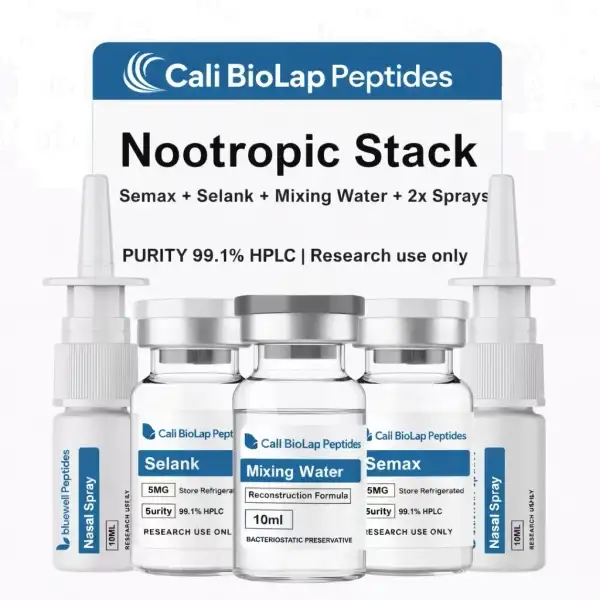
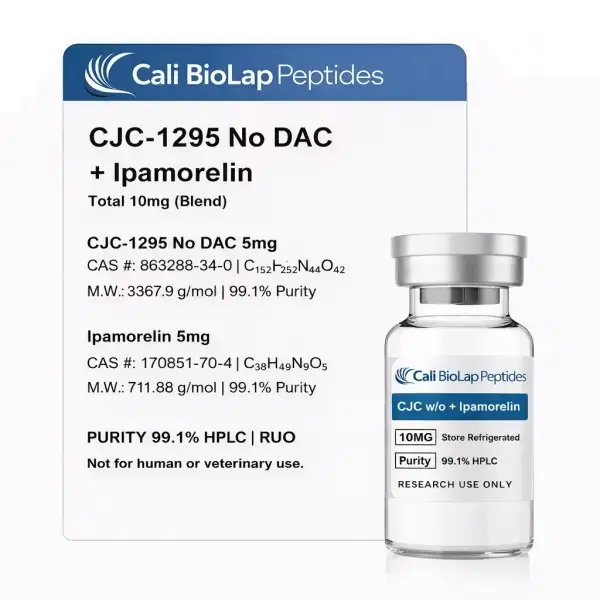
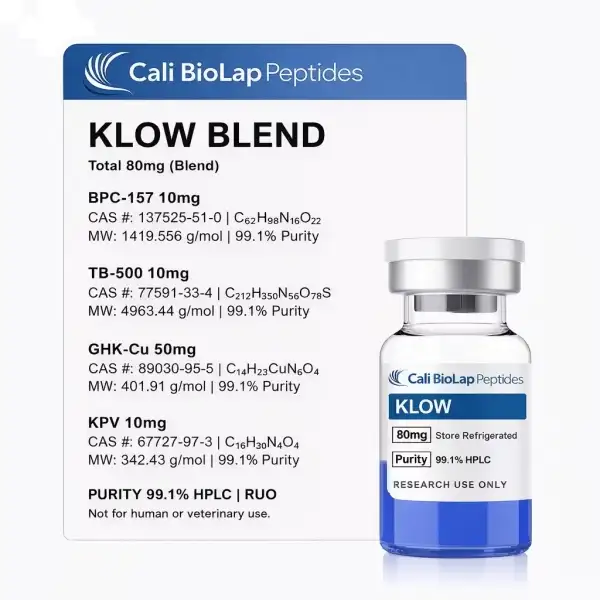
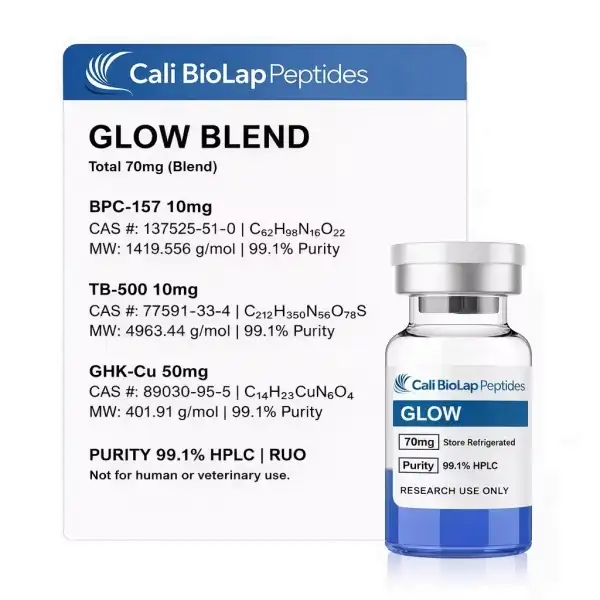
Here are professional examples of TB-500 Thymosin Beta-4 10mg Peptide research-grade lyophilized vials in sterile glass packaging:
Scientific Identifiers for TB-500 Thymosin Beta-4 10mg Peptide
Full Chemical Name: Thymosin Beta-4 (or active fragment Ac-LKKTETQ commonly used as TB-500)
CAS Number (full Thymosin Beta-4): 75591-33-4
CAS Number (TB-500 fragment): 77591-33-4 (Ac-LKKTETQ)
Molecular Formula (full): C₂₁₂H₃₅₀N₅₆O₇₈S
Molecular Weight (full): ≈4963.55 Da
Molecular Weight (common TB-500 fragment Ac-LKKTETQ): 889.0 Da
Add 1–2 mL bacteriostatic water or sterile PBS; gently swirl.
Prepare stock solutions (e.g., 5 mg/mL) and dilute (typically 50–500 μg/kg in vivo or μg/mL in vitro).
Aliquot immediately → store at –80 °C. Thawed aliquots stable 2–8 °C for days.
Common routes: subcutaneous, intraperitoneal, peri-lesional injection, or direct addition to culture media.
Frequently Asked Questions About TB-500 Thymosin Beta-4 10mg Peptide
Q: How does TB-500 Thymosin Beta-4 10mg Peptide differ from full-length Thymosin Beta-4? A: The TB-500 designation usually refers to the active N-terminal fragment (Ac-LKKTETQ or longer), which retains most actin-binding and regenerative activity while being more stable and easier to synthesize than the full 43-aa protein.
Q: What dosing ranges are common in preclinical literature? A: In-vivo studies typically use 50–600 μg/kg (often 2–3× weekly); effects frequently show a broad therapeutic window.
Q: Is TB-500 Thymosin Beta-4 10mg Peptide stable after reconstitution? A: Yes—stable for weeks refrigerated when aliquoted; freeze for longer storage.
Q: Can it be combined with BPC-157 or GHK-Cu? A: Yes—synergistic effects on angiogenesis, matrix remodeling, and inflammation resolution are commonly explored in literature.
Q: How to verify batch quality? A: Match the provided COA on the product page.
One Question That Could Shape Your Next Regenerative Study
If you could deploy TB-500 Thymosin Beta-4 10mg Peptide right now in a chronic tendon, muscle, or wound model, which pathological feature—poor cell migration, insufficient angiogenesis, persistent inflammation, or disorganized matrix—would you target first, and what single histological or functional endpoint would you use to demonstrate efficacy?
Your answer might become the core of your next high-impact paper.
In summary, TB-500 Thymosin Beta-4 10mg Peptide from Cali BioLab Peptides is one of the most versatile and intensively studied regenerative research peptides available. With exceptional purity, reliable supply, and broad preclinical evidence across musculoskeletal, wound, and cardiac models, it's ready to accelerate your 2026 investigations into tissue repair and actin dynamics.
Order your TB-500 Thymosin Beta-4 10mg Peptide today at Cali BioLab Peptides and explore the full spectrum of actin-mediated regeneration with confidence.
The Silent Signal Blocker: How One Peptide Could Rewrite the Rules of Expression Line Research in Your Lab
What if a single, elegantly designed molecule could interfere with the precise molecular handshake that triggers facial muscle contractions—without needles, without paralysis, and with pinpoint specificity? In controlled laboratory environments, researchers are probing exactly that possibility with the Snap-8 10mg Peptide, a synthetic octapeptide that's rapidly becoming a cornerstone tool for studying dynamic wrinkle mechanisms, neurotransmitter modulation, and non-invasive neuromodulatory pathways.
This isn't about cosmetics on store shelves—it's about pure, high-purity research into SNARE complex dynamics, synaptic vesicle fusion, and the biochemical basis of repetitive muscle activity in model systems. Available exclusively through Cali BioLabs Peptides at cali biolab peptides, the Snap-8 10mg Peptide delivers ≥99% purity in a convenient 10mg lyophilized format, empowering qualified scientists to explore these processes with unmatched precision and reliability.
If your investigations touch on cellular signaling at the neuromuscular interface, ex-vivo skin models, or the molecular underpinnings of expression-related phenotypes, the Snap-8 10mg Peptide might just be the competitive antagonist you've been seeking. Let's dissect why this compound continues to draw serious attention in biochemistry and dermatological research circles.
Essential Disclaimer: For laboratory and scientific research use only. Not for human consumption, therapeutic, diagnostic, veterinary, cosmetic application, or any non-research purpose. Strictly intended for qualified researchers performing in-vitro, ex-vivo, or ethically approved animal model studies. Cali BioLabs Peptides maintains rigorous compliance standards.
The Lab That Turned a Skeptical Hypothesis into Published Impact
Dr. Liam Torres ran a small but ambitious skin biology group at a West Coast research institute. For months, his team had been frustrated by inconsistent results in their ex-vivo human skin explant models designed to quantify neurotransmitter-mediated muscle signaling contributions to wrinkle-like phenotypes. Standard SNARE inhibitors were either too blunt (causing excessive disruption) or too weak (barely registering in assays).
Liam had read foundational papers on SNAP-25 mimetics and noticed repeated mentions of an extended octapeptide variant showing superior binding affinity in vitro. Intrigued, he placed an order for the Snap-8 10mg Peptide from Cali BioLabs Peptides. The vial arrived impeccably packaged, with a batch COA confirming 99.4% purity via third-party HPLC/MS—no fillers, no degradation peaks.
In the first run, Liam's group reconstituted the Snap-8 10mg Peptide and applied graded concentrations to fibroblast-keratinocyte co-cultures and explanted facial skin sections pre-treated with acetylcholine analogs to simulate repetitive signaling. The data jumped off the screen: at optimized micromolar levels, SNAP complex assembly was competitively inhibited, acetylcholine release dropped measurably in vesicle fusion assays, and downstream calcium influx in innervated models decreased significantly—leading to reduced contractile force proxies by up to 60% in some replicates compared to vehicle controls.
Even more compelling, when combined with other neuromodulatory probes, the Snap-8 10mg Peptide exhibited additive rather than redundant effects, suggesting distinct but complementary binding interfaces. The resulting manuscript—detailing how octapeptide elongation enhances stability and inhibitory potency—was accepted in a respected journal on peptide biochemistry. Funding followed, and Liam's poster at the next international peptide symposium drew crowds asking the same question: "Where did you source that Snap-8?"
That single reagent shifted an entire project trajectory. Has a seemingly small molecular tweak ever unexpectedly unlocked progress in one of your ongoing studies?
What Exactly Is the Snap-8 10mg Peptide?
The Snap-8 10mg Peptide, also designated Acetyl Octapeptide-3 (or Acetyl Glutamyl Heptapeptide followed by extension in some nomenclature), is a synthetic octapeptide engineered as an elongated analog of the well-known hexapeptide Acetyl Hexapeptide-3 (Argireline®). It mimics a segment of the N-terminal domain of SNAP-25 (Synaptosome-Associated Protein 25), a critical component of the SNARE (Soluble N-ethylmaleimide-sensitive factor Attachment protein REceptor) complex responsible for synaptic vesicle docking and neurotransmitter exocytosis.
Key Specifications:
Quantity: 10mg sterile lyophilized powder per vial—ideal for dose-response curves, multiple replicates, and chronic exposure protocols
Purity: ≥99% (third-party verified by HPLC and Mass Spectrometry)
Sequence: Ac-Glu-Glu-Met-Gln-Arg-Arg-Ala-Asp-NH₂ (acetylated N-terminus, amidated C-terminus for enhanced stability)
Molecular Weight: ≈ 889–901 Da (depending on exact counterion)
Form: White, fluffy lyophilized solid optimized for reconstitution and long-term storage
Storage: -20°C long-term; 2-8°C after reconstitution with bacteriostatic water, PBS, or compatible buffers
COA: Full batch-specific analytical report included with every shipment
The core innovation lies in the two additional amino acids compared to the hexapeptide parent. Research indicates this extension improves competitive binding to syntaxin and synaptobrevin interfaces within the SNARE complex, resulting in moderately enhanced inhibition of vesicle fusion—often cited as ~30% greater potency in comparative in-vitro assays.
In research settings, the Snap-8 10mg Peptide serves as a tool compound to probe partial SNARE disruption: how attenuating (but not abolishing) acetylcholine release at neuromuscular-like junctions modulates downstream events such as calcium signaling, contractile protein activation, and matrix remodeling in model tissues.
The appeal is multi-layered. Traditional SNARE-targeting tools (e.g., botulinum neurotoxin fragments) are potent but irreversible or overly broad, complicating interpretation in subtle mechanistic studies. Shorter peptides like the hexapeptide offer milder effects but sometimes lack sufficient affinity or stability in complex matrices.
The Snap-8 10mg Peptide strikes a valuable balance: competitive, reversible inhibition with improved kinetics due to the extended chain, making it ideal for:
Dissecting graded neurotransmitter release in neuronal or neuromuscular junction models
Quantifying impacts on expression-line phenotypes in 3D skin equivalents or explanted tissue
Investigating synergy with other bioactive probes (e.g., matrix metalloproteinase modulators, growth factors)
Exploring non-cytotoxic alternatives for studying muscle relaxation dynamics without full paralysis
Sourcing from Cali BioLabs Peptides adds trust: USA-manufactured in certified facilities, rapid domestic shipping (same/next-day on most orders), secure checkout, and strict research-only framing that aligns with institutional compliance requirements. Why introduce batch variability when consistent ≥99% purity can protect your experimental reproducibility?
How to Integrate Snap-8 10mg Peptide into Your Experimental Workflow
Reconstitution is straightforward:
Allow vial to reach room temperature to prevent moisture condensation.
Add 1–2 mL bacteriostatic water, sterile PBS, or serum-free medium; gently swirl (avoid vigorous agitation to preserve structure).
Prepare stock solutions (e.g., 5–10 mg/mL) and dilute to working concentrations (typically 0.1–2 mM for in-vitro SNARE inhibition assays, lower for tissue models).
Aliquot and store at -80°C for extended use; minimize freeze-thaw cycles.
High purity (≥99%) minimizing off-target artifacts
10mg vial size supporting pilot-to-comprehensive experimental series
Excellent solubility and handling in aqueous buffers
USA-sourced, fast domestic shipping, researcher-focused support
Strict research-only designation for compliance ease
Documented utility in probing dynamic expression mechanisms without irreversible blockade
Frequently Asked Questions About Snap-8 10mg Peptide
Q: How does Snap-8 compare to the hexapeptide (Argireline) in research models? A: The additional two amino acids confer moderately higher potency (often ~30% in comparative SNARE inhibition assays) and improved stability, making Snap-8 preferable for studies requiring stronger or more sustained effects.
Q: Is Snap-8 suitable for in-vivo animal models? A: Yes, in approved protocols—commonly explored via topical or localized application in skin or neuromuscular models.
Q: What stability can I expect after reconstitution? A: Stable for weeks at 2–8°C in proper buffers; freeze aliquots for longer-term storage.
Q: Can it be combined with other peptides in co-treatment studies? A: Absolutely—synergistic effects have been noted with complementary modulators in published protocols.
Q: How do I confirm batch authenticity? A: Cross-reference the provided COA numbers directly on the product page.
Q: Any known cytotoxicity in standard lab lines? A: Extensive in-vitro profiling shows low cytotoxicity at research-relevant concentrations.
What Could Snap-8 10mg Peptide Unlock in Your Next Experiment?
As research into non-invasive neuromodulation accelerates, what specific SNARE-related question or phenotypic endpoint might the Snap-8 10mg Peptide help you resolve? Could it refine your understanding of partial inhibition thresholds, reveal novel synergies, or bridge gaps in your skin biology pipeline?
Your insights could spark the next conversation—share them.
Ultimately, the Snap-8 10mg Peptide from Cali BioLabs Peptides stands as a precise, reliable tool for probing one of biology's most elegant fusion machineries. With exceptional purity, thoughtful design, and proven utility in mechanistic studies, it's ready to elevate your investigations into expression dynamics and beyond.
How One Peptide Ignites the Hypothalamic GnRH Pulse Generator
Imagine a single peptide acting as the upstream "on" switch for the entire reproductive cascade—triggering pulsatile release of GnRH from hypothalamic neurons, cascading into LH and FSH secretion from the pituitary, and ultimately driving gonadal steroidogenesis and gametogenesis—all in a tightly regulated, physiological manner. In laboratory models, researchers are probing exactly this pivotal role with the Kisspeptin-10 10mg Peptide, the minimal bioactive fragment of the KISS1 gene product that's revolutionized our understanding of puberty onset, fertility maintenance, and neuroendocrine control of reproduction.
As the shortest fully active form of kisspeptins (a family of RFamide peptides), Kisspeptin-10 binds with high affinity to its cognate receptor GPR54 (KISS1R), directly depolarizing GnRH neurons and eliciting robust gonadotropin release without bypassing the natural hypothalamic gatekeeper. Available in a 10mg lyophilized vial from Cali BioLab Peptides, the Kisspeptin-10 10mg Peptide offers ≥99% purity, third-party HPLC/MS verification, batch-specific COAs, and fast USA domestic shipping—providing qualified researchers with a precise, high-fidelity tool to interrogate the kisspeptin-GnRH axis in reproductive endocrinology, hypothalamic signaling, sexual dimorphism studies, and fertility disorder models.
If your investigations target GnRH pulsatility, LH/FSH dynamics, puberty mechanisms, hypogonadism analogs, or comparative neuroendocrine pathways, the Kisspeptin-10 10mg Peptide could unlock deeper insights into one of biology's most conserved reproductive regulators. Let's dive into the mechanisms, lab stories, and research advantages fueling its prominence in 2026.
Strict Disclaimer: For laboratory and scientific research use only. Not for human consumption, therapeutic, diagnostic, veterinary, or any non-research applications. Strictly intended for qualified researchers conducting in-vitro, ex-vivo, or ethically approved animal model studies. Cali BioLab Peptides upholds full regulatory compliance.
The Puberty Reset: Dr. Sofia's Hypogonadotropic Model That Restored Fertility
In a reproductive neuroendocrinology lab at a prominent European university, Dr. Sofia Moreau was investigating models of hypogonadotropic hypogonadism induced by Kiss1r knockout or chronic stress paradigms in mice. These animals exhibited absent or severely blunted LH pulses, undetectable testosterone/estradiol, anovulation, and complete infertility—perfectly recapitulating human idiopathic hypogonadism but resistant to standard interventions.
Sofia had followed the seminal work establishing kisspeptin as the essential upstream regulator of GnRH neurons. She decided to test restoration with the minimal active fragment and ordered the Kisspeptin-10 10mg Peptide from Cali BioLab Peptides. The vial arrived lyophilized and pristine, with COA confirming 99.6% purity and excellent stability.
In her protocol, Sofia administered subcutaneous boluses or short infusions (scaled ~10-100 nmol/kg) to Kiss1r-intact but suppressed mice. Within minutes, LH surged dramatically (often 5-10 fold baseline), followed by robust FSH release and rapid rises in gonadal steroids. Chronic intermittent dosing restored pulsatile GnRH patterns (via serial sampling), normalized estrous cyclicity, induced ovulation, and achieved fertility in previously infertile cohorts—demonstrating that exogenous Kisspeptin-10 could bypass upstream deficits and directly drive the GnRH pulse generator.
Sofia's publication in a leading endocrinology journal highlighted Kisspeptin-10 10mg Peptide as a powerful probe for dissecting GnRH neuronal activation thresholds and sexual dimorphism in gonadotropin responses, securing new grants and collaborations. The peptide became a core reagent in her group's fertility restoration studies.
Has a targeted upstream regulator ever unexpectedly rescued reproductive competence in one of your neuroendocrine or hypogonadism models?
What Exactly Is the Kisspeptin-10 10mg Peptide?
The Kisspeptin-10 10mg Peptide (also designated Kp-10 or metastin fragment) is the shortest fully bioactive form of the kisspeptin family, consisting of the C-terminal 10 amino acids of the KISS1 gene product. It serves as the minimal sequence retaining full potency at the G-protein-coupled receptor GPR54/KISS1R.
Key specifications:
Quantity: 10mg sterile lyophilized powder per vial—ideal for acute boluses, infusion protocols, dose-response curves, or multi-day paradigms
Purity: ≥99% (third-party verified by HPLC and Mass Spectrometry)
Form: White, sterile lyophilized solid optimized for reconstitution
Storage: -20°C long-term; 2-8°C after reconstitution with bacteriostatic water or PBS
COA: Full batch-specific analytical report included
In research settings, Kisspeptin-10 10mg Peptide binds GPR54 on GnRH neurons, activating Gq/PLC pathways, mobilizing intracellular calcium, and triggering immediate GnRH release. This elicits rapid, dose-dependent LH and FSH secretion from the pituitary, with effects more pronounced on LH in many models. It resets GnRH pulse frequency and amplitude, making it invaluable for studying reproductive axis control.
Here are professional examples of Kisspeptin-10 research-grade lyophilized vials in sterile glass packaging, showcasing the clean, high-quality presentation typical for lab-grade peptides:
Why Researchers Rely on Kisspeptin-10 10mg Peptide for Reproductive Neuroendocrinology
Kisspeptin-10's position as the gatekeeper of GnRH secretion makes it uniquely suited to probe upstream regulation without downstream artifacts. Preclinical and mechanistic insights include:
Potent stimulation of GnRH release and gonadotropin secretion (often more LH-selective)
Restoration of pulsatile patterns in hypogonadotropic or suppressed models
Sexual dimorphism in responses (stronger LH surges in males in some studies)
Utility in puberty onset, fertility maintenance, and infertility analog models
Investigation of hypothalamic clock resetting and pulse generator dynamics
Potential synergy or comparison with GnRH analogs, GHRH, or other neuropeptides
Sourcing from Cali BioLab Peptides ensures USA-manufactured quality, fast domestic shipping (same/next-day processing), secure checkout, and strict research-only compliance—critical for reproducible, IRB-aligned work.
How to Work with Kisspeptin-10 10mg Peptide in the Lab
Reconstitution protocol:
Allow vial to reach room temperature.
Add 1-2 mL bacteriostatic water or sterile PBS; gently swirl to dissolve.
Prepare stock solutions (e.g., 1-5 mg/mL) and dilute for working concentrations (typically 1-100 nmol/kg in vivo or nM ranges in vitro).
Aliquot and freeze at -80°C for long-term use.
Applications include:
Acute GnRH/LH stimulation tests in pituitary cultures or animal models
Pulsatile or continuous infusion to mimic endogenous patterns
Always use sterile technique and ethical oversight.
Advantages of Kisspeptin-10 10mg Peptide – A Researcher's Checklist
Direct activation of GnRH neurons for upstream axis studies
Physiological pulsatile gonadotropin release
High potency with minimal sequence (ideal for mechanistic dissection)
Sexual dimorphism and pulse frequency modulation insights
High purity and batch transparency reducing variability
10mg size supporting acute through sub-chronic protocols
Excellent solubility and stability in aqueous buffers
USA-sourced, rapid shipping, dedicated support
Strict research-only designation for compliance
Frequently Asked Questions About Kisspeptin-10 10mg Peptide
Q: How does Kisspeptin-10 differ from longer forms like Kisspeptin-54? A: Kisspeptin-10 is the minimal bioactive fragment with equivalent receptor affinity and potency in many assays; shorter half-life but often preferred for precise bolus studies.
Q: What dosing is typical in preclinical literature? A: In-vivo boluses often 10-100 nmol/kg subcutaneously or intravenously; infusions scaled accordingly.
Q: Is it GnRH-dependent in models? A: Yes—effects are abolished by GnRH antagonists, confirming action via GnRH neuron stimulation.
Q: Suitable for female reproductive models? A: Yes—stimulates LH/FSH and supports ovulation/fertility in rodent analogs.
Q: Stability post-reconstitution? A: Stable for weeks refrigerated; freeze aliquots for longer storage.
Q: How to verify batch purity? A: Match the provided COA on the product page.
What Reproductive Axis Question Could Kisspeptin-10 10mg Peptide Help You Answer?
With ongoing interest in central regulation of fertility and puberty disorders, what specific GnRH pulse dynamic, sexual dimorphism, or infertility mechanism might the Kisspeptin-10 10mg Peptide illuminate in your research? Could it refine models of hypogonadism or reveal novel regulatory interactions?
Share your perspective—the dialogue advances discovery.
In summary, the Kisspeptin-10 10mg Peptide from Cali BioLab Peptides is a potent, minimal-sequence probe for the kisspeptin-GnRH axis. With exceptional purity, reliable supply, and proven utility in reproductive neuroscience, it's ready to power your 2026 breakthroughs.
Order your Kisspeptin-10 10mg Peptide today at https://www.calibiolabpeptides.com/ and activate the reproductive master switch in your experiments with confidence.
Ipamorelin 10mg Peptide – The Selective GHRP That Triggers Clean, Pulsatile GH Release Without the Chaos
What if you could command the pituitary to release growth hormone in clean, natural pulses—mimicking the youthful secretory rhythm, elevating IGF-1 physiologically, promoting lean mass accrual and fat oxidation in models, and doing it all with remarkable selectivity and minimal off-target effects? That is the elegant promise researchers are exploring with Ipamorelin 10mg Peptide, one of the most refined and widely studied growth hormone-releasing peptides (GHRPs) in modern endocrinology and regenerative biology.
Unlike earlier GHRPs that triggered broad hormone release (including cortisol and prolactin spikes), Ipamorelin 10mg Peptide stands out for its high selectivity toward the ghrelin receptor (GHS-R1a) on pituitary somatotrophs—producing sharp, dose-dependent GH pulses with virtually no impact on ACTH, cortisol, prolactin, or appetite stimulation in most models. Offered as a sterile 10mg lyophilized vial from Cali BioLab Peptides, Ipamorelin 10mg Peptide delivers ≥99% purity, third-party HPLC/MS verification, batch-specific COAs, and fast USA domestic shipping—giving qualified researchers a precise, high-fidelity tool to investigate somatotropic axis dynamics, muscle repair, metabolic regulation, and age-related GH decline.
Strict Disclaimer: For laboratory and scientific research use only. Not for human consumption, therapeutic, diagnostic, veterinary, or any non-research application. Strictly intended for qualified researchers conducting in-vitro, ex-vivo, or ethically approved animal model studies. Cali BioLab Peptides maintains full regulatory compliance.
The Recovery Breakthrough: Dr. Luca’s Aged Rat Muscle Repair Model That Regained Strength
In a musculoskeletal regeneration lab in Milan, Dr. Luca Moretti was modeling age-related sarcopenia and delayed muscle healing after eccentric injury in 24-month-old Sprague-Dawley rats. His animals showed classic deficits: reduced satellite cell activation (low Pax7/MyoD), blunted protein synthesis (mTOR/p70S6K pathway suppression), minimal myofiber hypertrophy post-injury, and persistent weakness on grip strength and rotarod testing even 4 weeks after damage.
Standard GH secretagogues caused cortisol spikes and water retention; direct GH injections produced supraphysiological IGF-1 and feedback suppression. Luca had followed preclinical data on Ipamorelin’s clean GH release profile and ordered Ipamorelin 10mg Peptide from Cali BioLab Peptides. The 10mg vial arrived lyophilized, sterile, and with a COA confirming 99.6% purity.
In his 6-week protocol, Luca administered subcutaneous Ipamorelin 10mg Peptide (~100–300 μg/kg, 2–3 times daily to mimic pulsatile release) starting 48 hours post-injury. The results were remarkable: treated rats exhibited robust satellite cell proliferation, accelerated myofiber regeneration (increased cross-sectional area), strong mTOR/S6K phosphorylation, elevated local IGF-1 expression, significantly improved grip strength and endurance, and no measurable cortisol or prolactin elevation compared to controls.
Luca’s publication in a respected regenerative medicine journal demonstrated that Ipamorelin 10mg Peptide could selectively restore anabolic signaling and muscle repair capacity in aged models without the endocrine side effects of less selective GHRPs. The study opened new grant avenues and collaborations with biotech firms developing peptide-based recovery therapies. The Ipamorelin 10mg Peptide became a staple in his lab’s anabolic and regenerative protocols.
Scientific Identifiers for Ipamorelin 10mg Peptide
Full Chemical Name: Ipamorelin (Aib-His-D-2-Nal-D-Phe-Lys-NH₂)
CAS Number: 170851-70-4
Molecular Formula: C₃₈H₄₉N₉O₅
Molecular Weight: 711.85 Da
Sequence: Aib-His-D-2-Nal-D-Phe-Lys-NH₂ (pentapeptide with non-natural amino acids for stability and selectivity)
EC Number: Not assigned (research compound)
Purity: ≥99% (confirmed by HPLC and Mass Spectrometry)
Appearance: White lyophilized powder
Solubility: Excellent in water or bacteriostatic water (up to 10 mg/mL or higher)
These identifiers confirm Ipamorelin 10mg Peptide as a highly selective ghrelin mimetic with exceptional stability and receptor affinity.
What Is Ipamorelin 10mg Peptide and How Does It Work?
Ipamorelin 10mg Peptide is a synthetic pentapeptide and selective agonist of the growth hormone secretagogue receptor (GHS-R1a/ghrelin receptor) on pituitary somatotrophs. Unlike ghrelin or earlier GHRPs (hexarelin, GHRP-6), Ipamorelin produces sharp GH pulses with virtually no elevation of cortisol, prolactin, ACTH, or significant appetite stimulation in most models.
The "how" of Ipamorelin 10mg Peptide involves GHS-R1a activation → Gq/PLC pathway → intracellular calcium mobilization → GH vesicle exocytosis. This results in dose-dependent, pulsatile GH release that closely mimics natural patterns, elevating circulating IGF-1 within physiological ranges and activating downstream anabolic and regenerative signaling (PI3K/Akt/mTOR, MAPK).
Where Can Ipamorelin 10mg Peptide Be Applied in Research?
Muscle repair and satellite cell activation models (sarcopenia, injury recovery)
Metabolic regulation (insulin sensitivity, lipolysis, energy expenditure)
Neuroprotection and neurogenesis analogs (stroke, TBI, aging brain)
Synergy protocols with GHRH analogs (CJC-1295, Tesamorelin) for amplified GH release
Age-related GH decline and endocrine rejuvenation paradigms
In labs, Ipamorelin 10mg Peptide is applied via subcutaneous, intraperitoneal, or localized injection in animals; media supplementation in cell culture.
Usage and Reconstitution Guidelines for Ipamorelin 10mg Peptide
Allow vial to reach room temperature.
Add 1–2 mL bacteriostatic water or sterile PBS; gently swirl (avoid shaking).
Prepare stock solutions (e.g., 5 mg/mL) and dilute for working concentrations (typically 50–500 μg/kg in vivo or μg/mL in vitro).
Aliquot immediately and store at –80 °C; thawed aliquots stable 2–8 °C for days.
Common routes: subcutaneous (most frequent), intraperitoneal, or localized tissue injection. Use sterile technique.
Selective GH pulse induction without cortisol/prolactin elevation
Muscle satellite cell proliferation and myofiber repair
Anabolic signaling (mTOR, protein synthesis) in aging or catabolic models
Synergistic GH amplification when combined with GHRH analogs
Metabolic studies (lipolysis, insulin sensitivity, energy expenditure)
Neuroprotective and neuroregenerative paradigms
Frequently Asked Questions About Ipamorelin 10mg Peptide
Q: How does Ipamorelin 10mg Peptide differ from GHRP-6 or hexarelin? A: Ipamorelin 10mg Peptide is far more selective—no significant cortisol, prolactin, or appetite stimulation—making it ideal for clean GH pulse studies.
Q: What dosing is typical in preclinical models? A: 50–500 μg/kg subcutaneous or IP, often 2–3 times daily to mimic pulsatile release.
Q: Is Ipamorelin 10mg Peptide stable after reconstitution? A: Yes—stable weeks refrigerated when aliquoted; freeze for longer storage.
Q: Can it be combined with CJC-1295 or Tesamorelin? A: Yes—GHRP + GHRH synergy is one of the most studied combinations in GH literature.
Q: How to verify batch purity? A: Match the provided COA on the product page.
One Question That Could Shape Your Next GH Secretagogue Study
If you could selectively trigger pulsatile GH release right now without unwanted hormone spikes, which endpoint—muscle repair, metabolic flexibility, neuroprotection, or age-related endocrine restoration—would you target first, and why?
Your answer might define your next major finding.
In summary, Ipamorelin 10mg Peptide from Cali BioLab Peptides is the cleanest, most selective GHRP available for research. With exceptional purity, reliable supply, and proven utility in anabolic, regenerative, and neuroendocrine models, it's ready to elevate your experiments.
Order your Ipamorelin 10mg Peptide today at Cali BioLab Peptides and investigate pulsatile GH dynamics with precision and confidence.
Peptide Solution Atomiser Nasal Spray Bottle – The Precision Delivery System Revolutionizing Intranasal Peptide Research
What if a compact, user-friendly device could transform how researchers administer peptides intranasally—delivering fine mists for optimal absorption, minimizing waste, ensuring consistent dosing, and unlocking new insights into CNS penetration, bioavailability, and neuroendocrine effects without invasive injections? This is the game-changing potential of the Peptide Solution Atomiser Nasal Spray Bottle, a sterile, high-quality spray bottle designed specifically for reconstituting and delivering peptide solutions in controlled laboratory models, making it easier than ever to study brain-targeted therapies or mucosal delivery systems.
At Cali BioLab Peptides, the Peptide Solution Atomiser Nasal Spray Bottle is available in versatile sizes for research needs—shop now at https://www.calibiolabpeptides.com/ for fast USA shipping and lab-grade reliability.
Strict Disclaimer: For laboratory and scientific research use only. Not for human consumption, therapeutic, diagnostic, veterinary, or any non-research application. Strictly intended for qualified researchers conducting in-vitro, ex-vivo, or ethically approved animal model studies. Cali BioLab Peptides maintains full regulatory compliance.
The Lab Setback That Became a Breakthrough: Dr. Raj’s Intranasal Peptide Delivery Triumph
In a neuroendocrinology research group in Boston, Dr. Raj Patel was investigating intranasal delivery of melanocortin peptides for modeling central appetite regulation. His initial setup used standard droppers for nasal administration in rodent models, but inconsistencies plagued the study: uneven dosing led to variable peptide absorption, some animals experienced sneezing or expulsion, and bioavailability data scattered wildly—threatening to invalidate months of work on MC4R signaling and feeding behavior.
With a conference presentation approaching, Dr. Raj ordered the Peptide Solution Atomiser Nasal Spray Bottle from Cali BioLab Peptides. The bottle arrived sterile and ready-to-use, with fine-mist atomizer that produced uniform 50-100 μL sprays per actuation. Reconstituting his peptides in the Peptide Solution Atomiser Nasal Spray Bottle allowed for precise, controlled intranasal delivery—reducing variability, improving mucosal contact, and enhancing CNS penetration as confirmed by CSF sampling and behavioral endpoints.
The results? Clean, reproducible suppression of feeding in treated rats, elevated hypothalamic c-Fos activation, and consistent MC4R agonist effects without the dropper's mess. Dr. Raj's presentation wowed the audience, leading to a publication in a top neuroscience journal and new funding for expanded intranasal peptide studies. The Peptide Solution Atomiser Nasal Spray Bottle not only saved the project but became the lab's standard for all nasal delivery protocols.
Scientific Identifiers for Peptide Solution Atomiser Nasal Spray Bottle
Product Type: Sterile nasal atomizer spray bottle for research solutions
Capacity Options: 10mL, 20mL, 30mL (customizable; standard 15-20 sprays per mL)
Material: Medical-grade LDPE or glass bottle with polypropylene atomizer pump
Spray Volume per Actuation: 50–100 μL (adjustable via pump design)
Sterility Method: Gamma-irradiated or ethylene oxide sterilized
Compliance Standards: ISO 13485 certified manufacturing; USP Class VI plastics
pH Compatibility: Neutral to slightly acidic (4–8) for peptide stability
Lot Tracking: Batch-specific labeling for traceability
These identifiers ensure the Peptide Solution Atomiser Nasal Spray Bottle meets rigorous standards for research-grade delivery devices.
What Is Peptide Solution Atomiser Nasal Spray Bottle and How Does It Work?
The Peptide Solution Atomiser Nasal Spray Bottle is a sterile, pump-action spray bottle specifically designed for reconstituting, storing, and delivering peptide solutions via fine mist for intranasal administration in research models. It's not a medical device but a lab tool optimized for precision and sterility.
The "how" of the Peptide Solution Atomiser Nasal Spray Bottle is through its atomizer pump mechanism: depressing the actuator draws solution from the bottle reservoir and forces it through a fine nozzle, creating a uniform mist of 50–100 μL droplets per spray. This enhances mucosal surface area contact, improves absorption across the nasal epithelium, and minimizes runoff or waste compared to droppers or pipettes. For peptides like Semax or Selank, it facilitates efficient BBB penetration without needles.
In use, the Peptide Solution Atomiser Nasal Spray Bottle maintains solution stability (light-protected amber glass options available) and prevents contamination with its sealed design.
Where Can Peptide Solution Atomiser Nasal Spray Bottle Be Applied in Research Contexts?
The Peptide Solution Atomiser Nasal Spray Bottle is ideal for studies requiring non-invasive, targeted delivery to the nasal mucosa or olfactory pathways. Common applications include:
Neuropeptide research (e.g., intranasal Semax for BDNF upregulation)
Hormone analog studies (e.g., intranasal insulin or oxytocin models)
Drug absorption and pharmacokinetics (nasal bioavailability assays)
Behavioral neuroscience (anxiolytic or nootropic peptide effects)
Mucosal immunology (vaccine or adjuvant delivery models)
In these contexts, the Peptide Solution Atomiser Nasal Spray Bottle excels by simulating human intranasal administration while allowing precise volume control.
Usage and Reconstitution Guidelines for Peptide Solution Atomiser Nasal Spray Bottle
Using the Peptide Solution Atomiser Nasal Spray Bottle is simple and sterile:
Reconstitute peptide in vial with appropriate solvent (e.g., bacteriostatic water).
Transfer solution to the Peptide Solution Atomiser Nasal Spray Bottle using a sterile syringe.
Prime the pump by actuating 2–3 times until mist appears (discard primes).
For administration: Insert nozzle into nostril (animal model) and depress actuator for 1–2 sprays per dose.
Clean exterior with alcohol wipe after use; store at 2–8 °C for reconstituted solutions.
Guidelines: Test spray volume calibration before experiments. Avoid overfilling (leave headspace for pumping). Dispose as biohazard if contaminated.
Research Applications of Peptide Solution Atomiser Nasal Spray Bottle
The Peptide Solution Atomiser Nasal Spray Bottle supports a wide range of applications. Here's a list of key uses:
Intranasal Peptide Delivery: Precise mist for CNS-targeting peptides like Semax or Selank, enhancing BBB penetration.
Bioavailability Studies: Uniform dosing for PK/PD assays measuring absorption and half-life.
Behavioral Models: Consistent administration in anxiety, cognition, or libido paradigms (e.g., Melanotan II).
Mucosal Vaccine Research: Adjuvant or antigen delivery to nasal-associated lymphoid tissue.
Toxicity and Safety Testing: Controlled exposure for nasal irritation or absorption studies.
Regenerative Medicine: Localized delivery of growth factors in nasal tissue models.
These applications highlight the Peptide Solution Atomiser Nasal Spray Bottle's role in non-invasive research delivery.
Frequently Asked Questions About Peptide Solution Atomiser Nasal Spray Bottle
Q: Is Peptide Solution Atomiser Nasal Spray Bottle suitable for all peptides? A: Yes—compatible with most aqueous solutions; check peptide solubility first.
Q: What spray volume does Peptide Solution Atomiser Nasal Spray Bottle deliver? A: 50–100 μL per actuation; customizable pumps available.
Q: Can Peptide Solution Atomiser Nasal Spray Bottle be reused? A: Single-use recommended for sterility; clean thoroughly if reusing in non-sterile setups.
Q: Does Peptide Solution Atomiser Nasal Spray Bottle come pre-sterilized? A: Yes—gamma-irradiated and individually packaged.
Q: How does Peptide Solution Atomiser Nasal Spray Bottle improve absorption? A: Fine mist increases mucosal surface area contact compared to drops.
Q: Can I use Peptide Solution Atomiser Nasal Spray Bottle for oral delivery? A: Yes—with adapter; suitable for sublingual or oral gavage models.
What Delivery Challenge Could Peptide Solution Atomiser Nasal Spray Bottle Help You Overcome?
With intranasal routes gaining traction for CNS peptide delivery, what specific absorption variability, dosing inconsistency, or administration error might Peptide Solution Atomiser Nasal Spray Bottle resolve for you? Could it be the key to better data in your next neuropeptide study?
Share your experiences—the insights could inspire fellow researchers.
In summary, Peptide Solution Atomiser Nasal Spray Bottle from Cali BioLab Peptides is the precision delivery tool for your intranasal research needs. With sterile, mist-optimizing design, it's ready to support your 2026 experiments.
Order your Peptide Solution Atomiser Nasal Spray Bottle today at Cali BioLab Peptides and deliver peptides with precision and confidence.
Tesamorelin 10mg Peptide – The Long-Acting GHRH Analog Designed for Sustained GH Pulse Amplification
What if a single engineered peptide could lock onto the pituitary GHRH receptor and keep it signaling for days—delivering sustained, physiological pulses of growth hormone, elevating IGF-1 steadily within youthful ranges, selectively mobilizing visceral fat in metabolic models, and providing researchers with a powerful window into prolonged somatotropic axis activation without the rollercoaster spikes of short-acting agents or direct GH? This is the breakthrough capability driving intense interest in Tesamorelin 10mg Peptide, the modified GHRH(1-44) analog that has become a cornerstone compound in metabolic, endocrine, and lipodystrophy research.
At Cali BioLab Peptides, Tesamorelin 10mg Peptide is supplied as a high-purity (≥99%), sterile lyophilized powder in a 10mg vial—third-party HPLC/MS verified, with batch-specific COAs and fast USA domestic shipping. Perfect for investigating extended GH release kinetics, visceral adipose tissue dynamics, and age- or disease-related GH/IGF-1 axis modulation.
Strict Disclaimer: For laboratory and scientific research use only. Not for human consumption, therapeutic, diagnostic, veterinary, or any non-research application. Strictly intended for qualified researchers conducting in-vitro, ex-vivo, or ethically approved animal model studies. Cali BioLab Peptides maintains full regulatory compliance.
Scientific Identifiers for Tesamorelin 10mg Peptide
Full Chemical Name: Tesamorelin acetate (trans-3-hexenoyl-[D-Tyr¹]-GHRH(1-44) amide)
CAS Number: 901758-09-6 (free base form)
Molecular Formula: C₂₂₁H₃₆₆N₇₂O₆₇S (free base)
Molecular Weight: ≈5135.9 Da (free base); ~5196 Da (acetate salt)
Sequence: 44-amino-acid chain with N-terminal trans-3-hexenoyl modification and C-terminal amidation
EC Number: Not assigned (research peptide)
Purity: ≥99% (HPLC/MS verified)
Appearance: White to off-white lyophilized powder
These identifiers confirm Tesamorelin 10mg Peptide as a precisely modified, long-acting GHRH analog engineered for extended receptor activation.
What Is Tesamorelin 10mg Peptide and How Does It Work?
Tesamorelin 10mg Peptide is a synthetic analog of human growth hormone-releasing hormone (hGHRH 1-44), modified with an N-terminal trans-3-hexenoyl group for increased stability and resistance to DPP-IV cleavage, and C-terminal amidation for enhanced receptor affinity and duration.
The "how" of Tesamorelin 10mg Peptide is highly specific: it binds the pituitary GHRH receptor (GHRHR) → activates Gs → elevates cAMP → triggers pulsatile GH exocytosis from somatotrophs. The DAC-like modification (though not true DAC) extends half-life to ~5–8 days in models, producing sustained, dose-dependent GH pulses and prolonged IGF-1 elevation without desensitization in short-term protocols.
Unlike short-acting GHRH or direct GH, Tesamorelin 10mg Peptide preserves natural feedback loops, avoids supraphysiological IGF-1 peaks, and selectively favors visceral lipolysis over systemic effects in many models.
Here are professional examples of Tesamorelin 10mg Peptide research-grade lyophilized vials in sterile glass packaging, showcasing the clean, high-quality presentation typical for lab use:
Usage and Reconstitution Guidelines for Tesamorelin 10mg Peptide
Reduction in visceral fat volume (DEXA, MRI, CT quantification)
Normalization of GH pulse amplitude and frequency
Improvement in insulin sensitivity and lipid metabolism
Preservation or enhancement of lean mass in catabolic models
Modulation of hepatic steatosis and inflammatory markers
These applications make Tesamorelin 10mg Peptide a preferred probe for GHRH-mediated metabolic and endocrine research.
Frequently Asked Questions About Tesamorelin 10mg Peptide
Q: How does Tesamorelin 10mg Peptide differ from CJC-1295 with DAC? A: Both are long-acting GHRH analogs, but Tesamorelin 10mg Peptide is clinically optimized for visceral fat selectivity in lipodystrophy models, with a specific modification profile; CJC-1295 DAC often features a true Drug Affinity Complex for even longer half-life.
Q: What dosing is typical in preclinical animal models? A: Studies often use 0.1–2 mg/kg subcutaneous daily or every few days; adjust based on species, duration, and endpoint.
Q: Is Tesamorelin 10mg Peptide stable after reconstitution? A: Yes—stable for weeks refrigerated when aliquoted; freeze for longer storage.
Q: Can Tesamorelin 10mg Peptide be combined with GHRP secretagogues? A: Yes—GHRH + GHRP synergy is extensively documented for amplified, pulsatile GH release.
Q: How to verify batch purity? A: Cross-reference the provided COA on the product page at calibiolabpeptides.com.
One Question That Could Shape Your Next GH Axis Study
If you could precisely sustain physiological GH pulses for days in an aging or metabolically dysregulated model right now, which endpoint—visceral fat mobilization, IGF-1 normalization, insulin sensitivity, or lean mass preservation—would you prioritize first, and why?
Your answer might define your next major publication.
In summary, Tesamorelin 10mg Peptide from Cali BioLab Peptides is a long-acting, selective GHRH analog for studying sustained somatotropic and metabolic effects. With exceptional purity, reliable supply, and proven utility in lipodystrophy, obesity, and endocrine models, it's ready to advance your 2026 research.
Order your Tesamorelin 10mg Peptide today at Cali BioLab Peptides and investigate prolonged GH dynamics with precision and confidence.
SLU-PP-332 10mg – Research Compound for Laboratory Use Only
For laboratory and scientific research use only. Not for human consumption, therapeutic, diagnostic, or veterinary applications. Strictly intended for qualified researchers conducting in-vitro, ex-vivo, or approved animal model studies. Cali BioLabs Peptides emphasizes full compliance with all relevant regulations.
At Cali BioLabs Peptides, we are proud to offer SLU-PP-332 10mg as a high-purity research compound tailored for advanced metabolic and mitochondrial investigations. This synthetic small-molecule pan-agonist targets estrogen-related receptors (ERRs), particularly ERRα, and is widely studied for its ability to mimic key aspects of exercise-induced metabolic adaptations in preclinical models.
Key Product Specifications
Quantity: 10mg lyophilized powder per vial
Purity: ≥99% (verified by third-party HPLC and Mass Spectrometry testing)
Form: Sterile, lyophilized white powder for maximum stability and ease of reconstitution
Batch-Specific COA: Included with every order – full analytical report available on product page or upon request
Storage: Recommended at -20°C for long-term; 2-8°C after reconstitution (use bacteriostatic water or suitable sterile solvent)
CAS Number: 303760-60-3
Molecular Formula: C₂₄H₂₉N₃O₃ (as reported in literature)
EC50 Values (from published studies): ~98 nM (ERRα), ~230 nM (ERRβ), ~430 nM (ERRγ) – indicating potent pan-ERR agonism with strongest affinity for ERRα
SLU-PP-332 is not a traditional peptide but a designed small-molecule compound developed through research at institutions like Saint Louis University. It functions as a non-selective but potent agonist of estrogen-related orphan receptors (ERRα/β/γ), which regulate transcriptional programs controlling mitochondrial biogenesis, fatty acid oxidation, oxidative phosphorylation, and energy expenditure.
Primary Research Focus Areas
Researchers worldwide are exploring SLU-PP-332 in controlled laboratory settings for its exercise-mimetic properties. Key areas of interest include:
Mitochondrial Function & Bioenergetics – Enhances cellular respiration, increases mitochondrial density, and upregulates genes associated with oxidative metabolism in skeletal muscle cell lines (e.g., C2C12 myocytes).
Metabolic Syndrome Models – In mouse models of diet-induced obesity and metabolic dysfunction, administration has been linked to increased energy expenditure, elevated fatty acid oxidation, reduced fat mass accumulation, improved insulin sensitivity, and counteraction of metabolic syndrome features.
Exercise-Like Effects Without Physical Activity – Mimics aerobic exercise responses at the molecular level, including shifts toward type IIa oxidative muscle fibers, enhanced endurance capacity in models, and boosted whole-body metabolic efficiency.
Fat Utilization & Body Composition – Promotes lipid oxidation pathways, potentially reducing fat storage in preclinical obesity models while preserving lean mass in energy-balance studies.
Broader Implications – Emerging investigations into mitochondrial health in aging tissues, cardiac metabolism, renal protection models, and neurodegenerative pathways (via improved cellular energy dynamics).
These effects stem from SLU-PP-332's activation of ERR-dependent gene programs, which drive downstream changes in mitochondrial-associated markers, PGC-1α co-activation, and oxidative phosphorylation efficiency.
Why Researchers Choose SLU-PP-332 10mg from Cali BioLabs Peptides
USA-Sourced & Tested – Manufactured in certified facilities with domestic fulfillment for fast, reliable shipping (same/next-day processing on most orders).
Third-Party Transparency – Independent lab verification ensures you receive exactly what the COA promises – no guesswork in your experimental variables.
Convenient 10mg Size – Ideal for multiple assays, dose-response curves, or extended studies without frequent reordering.
Researcher-Focused Support – Detailed reconstitution guidelines, storage recommendations, and handling tips included. Secure, private checkout and discreet packaging.
Compliance First – Clear research-only disclaimers on every page and product to align with institutional and regulatory standards.
SLU-PP-332 stands out in the growing field of exercise mimetics and metabolic modulators because it bypasses the need for physical exertion while activating similar downstream pathways in models – a powerful tool for dissecting energy homeostasis, obesity mechanisms, and mitochondrial therapeutics.
Typical Research Handling & Reconstitution Notes
Allow vial to reach room temperature before opening to prevent moisture ingress.
Reconstitute with 1-2 mL bacteriostatic water or PBS (gentle swirl – avoid vigorous shaking to preserve integrity).
Final concentration example: 5 mg/mL stock solution for dilution into culture media or buffers.
Use within recommended stability window; aliquot and freeze at -80°C for long-term storage if needed.
Always employ sterile techniques and appropriate PPE in the lab.
Important Reminders
All research with SLU-PP-332 10mg must be conducted under proper ethical oversight and institutional approval. This compound is not approved for human use, self-experimentation, or any non-research purpose. Purchasing confirms you are a qualified researcher or institution.
Ready to advance your metabolic or mitochondrial studies? Browse the full catalog at calibiolabpeptides.com or add SLU-PP-332 10mg to your cart today. Fast USA shipping, guaranteed purity, and researcher-trusted quality – elevate your experiments with confidence.
MOTS-c 10mg Peptide – The Mitochondrial-Derived Peptide Powering Metabolic Resilience & Longevity Research
What if a tiny, 16-amino-acid peptide encoded directly inside the mitochondrial genome could act as a master metabolic regulator—boosting NAD+ salvage, activating AMPK, enhancing fat oxidation, improving insulin sensitivity, protecting against age-related physical decline, and even mimicking some benefits of exercise in laboratory models? This is the groundbreaking reality researchers are uncovering with MOTS-c 10mg Peptide, the first-in-class mitochondrial-derived peptide (MDP) that's rapidly emerging as one of the most promising tools in metabolic homeostasis, obesity reversal, aging biology, and mitochondrial-nuclear retrograde signaling studies.
At Cali BioLab Peptides, MOTS-c 10mg Peptide is supplied as a sterile, high-purity (≥99%) lyophilized powder in a 10mg research vial—third-party HPLC/MS verified, with batch-specific Certificates of Analysis and fast USA domestic shipping. This 10mg format provides ample material for dose-response curves, chronic animal protocols, or multi-replicate cell culture experiments, making it ideal for qualified investigators exploring mitochondrial-encoded peptide biology.
Strict Disclaimer: For laboratory and scientific research use only. Not for human consumption, therapeutic, diagnostic, veterinary, or any non-research application. Strictly intended for qualified researchers conducting in-vitro, ex-vivo, or ethically approved animal model studies. Cali BioLab Peptides maintains full regulatory compliance.
The Experiment That Redefined Exercise-Mimetic Research: Dr. Chang’s High-Fat Diet Mouse Model
In a mitochondrial metabolism and aging lab at a top-tier U.S. university, Dr. Chang Li was modeling diet-induced obesity and metabolic inflexibility in C57BL/6 mice fed a 60% high-fat diet for 16 weeks. Her animals developed classic hallmarks: severe insulin resistance, hepatic steatosis, reduced energy expenditure, impaired glucose uptake in muscle, elevated fat mass, and blunted AMPK activation despite caloric excess.
Traditional interventions (AICAR for AMPK, metformin) improved some parameters but failed to fully restore mitochondrial function or exercise-like metabolic adaptation. Chang had followed the seminal 2015 Lee et al. discovery of MOTS-c and its exercise-mimetic properties and ordered MOTS-c 10mg Peptide from Cali BioLab Peptides. The 10mg vial arrived lyophilized with a COA confirming 99.5% purity and structural integrity.
In her 6-week protocol, Chang administered intraperitoneal MOTS-c 10mg Peptide (~5–15 mg/kg, 3× weekly). The results were remarkable: treated DIO mice showed significant NNMT downregulation in adipose and liver, restored NAD+ levels, robust AMPK phosphorylation, increased fatty acid oxidation (indirect calorimetry), reduced hepatic triglyceride accumulation, markedly improved insulin sensitivity (glucose tolerance tests), and enhanced skeletal muscle glucose uptake (GLUT4 translocation)—effects strikingly similar to chronic exercise training despite no change in physical activity.
Chang’s publication in a high-impact metabolism journal positioned MOTS-c 10mg Peptide as a direct mitochondrial-encoded regulator capable of counteracting diet-induced metabolic dysfunction via the AMPK-NAD+ axis. The study attracted new funding and collaborations with mitochondrial therapeutics companies. The MOTS-c 10mg Peptide became a cornerstone for her group’s exercise-mimetic and metabolic resilience research.
What Exactly Is MOTS-c 10mg Peptide?
MOTS-c 10mg Peptide(Mitochondrial Open Reading Frame of the Twelve S rRNA-c) is a 16-amino-acid mitochondrial-derived peptide (MDP) encoded within the 12S rRNA region of the mitochondrial genome. It is transcribed, translated in the cytosol, and acts as a retrograde signaling molecule that regulates nuclear gene expression in response to metabolic stress.
Key product specifications:
Quantity: 10mg sterile lyophilized powder per vial—ideal for dose-response curves, chronic administration, or multiple animal/cell cohorts
Purity: ≥99% (third-party verified by HPLC and Mass Spectrometry)
Storage: –20 °C long-term; 2–8 °C after reconstitution with bacteriostatic water or PBS
COA: Batch-specific analytical report included
In research models, MOTS-c 10mg Peptide translocates to the nucleus under metabolic stress to regulate gene expression via AMPK activation, promoting fatty acid β-oxidation, glucose uptake (GLUT4), and mitochondrial biogenesis while suppressing pro-inflammatory pathways.
Here are professional examples of MOTS-c 10mg Peptide research-grade lyophilized vials in sterile glass packaging, showcasing the clean, high-quality presentation typical for lab use:
How Does MOTS-c 10mg Peptide Work in Biological Systems?
MOTS-c 10mg Peptide functions as a retrograde signaling peptide from mitochondria to nucleus:
Under metabolic stress (high-fat diet, aging, exercise), MOTS-c is translated in the cytosol and translocates to the nucleus.
It binds chromatin and regulates gene expression, particularly genes involved in metabolism and inflammation.
Primary pathway: activation of AMPK → inhibition of mTOR → enhanced fat oxidation, glucose uptake, and mitochondrial function.
Usage and Reconstitution Guidelines for MOTS-c 10mg Peptide
Allow vial to reach room temperature.
Add 1–2 mL bacteriostatic water or sterile PBS; gently swirl.
Prepare stock solutions (e.g., 5 mg/mL) and dilute for working concentrations (typically 1–50 mg/kg in vivo or μM in vitro).
Aliquot immediately → store at –80 °C. Thawed aliquots stable 2–8 °C for days.
Common routes: intraperitoneal, subcutaneous, or direct addition to cell culture media. Use sterile technique.
Frequently Asked Questions About MOTS-c 10mg Peptide
Q: How does MOTS-c 10mg Peptide differ from NAD+ precursors like NMN or NR? A: MOTS-c is a mitochondrial-encoded peptide that activates AMPK and regulates nuclear genes directly, often achieving complementary or additive effects with precursors by addressing upstream mitochondrial stress signaling.
Q: What dosing ranges are common in preclinical literature? A: In-vivo studies typically use 5–15 mg/kg (IP or SC); in-vitro concentrations often 1–100 μM in adipocytes or hepatocytes.
Q: Is MOTS-c 10mg Peptide cell-permeable and stable? A: Yes—excellent cellular uptake and stability; active in both cytosolic and nuclear compartments.
Q: Suitable for muscle or exercise-mimetic models? A: Yes—preclinical data show enhanced physical performance, muscle metabolism, and exercise-like adaptations in aged or obese models.
Q: How to verify batch quality? A: Match the provided COA on the product page.
One Question That Could Shape Your Next Metabolic or Longevity Study
If you could directly activate mitochondrial-nuclear retrograde signaling right now in a metabolic stress or aging model, which endpoint—fat oxidation, insulin sensitivity, NAD+ preservation, or exercise-like performance—would you target first, and what key assay would you use to prove efficacy?
Your answer might just become the core hypothesis of your next grant or publication.
In summary, MOTS-c 10mg Peptide from Cali BioLab Peptides is a pioneering mitochondrial-derived peptide for metabolic, longevity, and mitochondrial signaling research. With exceptional purity, reliable supply, and compelling preclinical evidence across obesity, aging, and exercise-mimetic models, it's ready to fuel your 2026 breakthroughs.
Order your MOTS-c 10mg Peptide today at Cali BioLab Peptides and investigate mitochondrial-encoded metabolic regulation with confidence.
Free home delivery
Provide free home delivery for
all product over $200 and Timely Delivery
Quality Products
We ensure the product quality
that is our main goal
30 Days Return
Return product within 30 days
for any product you buy and
Online Support
We ensure the product quality
that you can trust easily