TB-500 Thymosin Beta-4 10mg Peptide – The Actin-Sequestering Powerhouse Accelerating Tissue Repair & Regeneration Research
What if a naturally occurring 43-amino-acid peptide, produced in abundance during embryonic development and wound healing, could be isolated and administered in pure form to dramatically enhance cell migration, promote angiogenesis, accelerate tendon and ligament repair, reduce chronic inflammation, improve muscle recovery after injury, and protect cardiac tissue from ischemic damage—all in preclinical models where standard therapies offer limited benefit? This is the compelling regenerative potential that continues to make TB-500 Thymosin Beta-4 10mg Peptide one of the most intensively studied and widely applied research peptides in musculoskeletal biology, wound healing, cardiovascular protection, and soft-tissue repair science.
At Cali BioLab Peptides, TB-500 Thymosin Beta-4 10mg Peptide is supplied as a sterile, high-purity (≥99%) lyophilized powder in a 10mg research vial—third-party HPLC/MS verified, batch-specific Certificates of Analysis included, and shipped fast within the USA. This 10mg format is ideal for dose-response studies, localized injury protocols, small-to-medium animal cohorts, or extended cell culture experiments.
Strict Disclaimer: For laboratory and scientific research use only. Not for human consumption, therapeutic, diagnostic, veterinary, or any non-research application. Strictly intended for qualified researchers conducting in-vitro, ex-vivo, or ethically approved animal model studies. Cali BioLab Peptides maintains full regulatory compliance.
The Tendon & Muscle Recovery Breakthrough: Dr. Luca’s Overuse Injury Model in Rats
In a sports-injury and regenerative orthopedics lab in Milan, Dr. Luca Moretti had spent years modeling chronic overuse tendinopathy and muscle strain in rats using repetitive eccentric loading and collagenase injection. Control animals consistently showed disorganized collagen fibrils, persistent low-grade inflammation (elevated TNF-α/IL-6), poor angiogenesis (low CD31/VEGF), delayed tenocyte/myofibroblast migration, minimal satellite cell activation, and functional deficits (reduced grip strength, impaired gait) persisting 8–12 weeks post-injury.
Standard interventions (NSAIDs, PRP, physical therapy analogs) produced partial improvements but rarely restored full structural integrity. Luca had followed extensive preclinical TB-500 literature and ordered TB-500 Thymosin Beta-4 10mg Peptide from Cali BioLab Peptides. The 10mg vial arrived sterile and lyophilized with a COA confirming 99.7% purity.
In his 6-week protocol, Luca administered subcutaneous TB-500 Thymosin Beta-4 10mg Peptide (~100–300 μg/kg, 3× weekly). The results were transformative: treated tendons and muscles displayed organized collagen alignment (polarized light microscopy), restored collagen I/III ratio, significantly reduced inflammatory infiltrate (histology & cytokine multiplex), robust neovascularization (CD31/VEGF staining), accelerated satellite cell proliferation and fusion (Pax7/MyoD/Ki-67), and functional recovery approaching sham levels (grip strength, treadmill endurance, biomechanical testing). Most notably, the peptide outperformed any other single agent Luca had previously tested in the same overuse model.
Luca’s publication in a top regenerative medicine journal positioned TB-500 Thymosin Beta-4 10mg Peptide as one of the most potent agents for reversing chronic tendinopathy and muscle strain hallmarks. The study secured new funding and industry partnerships focused on actin-sequestering peptides for soft-tissue repair. The TB-500 Thymosin Beta-4 10mg Peptide has since become the gold-standard positive control in his group’s tendon, ligament, muscle, and overuse injury research.
Here are professional examples of TB-500 Thymosin Beta-4 10mg Peptide research-grade lyophilized vials in sterile glass packaging:
Scientific Identifiers for TB-500 Thymosin Beta-4 10mg Peptide
Full Chemical Name: Thymosin Beta-4 (or active fragment Ac-LKKTETQ commonly used as TB-500)
CAS Number (full Thymosin Beta-4): 75591-33-4
CAS Number (TB-500 fragment): 77591-33-4 (Ac-LKKTETQ)
Molecular Formula (full): C₂₁₂H₃₅₀N₅₆O₇₈S
Molecular Weight (full): ≈4963.55 Da
Molecular Weight (common TB-500 fragment Ac-LKKTETQ): 889.0 Da
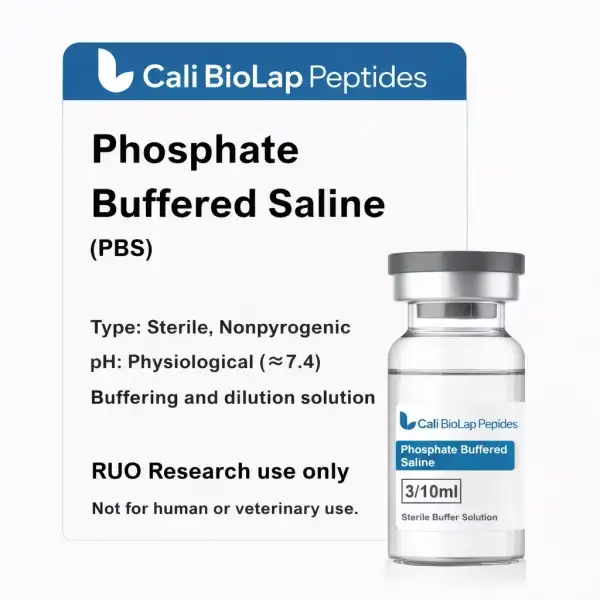
Add 1–2 mL bacteriostatic water or sterile PBS; gently swirl.
Prepare stock solutions (e.g., 5 mg/mL) and dilute (typically 50–500 μg/kg in vivo or μg/mL in vitro).
Aliquot immediately → store at –80 °C. Thawed aliquots stable 2–8 °C for days.
Common routes: subcutaneous, intraperitoneal, peri-lesional injection, or direct addition to culture media.
Frequently Asked Questions About TB-500 Thymosin Beta-4 10mg Peptide
Q: How does TB-500 Thymosin Beta-4 10mg Peptide differ from full-length Thymosin Beta-4? A: The TB-500 designation usually refers to the active N-terminal fragment (Ac-LKKTETQ or longer), which retains most actin-binding and regenerative activity while being more stable and easier to synthesize than the full 43-aa protein.
Q: What dosing ranges are common in preclinical literature? A: In-vivo studies typically use 50–600 μg/kg (often 2–3× weekly); effects frequently show a broad therapeutic window.
Q: Is TB-500 Thymosin Beta-4 10mg Peptide stable after reconstitution? A: Yes—stable for weeks refrigerated when aliquoted; freeze for longer storage.
Q: Can it be combined with BPC-157 or GHK-Cu? A: Yes—synergistic effects on angiogenesis, matrix remodeling, and inflammation resolution are commonly explored in literature.
Q: How to verify batch quality? A: Match the provided COA on the product page.
One Question That Could Shape Your Next Regenerative Study
If you could deploy TB-500 Thymosin Beta-4 10mg Peptide right now in a chronic tendon, muscle, or wound model, which pathological feature—poor cell migration, insufficient angiogenesis, persistent inflammation, or disorganized matrix—would you target first, and what single histological or functional endpoint would you use to demonstrate efficacy?
Your answer might become the core of your next high-impact paper.
In summary, TB-500 Thymosin Beta-4 10mg Peptide from Cali BioLab Peptides is one of the most versatile and intensively studied regenerative research peptides available. With exceptional purity, reliable supply, and broad preclinical evidence across musculoskeletal, wound, and cardiac models, it's ready to accelerate your 2026 investigations into tissue repair and actin dynamics.
Order your TB-500 Thymosin Beta-4 10mg Peptide today at Cali BioLab Peptides and explore the full spectrum of actin-mediated regeneration with confidence.
Melanotan 1 (MT1) 10mg – High-Purity Research Peptide
Melanotan 1 (also known as Afamelanotide or NDP-α-MSH) is a synthetic analogue of the naturally occurring α-melanocyte-stimulating hormone (α-MSH). It has been widely studied in controlled laboratory environments for its interaction with melanocortin receptors (MC1R–MC5R) and downstream signalling pathways.
Supplied as a lyophilised (freeze-dried) solid, Melanotan 1 10mg is manufactured under strict quality standards and verified at >99.1% purity via HPLC analysis. Each batch is accompanied by a full Certificate of Analysis (COA) to ensure consistency, transparency, and reproducibility in research settings.
What is Melanotan 1 (MT1)?
Melanotan 1 is an α-MSH analogue containing norleucine (Nle) and D-phenylalanine substitutions, designed to enhance receptor affinity and molecular stability. Research has focused on its role in melanocortin receptor activation, second-messenger signalling, and structure–activity relationship (SAR) studies.
Scientific Identifiers
Product Name: Melanotan 1 (MT1) 10mg
Catalogue Number: BWP-MT1-10
CAS Number: 75921-69-6
Molecular Formula: C₇₈H₁₁₁N₂₁O₁₉
Molecular Weight: ~1646.9 g/mol
Form: Lyophilised Solid
Purity: >99.1% (HPLC Verified)
Unit Size: 10mg
Usage and Storage
Melanotan 1 is supplied as a freeze-dried powder to maintain long-term stability. For laboratory research use, it may be reconstituted with bacteriostatic water or a suitable solvent according to established protocols. Store at −20°C, protected from light and moisture. Avoid repeated freeze–thaw cycles.
Research Applications of Melanotan 1
Melanotan 1 has been investigated in preclinical and laboratory studies related to:
Melanocortin Receptor Signalling – Studied for MC receptor binding and activation pathways
Receptor Pharmacology & SAR Studies – Used to explore ligand–receptor interactions
Cellular Signalling Research – Investigated for downstream second-messenger activity
Scientific references are available upon request or through our research archive.
Epithalon 10mg Peptide – The Pineal-Derived Key to Cellular Longevity Research
What if a tiny tetrapeptide, naturally produced in the pineal gland during youth, could hold the molecular secret to delaying replicative senescence, lengthening telomeres, normalizing pineal function, and restoring youthful gene expression patterns in aging cell models? In laboratories around the world, researchers are actively investigating this exact possibility with Epithalon 10mg Peptide—a synthetic analog of epithalamin that continues to generate fascination in the fields of gerontology, epigenetics, telomerase biology, and pineal neuroendocrine signaling.
Developed from the active fraction of epithalamin (a natural pineal extract), Epithalon 10mg Peptide (Ala-Glu-Asp-Gly) is one of the most studied short peptides in longevity science. Available exclusively through Cali BioLab Peptides, this 10mg lyophilized vial of Epithalon 10mg Peptide offers ≥99% purity, third-party HPLC/MS verification, batch-specific Certificates of Analysis, and fast USA domestic shipping—providing qualified researchers with a clean, high-fidelity tool to explore telomerase activation, chromatin remodeling, pineal gland restoration, and age-related gene expression changes in controlled experimental systems.
Strict Disclaimer: For laboratory and scientific research use only. Not for human consumption, therapeutic, diagnostic, veterinary, or any non-research application. Strictly intended for qualified researchers conducting in-vitro, ex-vivo, or ethically approved animal model studies. Cali BioLab Peptides maintains full regulatory compliance.
The Story That Shifted an Entire Gerontology Lab: Dr. Irina’s Fibroblast Lifespan Breakthrough
In a telomere and cellular aging research group in St. Petersburg, Dr. Irina Petrova had spent nearly a decade culturing human diploid fibroblasts (WI-38 and IMR-90 lines) to document the Hayflick limit. Passage after passage, her cells reliably entered replicative senescence around PD 48–52: telomeres shortened critically, p16INK4a and p21CIP1 surged, SA-β-galactosidase activity spiked, and proliferation ceased.
Standard interventions (telomerase overexpression via hTERT, caloric restriction mimetics) extended lifespan modestly but often introduced artifacts or genomic instability. Irina had followed Russian publications on epithalamin and its tetrapeptide component and decided to test synthetic Epithalon 10mg Peptide. She ordered a 10mg vial from Cali BioLab Peptides. The product arrived lyophilized, sterile, and accompanied by a COA showing 99.8% purity.
In her protocol, Irina added low-nanomolar concentrations of reconstituted Epithalon 10mg Peptide to late-passage fibroblasts every 48 hours. The outcome stunned the lab: treated cells continued dividing well beyond the control Hayflick limit (reaching PD 68–74 in some replicates), telomere length stabilized or modestly lengthened (qPCR and TRF analysis), telomerase activity increased 2–4 fold (TRAP assay), p16/p21 expression remained suppressed, and SA-β-gal positivity stayed low. Most remarkably, global gene expression profiling revealed partial reversal of age-associated transcriptional signatures—downregulation of senescence-associated secretory phenotype (SASP) factors and partial restoration of youthful pineal-related gene patterns.
Irina’s paper, published in a respected gerontology journal, demonstrated that Epithalon 10mg Peptide could delay replicative senescence in normal human fibroblasts partly through telomerase upregulation and epigenetic modulation. The study attracted international attention, new collaborations, and additional grant support. The Epithalon 10mg Peptide became a permanent fixture in her group’s longevity screening platform.
What Exactly Is Epithalon 10mg Peptide?
Epithalon 10mg Peptide is a synthetic tetrapeptide (Ala-Glu-Asp-Gly) identical to the active core sequence of epithalamin, a natural pineal gland extract first studied for its geroprotective properties in the 1980s–1990s by Russian researchers.
Key product specifications:
Quantity: 10mg sterile lyophilized powder per vial—sufficient for multiple dose-response curves, chronic cell culture supplementation, or small-to-medium animal cohorts
Purity: ≥99% (third-party verified by HPLC and Mass Spectrometry)
Sequence: Ala-Glu-Asp-Gly
Molecular Formula: C₁₄H₂₂N₄O₉
Molecular Weight: 390.35 Da
Form: White, sterile lyophilized powder optimized for reconstitution
Storage: -20°C long-term; 2-8°C after reconstitution with bacteriostatic water or PBS
COA: Batch-specific analytical certificate included with every order
In research settings, Epithalon 10mg Peptide is most frequently studied for its ability to induce telomerase activity in somatic cells, modulate pineal melatonin synthesis, influence hypothalamic-pituitary axis function, and exert broad geroprotective effects in aging models.
Here are professional examples of Epithalon 10mg Peptide research-grade lyophilized vials in sterile glass packaging, showcasing the clean, high-quality presentation typical for lab use:
How Does Epithalon 10mg Peptide Exert Its Effects in Experimental Models?
The primary mechanism of Epithalon 10mg Peptide centers on upregulation of telomerase reverse transcriptase (hTERT) expression and activity in normal somatic cells that normally lack significant telomerase. This leads to telomere maintenance or modest elongation, delaying replicative senescence.
Secondary and complementary actions include:
Normalization of pineal melatonin production in aged animals
Modulation of neuroendocrine axes (hypothalamus, pituitary, gonads)
Reduction of age-related chromatin condensation and heterochromatin loss
Downregulation of pro-inflammatory and pro-senescence gene networks
Antioxidant and DNA-protective effects in some models
Potential epigenetic reprogramming toward a more youthful transcriptional state
These effects are typically observed at low nanomolar to micromolar concentrations in cell culture and at microgram-per-kilogram doses in animal models—often administered subcutaneously, intraperitoneally, or intranasally.
Why Researchers Continue to Study Epithalon 10mg Peptide in Longevity and Pineal Biology
The appeal of Epithalon 10mg Peptide lies in its multi-target, systems-level geroprotective profile—acting simultaneously on telomere biology, pineal neuroendocrine function, and age-related transcriptional drift.
Key research areas where Epithalon 10mg Peptide is actively employed:
Telomerase activation and replicative lifespan extension in normal human fibroblasts and epithelial cells
Delay or reversal of senescence-associated phenotypes (SASP suppression, SA-β-gal reduction)
Restoration of pineal melatonin rhythm and neuroendocrine regulation in aged rodents
Modulation of hypothalamic gene expression and gonadotropin release
Investigation of epigenetic clocks and chromatin accessibility changes
Synergy studies with other geroprotectors (metformin, rapamycin, NAD+ precursors)
Sourcing Epithalon 10mg Peptide from Cali BioLab Peptides guarantees USA-certified manufacturing, rapid domestic shipping, secure checkout, and strict research-only framing—essential for maintaining experimental integrity and compliance.
Frequently Asked Questions About Epithalon 10mg Peptide
Q: How does Epithalon 10mg Peptide compare to direct telomerase activators like TA-65? A: Epithalon 10mg Peptide induces endogenous hTERT expression in normal somatic cells, whereas TA-65 is a small-molecule activator derived from astragalus. Both are studied for telomerase effects, but Epithalon often shows broader pineal and neuroendocrine activity.
Q: What dosing ranges are most common in preclinical literature? A: In-vitro studies typically use 0.1–10 μM; in-vivo rodent studies frequently employ 1–100 μg/kg/day (subcutaneous or intranasal) for 10–30 days.
Q: Does Epithalon 10mg Peptide work in post-senescent cells? A: Limited data suggest it can partially reverse some senescence markers and extend lifespan in late-passage cells, but it does not immortalize normal cells.
Q: Is it stable after reconstitution? A: Yes—stable for weeks at 2–8°C; freeze aliquots for longer storage.
Q: Can Epithalon 10mg Peptide be combined with other longevity peptides? A: Yes—researchers frequently study combinations with Pinealon, Cortagen, Vilon, or NAD+ precursors.
Q: How do I confirm batch authenticity? A: Verify the provided COA numbers against the product page at calibiolabpeptides.com.
What Longevity or Pineal Question Could Epithalon 10mg Peptide Help You Answer in Your Lab?
As interest in pineal-regulated aging and telomerase modulation continues to grow, what specific aspect of replicative senescence, pineal melatonin decline, or epigenetic aging might Epithalon 10mg Peptide help you elucidate? Could it redefine your understanding of how neuroendocrine signals influence cellular lifespan?
Share your research vision—the scientific community thrives on these questions.
In summary, Epithalon 10mg Peptide from Cali BioLab Peptides is a compact yet profoundly influential tool for longevity, telomerase, and pineal neuroendocrine research. With exceptional purity, reliable supply, and a rich history of preclinical investigation, it remains one of the most intriguing geroprotective peptides available today.
Order your Epithalon 10mg Peptide today at Cali BioLab Peptides and explore the molecular frontiers of healthy aging with confidence.
How One Peptide Ignites the Hypothalamic GnRH Pulse Generator
Imagine a single peptide acting as the upstream "on" switch for the entire reproductive cascade—triggering pulsatile release of GnRH from hypothalamic neurons, cascading into LH and FSH secretion from the pituitary, and ultimately driving gonadal steroidogenesis and gametogenesis—all in a tightly regulated, physiological manner. In laboratory models, researchers are probing exactly this pivotal role with the Kisspeptin-10 10mg Peptide, the minimal bioactive fragment of the KISS1 gene product that's revolutionized our understanding of puberty onset, fertility maintenance, and neuroendocrine control of reproduction.
As the shortest fully active form of kisspeptins (a family of RFamide peptides), Kisspeptin-10 binds with high affinity to its cognate receptor GPR54 (KISS1R), directly depolarizing GnRH neurons and eliciting robust gonadotropin release without bypassing the natural hypothalamic gatekeeper. Available in a 10mg lyophilized vial from Cali BioLab Peptides, the Kisspeptin-10 10mg Peptide offers ≥99% purity, third-party HPLC/MS verification, batch-specific COAs, and fast USA domestic shipping—providing qualified researchers with a precise, high-fidelity tool to interrogate the kisspeptin-GnRH axis in reproductive endocrinology, hypothalamic signaling, sexual dimorphism studies, and fertility disorder models.
If your investigations target GnRH pulsatility, LH/FSH dynamics, puberty mechanisms, hypogonadism analogs, or comparative neuroendocrine pathways, the Kisspeptin-10 10mg Peptide could unlock deeper insights into one of biology's most conserved reproductive regulators. Let's dive into the mechanisms, lab stories, and research advantages fueling its prominence in 2026.
Strict Disclaimer: For laboratory and scientific research use only. Not for human consumption, therapeutic, diagnostic, veterinary, or any non-research applications. Strictly intended for qualified researchers conducting in-vitro, ex-vivo, or ethically approved animal model studies. Cali BioLab Peptides upholds full regulatory compliance.
The Puberty Reset: Dr. Sofia's Hypogonadotropic Model That Restored Fertility
In a reproductive neuroendocrinology lab at a prominent European university, Dr. Sofia Moreau was investigating models of hypogonadotropic hypogonadism induced by Kiss1r knockout or chronic stress paradigms in mice. These animals exhibited absent or severely blunted LH pulses, undetectable testosterone/estradiol, anovulation, and complete infertility—perfectly recapitulating human idiopathic hypogonadism but resistant to standard interventions.
Sofia had followed the seminal work establishing kisspeptin as the essential upstream regulator of GnRH neurons. She decided to test restoration with the minimal active fragment and ordered the Kisspeptin-10 10mg Peptide from Cali BioLab Peptides. The vial arrived lyophilized and pristine, with COA confirming 99.6% purity and excellent stability.
In her protocol, Sofia administered subcutaneous boluses or short infusions (scaled ~10-100 nmol/kg) to Kiss1r-intact but suppressed mice. Within minutes, LH surged dramatically (often 5-10 fold baseline), followed by robust FSH release and rapid rises in gonadal steroids. Chronic intermittent dosing restored pulsatile GnRH patterns (via serial sampling), normalized estrous cyclicity, induced ovulation, and achieved fertility in previously infertile cohorts—demonstrating that exogenous Kisspeptin-10 could bypass upstream deficits and directly drive the GnRH pulse generator.
Sofia's publication in a leading endocrinology journal highlighted Kisspeptin-10 10mg Peptide as a powerful probe for dissecting GnRH neuronal activation thresholds and sexual dimorphism in gonadotropin responses, securing new grants and collaborations. The peptide became a core reagent in her group's fertility restoration studies.
Has a targeted upstream regulator ever unexpectedly rescued reproductive competence in one of your neuroendocrine or hypogonadism models?
What Exactly Is the Kisspeptin-10 10mg Peptide?
The Kisspeptin-10 10mg Peptide (also designated Kp-10 or metastin fragment) is the shortest fully bioactive form of the kisspeptin family, consisting of the C-terminal 10 amino acids of the KISS1 gene product. It serves as the minimal sequence retaining full potency at the G-protein-coupled receptor GPR54/KISS1R.
Key specifications:
Quantity: 10mg sterile lyophilized powder per vial—ideal for acute boluses, infusion protocols, dose-response curves, or multi-day paradigms
Purity: ≥99% (third-party verified by HPLC and Mass Spectrometry)
Form: White, sterile lyophilized solid optimized for reconstitution
Storage: -20°C long-term; 2-8°C after reconstitution with bacteriostatic water or PBS
COA: Full batch-specific analytical report included
In research settings, Kisspeptin-10 10mg Peptide binds GPR54 on GnRH neurons, activating Gq/PLC pathways, mobilizing intracellular calcium, and triggering immediate GnRH release. This elicits rapid, dose-dependent LH and FSH secretion from the pituitary, with effects more pronounced on LH in many models. It resets GnRH pulse frequency and amplitude, making it invaluable for studying reproductive axis control.
Here are professional examples of Kisspeptin-10 research-grade lyophilized vials in sterile glass packaging, showcasing the clean, high-quality presentation typical for lab-grade peptides:
Why Researchers Rely on Kisspeptin-10 10mg Peptide for Reproductive Neuroendocrinology
Kisspeptin-10's position as the gatekeeper of GnRH secretion makes it uniquely suited to probe upstream regulation without downstream artifacts. Preclinical and mechanistic insights include:
Potent stimulation of GnRH release and gonadotropin secretion (often more LH-selective)
Restoration of pulsatile patterns in hypogonadotropic or suppressed models
Sexual dimorphism in responses (stronger LH surges in males in some studies)
Utility in puberty onset, fertility maintenance, and infertility analog models
Investigation of hypothalamic clock resetting and pulse generator dynamics
Potential synergy or comparison with GnRH analogs, GHRH, or other neuropeptides
Sourcing from Cali BioLab Peptides ensures USA-manufactured quality, fast domestic shipping (same/next-day processing), secure checkout, and strict research-only compliance—critical for reproducible, IRB-aligned work.
How to Work with Kisspeptin-10 10mg Peptide in the Lab
Reconstitution protocol:
Allow vial to reach room temperature.
Add 1-2 mL bacteriostatic water or sterile PBS; gently swirl to dissolve.
Prepare stock solutions (e.g., 1-5 mg/mL) and dilute for working concentrations (typically 1-100 nmol/kg in vivo or nM ranges in vitro).
Aliquot and freeze at -80°C for long-term use.
Applications include:
Acute GnRH/LH stimulation tests in pituitary cultures or animal models
Pulsatile or continuous infusion to mimic endogenous patterns
Always use sterile technique and ethical oversight.
Advantages of Kisspeptin-10 10mg Peptide – A Researcher's Checklist
Direct activation of GnRH neurons for upstream axis studies
Physiological pulsatile gonadotropin release
High potency with minimal sequence (ideal for mechanistic dissection)
Sexual dimorphism and pulse frequency modulation insights
High purity and batch transparency reducing variability
10mg size supporting acute through sub-chronic protocols
Excellent solubility and stability in aqueous buffers
USA-sourced, rapid shipping, dedicated support
Strict research-only designation for compliance
Frequently Asked Questions About Kisspeptin-10 10mg Peptide
Q: How does Kisspeptin-10 differ from longer forms like Kisspeptin-54? A: Kisspeptin-10 is the minimal bioactive fragment with equivalent receptor affinity and potency in many assays; shorter half-life but often preferred for precise bolus studies.
Q: What dosing is typical in preclinical literature? A: In-vivo boluses often 10-100 nmol/kg subcutaneously or intravenously; infusions scaled accordingly.
Q: Is it GnRH-dependent in models? A: Yes—effects are abolished by GnRH antagonists, confirming action via GnRH neuron stimulation.
Q: Suitable for female reproductive models? A: Yes—stimulates LH/FSH and supports ovulation/fertility in rodent analogs.
Q: Stability post-reconstitution? A: Stable for weeks refrigerated; freeze aliquots for longer storage.
Q: How to verify batch purity? A: Match the provided COA on the product page.
What Reproductive Axis Question Could Kisspeptin-10 10mg Peptide Help You Answer?
With ongoing interest in central regulation of fertility and puberty disorders, what specific GnRH pulse dynamic, sexual dimorphism, or infertility mechanism might the Kisspeptin-10 10mg Peptide illuminate in your research? Could it refine models of hypogonadism or reveal novel regulatory interactions?
Share your perspective—the dialogue advances discovery.
In summary, the Kisspeptin-10 10mg Peptide from Cali BioLab Peptides is a potent, minimal-sequence probe for the kisspeptin-GnRH axis. With exceptional purity, reliable supply, and proven utility in reproductive neuroscience, it's ready to power your 2026 breakthroughs.
Order your Kisspeptin-10 10mg Peptide today at https://www.calibiolabpeptides.com/ and activate the reproductive master switch in your experiments with confidence.
Semax + Selank Cognitive Nootropic Stack – High-Purity Research Bundle
The Cognitive Nootropic Stack combines two of the most studied research peptides, Semax and Selank, each supplied in either 5mg or 10mg vials with optional bacteriostatic mixing water. This pairing has attracted research interest for its potential influence on cognitive function, memory performance, mood regulation, and neuroprotection.
Both compounds are supplied as lyophilised (freeze-dried) solids to ensure long-term stability. Each batch is verified at >99.1% purity (HPLC-tested) and provided with full Certificates of Analysis (COAs).
What is the Cognitive Nootropic Stack?
Semax – A synthetic derivative of ACTH fragments, investigated for its effects on brain-derived neurotrophic factor (BDNF), synaptic plasticity, and potential neuroprotection.
Selank – A synthetic analogue of tuftsin, researched for its anxiolytic, cognitive, and immune-modulating properties without sedative effects.
Together, these peptides form a complementary nootropic stack for advanced laboratory research into brain function and neurobiology.
Scientific Identifiers
Semax 5mg/10mg
CAS Number: 80714-61-0
Molecular Formula: C₃₇H₅₁N₉O₁₀S
Molecular Weight: 813.92 g/mol
Form: Lyophilised Solid
Purity: >99.1% (HPLC Verified)
Storage: Store refrigerated or at −20°C, protected from light
Selank 5mg/10mg
CAS Number: 129954-34-3
Molecular Formula: C₃₃H₅₇N₁₁O₉
Molecular Weight: 751.87 g/mol
Form: Lyophilised Solid
Purity: >99.1% (HPLC Verified)
Storage: Store refrigerated or at −20°C, protected from light
Optional Mixing Water
Volume: 10ml
Type: Bacteriostatic Water (with preservative)
Use: For peptide reconstitution
Usage and Reconstitution
The peptides in this stack are supplied in freeze-dried form to preserve stability. For laboratory research, they may be reconstituted with bacteriostatic water or another suitable solvent according to established protocols. For detailed instructions, refer to our peptide reconstitution guide.
Research Applications of the Cognitive Nootropic Stack
Semax
Nootropic Action – Studied for cognitive enhancement, memory support, and learning.
Neuroprotection – Investigated for protective effects in models of ischemia and oxidative stress.
Mood Modulation – Explored for influence on dopamine and serotonin systems.
Selank
Anxiolytic Effects – Researched for calming and anti-anxiety activity.
Cognitive Support – Studied for improvements in focus, attention, and memory.
Immune Regulation – Explored for roles in immune system modulation.
References available on request or in our research archive.
Why Order the Cognitive Nootropic Stack from Bluewell Peptides?
99.1% purity, HPLC-verified
COA provided with every batch
Secure ordering and fast USA delivery
Transparent, research-focused supplier
Excellent customer support and trusted reviews
Tesamorelin 5mg – High-Purity Research Peptide
Tesamorelin is a synthetic growth-hormone–releasing hormone (GHRH) analogue consisting of 44 amino acids. It has been widely investigated for its potential role in growth hormone secretion, fat metabolism, and age-related endocrine studies. Supplied in lyophilised (freeze-dried) form, Bluewell Tesamorelin is HPLC-verified for purity and manufactured under strict quality standards to meet research-grade requirements.
Scientific Identifiers
Product Name: Tesamorelin 2mg
Catalogue Number: BWP-TESA-2
CAS Number: 218949-48-5
Unit Size: 5mg
Form: Lyophilised Solid
Purity: >99.1% (HPLC Verified)
Molecular Formula: C₂₂₁H₃₆₆N₇₄O₆₇S
Molecular Weight: 5135.9 g/mol
Storage: Store at −20°C in a dry, dark environment
Usage and Reconstitution
Tesamorelin is supplied in freeze-dried form for maximum stability. For laboratory research use, it may be reconstituted with bacteriostatic water or a suitable solvent following standard protocols. For further guidance, see our [Reconstitution Guide].
Research Applications of Tesamorelin
Research into Tesamorelin has explored its potential roles in:
Endocrinology & Growth Hormone Research – Studied for its effects on stimulating growth hormone release and metabolic regulation.
Adipose Tissue Studies – Investigated for its potential in reducing visceral adipose tissue and supporting metabolic health.
Age-Related Research – Explored for possible applications in muscle preservation, fat redistribution, and metabolic balance.
References are available on request or in our research archive.
Why Order Tesamorelin from Cali BioLab Peptides?
Verified 99.1% purity, HPLC-tested
COA provided with every batch
Secure checkout and fast USA delivery
Trusted, transparent research supplier
Backed by expert support and positive reviews
Tesamorelin 10mg Peptide – The Long-Acting GHRH Analog Designed for Sustained GH Pulse Amplification
What if a single engineered peptide could lock onto the pituitary GHRH receptor and keep it signaling for days—delivering sustained, physiological pulses of growth hormone, elevating IGF-1 steadily within youthful ranges, selectively mobilizing visceral fat in metabolic models, and providing researchers with a powerful window into prolonged somatotropic axis activation without the rollercoaster spikes of short-acting agents or direct GH? This is the breakthrough capability driving intense interest in Tesamorelin 10mg Peptide, the modified GHRH(1-44) analog that has become a cornerstone compound in metabolic, endocrine, and lipodystrophy research.
At Cali BioLab Peptides, Tesamorelin 10mg Peptide is supplied as a high-purity (≥99%), sterile lyophilized powder in a 10mg vial—third-party HPLC/MS verified, with batch-specific COAs and fast USA domestic shipping. Perfect for investigating extended GH release kinetics, visceral adipose tissue dynamics, and age- or disease-related GH/IGF-1 axis modulation.
Strict Disclaimer: For laboratory and scientific research use only. Not for human consumption, therapeutic, diagnostic, veterinary, or any non-research application. Strictly intended for qualified researchers conducting in-vitro, ex-vivo, or ethically approved animal model studies. Cali BioLab Peptides maintains full regulatory compliance.
Scientific Identifiers for Tesamorelin 10mg Peptide
Full Chemical Name: Tesamorelin acetate (trans-3-hexenoyl-[D-Tyr¹]-GHRH(1-44) amide)
CAS Number: 901758-09-6 (free base form)
Molecular Formula: C₂₂₁H₃₆₆N₇₂O₆₇S (free base)
Molecular Weight: ≈5135.9 Da (free base); ~5196 Da (acetate salt)
Sequence: 44-amino-acid chain with N-terminal trans-3-hexenoyl modification and C-terminal amidation
EC Number: Not assigned (research peptide)
Purity: ≥99% (HPLC/MS verified)
Appearance: White to off-white lyophilized powder
These identifiers confirm Tesamorelin 10mg Peptide as a precisely modified, long-acting GHRH analog engineered for extended receptor activation.
What Is Tesamorelin 10mg Peptide and How Does It Work?
Tesamorelin 10mg Peptide is a synthetic analog of human growth hormone-releasing hormone (hGHRH 1-44), modified with an N-terminal trans-3-hexenoyl group for increased stability and resistance to DPP-IV cleavage, and C-terminal amidation for enhanced receptor affinity and duration.
The "how" of Tesamorelin 10mg Peptide is highly specific: it binds the pituitary GHRH receptor (GHRHR) → activates Gs → elevates cAMP → triggers pulsatile GH exocytosis from somatotrophs. The DAC-like modification (though not true DAC) extends half-life to ~5–8 days in models, producing sustained, dose-dependent GH pulses and prolonged IGF-1 elevation without desensitization in short-term protocols.
Unlike short-acting GHRH or direct GH, Tesamorelin 10mg Peptide preserves natural feedback loops, avoids supraphysiological IGF-1 peaks, and selectively favors visceral lipolysis over systemic effects in many models.
Here are professional examples of Tesamorelin 10mg Peptide research-grade lyophilized vials in sterile glass packaging, showcasing the clean, high-quality presentation typical for lab use:
Usage and Reconstitution Guidelines for Tesamorelin 10mg Peptide
Reduction in visceral fat volume (DEXA, MRI, CT quantification)
Normalization of GH pulse amplitude and frequency
Improvement in insulin sensitivity and lipid metabolism
Preservation or enhancement of lean mass in catabolic models
Modulation of hepatic steatosis and inflammatory markers
These applications make Tesamorelin 10mg Peptide a preferred probe for GHRH-mediated metabolic and endocrine research.
Frequently Asked Questions About Tesamorelin 10mg Peptide
Q: How does Tesamorelin 10mg Peptide differ from CJC-1295 with DAC? A: Both are long-acting GHRH analogs, but Tesamorelin 10mg Peptide is clinically optimized for visceral fat selectivity in lipodystrophy models, with a specific modification profile; CJC-1295 DAC often features a true Drug Affinity Complex for even longer half-life.
Q: What dosing is typical in preclinical animal models? A: Studies often use 0.1–2 mg/kg subcutaneous daily or every few days; adjust based on species, duration, and endpoint.
Q: Is Tesamorelin 10mg Peptide stable after reconstitution? A: Yes—stable for weeks refrigerated when aliquoted; freeze for longer storage.
Q: Can Tesamorelin 10mg Peptide be combined with GHRP secretagogues? A: Yes—GHRH + GHRP synergy is extensively documented for amplified, pulsatile GH release.
Q: How to verify batch purity? A: Cross-reference the provided COA on the product page at calibiolabpeptides.com.
One Question That Could Shape Your Next GH Axis Study
If you could precisely sustain physiological GH pulses for days in an aging or metabolically dysregulated model right now, which endpoint—visceral fat mobilization, IGF-1 normalization, insulin sensitivity, or lean mass preservation—would you prioritize first, and why?
Your answer might define your next major publication.
In summary, Tesamorelin 10mg Peptide from Cali BioLab Peptides is a long-acting, selective GHRH analog for studying sustained somatotropic and metabolic effects. With exceptional purity, reliable supply, and proven utility in lipodystrophy, obesity, and endocrine models, it's ready to advance your 2026 research.
Order your Tesamorelin 10mg Peptide today at Cali BioLab Peptides and investigate prolonged GH dynamics with precision and confidence.
Selank 5mg – High-Purity Research Peptide
Selank is a synthetic peptide analogue of the naturally occurring immunomodulatory peptide tuftsin, investigated in preclinical research for its potential anxiolytic, neuroprotective, and cognitive-enhancing effects. Supplied as a lyophilised (freeze-dried) solid to preserve stability, this compound is verified at >99.1% purity (HPLC-tested) and provided with full Certificates of Analysis (COAs).
What is Selank?
Selank is a heptapeptide analogue derived from tuftsin, a natural peptide fragment involved in immune regulation. Research has examined Selank for its ability to modulate neurotransmitter systems, reduce anxiety without sedation, and support cognitive clarity. Unlike consumer supplements, Selank supplied by Bluewell Peptides is strictly intended for laboratory research use only and comes with full COA verification for transparency.
Scientific Identifiers
Product Name: Selank 5mg
Catalogue Number: BWP-SLK-5
CAS Number: 129954-34-3
Molecular Formula: C₃₃H₅₇N₁₁O₉
Molecular Weight: 751.87 g/mol
Form: Lyophilised Solid
Purity: >99.1% (HPLC Verified)
Storage: Store at −20°C, protected from light
Unit Size: 5mg
Usage and Reconstitution
Selank is supplied as a lyophilised solid to ensure long-term stability. For laboratory use, it may be reconstituted with bacteriostatic water or another suitable solvent according to established protocols. For detailed guidance, please refer to our peptide reconstitution page. Check out Selank 10mg Peptide.
Research Applications of Selank
Preclinical and laboratory studies have investigated Selank for potential roles in:
Anxiolytic Effects – Studied for its ability to modulate GABAergic and serotonergic pathways, reducing anxiety-like behaviours without sedation.
Cognitive Support and Neuroprotection – Explored for its influence on memory, learning, and mental clarity, potentially linked to brain-derived neurotrophic factor (BDNF).
Immune Modulation – Research suggests Selank may contribute to immune system regulation, particularly under stress or inflammatory conditions.
References available on request or through our research archive.
Why Order Selank from Bluewell Peptides?
99.1% purity, HPLC-verified
COA provided with every batch
Secure ordering and fast USA delivery
Transparent, research-focused supplier
Excellent customer support and trusted reviews
Free home delivery
Provide free home delivery for
all product over $200 and Timely Delivery
Quality Products
We ensure the product quality
that is our main goal
30 Days Return
Return product within 30 days
for any product you buy and
Online Support
We ensure the product quality
that you can trust easily