The Tiny Tripeptide Powerhouse: How a Three-Amino-Acid Fragment Tames Inflammation at Its Core
What if a minuscule, naturally derived tripeptide could slip into inflamed tissues, silence overactive inflammatory signals, accelerate mucosal healing, and restore barrier integrity—all while sidestepping the broad side effects of conventional anti-inflammatories? In laboratory models of colitis, dermatitis, and wound repair, researchers are actively uncovering exactly this potential with the KPV 10mg Peptide, the C-terminal fragment of α-melanocyte-stimulating hormone (α-MSH) that's emerging as a precision tool for probing anti-inflammatory pathways, immune modulation, and epithelial protection.
This compact Lys-Pro-Val sequence (KPV) retains much of the parent hormone's potent immunomodulatory activity without activating melanocortin receptors or triggering pigmentation changes—making it a clean, focused probe for studying NF-κB suppression, cytokine downregulation, and PepT1-mediated uptake in inflamed cells. Available in a 10mg lyophilized vial from Cali BioLab Peptides, the KPV 10mg Peptide provides ≥99% purity, third-party HPLC/MS confirmation, batch-specific COAs, and fast USA domestic shipping—delivering a reliable, high-quality reagent for qualified researchers investigating gut barrier dysfunction, chronic inflammatory states, skin repair mechanisms, and beyond.
If your studies target intestinal inflammation models (DSS/TNBS colitis, IBD analogs), wound healing assays, epithelial barrier integrity, or targeted anti-inflammatory signaling without melanocortin side effects, theKPV 10mg Peptide could be the elegant, low-molecular-weight tool that sharpens your experimental edge. Let's explore the mechanisms, real lab impact, and research advantages driving its growing interest in 2026.
Strict Disclaimer: For laboratory and scientific research use only. Not for human consumption, therapeutic, diagnostic, veterinary, or any non-research applications. Strictly intended for qualified researchers conducting in-vitro, ex-vivo, or ethically approved animal model studies. Cali BioLab Peptides maintains full regulatory compliance.
The Colitis Turnaround: Dr. Li's Murine Model That Sparked Renewed Hope
In a gastrointestinal inflammation research group at a leading East Asian university, Dr. Wei Li had been battling the limitations of standard IBD models. His DSS-induced colitis mice showed persistent weight loss, severe colonic shortening, elevated MPO activity, massive neutrophil infiltration, and skyrocketing pro-inflammatory cytokine transcripts (TNF-α, IL-1β, IL-6)—despite aggressive interventions with 5-ASA analogs or steroids.
Frustrated by incomplete mucosal healing and frequent relapses in surviving animals, Wei revisited studies on α-MSH fragments. He noted that the C-terminal tripeptide KPV demonstrated potent anti-inflammatory effects in colonic epithelial cells via PepT1 uptake—independent of melanocortin receptors. He ordered the KPV 10mg Peptide from Cali BioLab Peptides for an oral delivery protocol using hyaluronic acid-functionalized nanoparticles (inspired by published targeted systems). The 10mg vial arrived sterile and lyophilized, with COA verifying 99.3% purity and excellent solubility.
In his DSS colitis cohort, oral administration of nanoparticle-encapsulated KPV 10mg Peptide (dosed to achieve ~1-5 mg/kg effective exposure) dramatically attenuated disease: mice regained weight faster, colon lengths normalized, histological scores dropped (reduced crypt loss, ulceration, and infiltration), MPO activity plummeted, and mRNA levels of TNF-α, IL-6, and IL-1β decreased by 60-80% compared to vehicle controls. Strikingly, mucosal healing accelerated with restored tight junction proteins (ZO-1, occludin) and reduced apoptosis in epithelial layers.
Wei's publication in a high-impact gastroenterology journal positioned KPV 10mg Peptide as a promising probe for PepT1-targeted anti-inflammatory delivery in IBD models, earning collaborative offers from nanoparticle specialists and renewed funding. The peptide became a staple for his group's barrier repair and inflammation resolution studies.
What persistent inflammatory endpoint in your models might the KPV 10mg Peptide help resolve more selectively than broader agents?
What Exactly Is the KPV 10mg Peptide?
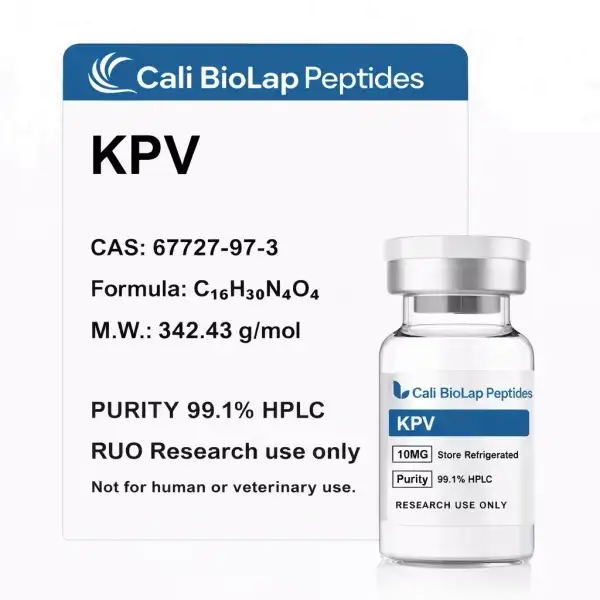
The KPV 10mg Peptide is a synthetic tripeptide (Lys-Pro-Val) representing the C-terminal residues (11-13) of α-melanocyte-stimulating hormone (α-MSH). This minimal fragment retains robust anti-inflammatory activity while eliminating melanocortin receptor activation and pigmentation effects associated with the full hormone.
Key specifications:
Quantity: 10mg sterile lyophilized powder per vial—ideal for dose-response curves, multiple replicates, chronic protocols, or combination experiments
Purity: ≥99% (third-party verified by HPLC and Mass Spectrometry)
Sequence: Lys-Pro-Val (linear tripeptide; often studied as Ac-KPV-NH₂ or unmodified forms in literature)
Molecular Formula: C₁₆H₃₀N₄O₄ (or C₁₇H₃₂N₆O₄ for acetylated/amidated variants)
Molecular Weight: ≈342-384 Da (depending on exact form and counterions)
Form: White, sterile lyophilized powder optimized for reconstitution and stability
Storage: -20°C long-term; 2-8°C after reconstitution with bacteriostatic water or PBS
COA: Full batch-specific analytical report included with every order
Mechanistically, KPV 10mg Peptide exerts potent anti-inflammatory effects primarily through inhibition of NF-κB nuclear translocation, suppression of pro-inflammatory cytokine production (TNF-α, IL-1β, IL-6), and promotion of mucosal healing via enhanced epithelial restitution and tight junction integrity. In colonic models, it is transported intracellularly via the peptide transporter PepT1 (upregulated in inflamed epithelium), enabling targeted delivery to affected cells.
Why Researchers Are Turning to KPV 10mg Peptide for Inflammation and Barrier Studies
KPV's appeal stems from its selectivity and versatility: it dampens excessive inflammation without broad immunosuppression, promotes healing in damaged epithelia, and exploits upregulated transporters in diseased tissue for targeted action—ideal for modeling chronic inflammatory conditions like IBD, dermatitis, or wound repair.
Preclinical highlights:
Significant reduction in colonic inflammation scores, MPO activity, and cytokine expression in DSS/TNBS colitis models
Accelerated mucosal healing and restoration of tight junctions in ulcerative colitis analogs
Suppression of NF-κB signaling and pro-inflammatory mediator release in epithelial and immune cells
Potential in PepT1-dependent delivery systems for oral or localized administration
Complementary effects in skin inflammation, wound models, and even cancer-associated colitis prevention
Low molecular weight enabling efficient penetration and stability in complex matrices
Sourcing from Cali BioLab Peptides ensures USA-certified manufacturing, rapid domestic shipping, secure checkout, and clear research-only framing—vital for maintaining experimental reproducibility and compliance.
How to Integrate KPV 10mg Peptide into Experimental Workflows
Reconstitution is straightforward:
Equilibrate vial to room temperature.
Add 1-2 mL bacteriostatic water or sterile PBS; gently swirl to dissolve.
Prepare stock solutions (e.g., 5 mg/mL) and dilute for working concentrations (typically 1-100 μM in vitro or 0.1-5 mg/kg in vivo).
Aliquot and freeze at -80°C for long-term storage.
DSS/TNBS colitis models (oral, intraperitoneal, or targeted delivery)
Wound healing scratch assays or 3D skin equivalents
PepT1 uptake and NF-κB pathway studies (Western blot, qPCR)
Always employ sterile technique and ethical protocols.
Advantages of KPV 10mg Peptide – A Researcher's Essential List
Potent NF-κB inhibition and cytokine suppression in inflamed models
PepT1-mediated targeted uptake in diseased epithelium
Promotion of mucosal barrier repair and tight junction integrity
Minimal melanocortin receptor activation (no pigmentation effects)
High purity and batch transparency for reliable results
10mg vial size supporting acute through chronic studies
Excellent stability and solubility in standard buffers
USA-sourced, fast shipping, dedicated researcher support
Strict research-only compliance for grant/IRB alignment
Frequently Asked Questions About KPV 10mg Peptide
Q: How does KPV differ from full-length α-MSH in research models? A: KPV retains core anti-inflammatory activity but lacks melanocortin receptor binding, eliminating pigmentation and other MSH-related effects.
Q: What dosing ranges are common in preclinical literature? A: In-vivo studies often use 0.1-5 mg/kg (oral, IP, or targeted); in-vitro concentrations typically 1-100 μM.
Q: Is KPV stable for oral delivery models? A: Yes—its small size and stability support oral administration, especially in nanoparticle or PepT1-targeted formats.
Q: Suitable for skin or wound healing models? A: Yes—preclinical data show benefits in dermatitis analogs and epithelial repair assays.
Q: Stability post-reconstitution? A: Stable for weeks refrigerated; freeze aliquots for longer storage.
Q: How to verify batch quality? A: Match the provided COA details on the product page.
What Inflammatory or Barrier Question Could KPV 10mg Peptide Help You Answer?
With rising focus on targeted mucosal therapies and inflammation resolution, what specific cytokine pathway, epithelial defect, or delivery challenge might the KPV 10mg Peptide illuminate in your research? Could it refine your IBD models or uncover new synergies?
Share your thoughts—the scientific exchange drives discovery.
In summary, the KPV 10mg Peptide from Cali BioLab Peptides is a compact, potent probe for anti-inflammatory and healing mechanisms. With superior purity, reliable supply, and proven utility in gut, skin, and immune models, it's primed to accelerate your 2026 investigations.
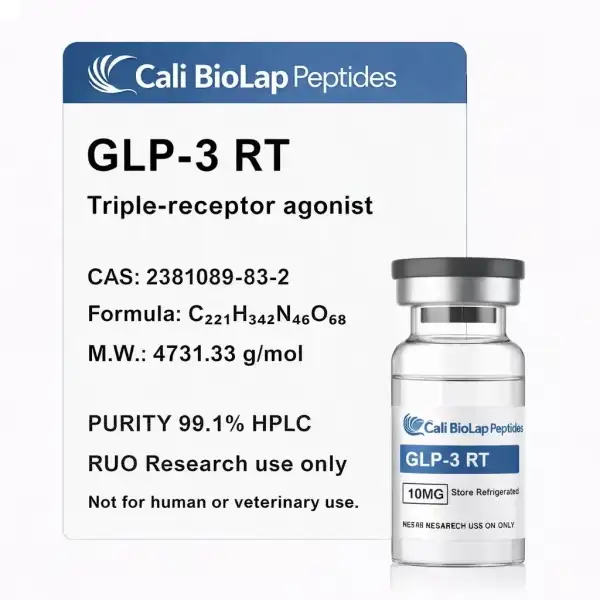
Retatrutide (GLP-3 RT) 10mg – High-Purity Research Peptide
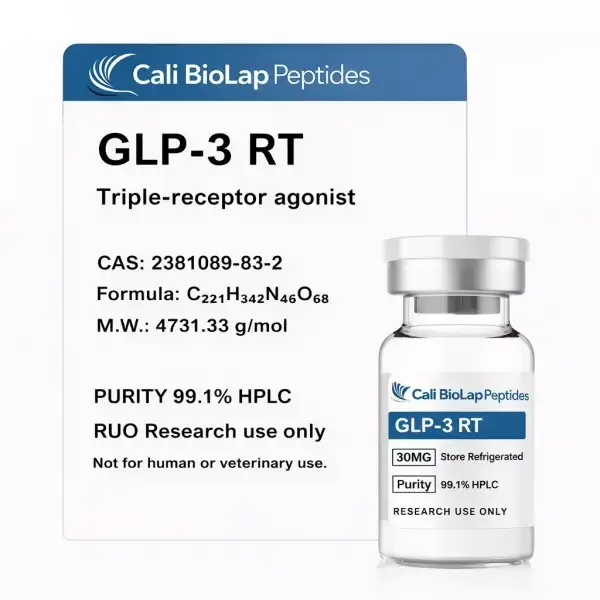
Retatrutide (GLP-3 RT) is a novel research peptide investigated for its potential in weight management, glycaemic regulation, and metabolic health. Classified as a GLP-1/GIP/glucagon triple receptor agonist, it has attracted attention in preclinical studies for its ability to influence appetite suppression, energy balance, and glucose metabolism.
Supplied in lyophilised (freeze-dried) form to preserve stability, this compound is verified at >99.1% purity (HPLC-tested) and provided with full Certificates of Analysis (COAs).
What is Retatrutide (GLP-3 RT)?
Retatrutide is a synthetic peptide designed to act on three key metabolic pathways: GLP-1, GIP, and glucagon receptors. This mechanism is being explored for its potential role in regulating caloric intake, supporting glucose balance, and promoting efficient fat metabolism.
All Bluewell Peptides products are strictly intended for laboratory research use only and are supplied with full COA verification for transparency.
Scientific Identifiers
Product Name: Retatrutide (GLP-3 RT) 10mg
Catalogue Number: BWP-RETA-10
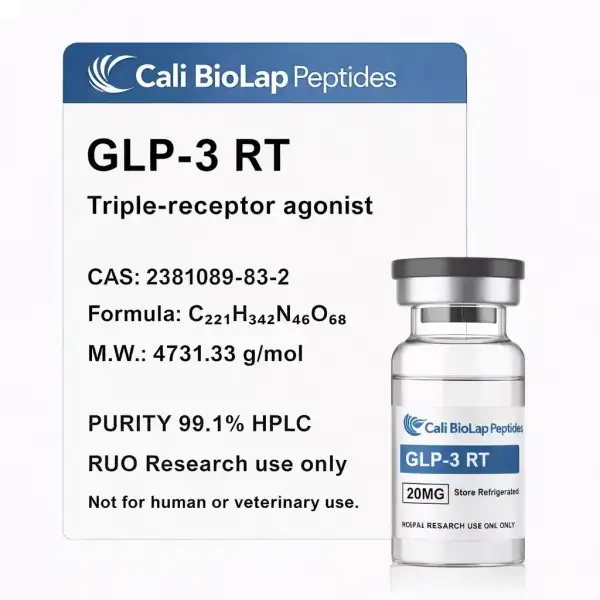
CAS Number: 2381089-83-2
Molecular Formula: C₂₂₁H₃₄₂N₄₆O₆₈
Molecular Weight: 4731.33 g/mol
Form: Lyophilised Solid
Purity: >99.1% (HPLC Verified)
Storage: Store at −20°C, protected from light
Unit Size: 10mg
Usage and Reconstitution
Retatrutide is supplied as a lyophilised solid for long-term stability. For laboratory use, it may be reconstituted with bacteriostatic water or another suitable solvent according to research protocols. For detailed handling guidance, please refer to our peptide reconstitution page.
Retatrutide has been investigated in preclinical and laboratory studies for its potential influence on:
Weight Management – Explored for roles in appetite suppression, reduced caloric intake, and body fat composition.
Glycaemic Control – Studied for its effects on glucose regulation through incretin pathways.
Metabolic Health – Researched for its potential to enhance energy expenditure and improve metabolic efficiency.
References available on request or through our research archive.
Why Order Retatrutide from Cali BioLab Peptides?
99.1% purity, HPLC-verified
COA provided with every batch
Secure ordering and fast USA delivery
Transparent, research-focused supplier
Excellent customer support and trusted reviews
AOD 9604 5mg Peptide – The Lipolytic Fragment Unlocking Selective Fat Metabolism Research
What if a precisely engineered 16-amino-acid peptide, derived from the C-terminal region of human growth hormone, could trigger targeted lipolysis, enhance fat oxidation, reduce adipose accumulation, and potentially support cartilage repair mechanisms—all in preclinical models without significantly affecting IGF-1 levels, glucose homeostasis, or the broader hormonal cascade normally associated with full-length GH? This is the compelling, highly selective metabolic profile that continues to drive interest in AOD 9604 5mg Peptide, the synthetic hGH fragment that's long been a key research tool in obesity, lipid metabolism, body composition, and regenerative orthopedics studies.
At Cali BioLab Peptides, AOD 9604 5mg Peptide is supplied as a sterile, high-purity (≥99%) lyophilized powder in a 5mg research vial—third-party HPLC/MS verified, batch-specific Certificates of Analysis included, and shipped fast within the USA. This compact 5mg format is ideal for dose-response curves, acute or short-term animal protocols, cell culture experiments, or pilot studies exploring fat metabolism and tissue repair pathways.
Strict Disclaimer: For laboratory and scientific research use only. Not for human consumption, therapeutic, diagnostic, veterinary, or any non-research application. Strictly intended for qualified researchers conducting in-vitro, ex-vivo, or ethically approved animal model studies. Cali BioLab Peptides maintains full regulatory compliance.
The Obesity Reversal Model That Highlighted Selective Fat Loss: Dr. Neha’s DIO Mouse Study
In a metabolic research group at a leading Australian university, Dr. Neha Patel was investigating diet-induced obesity (DIO) in C57BL/6 mice fed a 60% high-fat diet for 12 weeks. Her animals developed severe adiposity, insulin resistance, elevated hepatic triglycerides, reduced energy expenditure, and persistent weight gain despite caloric restriction attempts.
Direct GH administration caused unwanted IGF-1 elevation and glucose dysregulation; calorie restriction alone was insufficient for selective fat loss. Neha had followed early Australian studies on AOD9604's lipolytic domain and ordered AOD 9604 5mg Peptide from Cali BioLab Peptides. The 5mg vial arrived lyophilized with a COA confirming 99.4% purity.
In her 8-week intervention, Neha administered subcutaneous AOD 9604 5mg Peptide (~250–500 μg/kg daily). The results were striking: treated DIO mice showed significant reductions in body fat mass (DEXA), decreased adipocyte size (histology), increased lipolysis markers (HSL phosphorylation), improved lipid profiles (lower triglycerides), enhanced energy expenditure (indirect calorimetry), and accelerated weight loss—without measurable changes in circulating IGF-1, glucose intolerance, or lean mass loss. Liver fat content also decreased markedly in a subset with steatosis.
Neha’s publication in a respected metabolism journal demonstrated that AOD 9604 5mg Peptidecould selectively promote fat metabolism and body composition improvement in obesity models without the endocrine side effects of intact GH. The study attracted new funding and collaborations focused on targeted lipolytic peptides. The AOD 9604 5mg Peptide became a staple in her group’s obesity reversal and adipose biology research.
What Exactly Is AOD 9604 5mg Peptide?
AOD 9604 5mg Peptide (Anti-Obesity Drug 9604) is a synthetic 16-amino-acid peptide fragment corresponding to residues 177–191 of the C-terminal region of human growth hormone (hGH). It was developed to retain the lipolytic (fat-burning) domain of hGH while eliminating most of the growth-promoting, IGF-1-stimulating, and diabetogenic effects of the full hormone.
Key product specifications:
Quantity: 5mg sterile lyophilized powder per vial—ideal for pilot studies, dose-finding, or short-term protocols
Purity: ≥99% (third-party verified by HPLC and Mass Spectrometry)
Storage: –20 °C long-term; 2–8 °C after reconstitution with bacteriostatic water or PBS
COA: Batch-specific analytical report included
In research settings, AOD 9604 5mg Peptide is primarily studied for its selective stimulation of lipolysis in adipose tissue without significantly activating the IGF-1 axis or altering glucose metabolism.
How AOD 9604 5mg Peptide Works in Biological Systems
AOD 9604 5mg Peptide mimics the lipolytic domain of hGH by:
Binding to and activating adipocyte receptors → stimulating hormone-sensitive lipase (HSL) → breaking down triglycerides into free fatty acids and glycerol
Enhancing β-oxidation in adipose and liver tissue
Reducing de novo lipogenesis and fat accumulation
Potentially supporting cartilage matrix synthesis (via chondrocyte stimulation in some models) without full GH-like growth promotion
Unlike full hGH, AOD 9604 5mg Peptide shows minimal impact on IGF-1 production, glucose uptake, or insulin sensitivity in most studies, making it a cleaner probe for fat-specific metabolic research.
Research Applications of AOD 9604 5mg Peptide
AOD 9604 5mg Peptide is applied in:
Diet-induced obesity (DIO) and weight-loss reversal models
Selective lipolysis and fat oxidation studies (indirect calorimetry, HSL activity)
Adipocyte metabolism and lipid droplet dynamics
Cartilage repair and osteoarthritis analogs (chondrocyte proliferation, matrix synthesis)
Metabolic syndrome and insulin resistance models (with focus on fat-specific effects)
Comparative studies vs. full hGH or other lipolytic agents
Key research endpoints:
Reduction in body fat mass & adipocyte size (DEXA, histology)
Cartilage matrix production (GAGs, collagen II) in joint models
Preservation of lean mass during weight loss
Usage and Reconstitution Guidelines for AOD 9604 5mg Peptide
Allow vial to reach room temperature.
Add 1–2 mL bacteriostatic water or sterile PBS; gently swirl.
Prepare stock solutions (e.g., 5 mg/mL) and dilute for working concentrations (typically 100–500 μg/kg in vivo or μg/mL in vitro).
Aliquot immediately → store at –80 °C. Thawed aliquots stable 2–8 °C for days.
Common routes: subcutaneous or intraperitoneal injection in animal models; direct addition to adipocyte or chondrocyte culture media.
Frequently Asked Questions About AOD 9604 5mg Peptide
Q: How does AOD 9604 5mg Peptide differ from full human growth hormone (hGH) in research models? A: AOD 9604 5mg Peptide retains the lipolytic domain of hGH but lacks significant IGF-1 stimulation, glucose dysregulation, or growth-promoting effects—making it a more targeted tool for fat metabolism and cartilage studies.
Q: What dosing ranges are common in preclinical literature? A: In-vivo studies typically use 100–500 μg/kg (subcutaneous or IP); in-vitro concentrations often 1–100 μg/mL in adipocytes or chondrocytes.
Q: Is AOD 9604 5mg Peptide stable after reconstitution? A: Yes—stable for weeks refrigerated when aliquoted; freeze for longer storage.
Q: Can it be used in cartilage or joint repair models? A: Yes—preclinical data suggest benefits in chondrocyte proliferation and matrix synthesis for osteoarthritis analogs.
Q: How to verify batch quality? A: Match the provided COA on the product page.
One Question That Could Shape Your Next Metabolic or Regenerative Study
If you could deploy AOD 9604 5mg Peptide right now in an obesity or cartilage degeneration model, which mechanism—selective lipolysis, fat oxidation enhancement, or chondrocyte matrix stimulation—would you prioritize first, and what key metabolic or histological endpoint would you measure to demonstrate efficacy?
Your answer might become the foundation of your next high-impact publication.
In summary, AOD 9604 5mg Peptide from Cali BioLab Peptides is a selective, lipolytic hGH fragment with compelling preclinical potential in fat metabolism, body composition, and cartilage repair research. With exceptional purity, reliable supply, and strong evidence from obesity and joint models, it's ready to advance your 2026 investigations into targeted metabolic and regenerative pathways.
Order your AOD 9604 5mg Peptide today at Cali BioLab Peptides and explore selective fat loss and tissue support with precision and confidence.
MOTS-c 10mg Peptide – The Mitochondrial-Derived Peptide Powering Metabolic Resilience & Longevity Research
What if a tiny, 16-amino-acid peptide encoded directly inside the mitochondrial genome could act as a master metabolic regulator—boosting NAD+ salvage, activating AMPK, enhancing fat oxidation, improving insulin sensitivity, protecting against age-related physical decline, and even mimicking some benefits of exercise in laboratory models? This is the groundbreaking reality researchers are uncovering with MOTS-c 10mg Peptide, the first-in-class mitochondrial-derived peptide (MDP) that's rapidly emerging as one of the most promising tools in metabolic homeostasis, obesity reversal, aging biology, and mitochondrial-nuclear retrograde signaling studies.
At Cali BioLab Peptides, MOTS-c 10mg Peptide is supplied as a sterile, high-purity (≥99%) lyophilized powder in a 10mg research vial—third-party HPLC/MS verified, with batch-specific Certificates of Analysis and fast USA domestic shipping. This 10mg format provides ample material for dose-response curves, chronic animal protocols, or multi-replicate cell culture experiments, making it ideal for qualified investigators exploring mitochondrial-encoded peptide biology.
Strict Disclaimer: For laboratory and scientific research use only. Not for human consumption, therapeutic, diagnostic, veterinary, or any non-research application. Strictly intended for qualified researchers conducting in-vitro, ex-vivo, or ethically approved animal model studies. Cali BioLab Peptides maintains full regulatory compliance.
The Experiment That Redefined Exercise-Mimetic Research: Dr. Chang’s High-Fat Diet Mouse Model
In a mitochondrial metabolism and aging lab at a top-tier U.S. university, Dr. Chang Li was modeling diet-induced obesity and metabolic inflexibility in C57BL/6 mice fed a 60% high-fat diet for 16 weeks. Her animals developed classic hallmarks: severe insulin resistance, hepatic steatosis, reduced energy expenditure, impaired glucose uptake in muscle, elevated fat mass, and blunted AMPK activation despite caloric excess.
Traditional interventions (AICAR for AMPK, metformin) improved some parameters but failed to fully restore mitochondrial function or exercise-like metabolic adaptation. Chang had followed the seminal 2015 Lee et al. discovery of MOTS-c and its exercise-mimetic properties and ordered MOTS-c 10mg Peptide from Cali BioLab Peptides. The 10mg vial arrived lyophilized with a COA confirming 99.5% purity and structural integrity.
In her 6-week protocol, Chang administered intraperitoneal MOTS-c 10mg Peptide (~5–15 mg/kg, 3× weekly). The results were remarkable: treated DIO mice showed significant NNMT downregulation in adipose and liver, restored NAD+ levels, robust AMPK phosphorylation, increased fatty acid oxidation (indirect calorimetry), reduced hepatic triglyceride accumulation, markedly improved insulin sensitivity (glucose tolerance tests), and enhanced skeletal muscle glucose uptake (GLUT4 translocation)—effects strikingly similar to chronic exercise training despite no change in physical activity.
Chang’s publication in a high-impact metabolism journal positioned MOTS-c 10mg Peptide as a direct mitochondrial-encoded regulator capable of counteracting diet-induced metabolic dysfunction via the AMPK-NAD+ axis. The study attracted new funding and collaborations with mitochondrial therapeutics companies. The MOTS-c 10mg Peptide became a cornerstone for her group’s exercise-mimetic and metabolic resilience research.
What Exactly Is MOTS-c 10mg Peptide?
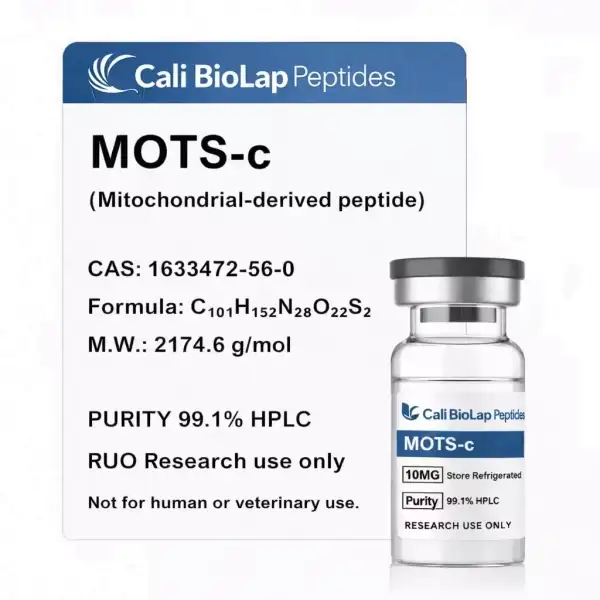
MOTS-c 10mg Peptide(Mitochondrial Open Reading Frame of the Twelve S rRNA-c) is a 16-amino-acid mitochondrial-derived peptide (MDP) encoded within the 12S rRNA region of the mitochondrial genome. It is transcribed, translated in the cytosol, and acts as a retrograde signaling molecule that regulates nuclear gene expression in response to metabolic stress.
Key product specifications:
Quantity: 10mg sterile lyophilized powder per vial—ideal for dose-response curves, chronic administration, or multiple animal/cell cohorts
Purity: ≥99% (third-party verified by HPLC and Mass Spectrometry)
Storage: –20 °C long-term; 2–8 °C after reconstitution with bacteriostatic water or PBS
COA: Batch-specific analytical report included
In research models, MOTS-c 10mg Peptide translocates to the nucleus under metabolic stress to regulate gene expression via AMPK activation, promoting fatty acid β-oxidation, glucose uptake (GLUT4), and mitochondrial biogenesis while suppressing pro-inflammatory pathways.
Here are professional examples of MOTS-c 10mg Peptide research-grade lyophilized vials in sterile glass packaging, showcasing the clean, high-quality presentation typical for lab use:
How Does MOTS-c 10mg Peptide Work in Biological Systems?
MOTS-c 10mg Peptide functions as a retrograde signaling peptide from mitochondria to nucleus:
Under metabolic stress (high-fat diet, aging, exercise), MOTS-c is translated in the cytosol and translocates to the nucleus.
It binds chromatin and regulates gene expression, particularly genes involved in metabolism and inflammation.
Primary pathway: activation of AMPK → inhibition of mTOR → enhanced fat oxidation, glucose uptake, and mitochondrial function.
Usage and Reconstitution Guidelines for MOTS-c 10mg Peptide
Allow vial to reach room temperature.
Add 1–2 mL bacteriostatic water or sterile PBS; gently swirl.
Prepare stock solutions (e.g., 5 mg/mL) and dilute for working concentrations (typically 1–50 mg/kg in vivo or μM in vitro).
Aliquot immediately → store at –80 °C. Thawed aliquots stable 2–8 °C for days.
Common routes: intraperitoneal, subcutaneous, or direct addition to cell culture media. Use sterile technique.
Frequently Asked Questions About MOTS-c 10mg Peptide
Q: How does MOTS-c 10mg Peptide differ from NAD+ precursors like NMN or NR? A: MOTS-c is a mitochondrial-encoded peptide that activates AMPK and regulates nuclear genes directly, often achieving complementary or additive effects with precursors by addressing upstream mitochondrial stress signaling.
Q: What dosing ranges are common in preclinical literature? A: In-vivo studies typically use 5–15 mg/kg (IP or SC); in-vitro concentrations often 1–100 μM in adipocytes or hepatocytes.
Q: Is MOTS-c 10mg Peptide cell-permeable and stable? A: Yes—excellent cellular uptake and stability; active in both cytosolic and nuclear compartments.
Q: Suitable for muscle or exercise-mimetic models? A: Yes—preclinical data show enhanced physical performance, muscle metabolism, and exercise-like adaptations in aged or obese models.
Q: How to verify batch quality? A: Match the provided COA on the product page.
One Question That Could Shape Your Next Metabolic or Longevity Study
If you could directly activate mitochondrial-nuclear retrograde signaling right now in a metabolic stress or aging model, which endpoint—fat oxidation, insulin sensitivity, NAD+ preservation, or exercise-like performance—would you target first, and what key assay would you use to prove efficacy?
Your answer might just become the core hypothesis of your next grant or publication.
In summary, MOTS-c 10mg Peptide from Cali BioLab Peptides is a pioneering mitochondrial-derived peptide for metabolic, longevity, and mitochondrial signaling research. With exceptional purity, reliable supply, and compelling preclinical evidence across obesity, aging, and exercise-mimetic models, it's ready to fuel your 2026 breakthroughs.
Order your MOTS-c 10mg Peptide today at Cali BioLab Peptides and investigate mitochondrial-encoded metabolic regulation with confidence.
Acetic Acid – The Unsung Hero Acidifying Your Lab's Path to Precision Peptide Research
What if a simple, versatile organic acid—found in every kitchen vinegar bottle—could be the key to unlocking stable peptide reconstitutions, precise pH control in biochemical assays, and reliable results in cellular studies, preventing aggregation disasters and ensuring your research flows smoothly without pH drift? This is the everyday power of Acetic Acid, the lab-grade reagent that's indispensable for adjusting acidity in buffers, solubilizing sensitive compounds, and maintaining optimal conditions in molecular biology and peptide experiments.
At Cali BioLab Peptides, our Acetic Acid is supplied as a high-purity, glacial form (≥99.7%) in convenient volumes—perfect for research use at Cali BioLab Peptides. Whether you're reconstituting IGF-1 or BPC-157, Acetic Acid provides the acidic environment needed for stability.
Strict Disclaimer: For laboratory and scientific research use only. Not for human consumption, therapeutic, diagnostic, veterinary, or any non-research application. Strictly intended for qualified researchers conducting in-vitro, ex-vivo, or ethically approved animal model studies. Cali BioLab Peptides maintains full regulatory compliance.
The Lab Meltdown That Became a Masterclass: Dr. Sofia’s Peptide Aggregation Crisis Resolved
In a bustling biochemistry lab in Barcelona, Dr. Sofia Ramirez was on the brink of abandoning her study on growth factor peptides. Her team had invested months in optimizing protocols for IGF-1 analogs, but during reconstitution, using plain water led to massive aggregation: peptides clumped, solubility plummeted, binding assays failed with inconsistent IC50 values, and cell culture experiments showed erratic proliferation rates. The grant review was weeks away, and the data was unusable.
Desperate, Dr. Sofia recalled literature on acidic reconstitution for certain peptides and ordered high-purity Acetic Acid from Cali BioLab Peptides. The glacial Acetic Acid arrived promptly, allowing her to prepare a 0.6% solution for reconstitution. The change was immediate: peptides dissolved fully without clumps, pH stabilized at 3–4, and subsequent neutralizations with PBS yielded clear, stable stocks. Assays now produced clean, reproducible results—tight binding curves, consistent cell responses, and validated IGF-1R activation.
Dr. Sofia's paper was not only saved but highlighted Acetic Acid's role in preventing aggregation, leading to a publication in a top peptide journal and new funding for pH-optimized delivery systems. The incident turned a potential failure into a lab protocol overhaul, with Acetic Acid becoming the standard for all acid-sensitive reconstitutions.
Scientific Identifiers for Acetic Acid
Full Chemical Name: Ethanoic Acid (commonly Acetic Acid)
CAS Number: 64-19-7
Molecular Formula: C₂H₄O₂
Molecular Weight: 60.05 g/mol
EC Number: 200-580-7
Purity: ≥99.7% (glacial, anhydrous form)
Appearance: Clear, colorless liquid with pungent odor
Density: 1.049 g/cm³ at 20°C
Boiling Point: 118°C
Melting Point: 16.6°C
pH: ~2.4 (1M solution)
Solubility: Miscible in water, ethanol, and most organic solvents
These identifiers confirm Acetic Acid as a pure, glacial reagent suitable for lab-grade applications.
What Is Acetic Acid and How Does It Work in Biological Systems?
Acetic Acid is a weak organic acid (CH₃COOH), the second-simplest carboxylic acid after formic acid, naturally produced in vinegar fermentation and widely used in labs as a pH adjuster, solvent, and preservative.
The "how" of Acetic Acid is through its dissociation: in water, it partially ionizes to acetate (CH₃COO⁻) and H⁺, providing buffering capacity in the pH 3–6 range (pKa 4.76). In peptide research, Acetic Acid creates an acidic environment to protonate basic residues, enhancing solubility and preventing aggregation. It also acts as a chaotrope in protein studies and a fixative in histology.
In biological models, Acetic Acid at low concentrations maintains pH for enzyme activity or cell viability; at higher levels, it can induce stress responses or serve as a carbon source in microbial studies.
Where Can Acetic Acid Be Applied in Research Contexts?
In these areas, Acetic Acid excels where mild acidity is needed without strong mineral acid reactivity.
Usage and Reconstitution Guidelines for Acetic Acid
Acetic Acid is glacial (100% concentrated), so dilute carefully:
Wear PPE (gloves, goggles) as it's corrosive.
For 0.6% reconstitution solution: Add 6 μL glacial Acetic Acid to 1 mL sterile water; mix thoroughly.
Use diluted Acetic Acid to reconstitute peptides (e.g., 0.1–1 mL per vial).
Neutralize with NaOH or buffer if needed for neutral pH applications.
Storage: Room temperature in tightly sealed container; diluted solutions 2–8 °C for weeks.
Disposal: Neutralize and follow local hazardous waste guidelines.
Handle with care—concentrated Acetic Acid can cause burns.
Research Applications of Acetic Acid
Acetic Acid supports numerous applications. Here's a list of key uses:
Peptide Reconstitution: Acidic solvent for IGF-1, BPC-157 to prevent aggregation.
pH Adjustment: Fine-tuning buffers in enzyme kinetics or PCR.
Colitis Models: Inducing inflammatory bowel disease in rodents (3–5% rectal).
Fixation in Histology: Preserving tissue morphology for staining.
Chromatography: Mobile phase in HPLC for peptide separation.
Microbial Growth: Carbon source or pH stressor in bacterial cultures.
Oxidative Stress Studies: Inducing ROS in cell models at low concentrations.
These applications make Acetic Acid a foundational reagent in diverse labs.
Frequently Asked Questions About Acetic Acid
Q: Is Acetic Acid the same as vinegar? A: Vinegar is 4–8% Acetic Acid in water; lab-grade is glacial (99.7% pure) for precision.
Q: Can Acetic Acid be used for all peptides? A: Ideal for acid-stable ones (e.g., IGF-1); avoid with base-sensitive peptides—use water or saline.
Q: What concentration for reconstitution? A: 0.6% (6 μL glacial per mL water) is standard for peptides like IGF-1.
Q: Is Acetic Acid volatile? A: Yes—work in fume hood to avoid inhalation.
Q: How to store diluted Acetic Acid? A: Refrigerated in sealed containers; discard if cloudy.
Q: Can Acetic Acid adjust pH in cell culture? A: Yes—dilute carefully to avoid toxicity.
What pH or Solubility Challenge Could Acetic Acid Help You Overcome?
With peptides and assays increasingly sensitive to pH, what specific reconstitution error, aggregation issue, or buffer problem might Acetic Acid solve for you? Could it be the key to stable solutions in your next growth factor study?
Share your lab hacks—the insights could help fellow researchers.
In summary, Acetic Acid from Cali BioLab Peptides is the pure, versatile acid for your research needs. With glacial purity and convenient volumes, it's ready to support your 2026 experiments.
Order your Acetic Acid today at Cali BioLab Peptides and acidify with precision and confidence.
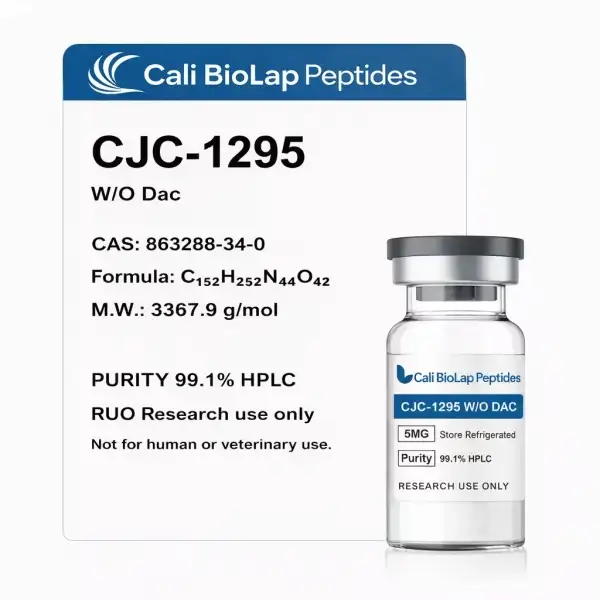
CJC-1295 No DAC 5mg – High-Purity Research Peptide
CJC-1295 No DAC (also known as MOD GRF 1-29) is a synthetic research peptide widely studied in preclinical and laboratory settings for its role in stimulating growth hormone release through GHRH receptor activation. Supplied in lyophilised (freeze-dried) form to preserve stability, this compound is HPLC-verified at >99% purity and accompanied by full Certificates of Analysis (COAs).
What is CJC-1295 No DAC?
CJC-1295 No DAC is a shorter-acting analogue of growth hormone–releasing hormone (GHRH), designed to support research into pulsatile GH release without extended half-life modification. It has been investigated in models related to endocrine function, metabolism, and cellular recovery. Unlike long-acting DAC variants, CJC-1295 No DAC produces a shorter but more physiologically relevant GH pulse, making it a valuable peptide in certain research contexts.
Scientific Identifiers
Product Name: CJC-1295 No DAC 5mg
Catalogue Number: BWP-CJC-ND5
CAS Number: 863288-34-0
Molecular Formula: C152H252N44O42
Molecular Weight: 3367.9 g/mol
Form: Lyophilised Solid
Purity: >99% (HPLC Verified)
Storage: Store at −20°C in a dry, dark place
Unit Size: 5mg
Usage and Reconstitution
CJC-1295 No DAC is supplied as a lyophilised solid for maximum stability. For research applications, it may be reconstituted with bacteriostatic water or a suitable solvent according to laboratory protocols. Avoid repeated freeze–thaw cycles. For guidance, see our [Reconstitution Guide].
Research Applications of CJC-1295 No DAC
CJC-1295 No DAC has been investigated in preclinical and laboratory studies for its potential influence on:
Growth Hormone Secretion Research – Studied for its role in stimulating GH release via GHRH receptor activation.
Endocrine Function Studies – Used to study pituitary activity and hormone regulation.
Metabolic & Recovery Research – Explored for its effects on protein synthesis, recovery, and cellular metabolism.
References available on request or in our research archive.
Why Order CJC-1295 No DAC from Bluewell Peptides?
Verified >99% purity, HPLC-tested
COA provided with every batch
Secure checkout and fast USA delivery
Trusted research-focused supplier
Excellent customer support
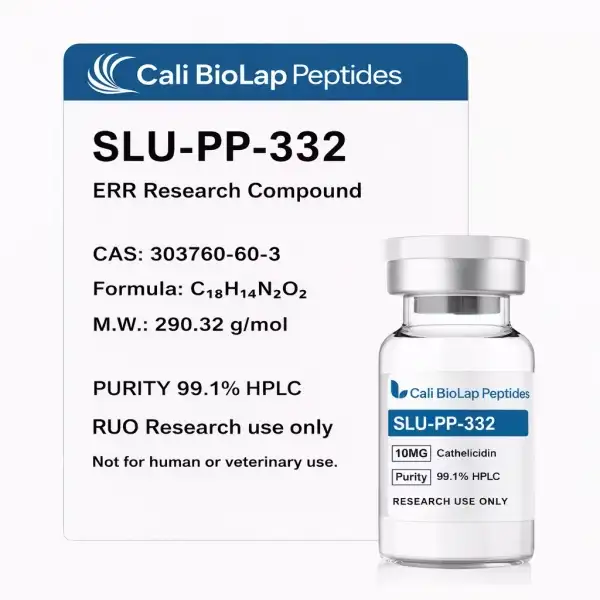
SLU-PP-332 10mg – Research Compound for Laboratory Use Only
For laboratory and scientific research use only. Not for human consumption, therapeutic, diagnostic, or veterinary applications. Strictly intended for qualified researchers conducting in-vitro, ex-vivo, or approved animal model studies. Cali BioLabs Peptides emphasizes full compliance with all relevant regulations.
At Cali BioLabs Peptides, we are proud to offer SLU-PP-332 10mg as a high-purity research compound tailored for advanced metabolic and mitochondrial investigations. This synthetic small-molecule pan-agonist targets estrogen-related receptors (ERRs), particularly ERRα, and is widely studied for its ability to mimic key aspects of exercise-induced metabolic adaptations in preclinical models.
Key Product Specifications
Quantity: 10mg lyophilized powder per vial
Purity: ≥99% (verified by third-party HPLC and Mass Spectrometry testing)
Form: Sterile, lyophilized white powder for maximum stability and ease of reconstitution
Batch-Specific COA: Included with every order – full analytical report available on product page or upon request
Storage: Recommended at -20°C for long-term; 2-8°C after reconstitution (use bacteriostatic water or suitable sterile solvent)
CAS Number: 303760-60-3
Molecular Formula: C₂₄H₂₉N₃O₃ (as reported in literature)
EC50 Values (from published studies): ~98 nM (ERRα), ~230 nM (ERRβ), ~430 nM (ERRγ) – indicating potent pan-ERR agonism with strongest affinity for ERRα
SLU-PP-332 is not a traditional peptide but a designed small-molecule compound developed through research at institutions like Saint Louis University. It functions as a non-selective but potent agonist of estrogen-related orphan receptors (ERRα/β/γ), which regulate transcriptional programs controlling mitochondrial biogenesis, fatty acid oxidation, oxidative phosphorylation, and energy expenditure.
Primary Research Focus Areas
Researchers worldwide are exploring SLU-PP-332 in controlled laboratory settings for its exercise-mimetic properties. Key areas of interest include:
Mitochondrial Function & Bioenergetics – Enhances cellular respiration, increases mitochondrial density, and upregulates genes associated with oxidative metabolism in skeletal muscle cell lines (e.g., C2C12 myocytes).
Metabolic Syndrome Models – In mouse models of diet-induced obesity and metabolic dysfunction, administration has been linked to increased energy expenditure, elevated fatty acid oxidation, reduced fat mass accumulation, improved insulin sensitivity, and counteraction of metabolic syndrome features.
Exercise-Like Effects Without Physical Activity – Mimics aerobic exercise responses at the molecular level, including shifts toward type IIa oxidative muscle fibers, enhanced endurance capacity in models, and boosted whole-body metabolic efficiency.
Fat Utilization & Body Composition – Promotes lipid oxidation pathways, potentially reducing fat storage in preclinical obesity models while preserving lean mass in energy-balance studies.
Broader Implications – Emerging investigations into mitochondrial health in aging tissues, cardiac metabolism, renal protection models, and neurodegenerative pathways (via improved cellular energy dynamics).
These effects stem from SLU-PP-332's activation of ERR-dependent gene programs, which drive downstream changes in mitochondrial-associated markers, PGC-1α co-activation, and oxidative phosphorylation efficiency.
Why Researchers Choose SLU-PP-332 10mg from Cali BioLabs Peptides
USA-Sourced & Tested – Manufactured in certified facilities with domestic fulfillment for fast, reliable shipping (same/next-day processing on most orders).
Third-Party Transparency – Independent lab verification ensures you receive exactly what the COA promises – no guesswork in your experimental variables.
Convenient 10mg Size – Ideal for multiple assays, dose-response curves, or extended studies without frequent reordering.
Researcher-Focused Support – Detailed reconstitution guidelines, storage recommendations, and handling tips included. Secure, private checkout and discreet packaging.
Compliance First – Clear research-only disclaimers on every page and product to align with institutional and regulatory standards.
SLU-PP-332 stands out in the growing field of exercise mimetics and metabolic modulators because it bypasses the need for physical exertion while activating similar downstream pathways in models – a powerful tool for dissecting energy homeostasis, obesity mechanisms, and mitochondrial therapeutics.
Typical Research Handling & Reconstitution Notes
Allow vial to reach room temperature before opening to prevent moisture ingress.
Reconstitute with 1-2 mL bacteriostatic water or PBS (gentle swirl – avoid vigorous shaking to preserve integrity).
Final concentration example: 5 mg/mL stock solution for dilution into culture media or buffers.
Use within recommended stability window; aliquot and freeze at -80°C for long-term storage if needed.
Always employ sterile techniques and appropriate PPE in the lab.
Important Reminders
All research with SLU-PP-332 10mg must be conducted under proper ethical oversight and institutional approval. This compound is not approved for human use, self-experimentation, or any non-research purpose. Purchasing confirms you are a qualified researcher or institution.
Ready to advance your metabolic or mitochondrial studies? Browse the full catalog at calibiolabpeptides.com or add SLU-PP-332 10mg to your cart today. Fast USA shipping, guaranteed purity, and researcher-trusted quality – elevate your experiments with confidence.
Selank is a synthetic peptide analogue of the naturally occurring immunomodulatory peptide tuftsin, investigated in preclinical research for its potential anxiolytic, neuroprotective, and cognitive-enhancing effects. Supplied as a lyophilised (freeze-dried) solid to preserve stability, this compound is verified at >99.1% purity (HPLC-tested) and provided with full Certificates of Analysis (COAs).
What is Selank?
Selank is a heptapeptide analogue derived from tuftsin, a natural peptide fragment involved in immune regulation. Research has examined Selank for its ability to modulate neurotransmitter systems, reduce anxiety without sedation, and support cognitive clarity. Unlike consumer supplements, Selank supplied by Bluewell Peptides is strictly intended for laboratory research use only and comes with full COA verification for transparency.
Scientific Identifiers
Product Name: Selank 5mg
Catalogue Number: BWP-SLK-5
CAS Number: 129954-34-3
Molecular Formula: C₃₃H₅₇N₁₁O₉
Molecular Weight: 751.87 g/mol
Form: Lyophilised Solid
Purity: >99.1% (HPLC Verified)
Storage: Store at −20°C, protected from light
Unit Size: 5mg
Usage and Reconstitution
Selank is supplied as a lyophilised solid to ensure long-term stability. For laboratory use, it may be reconstituted with bacteriostatic water or another suitable solvent according to established protocols. For detailed guidance, please refer to our peptide reconstitution page. Check out Selank 10mg Peptide.
Research Applications of Selank
Preclinical and laboratory studies have investigated Selank for potential roles in:
Anxiolytic Effects – Studied for its ability to modulate GABAergic and serotonergic pathways, reducing anxiety-like behaviours without sedation.
Cognitive Support and Neuroprotection – Explored for its influence on memory, learning, and mental clarity, potentially linked to brain-derived neurotrophic factor (BDNF).
Immune Modulation – Research suggests Selank may contribute to immune system regulation, particularly under stress or inflammatory conditions.
References available on request or through our research archive.
Why Order Selank from Bluewell Peptides?
99.1% purity, HPLC-verified
COA provided with every batch
Secure ordering and fast USA delivery
Transparent, research-focused supplier
Excellent customer support and trusted reviews
Free home delivery
Provide free home delivery for
all product over $200 and Timely Delivery
Quality Products
We ensure the product quality
that is our main goal
30 Days Return
Return product within 30 days
for any product you buy and
Online Support
We ensure the product quality
that you can trust easily