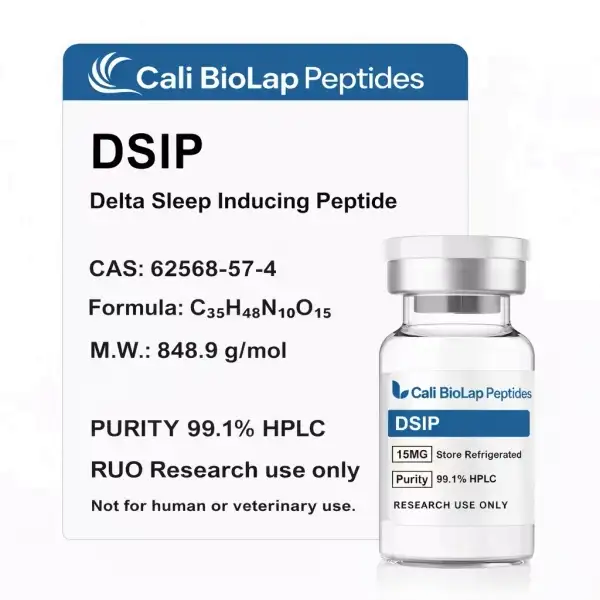
What if a small peptide could become one of the most discussed compounds in sleep-related neuropeptide research? Across scientific and laboratory communities, DSIP 5mg–15mg Peptide continues to attract attention for its involvement in studies exploring sleep regulation pathways, stress-response mechanisms, and neurochemical signalling models.
As peptide science continues to expand across the UK and global research environments, scientists increasingly rely on suppliers who can provide professionally handled compounds with consistent quality standards, secure packaging, and transparent fulfilment processes. At Research Peptides UK, we supply research compounds intended strictly for laboratory and scientific applications.
The DSIP 5mg–15mg Peptide is carefully handled under strict quality-focused procedures, with fast UK dispatch and secure packaging designed to support dependable laboratory sourcing.
What Is DSIP 5mg–15mg Peptide?
DSIP (Delta Sleep-Inducing Peptide) 5mg–15mg is a synthetic neuropeptide commonly studied within laboratory research focused on sleep regulation, stress response systems, and neurochemical signalling pathways. Within scientific literature, DSIP is frequently referenced in investigations exploring circadian rhythm modulation and central nervous system peptide interactions.
Researchers commonly explore DSIP in relation to:
Sleep regulation pathway studies
Neurochemical signalling research
Stress-response mechanism analysis
Circadian rhythm modelling
Central nervous system peptide interaction studies
As interest in neuropeptide science continues to grow, DSIP has become a widely referenced compound in experimental neuroscience and peptide-based research environments.
Researchers searching for DSIP peptides in the UK typically prioritise:
Reliable supply chains
Secure packaging standards
Fast UK dispatch
Transparent product information
Controlled inventory systems
Professional customer support
Research Peptides UK continues meeting these expectations through structured fulfilment processes and carefully managed research product handling.
Why Researchers Are Exploring DSIP 5mg–15mg Peptide
Scientific interest in DSIP continues to expand due to its relevance in sleep regulation and neurochemical signalling research.
Within laboratory environments, DSIP is commonly investigated in areas such as:
Sleep cycle regulation studies
Stress response system research
Neurotransmitter signalling analysis
Circadian rhythm investigations
Peptide-based neurological modelling
As peptide science evolves, researchers increasingly require dependable UK suppliers capable of maintaining consistent quality standards and secure fulfilment systems.
Product Quality & Handling Standards
At Research Peptides UK, quality assurance and professional fulfilment remain central to our operations.
Every DSIP 5mg–15mg Peptide order is handled according to strict procedures designed to ensure:
Controlled storage conditions
Secure packaging processes
Consistent product quality across batches
Fast UK dispatch services
Tracked shipping options
Reliable fulfilment systems
Researchers sourcing peptides online increasingly prioritise suppliers that offer transparency, secure ordering systems, and dependable logistics.
Why Is DSIP Generating Scientific Attention?
The growing discussion surrounding DSIP 5mg–15mg Peptide reflects increasing scientific interest in sleep regulation and neurochemical signalling pathways.
Researchers continue exploring DSIP within laboratory settings focused on:
Sleep modulation research
Neuroendocrine signalling pathways
Stress response analysis
Circadian rhythm studies
Advanced neurological modelling
Are you searching for a trusted UK supplier offering professionally handled research peptides with secure delivery and consistent fulfilment standards?
Research Peptides UK continues supporting scientific professionals and independent researchers through carefully managed compounds and transparent service systems.
Customer Testimonials
“Very smooth experience”
“I ordered DSIP 5mg–15mg Peptide and everything went perfectly. Fast shipping, secure packaging, and professional communication throughout.” – Daniel H.
“Reliable UK supplier”
“The ordering process was simple and efficient. Tracking updates were accurate and the product arrived quickly.” – Rebecca M.
“Consistent quality service”
“I’ve used multiple peptide suppliers, but this one stands out for reliability and speed. Very professional overall.” – James T.
“Highly recommended”
“Everything from checkout to delivery felt well organised and secure. Excellent communication and fast dispatch.” – Michael R.
Frequently Asked Questions
What is DSIP 5mg–15mg Peptide commonly researched for?
DSIP 5mg–15mg Peptide is commonly explored within laboratory research involving sleep regulation pathways, stress-response mechanisms, neurochemical signalling studies, and circadian rhythm modelling.
Is DSIP available in the UK?
Yes, DSIP 5mg–15mg Peptide is available through UK-based research suppliers specialising in laboratory-grade compounds intended strictly for scientific research use.
How should DSIP peptides be stored?
Researchers typically store DSIP under controlled laboratory conditions designed to maintain stability, consistency, and product integrity throughout research applications.
Why is sleep research important?
Sleep research is important because it helps scientists understand circadian regulation, neurological recovery processes, and broader neurochemical signalling systems.
Research Interest & Scientific Exploration
DSIP continues to gain attention in peptide research communities due to its role in sleep and neurochemical signalling studies.
Researchers frequently explore DSIP in contexts involving:
Sleep cycle regulation
Stress-response pathways
Neuroendocrine signalling
Circadian rhythm research
Advanced neurological investigations
As peptide science continues evolving, researchers increasingly prioritise suppliers capable of delivering consistent quality, secure fulfilment, and transparent handling procedures.
References
Monnier M, et al. “Delta sleep-inducing peptide (DSIP): evidence and hypotheses.” Experientia.
Graf MV, Kastin AJ. “Delta sleep-inducing peptide: a review of its biology and significance.” Peptides Journal.
Why Choose Research Peptides UK?
Research Peptides UK remains committed to supporting scientific communities through professionally managed peptide supply services.
Our fulfilment standards include:
Fast UK dispatch
Secure packaging systems
Tracked delivery options
Quality-focused handling procedures
Reliable inventory management
Responsive customer support
As interest in neuropeptide research continues to grow, researchers increasingly rely on suppliers capable of maintaining professionalism, transparency, and consistency.
Important Information
DSIP 5mg–15mg Peptide supplied by Research Peptides UK is intended strictly for laboratory and scientific research purposes only.
This product is not intended for human consumption, medical use, therapeutic application, or diagnostic procedures. Researchers are responsible for ensuring compliance with all applicable laboratory standards and regulations.
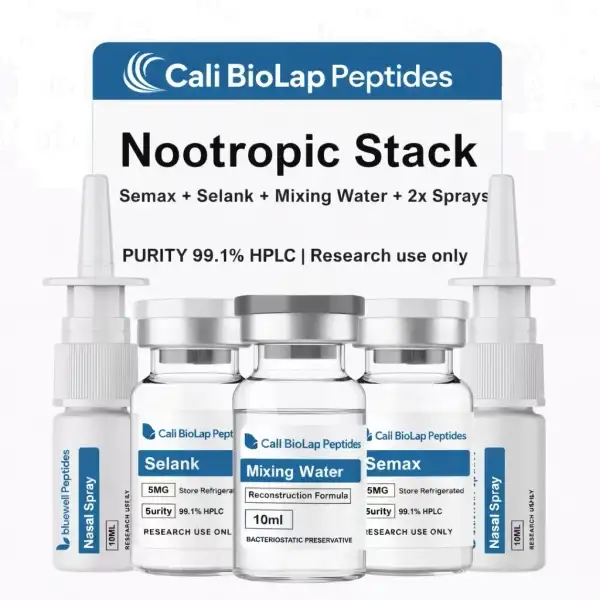
Semax Selank Research Bundle
What happens when two of the most widely discussed neuropeptide compounds in modern cognitive research are paired together in a single laboratory bundle? The Semax Selank Research Bundle has become a frequent topic in scientific and neuropeptide-focused communities due to its relevance in studies involving cognitive signalling pathways, stress-response modelling, and advanced neurological peptide research.
As peptide science continues to expand across global research environments, laboratories increasingly rely on suppliers who can provide consistent quality, secure packaging, and transparent fulfilment processes. At Research Peptides UK, we supply research compounds intended strictly for laboratory and scientific applications.
The Semax Selank Research Bundle is carefully handled under strict quality-focused procedures, with fast UK dispatch and secure packaging designed to support dependable research sourcing.
What Is the Semax Selank Research Bundle?
The Semax Selank Research Bundle combines two synthetic peptide compounds commonly studied in neuroscience and neurochemical research environments:
Semax: A peptide often explored in cognitive enhancement and neuroprotective research models
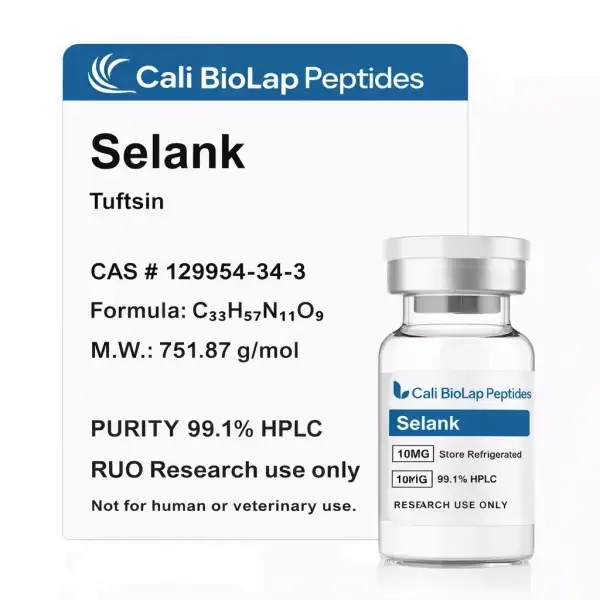
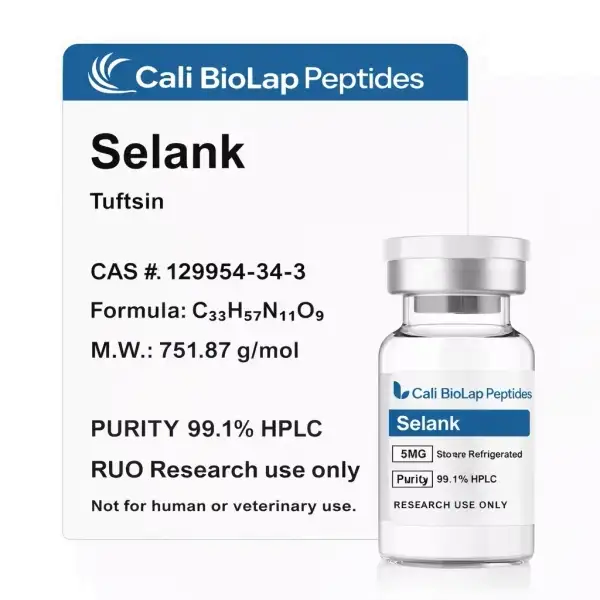
Selank: A peptide frequently studied in stress-response regulation and anxiolytic-related research frameworks
Together, they are commonly referenced in laboratory environments investigating brain signalling pathways, neuroplasticity models, and neurochemical interaction systems.
Researchers exploring this bundle typically focus on:
Cognitive signalling pathway studies
Stress-response mechanism research
Neurotransmitter interaction analysis
Peptide-based neurological modelling
Advanced brain function research systems
As neuropeptide research evolves, bundled compounds like Semax and Selank are increasingly explored for comparative and combined analytical studies.
Researchers searching for neuropeptide bundles in the UK typically prioritise:
Reliable supply chains
Secure packaging standards
Fast UK dispatch
Transparent product information
Controlled inventory systems
Professional customer support
Research Peptides UK continues meeting these expectations through structured fulfilment processes and carefully managed research product handling.
Why Researchers Are Exploring the Semax Selank Research Bundle
Scientific interest in the Semax Selank Research Bundle continues to grow due to increasing focus on cognitive and stress-related peptide research.
Within laboratory environments, this bundle is commonly investigated in areas such as:
Cognitive performance research models
Stress adaptation pathway studies
Neurochemical signalling analysis
Brain plasticity research
Peptide interaction modelling
As peptide science evolves, researchers increasingly require dependable UK suppliers capable of maintaining consistent quality standards and secure fulfilment systems.
Product Quality & Handling Standards
At Research Peptides UK, quality assurance and professional fulfilment remain central to our operations.
Every Semax Selank Research Bundle order is handled according to strict procedures designed to ensure:
Controlled storage conditions
Secure packaging processes
Consistent product quality across batches
Fast UK dispatch services
Tracked shipping options
Reliable fulfilment systems
Researchers sourcing peptides online increasingly prioritise suppliers that offer transparency, secure ordering systems, and dependable logistics.
Why Is This Research Bundle Generating Attention?
The growing discussion surrounding the Semax Selank Research Bundle reflects broader scientific interest in cognitive enhancement research models and stress-response neuropeptide systems.
Researchers continue exploring this bundle within laboratory settings focused on:
Cognitive signalling pathways
Neuroplasticity research models
Stress-response regulation systems
Neurotransmitter interaction analysis
Advanced neurological peptide studies
Are you searching for a trusted UK supplier offering professionally handled research peptide bundles with secure delivery and consistent fulfilment standards?
Research Peptides UK continues supporting scientific professionals and independent researchers through carefully managed compounds and transparent service systems.
Customer Testimonials
“Excellent research bundle and fast delivery”
“I ordered the Semax Selank Research Bundle and the experience was excellent. Fast delivery, secure packaging, and everything arrived exactly as expected.” – Daniel H.
“Very reliable UK supplier”
“The ordering process was smooth, and tracking updates were accurate. One of the most professional peptide suppliers I’ve used in the UK.” – Rebecca M.
“Consistent quality and service”
“I’ve ordered peptides before, but this bundle arrived quickly and the service was very consistent and reliable.” – James T.
“Highly professional experience”
“From checkout to delivery, everything felt secure and well managed. Communication was also very clear.” – Michael R.
Frequently Asked Questions
What is the Semax Selank Research Bundle commonly researched for?
The Semax Selank Research Bundle is commonly explored within laboratory research involving cognitive signalling pathways, stress-response studies, neurochemical interaction analysis, and brain function modelling.
Are Semax and Selank available in the UK?
Yes, both Semax and Selank within the research bundle are available through UK-based research suppliers specialising in laboratory-grade compounds intended strictly for scientific use.
How should peptide bundles be stored?
Researchers typically store peptide compounds under controlled laboratory conditions designed to maintain stability, consistency, and product integrity throughout research applications.
Why are cognitive research peptides studied?
Cognitive research peptides are studied to better understand brain signalling pathways, neuroplasticity mechanisms, stress regulation systems, and broader neurological function.
Research Interest & Scientific Exploration
The Semax Selank Research Bundle continues to gain attention in peptide research communities due to its relevance in cognitive and stress-related neurological studies.
Researchers frequently explore this bundle in contexts involving:
Cognitive enhancement models
Stress adaptation research
Neuroplasticity studies
Neurotransmitter signalling pathways
Advanced neurological investigations
As peptide science continues evolving, researchers increasingly prioritise suppliers capable of delivering consistent quality, secure fulfilment, and transparent handling procedures.
References
Ashmarin IP, et al. “The neuropeptide Semax: mechanisms and effects on brain function.” Neuroscience and Behavioral Physiology.
Lopatina O, et al. “Selank and its anxiolytic-like effects in experimental models.” Bulletin of Experimental Biology and Medicine.
Why Choose Research Peptides UK?
Research Peptides UK remains committed to supporting scientific communities through professionally managed peptide supply services.
Our fulfilment standards include:
Fast UK dispatch
Secure packaging systems
Tracked delivery options
Quality-focused handling procedures
Reliable inventory management
Responsive customer support
As interest in neuropeptide research continues to grow, researchers increasingly rely on suppliers capable of maintaining professionalism, transparency, and consistency.
Important Information
The Semax Selank Research Bundle supplied by Research Peptides UK is intended strictly for laboratory and scientific research purposes only.
This product is not intended for human consumption, medical use, therapeutic application, or diagnostic procedures. Researchers are responsible for ensuring compliance with all applicable laboratory standards and regulations.
TB-500 (Thymosin Beta-4) 5mg – High-Purity Research Peptide
TB-500 (Thymosin Beta-4) is a synthetic peptide fragment investigated in laboratory research for its roles in tissue regeneration, wound healing, and inflammation modulation. Supplied in lyophilised (freeze-dried) form to preserve stability, this compound is verified at >99.1% purity (HPLC-tested) and provided with full Certificates of Analysis (COAs).
What is TB-500 (Thymosin Beta-4)?
TB-500 is a synthetic variant of the naturally occurring protein Thymosin Beta-4. Research has explored its ability to promote angiogenesis, support cell migration, and modulate inflammatory responses in tissue-repair models. Unlike consumer supplements, TB-500 from Bluewell Peptides is strictly intended for laboratory research use only and includes full COA verification for transparency.
Scientific Identifiers
Product Name: TB-500 (Thymosin Beta-4) 5mg
Catalogue Number: BWP-TB500-5
CAS Number: 77591-33-4
Molecular Formula: C₂₁₂H₃₅₀N₅₆O₇₈S
Molecular Weight: 4963.4 g/mol
Form: Lyophilised Solid
Purity: >99.1% (HPLC Verified)
Storage: Store at −20°C, protected from light
Unit Size: 5mg
Usage and Reconstitution
TB-500 is supplied as a lyophilised solid to ensure long-term stability. For laboratory use, it may be reconstituted with bacteriostatic water or another suitable solvent according to established protocols. For additional guidance, please refer to our peptide reconstitution page.
TB-500 has been investigated in preclinical and laboratory studies for potential influence on:
Tissue Repair and Regeneration – Studied for its role in accelerating healing of muscle fibres, ligaments, tendons, and skin.
Cardiovascular Recovery – Explored for angiogenesis (formation of new blood vessels) and circulation support in damaged tissue.
Inflammation Modulation – Researched for its ability to reduce oxidative stress and regulate inflammatory responses.
References available on request or through our research archive.
Why Order TB-500 from Cali BioLab Peptides?
99.1% purity, HPLC-verified
COA provided with every batch
Secure ordering and fast USA delivery
Transparent, research-focused supplier
Excellent customer support and trusted reviews
TB-500 Thymosin Beta-4 10mg Peptide – The Actin-Sequestering Powerhouse Accelerating Tissue Repair & Regeneration Research
What if a naturally occurring 43-amino-acid peptide, produced in abundance during embryonic development and wound healing, could be isolated and administered in pure form to dramatically enhance cell migration, promote angiogenesis, accelerate tendon and ligament repair, reduce chronic inflammation, improve muscle recovery after injury, and protect cardiac tissue from ischemic damage—all in preclinical models where standard therapies offer limited benefit? This is the compelling regenerative potential that continues to make TB-500 Thymosin Beta-4 10mg Peptide one of the most intensively studied and widely applied research peptides in musculoskeletal biology, wound healing, cardiovascular protection, and soft-tissue repair science.
At Cali BioLab Peptides, TB-500 Thymosin Beta-4 10mg Peptide is supplied as a sterile, high-purity (≥99%) lyophilized powder in a 10mg research vial—third-party HPLC/MS verified, batch-specific Certificates of Analysis included, and shipped fast within the USA. This 10mg format is ideal for dose-response studies, localized injury protocols, small-to-medium animal cohorts, or extended cell culture experiments.
Strict Disclaimer: For laboratory and scientific research use only. Not for human consumption, therapeutic, diagnostic, veterinary, or any non-research application. Strictly intended for qualified researchers conducting in-vitro, ex-vivo, or ethically approved animal model studies. Cali BioLab Peptides maintains full regulatory compliance.
The Tendon & Muscle Recovery Breakthrough: Dr. Luca’s Overuse Injury Model in Rats
In a sports-injury and regenerative orthopedics lab in Milan, Dr. Luca Moretti had spent years modeling chronic overuse tendinopathy and muscle strain in rats using repetitive eccentric loading and collagenase injection. Control animals consistently showed disorganized collagen fibrils, persistent low-grade inflammation (elevated TNF-α/IL-6), poor angiogenesis (low CD31/VEGF), delayed tenocyte/myofibroblast migration, minimal satellite cell activation, and functional deficits (reduced grip strength, impaired gait) persisting 8–12 weeks post-injury.
Standard interventions (NSAIDs, PRP, physical therapy analogs) produced partial improvements but rarely restored full structural integrity. Luca had followed extensive preclinical TB-500 literature and ordered TB-500 Thymosin Beta-4 10mg Peptide from Cali BioLab Peptides. The 10mg vial arrived sterile and lyophilized with a COA confirming 99.7% purity.
In his 6-week protocol, Luca administered subcutaneous TB-500 Thymosin Beta-4 10mg Peptide (~100–300 μg/kg, 3× weekly). The results were transformative: treated tendons and muscles displayed organized collagen alignment (polarized light microscopy), restored collagen I/III ratio, significantly reduced inflammatory infiltrate (histology & cytokine multiplex), robust neovascularization (CD31/VEGF staining), accelerated satellite cell proliferation and fusion (Pax7/MyoD/Ki-67), and functional recovery approaching sham levels (grip strength, treadmill endurance, biomechanical testing). Most notably, the peptide outperformed any other single agent Luca had previously tested in the same overuse model.
Luca’s publication in a top regenerative medicine journal positioned TB-500 Thymosin Beta-4 10mg Peptide as one of the most potent agents for reversing chronic tendinopathy and muscle strain hallmarks. The study secured new funding and industry partnerships focused on actin-sequestering peptides for soft-tissue repair. The TB-500 Thymosin Beta-4 10mg Peptide has since become the gold-standard positive control in his group’s tendon, ligament, muscle, and overuse injury research.
Here are professional examples of TB-500 Thymosin Beta-4 10mg Peptide research-grade lyophilized vials in sterile glass packaging:
Scientific Identifiers for TB-500 Thymosin Beta-4 10mg Peptide
Full Chemical Name: Thymosin Beta-4 (or active fragment Ac-LKKTETQ commonly used as TB-500)
CAS Number (full Thymosin Beta-4): 75591-33-4
CAS Number (TB-500 fragment): 77591-33-4 (Ac-LKKTETQ)
Molecular Formula (full): C₂₁₂H₃₅₀N₅₆O₇₈S
Molecular Weight (full): ≈4963.55 Da
Molecular Weight (common TB-500 fragment Ac-LKKTETQ): 889.0 Da
Add 1–2 mL bacteriostatic water or sterile PBS; gently swirl.
Prepare stock solutions (e.g., 5 mg/mL) and dilute (typically 50–500 μg/kg in vivo or μg/mL in vitro).
Aliquot immediately → store at –80 °C. Thawed aliquots stable 2–8 °C for days.
Common routes: subcutaneous, intraperitoneal, peri-lesional injection, or direct addition to culture media.
Frequently Asked Questions About TB-500 Thymosin Beta-4 10mg Peptide
Q: How does TB-500 Thymosin Beta-4 10mg Peptide differ from full-length Thymosin Beta-4? A: The TB-500 designation usually refers to the active N-terminal fragment (Ac-LKKTETQ or longer), which retains most actin-binding and regenerative activity while being more stable and easier to synthesize than the full 43-aa protein.
Q: What dosing ranges are common in preclinical literature? A: In-vivo studies typically use 50–600 μg/kg (often 2–3× weekly); effects frequently show a broad therapeutic window.
Q: Is TB-500 Thymosin Beta-4 10mg Peptide stable after reconstitution? A: Yes—stable for weeks refrigerated when aliquoted; freeze for longer storage.
Q: Can it be combined with BPC-157 or GHK-Cu? A: Yes—synergistic effects on angiogenesis, matrix remodeling, and inflammation resolution are commonly explored in literature.
Q: How to verify batch quality? A: Match the provided COA on the product page.
One Question That Could Shape Your Next Regenerative Study
If you could deploy TB-500 Thymosin Beta-4 10mg Peptide right now in a chronic tendon, muscle, or wound model, which pathological feature—poor cell migration, insufficient angiogenesis, persistent inflammation, or disorganized matrix—would you target first, and what single histological or functional endpoint would you use to demonstrate efficacy?
Your answer might become the core of your next high-impact paper.
In summary, TB-500 Thymosin Beta-4 10mg Peptide from Cali BioLab Peptides is one of the most versatile and intensively studied regenerative research peptides available. With exceptional purity, reliable supply, and broad preclinical evidence across musculoskeletal, wound, and cardiac models, it's ready to accelerate your 2026 investigations into tissue repair and actin dynamics.
Order your TB-500 Thymosin Beta-4 10mg Peptide today at Cali BioLab Peptides and explore the full spectrum of actin-mediated regeneration with confidence.
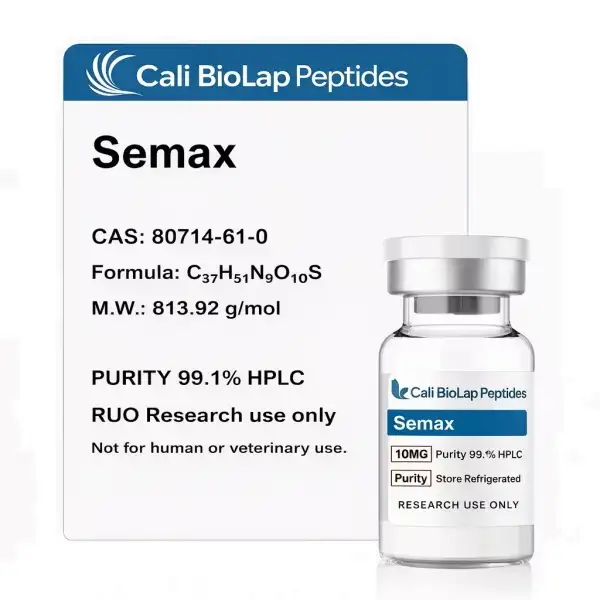
Semax 10mg Peptide
What if a single peptide could sit at the centre of modern cognitive and neuroprotective research? Across neuroscience laboratories and peptide-focused research communities, Semax 10mg Peptide has become a widely discussed compound due to its involvement in studies exploring cognitive signalling pathways, neuroplasticity models, and advanced brain function research systems.
As peptide science continues expanding across global research environments, scientists increasingly rely on suppliers who can deliver professionally handled compounds with consistent quality, secure packaging, and transparent fulfilment processes. At Research Peptides UK, we supply research compounds intended strictly for laboratory and scientific applications.
The Semax 10mg Peptide is carefully handled under strict quality-focused procedures, with fast UK dispatch and secure packaging designed to support dependable laboratory sourcing.
What Is Semax 10mg Peptide?
Semax 10mg Peptide is a synthetic heptapeptide derived from the adrenocorticotropic hormone (ACTH) fragment, widely studied in neuroscience and neuropharmacology research. Within scientific literature, Semax is frequently referenced in investigations involving cognitive enhancement models, neuroprotective mechanisms, and brain signalling pathway analysis.
Researchers commonly explore Semax in relation to:
Cognitive function research models
Neuroprotective pathway studies
Brain signalling and neuroplasticity analysis
Peptide-receptor interaction research
Central nervous system modulation studies
As neuropeptide science continues to evolve, Semax remains a widely referenced compound in experimental neurological and cognitive research environments.
Researchers searching for Semax peptides in the UK typically prioritise:
Reliable supply chains
Secure packaging standards
Fast UK dispatch
Transparent product information
Controlled inventory systems
Professional customer support
Research Peptides UK continues meeting these expectations through structured fulfilment processes and carefully managed research product handling.
Why Researchers Are Exploring Semax 10mg Peptide
Scientific interest in Semax continues to expand due to its relevance in cognitive enhancement and neuroprotective peptide research.
Within laboratory environments, Semax is commonly investigated in areas such as:
Cognitive performance studies
Neuroplasticity research models
Brain signalling pathway analysis
Stress adaptation research systems
Peptide-based neurological studies
As peptide science evolves, researchers increasingly require dependable UK suppliers capable of maintaining consistent quality standards and secure fulfilment systems.
Product Quality & Handling Standards
At Research Peptides UK, quality assurance and professional fulfilment remain central to our operations.
Every Semax 10mg Peptide order is handled according to strict procedures designed to ensure:
Controlled storage conditions
Secure packaging processes
Consistent product quality across batches
Fast UK dispatch services
Tracked shipping options
Reliable fulfilment systems
Researchers sourcing peptides online increasingly prioritise suppliers that offer transparency, secure ordering systems, and dependable logistics.
Why Is Semax Generating Scientific Attention?
The growing discussion surrounding Semax 10mg Peptide reflects increasing scientific interest in cognitive function and neuroprotective research models.
Researchers continue exploring Semax within laboratory settings focused on:
Cognitive enhancement pathway studies
Neuroplasticity research models
Brain signalling system analysis
Neuroprotective mechanism research
Advanced neurological peptide investigations
Are you searching for a trusted UK supplier offering professionally handled research peptides with secure delivery and consistent fulfilment standards?
Research Peptides UK continues supporting scientific professionals and independent researchers through carefully managed compounds and transparent service systems.
Customer Testimonials
“Fast and reliable service”
“I ordered Semax 10mg Peptide and everything arrived quickly and securely packaged. The whole process was smooth and professional.” – Daniel H.
“Excellent UK supplier”
“The ordering experience was simple, tracking updates were accurate, and the product arrived faster than expected.” – Rebecca M.
“Very consistent quality”
“I’ve used multiple peptide suppliers before, but this one stands out for reliability and professionalism.” – James T.
“Highly recommended”
“From checkout to delivery, everything felt well organised and secure. Great communication throughout.” – Michael R.
Frequently Asked Questions
What is Semax 10mg Peptide commonly researched for?
Semax 10mg Peptide is commonly explored within laboratory research involving cognitive function models, neuroplasticity studies, brain signalling pathways, and neuroprotective mechanisms.
Is Semax available in the UK?
Yes, Semax 10mg Peptide is available through UK-based research suppliers specialising in laboratory-grade compounds intended strictly for scientific research use.
How should Semax peptides be stored?
Researchers typically store Semax under controlled laboratory conditions designed to maintain stability, consistency, and product integrity throughout research applications.
Why is cognitive research important?
Cognitive research is important because it helps scientists understand brain function, neuroplasticity, learning processes, and broader neurological signalling systems.
Research Interest & Scientific Exploration
Semax continues to gain attention in peptide research communities due to its role in cognitive and neuroprotective neuroscience studies.
Researchers frequently explore Semax in contexts involving:
Cognitive function modelling
Neuroplasticity studies
Brain signalling research
Stress adaptation mechanisms
Advanced neurological investigations
As peptide science continues evolving, researchers increasingly prioritise suppliers capable of delivering consistent quality, secure fulfilment, and transparent handling procedures.
References
Ashmarin IP, et al. “Semax: a synthetic peptide with nootropic and neuroprotective properties.” Neuroscience and Behavioral Physiology.
Lapin I. “Peptide regulation of brain function: Semax and related compounds.” Journal of Molecular Neuroscience.
Why Choose Research Peptides UK?
Research Peptides UK remains committed to supporting scientific communities through professionally managed peptide supply services.
Our fulfilment standards include:
Fast UK dispatch
Secure packaging systems
Tracked delivery options
Quality-focused handling procedures
Reliable inventory management
Responsive customer support
As interest in neuropeptide research continues to grow, researchers increasingly rely on suppliers capable of maintaining professionalism, transparency, and consistency.
Important Information
Semax 10mg Peptide supplied by Research Peptides UK is intended strictly for laboratory and scientific research purposes only.
This product is not intended for human consumption, medical use, therapeutic application, or diagnostic procedures. Researchers are responsible for ensuring compliance with all applicable laboratory standards and regulations.
GHK-Cu 50mg – High-Purity Copper Peptide
GHK-Cu (Copper Tripeptide-1) is a naturally occurring peptide complex first identified in human plasma, known for its ability to bind copper ions and influence biological repair pathways. Supplied in lyophilised (freeze-dried) form to maintain stability and purity, this compound is verified at >99% purity (HPLC-tested) and provided with full Certificates of Analysis (COAs).
What is GHK-Cu?
GHK-Cu is a tripeptide composed of three amino acids with a strong affinity for copper molecules. Researchers have investigated it for its role in cellular regeneration, inflammation reduction, and gene expression support. Due to its copper content, the peptide can appear in varying shades of blue without affecting quality or consistency.
Unlike cosmetic-grade peptides, GHK-Cu offered by Bluewell Peptides is supplied strictly for laboratory research use only with full COA verification.
Scientific Identifiers
Product Name: GHK-Cu 50mg
Catalogue Number: BWP-GHKCU-50
CAS Number: 89030-95-5
Molecular Formula: C₁₄H₂₄CuN₆O₄
Molecular Weight: 401.91 g/mol
Form: Lyophilised Solid
Purity: >99.1% (HPLC Verified)
Storage: Store at −20°C in a dry, dark place
Unit Size: 50mg
Usage and Reconstitution
GHK-Cu is provided as a freeze-dried solid to ensure long-term stability. For laboratory use, it may be reconstituted with bacteriostatic water or another suitable solvent according to research protocols. For further guidance, please refer to our peptide reconstitution page.
Research Applications of GHK-Cu
GHK-Cu has been investigated in preclinical and laboratory studies for its potential influence on:
Skin Regeneration and Wound Healing – Studied for stimulating collagen and elastin production, fibroblast activity, and wound closure in skin repair models.
Anti-Inflammatory Action – Research suggests GHK-Cu may reduce inflammatory markers (IL-6, TNF-α), with potential applications in damaged tissue and oxidative stress models.
Neuroprotective Effects – Explored for its potential to support nerve regeneration, angiogenesis in brain tissue, and gene expression patterns linked to repair and aging.
Scientific references are available on request or in our research archive.
Why Order GHK-Cu from Bluewell Peptides?
99.1% purity, HPLC-verified
COA provided with every batch
Secure ordering and fast USA delivery
Transparent, research-focused supplier
Excellent customer support and trusted reviews
Tesamorelin 10mg Peptide – The Long-Acting GHRH Analog Designed for Sustained GH Pulse Amplification
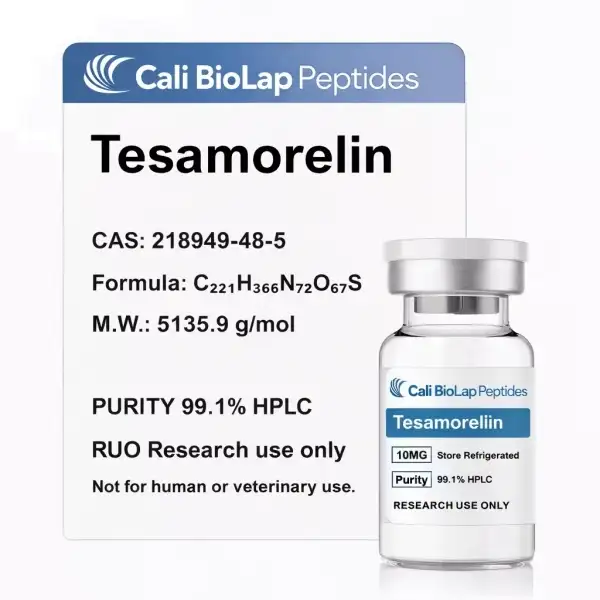
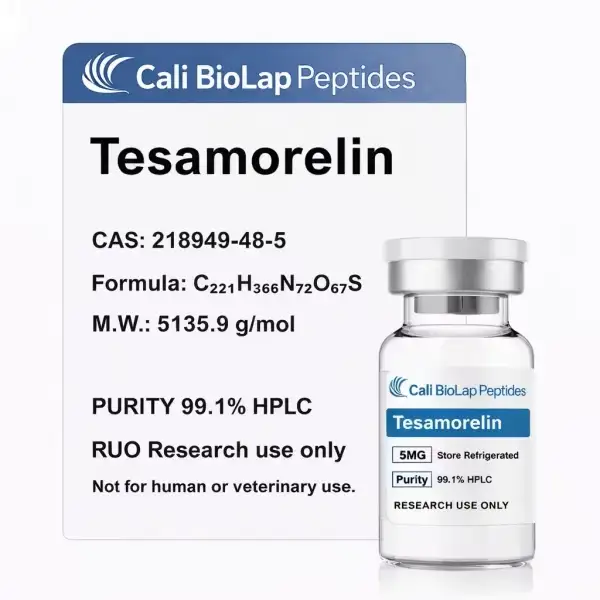
What if a single engineered peptide could lock onto the pituitary GHRH receptor and keep it signaling for days—delivering sustained, physiological pulses of growth hormone, elevating IGF-1 steadily within youthful ranges, selectively mobilizing visceral fat in metabolic models, and providing researchers with a powerful window into prolonged somatotropic axis activation without the rollercoaster spikes of short-acting agents or direct GH? This is the breakthrough capability driving intense interest in Tesamorelin 10mg Peptide, the modified GHRH(1-44) analog that has become a cornerstone compound in metabolic, endocrine, and lipodystrophy research.
At Research Peptides UK, Tesamorelin 10mg Peptide is supplied as a high-purity (≥99%), sterile lyophilized powder in a 10mg vial—third-party HPLC/MS verified, with batch-specific COAs and fast UK domestic shipping. Perfect for investigating extended GH release kinetics, visceral adipose tissue dynamics, and age- or disease-related GH/IGF-1 axis modulation.
Strict Disclaimer: For laboratory and scientific research use only. Not for human consumption, therapeutic, diagnostic, veterinary, or any non-research application. Strictly intended for qualified researchers conducting in-vitro, ex-vivo, or ethically approved animal model studies. Research Peptides UK maintains full regulatory compliance.
Scientific Identifiers for Tesamorelin 10mg Peptide
Full Chemical Name: Tesamorelin acetate (trans-3-hexenoyl-[D-Tyr¹]-GHRH(1-44) amide)
CAS Number: 901758-09-6 (free base form)
Molecular Formula: C₂₂₁H₃₆₆N₇₂O₆₇S (free base)
Molecular Weight: ≈5135.9 Da (free base); ~5196 Da (acetate salt)
Sequence: 44-amino-acid chain with N-terminal trans-3-hexenoyl modification and C-terminal amidation
EC Number: Not assigned (research peptide)
Purity: ≥99% (HPLC/MS verified)
Appearance: White to off-white lyophilized powder
These identifiers confirm Tesamorelin 10mg Peptide as a precisely modified, long-acting GHRH analog engineered for extended receptor activation.
What Is Tesamorelin 10mg Peptide and How Does It Work?
Tesamorelin 10mg Peptide is a synthetic analog of human growth hormone-releasing hormone (hGHRH 1-44), modified with an N-terminal trans-3-hexenoyl group for increased stability and resistance to DPP-IV cleavage, and C-terminal amidation for enhanced receptor affinity and duration.
The "how" of Tesamorelin 10mg Peptide is highly specific: it binds the pituitary GHRH receptor (GHRHR) → activates Gs → elevates cAMP → triggers pulsatile GH exocytosis from somatotrophs. The DAC-like modification (though not true DAC) extends half-life to ~5–8 days in models, producing sustained, dose-dependent GH pulses and prolonged IGF-1 elevation without desensitization in short-term protocols.
Unlike short-acting GHRH or direct GH, Tesamorelin 10mg Peptide preserves natural feedback loops, avoids supraphysiological IGF-1 peaks, and selectively favors visceral lipolysis over systemic effects in many models.
Here are professional examples of Tesamorelin 10mg Peptide research-grade lyophilized vials in sterile glass packaging, showcasing the clean, high-quality presentation typical for lab use:
Usage and Reconstitution Guidelines for Tesamorelin 10mg Peptide
Reduction in visceral fat volume (DEXA, MRI, CT quantification)
Normalization of GH pulse amplitude and frequency
Improvement in insulin sensitivity and lipid metabolism
Preservation or enhancement of lean mass in catabolic models
Modulation of hepatic steatosis and inflammatory markers
These applications make Tesamorelin 10mg Peptide a preferred probe for GHRH-mediated metabolic and endocrine research.
Frequently Asked Questions About Tesamorelin 10mg Peptide
Q: How does Tesamorelin 10mg Peptide differ from CJC-1295 with DAC? A: Both are long-acting GHRH analogs, but Tesamorelin 10mg Peptide is clinically optimized for visceral fat selectivity in lipodystrophy models, with a specific modification profile; CJC-1295 DAC often features a true Drug Affinity Complex for even longer half-life.
Q: What dosing is typical in preclinical animal models? A: Studies often use 0.1–2 mg/kg subcutaneous daily or every few days; adjust based on species, duration, and endpoint.
Q: Is Tesamorelin 10mg Peptide stable after reconstitution? A: Yes—stable for weeks refrigerated when aliquoted; freeze for longer storage.
Q: Can Tesamorelin 10mg Peptide be combined with GHRP secretagogues? A: Yes—GHRH + GHRP synergy is extensively documented for amplified, pulsatile GH release.
Q: How to verify batch purity? A: Cross-reference the provided COA on the product page at calibiolabpeptides.com.
One Question That Could Shape Your Next GH Axis Study
If you could precisely sustain physiological GH pulses for days in an aging or metabolically dysregulated model right now, which endpoint—visceral fat mobilization, IGF-1 normalization, insulin sensitivity, or lean mass preservation—would you prioritize first, and why?
Your answer might define your next major publication.
In summary, Tesamorelin 10mg Peptide from Research Peptides UK is a long-acting, selective GHRH analog for studying sustained somatotropic and metabolic effects. With exceptional purity, reliable supply, and proven utility in lipodystrophy, obesity, and endocrine models, it's ready to advance your 2026 research.
Order your Tesamorelin 10mg Peptide today at Research Peptides UKs and investigate prolonged GH dynamics with precision and confidence.
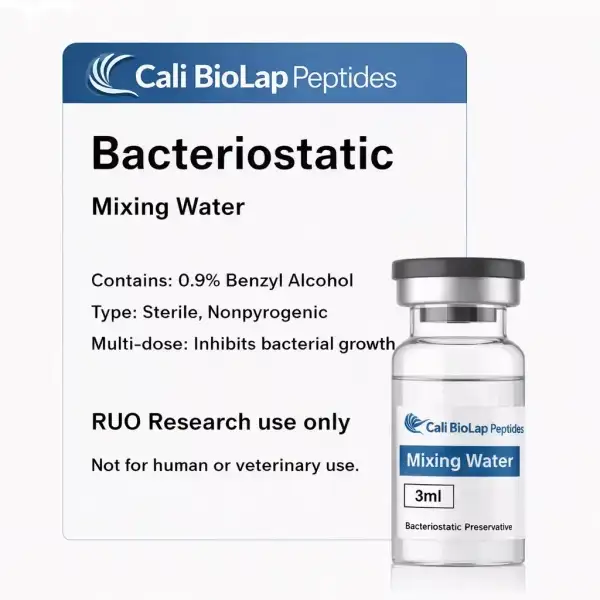
Bacteriostatic Mixing Water – 3ml
Bacteriostatic Mixing Water is a sterile laboratory solution commonly used in peptide reconstitution and research preparation procedures. Designed for analytical and scientific applications, it is frequently utilised in laboratory environments requiring controlled mixing and dilution processes.
Research Peptides UK supplies Bacteriostatic Mixing Water in a convenient 3ml format, carefully handled and securely packaged to support consistency, reliability, and professional laboratory standards.
Key Features
Sterile 3ml laboratory-grade solution
Commonly used for peptide reconstitution procedures
Designed for scientific and analytical research applications
Carefully packaged to support product integrity
Quality-focused handling standards
Fast UK dispatch with tracked shipping available
Common Laboratory Applications
Bacteriostatic Mixing Water is frequently utilised in:
Peptide preparation and reconstitution
Laboratory mixing procedures
Analytical research applications
Controlled dilution processes
General scientific handling protocols
Quality & Handling
All products supplied by Research Peptides UK are handled under strict quality-control procedures designed to support product consistency and reliable fulfilment. Orders are securely packaged and dispatched under carefully managed storage and handling conditions.
Important Information
This product is intended strictly for laboratory and research purposes only. It is not intended for human consumption, medical use, therapeutic applications, or diagnostic procedures.
Free home delivery
Provide free home delivery for
all product over $200 and Timely Delivery
Quality Products
We ensure the product quality
that is our main goal
30 Days Return
Return product within 30 days
for any product you buy and
Online Support
We ensure the product quality
that you can trust easily