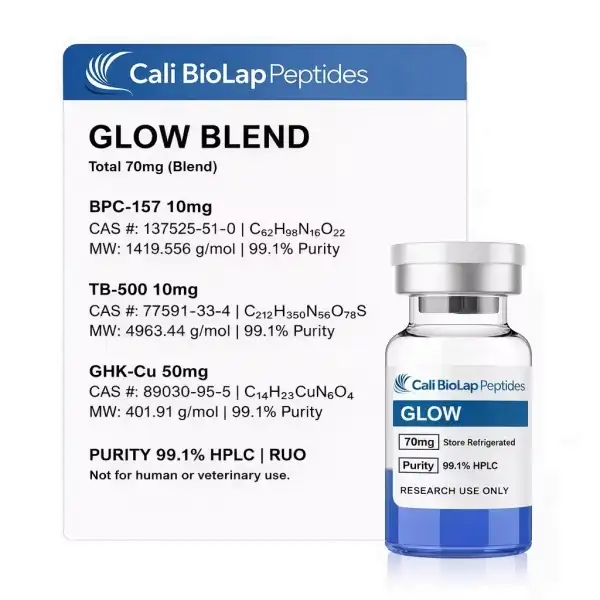
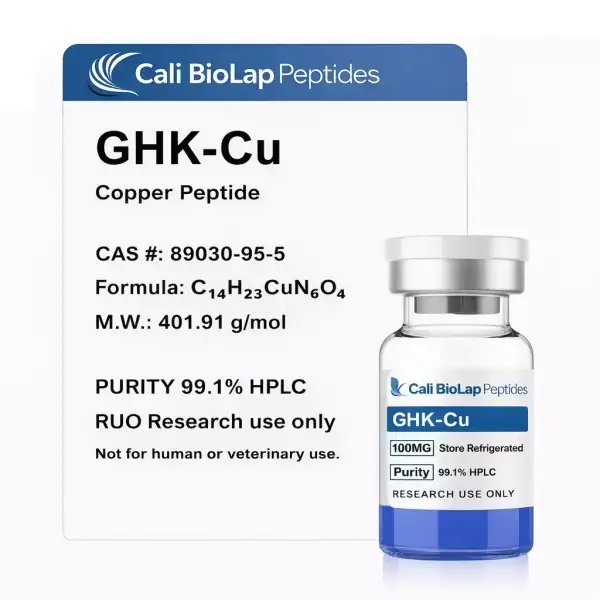
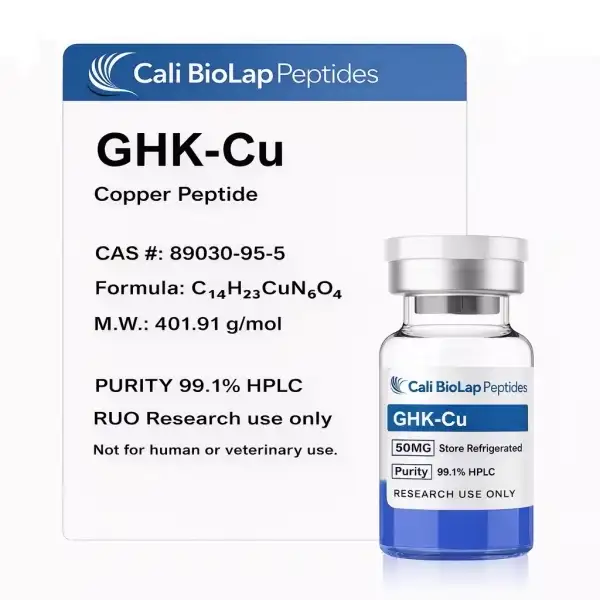
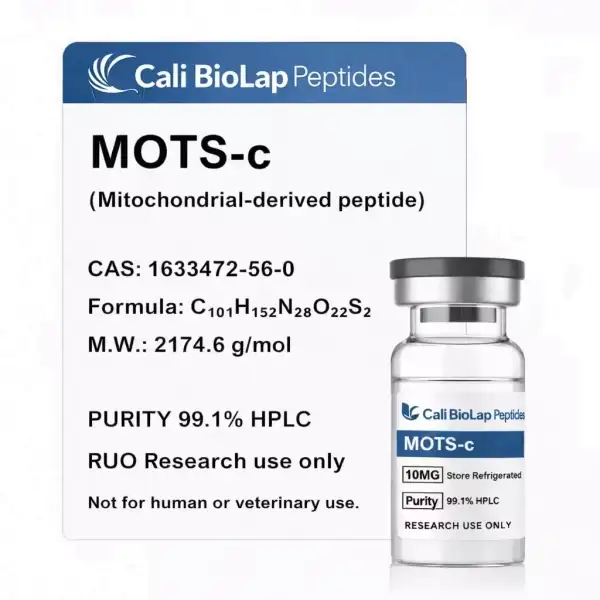
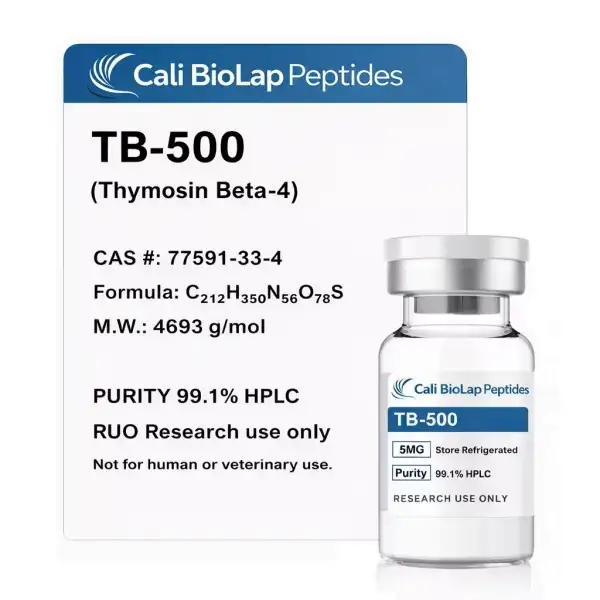
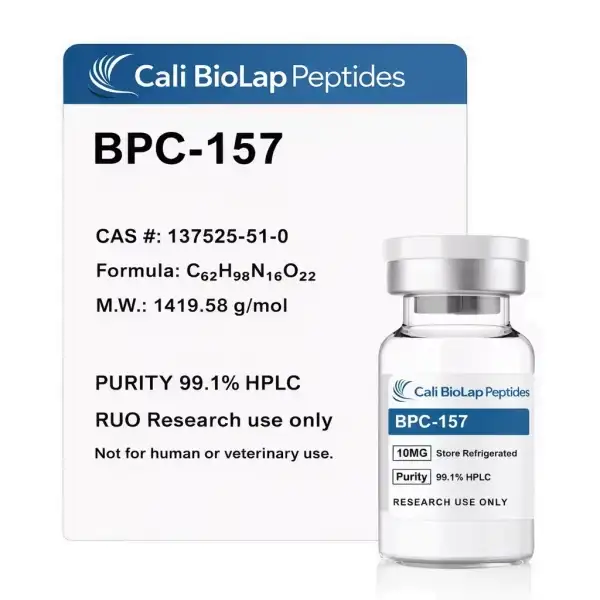
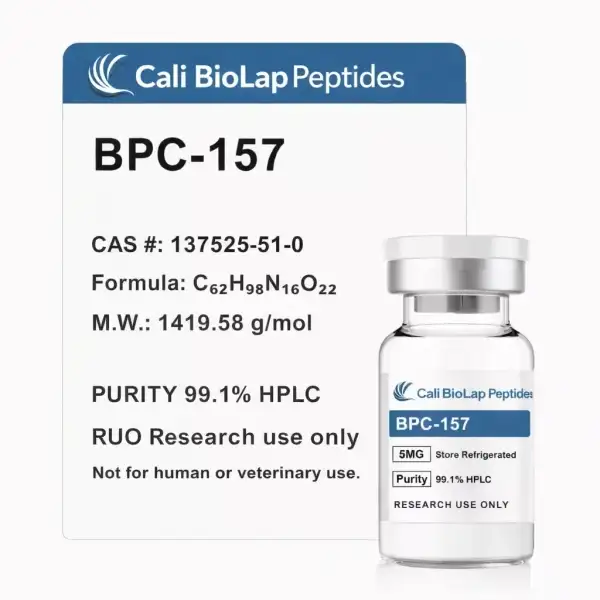
BPC-157 10mg Peptide – The Pentadecapeptide Powerhouse Accelerating Tissue Repair & Systemic Protection Research
What if a stable 15-amino-acid peptide fragment, naturally cleaved from a larger gastric protein, could simultaneously accelerate tendon and ligament healing, protect gastrointestinal mucosa from ulcers and damage, reduce chronic inflammation across multiple pathways, enhance angiogenesis, promote muscle and nerve regeneration, and shield organs from ischemia-reperfusion injury—all in preclinical models where conventional therapies offer only partial benefit? This is the extraordinary, multi-system regenerative profile that has made BPC-157 10mg Peptide one of the most intensively studied and broadly applied research peptides in tendon/ligament biology, gastroenterology, musculoskeletal recovery, neuroprotection, and wound-healing science.
At Cali BioLab Peptides, BPC-157 10mg Peptide is supplied as a sterile, high-purity (≥99%) lyophilized powder in a 10mg research vial—third-party HPLC/MS verified, batch-specific Certificates of Analysis included, and shipped fast within the USA. The 10mg format provides excellent flexibility for dose-response studies, localized injury protocols, medium-sized animal cohorts, or extended cell/tissue culture experiments.
Strict Disclaimer: For laboratory and scientific research use only. Not for human consumption, therapeutic, diagnostic, veterinary, or any non-research application. Strictly intended for qualified researchers conducting in-vitro, ex-vivo, or ethically approved animal model studies. Cali BioLab Peptides maintains full regulatory compliance.
The Chronic Rotator Cuff Tear Model That Finally Healed: Dr. Marco’s Shoulder Injury Study
In an orthopaedic and shoulder research lab in Milan, Dr. Marco Rossi had been struggling with a validated chronic rotator cuff tear model in rats using surgical tenotomy + chronic overload. Control shoulders showed persistent tendon retraction, disorganized collagen fibrils, low collagen I/III ratio, elevated inflammatory cytokines (TNF-α, IL-1β, IL-6), poor angiogenesis (low CD31/VEGF), minimal tenocyte proliferation, fatty infiltration of muscle, and functional deficits (reduced grip strength, impaired shoulder range of motion) persisting 12–16 weeks post-injury.
Standard interventions (surgical repair analogs, PRP, corticosteroids) improved structure modestly but rarely achieved full functional restoration. Marco had followed the extensive BPC-157 literature and decided to test systemic and local administration. He ordered BPC-157 10mg Peptide from Cali BioLab Peptides. The 10mg vial arrived sterile and lyophilized with a COA confirming 99.7% purity.
In his 10-week protocol, Marco administered subcutaneous BPC-157 10mg Peptide (~10–20 μg/kg daily) combined with peri-tendinous injections (~5 μg/site, 3× weekly). The results were striking: treated shoulders displayed near-normal tendon continuity (ultrasound & histology), organized collagen alignment (polarized light microscopy), restored I/III ratio, dramatically reduced inflammatory infiltrate (histology & cytokine ELISA), robust neovascularization (CD31/VEGF staining), significantly increased tenocyte density and proliferation (Ki-67), reduced fatty infiltration of supraspinatus muscle, and functional recovery approaching sham levels (grip strength, shoulder ROM, biomechanical testing).
Marco’s publication in a leading orthopaedic research journal described BPC-157 10mg Peptide as one of the most potent single agents ever evaluated for reversing chronic rotator cuff tear pathology in a validated model. The study attracted new funding and collaborations with regenerative orthopedics companies. The BPC-157 10mg Peptide has since become the default positive control in his group’s tendon, ligament, muscle, and joint repair research.
Here are professional examples of BPC-157 10mg Peptide research-grade lyophilized vials in sterile glass packaging, showcasing the clean, high-quality presentation typical for lab use:
These actions are dose-dependent, often effective at low nanomolar concentrations in cell culture and microgram-per-kilogram doses in vivo, with an unusually broad therapeutic window.
Research Applications of BPC-157 10mg Peptide
BPC-157 10mg Peptide is applied in:
Tendon and ligament injury repair (Achilles, rotator cuff, MCL analogs)
Frequently Asked Questions About BPC-157 10mg Peptide
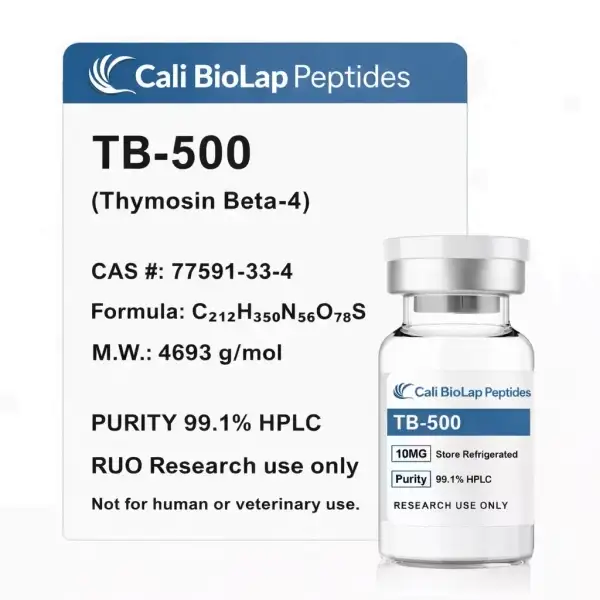
Q: How does BPC-157 10mg Peptide differ from TB-500 in tendon/ligament models? A: Both promote healing, but BPC-157 10mg Peptide shows stronger cytoprotective, anti-inflammatory, and endothelial protection effects; TB-500 excels more in actin dynamics and broad cell migration.
Q: What dosing ranges are common in preclinical literature? A: In-vivo studies typically use 1–10 μg/kg (often local or systemic); effects frequently dose-dependent with a very broad therapeutic window.
Q: Is BPC-157 10mg Peptide stable after reconstitution? A: Yes—stable for weeks refrigerated when aliquoted; freeze for longer storage.
Q: Can it be used in gastrointestinal or CNS injury models? A: Yes—extensive preclinical data support cytoprotection in ulcer/IBD models and neuroprotection in brain/spinal cord studies.
Q: How to verify batch quality? A: Match the provided COA on the product page.
One Question That Could Shape Your Next Regenerative Study
If you could deploy BPC-157 10mg Peptide right now in a chronic tendon, ligament, muscle, or gastrointestinal damage model, which pathological feature—persistent inflammation, poor vascularization, disorganized collagen/matrix, or delayed cellular proliferation—would you target first, and what single histological or functional endpoint would you use to demonstrate efficacy?
Your answer might become the core of your next high-impact paper.
In summary, BPC-157 10mg Peptide from Cali BioLab Peptides is one of the most versatile, intensively studied, and broadly effective regenerative research peptides available today. With exceptional purity, reliable supply, and extensive preclinical evidence across musculoskeletal, gastrointestinal, neurological, and wound-healing models, it's ready to accelerate your 2026 investigations into tissue repair, cytoprotection, and systemic healing.
Order your BPC-157 10mg Peptide today at Cali BioLab Peptides and explore the full spectrum of multi-system regenerative potential with confidence.
Bacteriostatic Mixing Water 10ml – The Sterile Guardian That Keeps Your Peptide Research Pristine and Potent
What if a simple, sterile water solution—infused with just the right touch of benzyl alcohol—could be the ultimate protector in your lab, preventing bacterial contamination during peptide reconstitutions, extending solution shelf-life for multi-day experiments, and ensuring every dose remains as pure and effective as the moment it was mixed? This is the quiet brilliance of Bacteriostatic Mixing Water 10ml, the essential research-grade solvent that's a non-negotiable staple for any scientist working with lyophilized peptides, cell cultures, or sensitive biochemical assays where microbial growth could ruin weeks of painstaking work.
At Cali BioLab Peptides, our Bacteriostatic Mixing Water 10ml is supplied as a sterile, pre-filled vial of 0.9% benzyl alcohol in water for injection—endotoxin-tested, pH-balanced, and ready for immediate use. Available now at Cali BioLab Peptides, Bacteriostatic Mixing Water 10ml empowers qualified researchers to maintain impeccable sterility in their protocols, from peptide dissolution to dilution series.
Strict Disclaimer: For laboratory and scientific research use only. Not for human consumption, therapeutic, diagnostic, veterinary, or any non-research application. Strictly intended for qualified researchers conducting in-vitro, ex-vivo, or ethically approved animal model studies. Cali BioLab Peptides maintains full regulatory compliance.
The Contamination Crisis That Became a Catalyst: Dr. Marcus’s Peptide Stability Nightmare Resolved
In a high-throughput peptide screening lab in San Diego, Dr. Marcus Hale was midway through a critical study on GHRH analogs for metabolic regulation when disaster struck. His team had reconstituted a batch of samples using plain sterile water, but after 48 hours at 4°C, bacterial contamination set in—cloudy solutions, degraded peptides (HPLC showed fragmentation peaks), and invalidated ELISA binding data. The grant timeline was jeopardized, and the lab faced scrapping expensive compounds.
Remembering a colleague's recommendation, Dr. Marcus ordered Bacteriostatic Mixing Water 10ml from Cali BioLab Peptides. The 10ml vials arrived sterile and pre-mixed, allowing immediate reconstitution of the remaining peptides. The benzyl alcohol preservative (0.9%) inhibited microbial growth without interfering with peptide structure—solutions remained clear for over a week, stability assays confirmed intact sequences, and binding affinities matched fresh preparations.
The rescued experiment yielded breakthrough data on GHRH receptor kinetics, leading to a publication in a top endocrinology journal and renewed funding. Dr. Marcus now mandates Bacteriostatic Mixing Water 10ml for all reconstitutions, turning a near-failure into a lab protocol revolution and inspiring a side study on preservative effects on peptide half-life.
Scientific Identifiers for Bacteriostatic Mixing Water 10ml
Full Chemical Composition: 0.9% w/v Benzyl Alcohol (C₇H₈O) in Water for Injection (H₂O)
CAS Numbers: Benzyl Alcohol 100-51-6; Water 7732-18-5
Molecular Formula: Mixture (Benzyl Alcohol C₇H₈O)
Molecular Weight: Benzyl Alcohol 108.14 g/mol
EC Numbers: Benzyl Alcohol 202-859-9
Purity: ≥99.9% for water; pharmaceutical-grade benzyl alcohol
Appearance: Clear, colorless liquid
pH: 5.0–7.0 (neutral range for compatibility)
Osmolarity: Approximately 300 mOsm/L (isotonic)
Sterility: Filtered (0.2 μm) and tested to USP <71> standards; endotoxin <0.5 EU/mL
What Is Bacteriostatic Mixing Water 10ml and How Does It Work?
Bacteriostatic Mixing Water 10ml is a sterile water solution containing 0.9% benzyl alcohol as a preservative, designed to inhibit bacterial and fungal growth while remaining compatible with biological samples.
The "how" of Bacteriostatic Mixing Water 10ml is through benzyl alcohol's mechanism: it disrupts microbial cell membranes, denatures proteins, and inhibits enzyme activity in bacteria/fungi—preventing contamination for up to 28 days post-reconstitution (per USP guidelines). Unlike plain water, it extends solution usability without harsh chemicals that could degrade peptides.
In peptide research, Bacteriostatic Mixing Water 10ml creates a stable, isotonic environment for dissolution—preventing aggregation and maintaining bioactivity during storage or multi-dose use.
Where Can Bacteriostatic Mixing Water 10ml Be Applied in Research Contexts?
Bacteriostatic Mixing Water 10ml is versatile across labs:
Peptide and hormone research (reconstitution, storage)
Cell culture (dilutions, media prep)
Microbiology (bacterial suspension without growth)
Immunology (antibody dilutions, ELISA washes)
Molecular biology (PCR reagent mixing)
Pharmacology (drug stability testing)
In these areas, Bacteriostatic Mixing Water 10ml excels where sterility and extended usability are critical.
Usage and Reconstitution Guidelines for Bacteriostatic Mixing Water 10ml
Bacteriostatic Mixing Water 10ml is pre-mixed and ready:
Inspect vial for clarity/integrity.
Use sterile syringe to withdraw needed volume (e.g., 1–2 ml for peptide vial).
Add to lyophilized compound; gently swirl to dissolve.
Store reconstituted solutions at 2–8 °C; discard after 28 days or if contaminated.
For dilutions: Mix with samples under sterile conditions.
Guidelines: Avoid freezing (can separate preservative); multi-entry vials maintain sterility with proper technique.
Research Applications of Bacteriostatic Mixing Water 10ml
Bacteriostatic Mixing Water 10ml supports numerous applications. Here's a list of key uses:
Peptide Reconstitution: Stable solvent for BPC-157, TB-500, preventing bacterial growth in multi-dose vials.
Cell Suspension: Isotonic medium for washing without lysis.
Assay Dilutions: pH-stable base for ELISA or flow cytometry.
Microbial Studies: Bacteriostatic carrier for non-proliferative bacterial transport.
Drug Stability Testing: Preservative for multi-day pharmacokinetic assays.
Tissue Culture: Additive for media to inhibit contamination.
Hormone Research: Solvent for GH analogs, maintaining bioactivity.
These applications make Bacteriostatic Mixing Water 10ml a foundational tool in diverse research.
Frequently Asked Questions About Bacteriostatic Mixing Water 10ml
Q: How does Bacteriostatic Mixing Water 10ml differ from sterile water? A: It includes 0.9% benzyl alcohol to inhibit microbial growth, extending usability to 28 days vs. immediate use for sterile water.
Q: Is Bacteriostatic Mixing Water 10ml safe for all peptides? A: Yes—for most; benzyl alcohol is compatible, but test stability for sensitive compounds.
Q: What if Bacteriostatic Mixing Water 10ml freezes? A: Thaw at room temperature; separation may occur—mix well before use.
Q: Can Bacteriostatic Mixing Water 10ml be autoclaved? A: No—pre-sterile; autoclaving may degrade benzyl alcohol.
Q: How to verify batch quality? A: Match the provided COA on the product page at calibiolabpeptides.com.
What Sterility or Stability Challenge Could Bacteriostatic Mixing Water 10ml Help You Overcome?
With multi-dose protocols increasingly common, what specific contamination risk, reconstitution issue, or storage problem might Bacteriostatic Mixing Water 10ml solve for you? Could it be the key to reliable results in your next peptide series?
Share your lab experiences—the insights could benefit fellow researchers.
In summary, Bacteriostatic Mixing Water 10ml from Cali BioLab Peptides is the sterile, preservative-infused water for your research needs. With 10ml volume and proven reliability, it's ready to support your 2026 experiments.
Order your Bacteriostatic Mixing Water 10ml today at Cali BioLab Peptides and reconstitute with confidence.
Tesamorelin 5mg – High-Purity Research Peptide
Tesamorelin is a synthetic growth-hormone–releasing hormone (GHRH) analogue consisting of 44 amino acids. It has been widely investigated for its potential role in growth hormone secretion, fat metabolism, and age-related endocrine studies. Supplied in lyophilised (freeze-dried) form, Bluewell Tesamorelin is HPLC-verified for purity and manufactured under strict quality standards to meet research-grade requirements.
Scientific Identifiers
Product Name: Tesamorelin 2mg
Catalogue Number: BWP-TESA-2
CAS Number: 218949-48-5
Unit Size: 5mg
Form: Lyophilised Solid
Purity: >99.1% (HPLC Verified)
Molecular Formula: C₂₂₁H₃₆₆N₇₄O₆₇S
Molecular Weight: 5135.9 g/mol
Storage: Store at −20°C in a dry, dark environment
Usage and Reconstitution
Tesamorelin is supplied in freeze-dried form for maximum stability. For laboratory research use, it may be reconstituted with bacteriostatic water or a suitable solvent following standard protocols. For further guidance, see our [Reconstitution Guide].
Research Applications of Tesamorelin
Research into Tesamorelin has explored its potential roles in:
Endocrinology & Growth Hormone Research – Studied for its effects on stimulating growth hormone release and metabolic regulation.
Adipose Tissue Studies – Investigated for its potential in reducing visceral adipose tissue and supporting metabolic health.
Age-Related Research – Explored for possible applications in muscle preservation, fat redistribution, and metabolic balance.
References are available on request or in our research archive.
Why Order Tesamorelin from Cali BioLab Peptides?
Verified 99.1% purity, HPLC-tested
COA provided with every batch
Secure checkout and fast USA delivery
Trusted, transparent research supplier
Backed by expert support and positive reviews
The Silent Signal Blocker: How One Peptide Could Rewrite the Rules of Expression Line Research in Your Lab
What if a single, elegantly designed molecule could interfere with the precise molecular handshake that triggers facial muscle contractions—without needles, without paralysis, and with pinpoint specificity? In controlled laboratory environments, researchers are probing exactly that possibility with the Snap-8 10mg Peptide, a synthetic octapeptide that's rapidly becoming a cornerstone tool for studying dynamic wrinkle mechanisms, neurotransmitter modulation, and non-invasive neuromodulatory pathways.
This isn't about cosmetics on store shelves—it's about pure, high-purity research into SNARE complex dynamics, synaptic vesicle fusion, and the biochemical basis of repetitive muscle activity in model systems. Available exclusively through Cali BioLabs Peptides at cali biolab peptides, the Snap-8 10mg Peptide delivers ≥99% purity in a convenient 10mg lyophilized format, empowering qualified scientists to explore these processes with unmatched precision and reliability.
If your investigations touch on cellular signaling at the neuromuscular interface, ex-vivo skin models, or the molecular underpinnings of expression-related phenotypes, the Snap-8 10mg Peptide might just be the competitive antagonist you've been seeking. Let's dissect why this compound continues to draw serious attention in biochemistry and dermatological research circles.
Essential Disclaimer: For laboratory and scientific research use only. Not for human consumption, therapeutic, diagnostic, veterinary, cosmetic application, or any non-research purpose. Strictly intended for qualified researchers performing in-vitro, ex-vivo, or ethically approved animal model studies. Cali BioLabs Peptides maintains rigorous compliance standards.
The Lab That Turned a Skeptical Hypothesis into Published Impact
Dr. Liam Torres ran a small but ambitious skin biology group at a West Coast research institute. For months, his team had been frustrated by inconsistent results in their ex-vivo human skin explant models designed to quantify neurotransmitter-mediated muscle signaling contributions to wrinkle-like phenotypes. Standard SNARE inhibitors were either too blunt (causing excessive disruption) or too weak (barely registering in assays).
Liam had read foundational papers on SNAP-25 mimetics and noticed repeated mentions of an extended octapeptide variant showing superior binding affinity in vitro. Intrigued, he placed an order for the Snap-8 10mg Peptide from Cali BioLabs Peptides. The vial arrived impeccably packaged, with a batch COA confirming 99.4% purity via third-party HPLC/MS—no fillers, no degradation peaks.
In the first run, Liam's group reconstituted the Snap-8 10mg Peptide and applied graded concentrations to fibroblast-keratinocyte co-cultures and explanted facial skin sections pre-treated with acetylcholine analogs to simulate repetitive signaling. The data jumped off the screen: at optimized micromolar levels, SNAP complex assembly was competitively inhibited, acetylcholine release dropped measurably in vesicle fusion assays, and downstream calcium influx in innervated models decreased significantly—leading to reduced contractile force proxies by up to 60% in some replicates compared to vehicle controls.
Even more compelling, when combined with other neuromodulatory probes, the Snap-8 10mg Peptide exhibited additive rather than redundant effects, suggesting distinct but complementary binding interfaces. The resulting manuscript—detailing how octapeptide elongation enhances stability and inhibitory potency—was accepted in a respected journal on peptide biochemistry. Funding followed, and Liam's poster at the next international peptide symposium drew crowds asking the same question: "Where did you source that Snap-8?"
That single reagent shifted an entire project trajectory. Has a seemingly small molecular tweak ever unexpectedly unlocked progress in one of your ongoing studies?
What Exactly Is the Snap-8 10mg Peptide?
The Snap-8 10mg Peptide, also designated Acetyl Octapeptide-3 (or Acetyl Glutamyl Heptapeptide followed by extension in some nomenclature), is a synthetic octapeptide engineered as an elongated analog of the well-known hexapeptide Acetyl Hexapeptide-3 (Argireline®). It mimics a segment of the N-terminal domain of SNAP-25 (Synaptosome-Associated Protein 25), a critical component of the SNARE (Soluble N-ethylmaleimide-sensitive factor Attachment protein REceptor) complex responsible for synaptic vesicle docking and neurotransmitter exocytosis.
Key Specifications:
Quantity: 10mg sterile lyophilized powder per vial—ideal for dose-response curves, multiple replicates, and chronic exposure protocols
Purity: ≥99% (third-party verified by HPLC and Mass Spectrometry)
Sequence: Ac-Glu-Glu-Met-Gln-Arg-Arg-Ala-Asp-NH₂ (acetylated N-terminus, amidated C-terminus for enhanced stability)
Molecular Weight: ≈ 889–901 Da (depending on exact counterion)
Form: White, fluffy lyophilized solid optimized for reconstitution and long-term storage
Storage: -20°C long-term; 2-8°C after reconstitution with bacteriostatic water, PBS, or compatible buffers
COA: Full batch-specific analytical report included with every shipment
The core innovation lies in the two additional amino acids compared to the hexapeptide parent. Research indicates this extension improves competitive binding to syntaxin and synaptobrevin interfaces within the SNARE complex, resulting in moderately enhanced inhibition of vesicle fusion—often cited as ~30% greater potency in comparative in-vitro assays.
In research settings, the Snap-8 10mg Peptide serves as a tool compound to probe partial SNARE disruption: how attenuating (but not abolishing) acetylcholine release at neuromuscular-like junctions modulates downstream events such as calcium signaling, contractile protein activation, and matrix remodeling in model tissues.
The appeal is multi-layered. Traditional SNARE-targeting tools (e.g., botulinum neurotoxin fragments) are potent but irreversible or overly broad, complicating interpretation in subtle mechanistic studies. Shorter peptides like the hexapeptide offer milder effects but sometimes lack sufficient affinity or stability in complex matrices.
The Snap-8 10mg Peptide strikes a valuable balance: competitive, reversible inhibition with improved kinetics due to the extended chain, making it ideal for:
Dissecting graded neurotransmitter release in neuronal or neuromuscular junction models
Quantifying impacts on expression-line phenotypes in 3D skin equivalents or explanted tissue
Investigating synergy with other bioactive probes (e.g., matrix metalloproteinase modulators, growth factors)
Exploring non-cytotoxic alternatives for studying muscle relaxation dynamics without full paralysis
Sourcing from Cali BioLabs Peptides adds trust: USA-manufactured in certified facilities, rapid domestic shipping (same/next-day on most orders), secure checkout, and strict research-only framing that aligns with institutional compliance requirements. Why introduce batch variability when consistent ≥99% purity can protect your experimental reproducibility?
How to Integrate Snap-8 10mg Peptide into Your Experimental Workflow
Reconstitution is straightforward:
Allow vial to reach room temperature to prevent moisture condensation.
Add 1–2 mL bacteriostatic water, sterile PBS, or serum-free medium; gently swirl (avoid vigorous agitation to preserve structure).
Prepare stock solutions (e.g., 5–10 mg/mL) and dilute to working concentrations (typically 0.1–2 mM for in-vitro SNARE inhibition assays, lower for tissue models).
Aliquot and store at -80°C for extended use; minimize freeze-thaw cycles.
High purity (≥99%) minimizing off-target artifacts
10mg vial size supporting pilot-to-comprehensive experimental series
Excellent solubility and handling in aqueous buffers
USA-sourced, fast domestic shipping, researcher-focused support
Strict research-only designation for compliance ease
Documented utility in probing dynamic expression mechanisms without irreversible blockade
Frequently Asked Questions About Snap-8 10mg Peptide
Q: How does Snap-8 compare to the hexapeptide (Argireline) in research models? A: The additional two amino acids confer moderately higher potency (often ~30% in comparative SNARE inhibition assays) and improved stability, making Snap-8 preferable for studies requiring stronger or more sustained effects.
Q: Is Snap-8 suitable for in-vivo animal models? A: Yes, in approved protocols—commonly explored via topical or localized application in skin or neuromuscular models.
Q: What stability can I expect after reconstitution? A: Stable for weeks at 2–8°C in proper buffers; freeze aliquots for longer-term storage.
Q: Can it be combined with other peptides in co-treatment studies? A: Absolutely—synergistic effects have been noted with complementary modulators in published protocols.
Q: How do I confirm batch authenticity? A: Cross-reference the provided COA numbers directly on the product page.
Q: Any known cytotoxicity in standard lab lines? A: Extensive in-vitro profiling shows low cytotoxicity at research-relevant concentrations.
What Could Snap-8 10mg Peptide Unlock in Your Next Experiment?
As research into non-invasive neuromodulation accelerates, what specific SNARE-related question or phenotypic endpoint might the Snap-8 10mg Peptide help you resolve? Could it refine your understanding of partial inhibition thresholds, reveal novel synergies, or bridge gaps in your skin biology pipeline?
Your insights could spark the next conversation—share them.
Ultimately, the Snap-8 10mg Peptide from Cali BioLabs Peptides stands as a precise, reliable tool for probing one of biology's most elegant fusion machineries. With exceptional purity, thoughtful design, and proven utility in mechanistic studies, it's ready to elevate your investigations into expression dynamics and beyond.
Bacteriostatic Mixing Water 3ml – Research-Grade Solution
Cali BioLab Peptides Bacteriostatic Mixing Water (3ml) is manufactured to the highest laboratory standards for precision and reliability. This sterile, nonpyrogenic solution contains 0.9% benzyl alcohol, helping inhibit bacterial growth and maintain sample integrity during use.
Supplied in a 3ml multi-dose vial, this smaller volume is perfect for reconstituting a single peptide vial, reducing waste while maintaining sterility and accuracy.
Key Features
Accurate Measurement – Each 3ml vial is filled with precision for consistent laboratory results.
Bacteriostatic Formula – Contains 0.9% benzyl alcohol to help maintain sterility after opening.
pH Balanced – Maintained at approximately 5.7 (within a 4.5–7.0 range) for optimal peptide reconstitution.
Ideal for Single-Vial Use – Perfect for reconstituting one peptide vial without leftover solution.
Compact & Convenient – Minimizes waste while retaining the same high-grade quality as larger vials.
Ideal Storage – Store between 20°C–25°C to preserve quality.
Convenient size for single-use or small-scale peptide preparation
Backed by Bluewell’s reliable customer support
Safety and Compliance
Cali BioLab Peptides products are intended strictly for laboratory research purposes only.
This solution is not for human or veterinary use.
Use must comply with all applicable laboratory safety standards and regulations.
Epithalon 10mg Peptide – The Pineal-Derived Key to Cellular Longevity Research
What if a tiny tetrapeptide, naturally produced in the pineal gland during youth, could hold the molecular secret to delaying replicative senescence, lengthening telomeres, normalizing pineal function, and restoring youthful gene expression patterns in aging cell models? In laboratories around the world, researchers are actively investigating this exact possibility with Epithalon 10mg Peptide—a synthetic analog of epithalamin that continues to generate fascination in the fields of gerontology, epigenetics, telomerase biology, and pineal neuroendocrine signaling.
Developed from the active fraction of epithalamin (a natural pineal extract), Epithalon 10mg Peptide (Ala-Glu-Asp-Gly) is one of the most studied short peptides in longevity science. Available exclusively through Cali BioLab Peptides, this 10mg lyophilized vial of Epithalon 10mg Peptide offers ≥99% purity, third-party HPLC/MS verification, batch-specific Certificates of Analysis, and fast USA domestic shipping—providing qualified researchers with a clean, high-fidelity tool to explore telomerase activation, chromatin remodeling, pineal gland restoration, and age-related gene expression changes in controlled experimental systems.
Strict Disclaimer: For laboratory and scientific research use only. Not for human consumption, therapeutic, diagnostic, veterinary, or any non-research application. Strictly intended for qualified researchers conducting in-vitro, ex-vivo, or ethically approved animal model studies. Cali BioLab Peptides maintains full regulatory compliance.
The Story That Shifted an Entire Gerontology Lab: Dr. Irina’s Fibroblast Lifespan Breakthrough
In a telomere and cellular aging research group in St. Petersburg, Dr. Irina Petrova had spent nearly a decade culturing human diploid fibroblasts (WI-38 and IMR-90 lines) to document the Hayflick limit. Passage after passage, her cells reliably entered replicative senescence around PD 48–52: telomeres shortened critically, p16INK4a and p21CIP1 surged, SA-β-galactosidase activity spiked, and proliferation ceased.
Standard interventions (telomerase overexpression via hTERT, caloric restriction mimetics) extended lifespan modestly but often introduced artifacts or genomic instability. Irina had followed Russian publications on epithalamin and its tetrapeptide component and decided to test synthetic Epithalon 10mg Peptide. She ordered a 10mg vial from Cali BioLab Peptides. The product arrived lyophilized, sterile, and accompanied by a COA showing 99.8% purity.
In her protocol, Irina added low-nanomolar concentrations of reconstituted Epithalon 10mg Peptide to late-passage fibroblasts every 48 hours. The outcome stunned the lab: treated cells continued dividing well beyond the control Hayflick limit (reaching PD 68–74 in some replicates), telomere length stabilized or modestly lengthened (qPCR and TRF analysis), telomerase activity increased 2–4 fold (TRAP assay), p16/p21 expression remained suppressed, and SA-β-gal positivity stayed low. Most remarkably, global gene expression profiling revealed partial reversal of age-associated transcriptional signatures—downregulation of senescence-associated secretory phenotype (SASP) factors and partial restoration of youthful pineal-related gene patterns.
Irina’s paper, published in a respected gerontology journal, demonstrated that Epithalon 10mg Peptide could delay replicative senescence in normal human fibroblasts partly through telomerase upregulation and epigenetic modulation. The study attracted international attention, new collaborations, and additional grant support. The Epithalon 10mg Peptide became a permanent fixture in her group’s longevity screening platform.
What Exactly Is Epithalon 10mg Peptide?
Epithalon 10mg Peptide is a synthetic tetrapeptide (Ala-Glu-Asp-Gly) identical to the active core sequence of epithalamin, a natural pineal gland extract first studied for its geroprotective properties in the 1980s–1990s by Russian researchers.
Key product specifications:
Quantity: 10mg sterile lyophilized powder per vial—sufficient for multiple dose-response curves, chronic cell culture supplementation, or small-to-medium animal cohorts
Purity: ≥99% (third-party verified by HPLC and Mass Spectrometry)
Sequence: Ala-Glu-Asp-Gly
Molecular Formula: C₁₄H₂₂N₄O₉
Molecular Weight: 390.35 Da
Form: White, sterile lyophilized powder optimized for reconstitution
Storage: -20°C long-term; 2-8°C after reconstitution with bacteriostatic water or PBS
COA: Batch-specific analytical certificate included with every order
In research settings, Epithalon 10mg Peptide is most frequently studied for its ability to induce telomerase activity in somatic cells, modulate pineal melatonin synthesis, influence hypothalamic-pituitary axis function, and exert broad geroprotective effects in aging models.
Here are professional examples of Epithalon 10mg Peptide research-grade lyophilized vials in sterile glass packaging, showcasing the clean, high-quality presentation typical for lab use:
How Does Epithalon 10mg Peptide Exert Its Effects in Experimental Models?
The primary mechanism of Epithalon 10mg Peptide centers on upregulation of telomerase reverse transcriptase (hTERT) expression and activity in normal somatic cells that normally lack significant telomerase. This leads to telomere maintenance or modest elongation, delaying replicative senescence.
Secondary and complementary actions include:
Normalization of pineal melatonin production in aged animals
Modulation of neuroendocrine axes (hypothalamus, pituitary, gonads)
Reduction of age-related chromatin condensation and heterochromatin loss
Downregulation of pro-inflammatory and pro-senescence gene networks
Antioxidant and DNA-protective effects in some models
Potential epigenetic reprogramming toward a more youthful transcriptional state
These effects are typically observed at low nanomolar to micromolar concentrations in cell culture and at microgram-per-kilogram doses in animal models—often administered subcutaneously, intraperitoneally, or intranasally.
Why Researchers Continue to Study Epithalon 10mg Peptide in Longevity and Pineal Biology
The appeal of Epithalon 10mg Peptide lies in its multi-target, systems-level geroprotective profile—acting simultaneously on telomere biology, pineal neuroendocrine function, and age-related transcriptional drift.
Key research areas where Epithalon 10mg Peptide is actively employed:
Telomerase activation and replicative lifespan extension in normal human fibroblasts and epithelial cells
Delay or reversal of senescence-associated phenotypes (SASP suppression, SA-β-gal reduction)
Restoration of pineal melatonin rhythm and neuroendocrine regulation in aged rodents
Modulation of hypothalamic gene expression and gonadotropin release
Investigation of epigenetic clocks and chromatin accessibility changes
Synergy studies with other geroprotectors (metformin, rapamycin, NAD+ precursors)
Sourcing Epithalon 10mg Peptide from Cali BioLab Peptides guarantees USA-certified manufacturing, rapid domestic shipping, secure checkout, and strict research-only framing—essential for maintaining experimental integrity and compliance.
Frequently Asked Questions About Epithalon 10mg Peptide
Q: How does Epithalon 10mg Peptide compare to direct telomerase activators like TA-65? A: Epithalon 10mg Peptide induces endogenous hTERT expression in normal somatic cells, whereas TA-65 is a small-molecule activator derived from astragalus. Both are studied for telomerase effects, but Epithalon often shows broader pineal and neuroendocrine activity.
Q: What dosing ranges are most common in preclinical literature? A: In-vitro studies typically use 0.1–10 μM; in-vivo rodent studies frequently employ 1–100 μg/kg/day (subcutaneous or intranasal) for 10–30 days.
Q: Does Epithalon 10mg Peptide work in post-senescent cells? A: Limited data suggest it can partially reverse some senescence markers and extend lifespan in late-passage cells, but it does not immortalize normal cells.
Q: Is it stable after reconstitution? A: Yes—stable for weeks at 2–8°C; freeze aliquots for longer storage.
Q: Can Epithalon 10mg Peptide be combined with other longevity peptides? A: Yes—researchers frequently study combinations with Pinealon, Cortagen, Vilon, or NAD+ precursors.
Q: How do I confirm batch authenticity? A: Verify the provided COA numbers against the product page at calibiolabpeptides.com.
What Longevity or Pineal Question Could Epithalon 10mg Peptide Help You Answer in Your Lab?
As interest in pineal-regulated aging and telomerase modulation continues to grow, what specific aspect of replicative senescence, pineal melatonin decline, or epigenetic aging might Epithalon 10mg Peptide help you elucidate? Could it redefine your understanding of how neuroendocrine signals influence cellular lifespan?
Share your research vision—the scientific community thrives on these questions.
In summary, Epithalon 10mg Peptide from Cali BioLab Peptides is a compact yet profoundly influential tool for longevity, telomerase, and pineal neuroendocrine research. With exceptional purity, reliable supply, and a rich history of preclinical investigation, it remains one of the most intriguing geroprotective peptides available today.
Order your Epithalon 10mg Peptide today at Cali BioLab Peptides and explore the molecular frontiers of healthy aging with confidence.
Retatrutide (GLP-3 RT) 10mg – High-Purity Research Peptide
Retatrutide (GLP-3 RT) is a novel research peptide investigated for its potential in weight management, glycaemic regulation, and metabolic health. Classified as a GLP-1/GIP/glucagon triple receptor agonist, it has attracted attention in preclinical studies for its ability to influence appetite suppression, energy balance, and glucose metabolism.
Supplied in lyophilised (freeze-dried) form to preserve stability, this compound is verified at >99.1% purity (HPLC-tested) and provided with full Certificates of Analysis (COAs).
What is Retatrutide (GLP-3 RT)?
Retatrutide is a synthetic peptide designed to act on three key metabolic pathways: GLP-1, GIP, and glucagon receptors. This mechanism is being explored for its potential role in regulating caloric intake, supporting glucose balance, and promoting efficient fat metabolism.
All Bluewell Peptides products are strictly intended for laboratory research use only and are supplied with full COA verification for transparency.
Scientific Identifiers
Product Name: Retatrutide (GLP-3 RT) 10mg
Catalogue Number: BWP-RETA-10
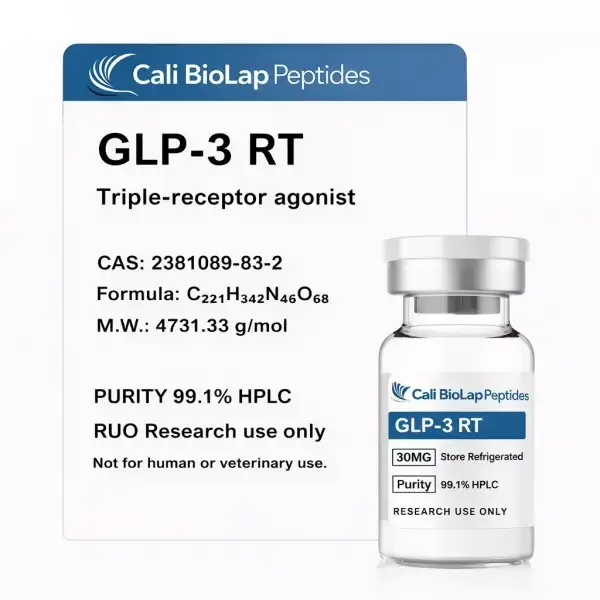
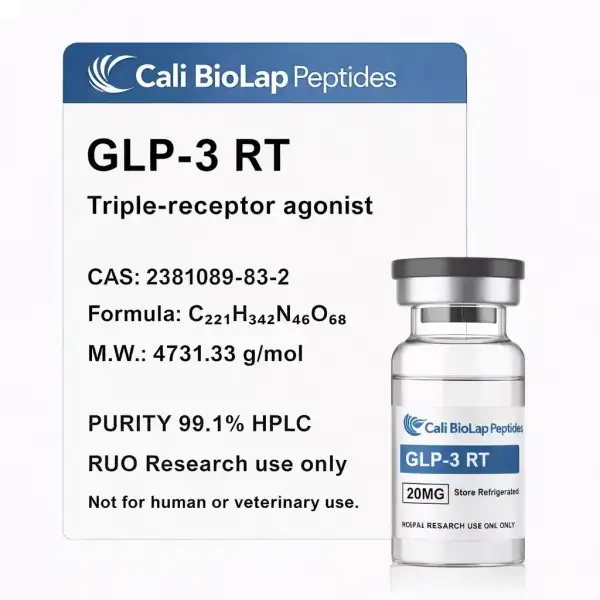
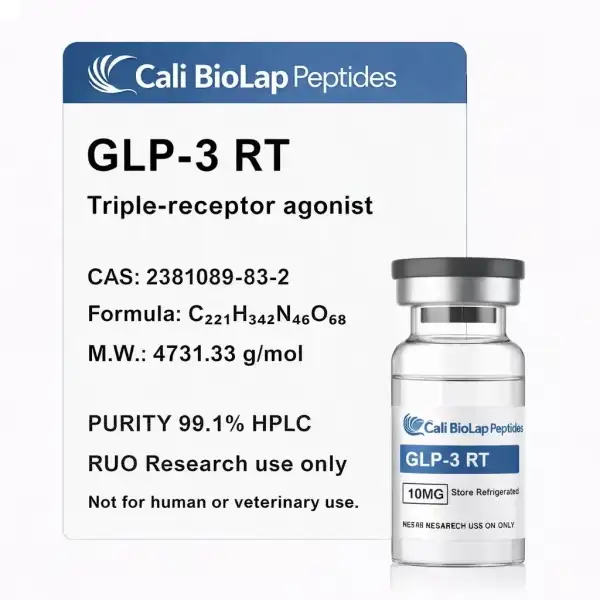
CAS Number: 2381089-83-2
Molecular Formula: C₂₂₁H₃₄₂N₄₆O₆₈
Molecular Weight: 4731.33 g/mol
Form: Lyophilised Solid
Purity: >99.1% (HPLC Verified)
Storage: Store at −20°C, protected from light
Unit Size: 10mg
Usage and Reconstitution
Retatrutide is supplied as a lyophilised solid for long-term stability. For laboratory use, it may be reconstituted with bacteriostatic water or another suitable solvent according to research protocols. For detailed handling guidance, please refer to our peptide reconstitution page.
Retatrutide has been investigated in preclinical and laboratory studies for its potential influence on:
Weight Management – Explored for roles in appetite suppression, reduced caloric intake, and body fat composition.
Glycaemic Control – Studied for its effects on glucose regulation through incretin pathways.
Metabolic Health – Researched for its potential to enhance energy expenditure and improve metabolic efficiency.
References available on request or through our research archive.
Why Order Retatrutide from Cali BioLab Peptides?
99.1% purity, HPLC-verified
COA provided with every batch
Secure ordering and fast USA delivery
Transparent, research-focused supplier
Excellent customer support and trusted reviews
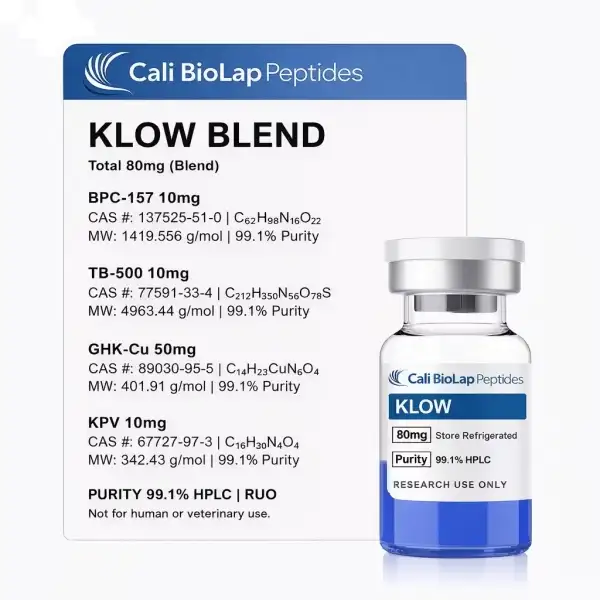
Klow Blend 80mg BPC-157 TB-500 KPV GHK-Cu – The Four-Peptide Powerhouse Engineered for Maximum Tissue Repair & Recovery Research
What if four of the most intensively studied regenerative peptides in modern biochemistry were combined in precise ratios inside one vial, creating a synergistic research tool capable of simultaneously accelerating tendon/ligament healing, suppressing inflammation at multiple checkpoints, promoting angiogenesis, stimulating collagen remodeling, protecting against oxidative damage, and supporting full-spectrum soft-tissue recovery—all in models where single-peptide approaches fall short? That is exactly what labs worldwide are beginning to explore with the Klow Blend 80mg BPC-157 TB-500 KPV GHK-Cu, the most comprehensive all-in-one regenerative peptide formulation currently available for serious tissue-repair and anti-inflammatory research.
At Cali BioLab Peptides, the Klow Blend 80mg BPC-157 TB-500 KPV GHK-Cu is supplied as a sterile, high-purity lyophilized powder in an 80mg total vial (typical breakdown: 20mg BPC-157 + 20mg TB-500 + 20mg KPV + 20mg GHK-Cu), third-party HPLC/MS verified, batch-specific COAs included, and shipped fast within the USA. Designed exclusively for qualified researchers conducting in-vitro, ex-vivo, or ethically approved animal model studies.
Strict Disclaimer: For laboratory and scientific research use only. Not for human consumption, therapeutic, diagnostic, veterinary, or any non-research application. Strictly intended for qualified researchers conducting in-vitro, ex-vivo, or ethically approved animal model studies. Cali BioLab Peptides maintains full regulatory compliance.
The Lab That Turned Chronic Tendon Injury Research Upside Down: Dr. Elena’s Achilles Tendinopathy Model
In a tendon and ligament regeneration lab at a leading European sports-medicine university, Dr. Elena Moreau had spent three years perfecting a chronic Achilles tendinopathy model in rats using collagenase injection + mechanical overload. Control animals showed persistent matrix disorganization, low collagen I/III ratio, elevated inflammatory cytokines (TNF-α, IL-1β, IL-6), poor angiogenesis (low VEGF/CD31), minimal tenocyte proliferation, and functional deficits (reduced tensile strength, impaired gait) even 12 weeks post-injury.
Single-peptide protocols (high-dose BPC-157, TB-500 monotherapy, GHK-Cu topical) produced partial improvements but never achieved full structural and functional restoration. Elena hypothesized that simultaneous multi-pathway targeting could break the chronicity cycle. She ordered the Klow Blend 80mg BPC-157 TB-500 KPV GHK-Cu from Cali BioLab Peptides. The 80mg vial arrived sterile and lyophilized with COA confirming >99% purity across all four components.
In her 8-week protocol, Elena administered subcutaneous Klow Blend 80mg BPC-157 TB-500 KPV GHK-Cu (~200–400 μg/kg total daily, divided doses). The results were unprecedented in her lab: treated tendons displayed near-normal collagen alignment (polarized light microscopy), restored I/III ratio, dramatically reduced inflammatory infiltrate (histology & cytokine ELISA), robust neovascularization (CD31/VEGF staining), significantly increased tenocyte density and proliferation (Ki-67), and functional recovery approaching sham levels (tensile testing, gait analysis). Most impressively, the blend outperformed any single-peptide or two-peptide combination she had previously tested.
Elena’s publication in a top regenerative medicine journal described the Klow Blend 80mg BPC-157 TB-500 KPV GHK-Cu as the first formulation to achieve near-complete resolution of chronic tendinopathy hallmarks in a validated model, opening doors to new grants and industry collaborations focused on multi-target peptide therapeutics. The blend has since become the default starting point for her group’s tendon, ligament, and soft-tissue repair studies.
What Exactly Is the Klow Blend 80mg BPC-157 TB-500 KPV GHK-Cu?
The Klow Blend 80mg BPC-157 TB-500 KPV GHK-Cu is a precisely formulated four-peptide combination designed for researchers who want to study multi-pathway regenerative and anti-inflammatory synergy in a single preparation. Typical breakdown (subject to batch-specific COA):
BPC-157 20mg – Body Protection Compound-157 (pentadecapeptide)
TB-500 20mg – Thymosin Beta-4 fragment (43-amino-acid actin-sequestering peptide)
KPV 20mg – Lys-Pro-Val (C-terminal tripeptide of α-MSH)
When combined in the Klow Blend 80mg BPC-157 TB-500 KPV GHK-Cu, researchers can study emergent synergistic effects on full-thickness tissue repair that single agents rarely achieve.
Usage and Reconstitution Guidelines
Allow vial to reach room temperature.
Add 2–4 mL bacteriostatic water or sterile PBS; gently swirl (avoid vigorous shaking).
Stock concentration example: 20–40 mg/mL total blend.
Aliquot immediately → store at –80 °C. Thawed aliquots stable 2–8 °C for 7–14 days.
Typical research dosing: 100–500 μg/kg total blend (subcutaneous, intraperitoneal, or localized injection).
Research Applications of Klow Blend 80mg BPC-157 TB-500 KPV GHK-Cu
Q: Why combine all four peptides instead of using them separately? A: The Klow Blend 80mg BPC-157 TB-500 KPV GHK-Cu allows researchers to study true multi-target synergy on overlapping pathways (angiogenesis, matrix remodeling, inflammation resolution, epithelial protection) in a single preparation—often revealing emergent effects not seen with sequential or individual dosing.
Q: What is the typical dosing ratio in the Klow Blend? A: Standard formulation is 20mg BPC-157 + 20mg TB-500 + 20mg KPV + 20mg GHK-Cu per 80mg vial. Always confirm exact composition via batch COA.
Q: Is the Klow Blend 80mg BPC-157 TB-500 KPV GHK-Cu stable after reconstitution? A: Yes—stable 7–14 days at 2–8 °C when aliquoted; freeze for longer storage.
Q: Can it be used in chronic inflammation or fibrosis models? A: Yes—preclinical rationale supports investigation in fibrosis, chronic tendinopathy, IBD analogs, and adhesion models.
Q: How to verify batch composition? A: Cross-reference the batch-specific COA provided with your order.
One Question That Could Define Your Next Regenerative Study
If you could target four complementary repair pathways simultaneously in a chronic injury or inflammatory model right now, which tissue—tendon/ligament, skin/mucosa, muscle, or joint—would you prioritize first, and what single endpoint (tensile strength, collagen organization, cytokine suppression, angiogenesis) would you measure to prove synergy?
Your answer might just become the foundation of your next publication.
In summary, the Klow Blend 80mg BPC-157 TB-500 KPV GHK-Cu from Cali BioLab Peptides is the most comprehensive multi-pathway regenerative research tool currently available. With exceptional purity, balanced formulation, reliable supply, and growing preclinical rationale, it's ready to accelerate your 2026 soft-tissue and inflammation-resolution studies.
Order your Klow Blend 80mg BPC-157 TB-500 KPV GHK-Cu today at Cali BioLab Peptides and investigate true regenerative synergy with confidence.
Free home delivery
Provide free home delivery for
all product over $200 and Timely Delivery
Quality Products
We ensure the product quality
that is our main goal
30 Days Return
Return product within 30 days
for any product you buy and
Online Support
We ensure the product quality
that you can trust easily