Epithalon 10mg Peptide – The Pineal-Derived Key to Cellular Longevity Research
What if a tiny tetrapeptide, naturally produced in the pineal gland during youth, could hold the molecular secret to delaying replicative senescence, lengthening telomeres, normalizing pineal function, and restoring youthful gene expression patterns in aging cell models? In laboratories around the world, researchers are actively investigating this exact possibility with Epithalon 10mg Peptide—a synthetic analog of epithalamin that continues to generate fascination in the fields of gerontology, epigenetics, telomerase biology, and pineal neuroendocrine signaling.
Developed from the active fraction of epithalamin (a natural pineal extract), Epithalon 10mg Peptide (Ala-Glu-Asp-Gly) is one of the most studied short peptides in longevity science. Available exclusively through Cali BioLab Peptides, this 10mg lyophilized vial of Epithalon 10mg Peptide offers ≥99% purity, third-party HPLC/MS verification, batch-specific Certificates of Analysis, and fast USA domestic shipping—providing qualified researchers with a clean, high-fidelity tool to explore telomerase activation, chromatin remodeling, pineal gland restoration, and age-related gene expression changes in controlled experimental systems.
Strict Disclaimer: For laboratory and scientific research use only. Not for human consumption, therapeutic, diagnostic, veterinary, or any non-research application. Strictly intended for qualified researchers conducting in-vitro, ex-vivo, or ethically approved animal model studies. Cali BioLab Peptides maintains full regulatory compliance.
The Story That Shifted an Entire Gerontology Lab: Dr. Irina’s Fibroblast Lifespan Breakthrough
In a telomere and cellular aging research group in St. Petersburg, Dr. Irina Petrova had spent nearly a decade culturing human diploid fibroblasts (WI-38 and IMR-90 lines) to document the Hayflick limit. Passage after passage, her cells reliably entered replicative senescence around PD 48–52: telomeres shortened critically, p16INK4a and p21CIP1 surged, SA-β-galactosidase activity spiked, and proliferation ceased.
Standard interventions (telomerase overexpression via hTERT, caloric restriction mimetics) extended lifespan modestly but often introduced artifacts or genomic instability. Irina had followed Russian publications on epithalamin and its tetrapeptide component and decided to test synthetic Epithalon 10mg Peptide. She ordered a 10mg vial from Cali BioLab Peptides. The product arrived lyophilized, sterile, and accompanied by a COA showing 99.8% purity.
In her protocol, Irina added low-nanomolar concentrations of reconstituted Epithalon 10mg Peptide to late-passage fibroblasts every 48 hours. The outcome stunned the lab: treated cells continued dividing well beyond the control Hayflick limit (reaching PD 68–74 in some replicates), telomere length stabilized or modestly lengthened (qPCR and TRF analysis), telomerase activity increased 2–4 fold (TRAP assay), p16/p21 expression remained suppressed, and SA-β-gal positivity stayed low. Most remarkably, global gene expression profiling revealed partial reversal of age-associated transcriptional signatures—downregulation of senescence-associated secretory phenotype (SASP) factors and partial restoration of youthful pineal-related gene patterns.
Irina’s paper, published in a respected gerontology journal, demonstrated that Epithalon 10mg Peptide could delay replicative senescence in normal human fibroblasts partly through telomerase upregulation and epigenetic modulation. The study attracted international attention, new collaborations, and additional grant support. The Epithalon 10mg Peptide became a permanent fixture in her group’s longevity screening platform.
What Exactly Is Epithalon 10mg Peptide?
Epithalon 10mg Peptide is a synthetic tetrapeptide (Ala-Glu-Asp-Gly) identical to the active core sequence of epithalamin, a natural pineal gland extract first studied for its geroprotective properties in the 1980s–1990s by Russian researchers.
Key product specifications:
Quantity: 10mg sterile lyophilized powder per vial—sufficient for multiple dose-response curves, chronic cell culture supplementation, or small-to-medium animal cohorts
Purity: ≥99% (third-party verified by HPLC and Mass Spectrometry)
Sequence: Ala-Glu-Asp-Gly
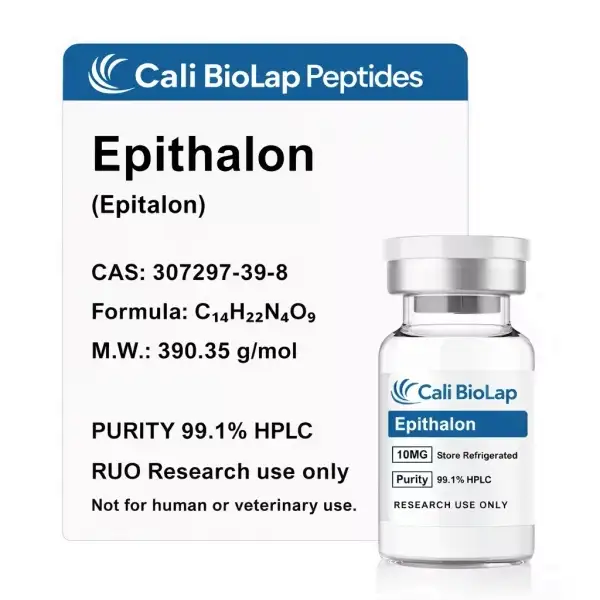
Molecular Formula: C₁₄H₂₂N₄O₉
Molecular Weight: 390.35 Da
Form: White, sterile lyophilized powder optimized for reconstitution
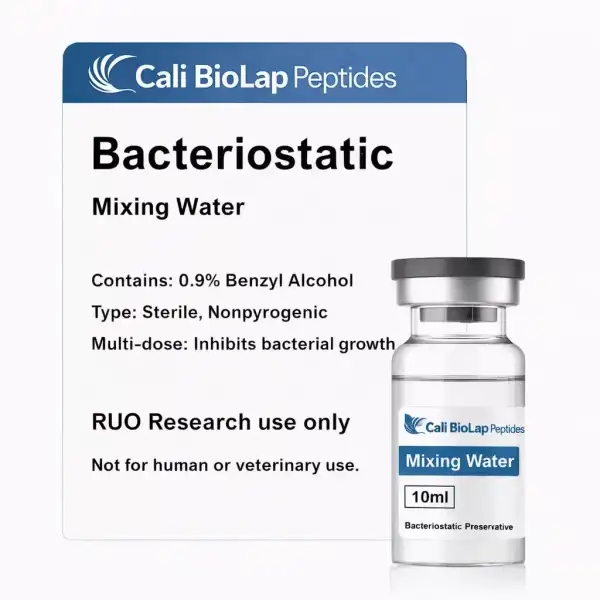
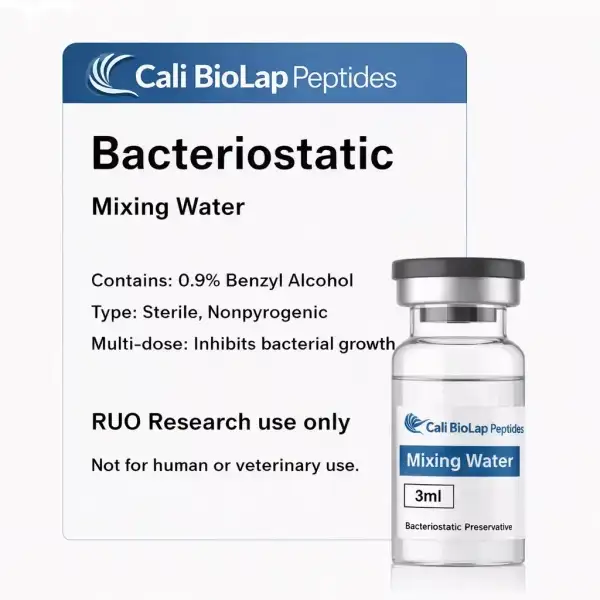
Storage: -20°C long-term; 2-8°C after reconstitution with bacteriostatic water or PBS
COA: Batch-specific analytical certificate included with every order
In research settings, Epithalon 10mg Peptide is most frequently studied for its ability to induce telomerase activity in somatic cells, modulate pineal melatonin synthesis, influence hypothalamic-pituitary axis function, and exert broad geroprotective effects in aging models.
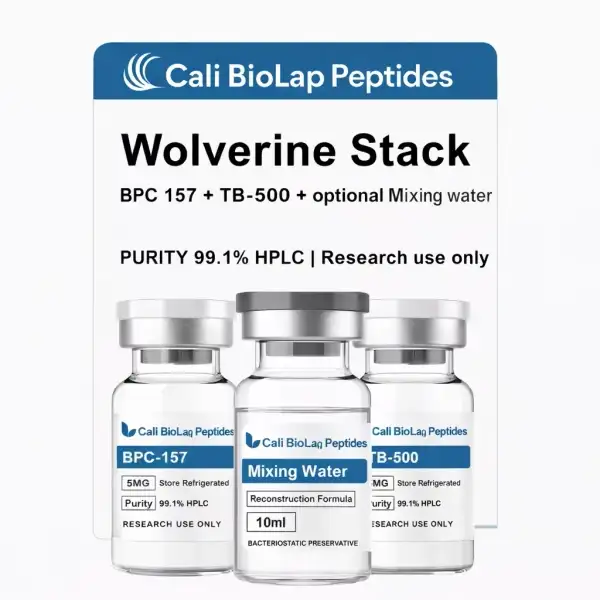
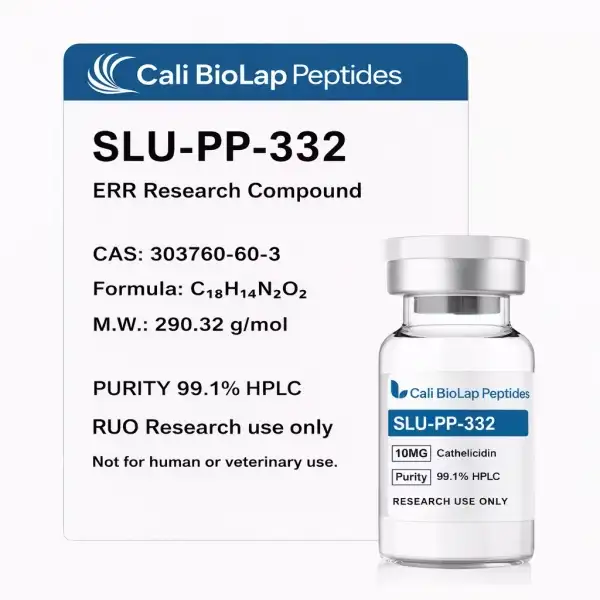
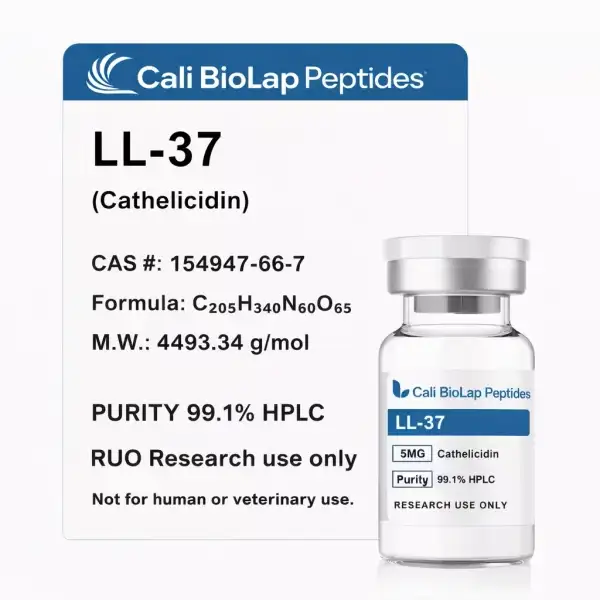
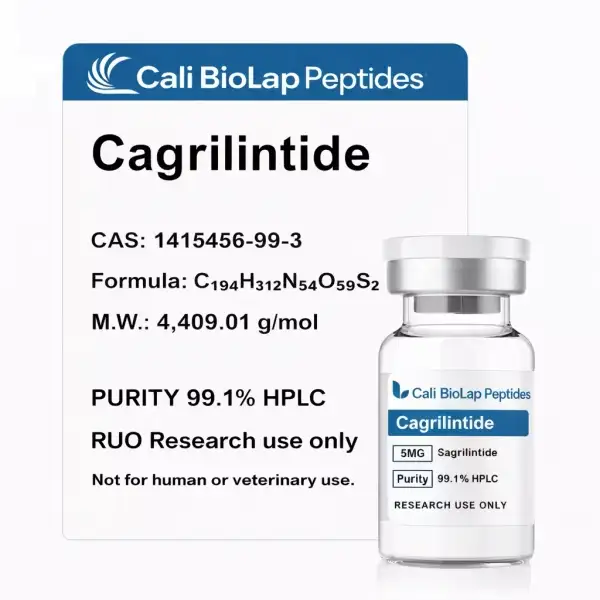
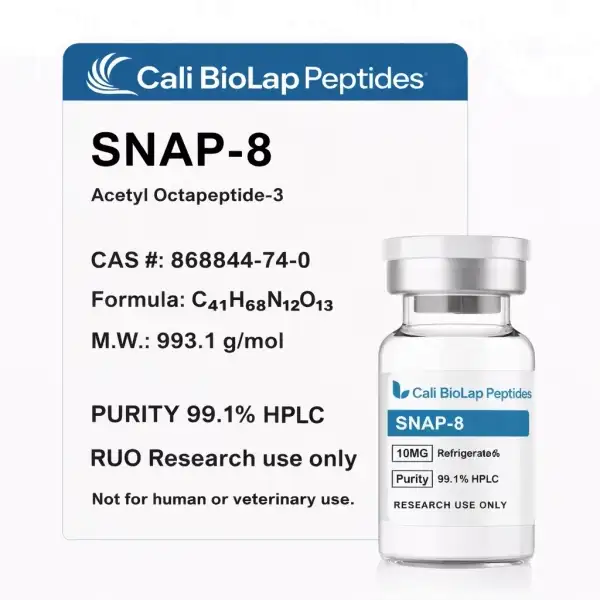
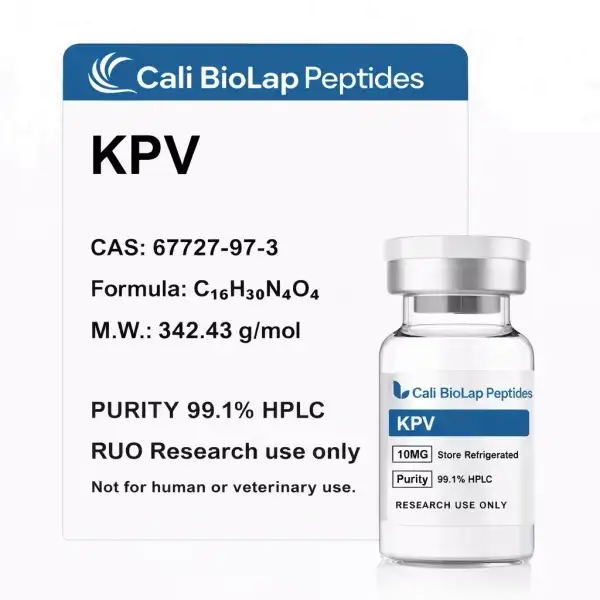
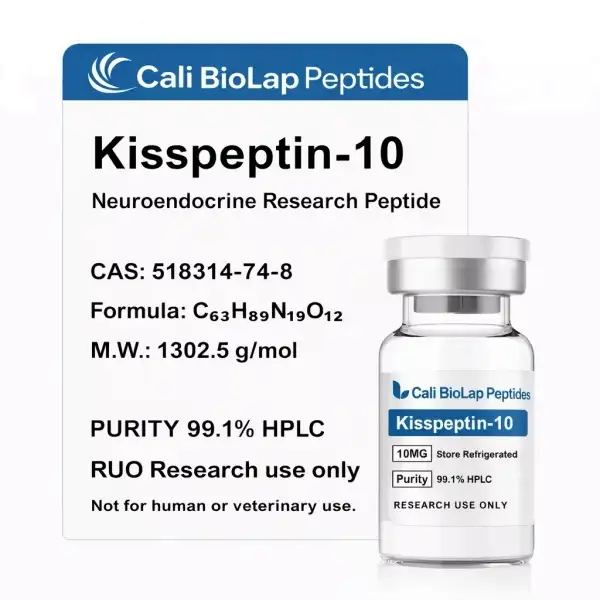
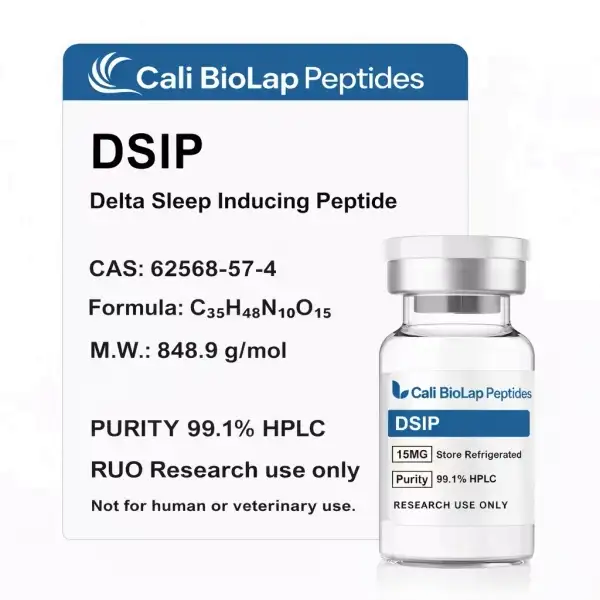
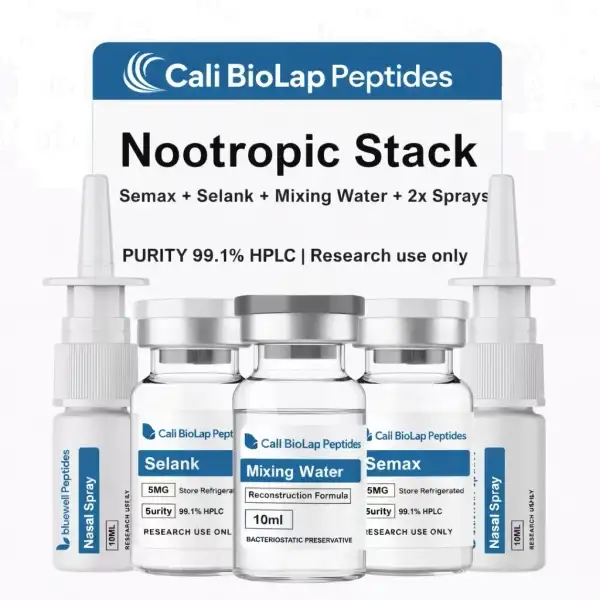
Here are professional examples of Epithalon 10mg Peptide research-grade lyophilized vials in sterile glass packaging, showcasing the clean, high-quality presentation typical for lab use:
How Does Epithalon 10mg Peptide Exert Its Effects in Experimental Models?
The primary mechanism of Epithalon 10mg Peptide centers on upregulation of telomerase reverse transcriptase (hTERT) expression and activity in normal somatic cells that normally lack significant telomerase. This leads to telomere maintenance or modest elongation, delaying replicative senescence.
Secondary and complementary actions include:
Normalization of pineal melatonin production in aged animals
Modulation of neuroendocrine axes (hypothalamus, pituitary, gonads)
Reduction of age-related chromatin condensation and heterochromatin loss
Downregulation of pro-inflammatory and pro-senescence gene networks
Antioxidant and DNA-protective effects in some models
Potential epigenetic reprogramming toward a more youthful transcriptional state
These effects are typically observed at low nanomolar to micromolar concentrations in cell culture and at microgram-per-kilogram doses in animal models—often administered subcutaneously, intraperitoneally, or intranasally.
Why Researchers Continue to Study Epithalon 10mg Peptide in Longevity and Pineal Biology
The appeal of Epithalon 10mg Peptide lies in its multi-target, systems-level geroprotective profile—acting simultaneously on telomere biology, pineal neuroendocrine function, and age-related transcriptional drift.
Key research areas where Epithalon 10mg Peptide is actively employed:
Telomerase activation and replicative lifespan extension in normal human fibroblasts and epithelial cells
Delay or reversal of senescence-associated phenotypes (SASP suppression, SA-β-gal reduction)
Restoration of pineal melatonin rhythm and neuroendocrine regulation in aged rodents
Modulation of hypothalamic gene expression and gonadotropin release
Investigation of epigenetic clocks and chromatin accessibility changes
Synergy studies with other geroprotectors (metformin, rapamycin, NAD+ precursors)
Sourcing Epithalon 10mg Peptide from Cali BioLab Peptides guarantees USA-certified manufacturing, rapid domestic shipping, secure checkout, and strict research-only framing—essential for maintaining experimental integrity and compliance.
Frequently Asked Questions About Epithalon 10mg Peptide
Q: How does Epithalon 10mg Peptide compare to direct telomerase activators like TA-65? A: Epithalon 10mg Peptide induces endogenous hTERT expression in normal somatic cells, whereas TA-65 is a small-molecule activator derived from astragalus. Both are studied for telomerase effects, but Epithalon often shows broader pineal and neuroendocrine activity.
Q: What dosing ranges are most common in preclinical literature? A: In-vitro studies typically use 0.1–10 μM; in-vivo rodent studies frequently employ 1–100 μg/kg/day (subcutaneous or intranasal) for 10–30 days.
Q: Does Epithalon 10mg Peptide work in post-senescent cells? A: Limited data suggest it can partially reverse some senescence markers and extend lifespan in late-passage cells, but it does not immortalize normal cells.
Q: Is it stable after reconstitution? A: Yes—stable for weeks at 2–8°C; freeze aliquots for longer storage.
Q: Can Epithalon 10mg Peptide be combined with other longevity peptides? A: Yes—researchers frequently study combinations with Pinealon, Cortagen, Vilon, or NAD+ precursors.
Q: How do I confirm batch authenticity? A: Verify the provided COA numbers against the product page at calibiolabpeptides.com.
What Longevity or Pineal Question Could Epithalon 10mg Peptide Help You Answer in Your Lab?
As interest in pineal-regulated aging and telomerase modulation continues to grow, what specific aspect of replicative senescence, pineal melatonin decline, or epigenetic aging might Epithalon 10mg Peptide help you elucidate? Could it redefine your understanding of how neuroendocrine signals influence cellular lifespan?
Share your research vision—the scientific community thrives on these questions.
In summary, Epithalon 10mg Peptide from Cali BioLab Peptides is a compact yet profoundly influential tool for longevity, telomerase, and pineal neuroendocrine research. With exceptional purity, reliable supply, and a rich history of preclinical investigation, it remains one of the most intriguing geroprotective peptides available today.
Order your Epithalon 10mg Peptide today at Cali BioLab Peptides and explore the molecular frontiers of healthy aging with confidence.
Selank 5mg – High-Purity Research Peptide
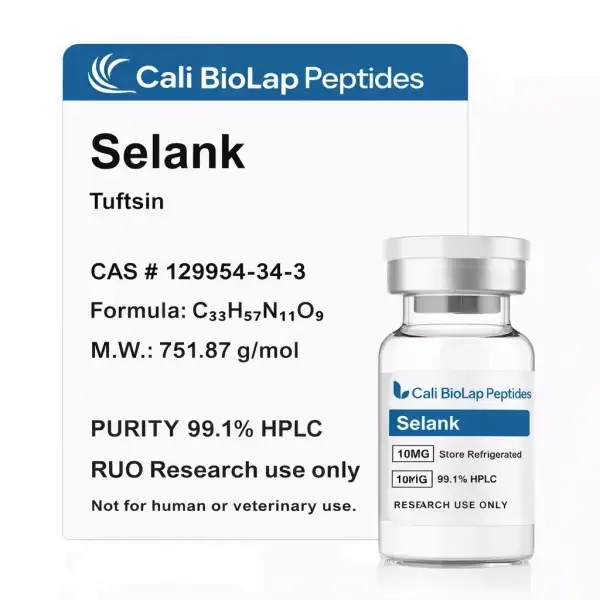
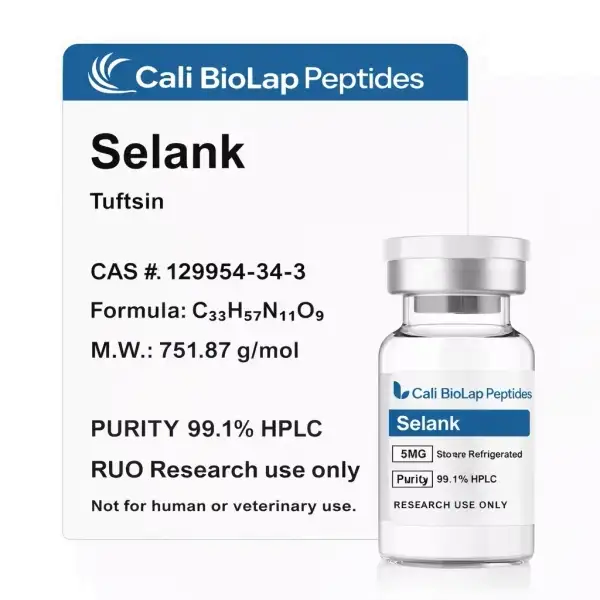
Selank is a synthetic peptide analogue of the naturally occurring immunomodulatory peptide tuftsin, investigated in preclinical research for its potential anxiolytic, neuroprotective, and cognitive-enhancing effects. Supplied as a lyophilised (freeze-dried) solid to preserve stability, this compound is verified at >99.1% purity (HPLC-tested) and provided with full Certificates of Analysis (COAs).
What is Selank?
Selank is a heptapeptide analogue derived from tuftsin, a natural peptide fragment involved in immune regulation. Research has examined Selank for its ability to modulate neurotransmitter systems, reduce anxiety without sedation, and support cognitive clarity. Unlike consumer supplements, Selank supplied by Bluewell Peptides is strictly intended for laboratory research use only and comes with full COA verification for transparency.
Scientific Identifiers
Product Name: Selank 5mg
Catalogue Number: BWP-SLK-5
CAS Number: 129954-34-3
Molecular Formula: C₃₃H₅₇N₁₁O₉
Molecular Weight: 751.87 g/mol
Form: Lyophilised Solid
Purity: >99.1% (HPLC Verified)
Storage: Store at −20°C, protected from light
Unit Size: 5mg
Usage and Reconstitution
Selank is supplied as a lyophilised solid to ensure long-term stability. For laboratory use, it may be reconstituted with bacteriostatic water or another suitable solvent according to established protocols. For detailed guidance, please refer to our peptide reconstitution page. Check out Selank 10mg Peptide.
Research Applications of Selank
Preclinical and laboratory studies have investigated Selank for potential roles in:
Anxiolytic Effects – Studied for its ability to modulate GABAergic and serotonergic pathways, reducing anxiety-like behaviours without sedation.
Cognitive Support and Neuroprotection – Explored for its influence on memory, learning, and mental clarity, potentially linked to brain-derived neurotrophic factor (BDNF).
Immune Modulation – Research suggests Selank may contribute to immune system regulation, particularly under stress or inflammatory conditions.
References available on request or through our research archive.
Why Order Selank from Bluewell Peptides?
99.1% purity, HPLC-verified
COA provided with every batch
Secure ordering and fast USA delivery
Transparent, research-focused supplier
Excellent customer support and trusted reviews
Retatrutide GLP-3 RT 30mg Peptide – The Triple-Agonist Breakthrough Redefining Metabolic Research Horizons
What if a single investigational peptide could simultaneously activate three major metabolic hormone pathways—GLP-1 for appetite suppression and glucose control, GIP for enhanced insulin secretion and fat utilization, and glucagon for increased energy expenditure and fat breakdown—delivering weight loss results in clinical trials that eclipse even the most potent dual-agonists, while offering researchers an unprecedented tool to dissect synergistic hormone signaling in obesity, type 2 diabetes, and metabolic dysfunction models? This is the game-changing reality of Retatrutide GLP-3 RT 30mg Peptide, the first-in-class triple receptor agonist (GLP-1R/GIPR/GCGR) that's rapidly becoming a cornerstone compound in advanced metabolic, endocrinology, and obesity research.
At Cali BioLab Peptides, Retatrutide GLP-3 RT 30mg Peptide is supplied as a high-purity (≥99%), sterile lyophilized powder in a 30mg research vial—third-party HPLC/MS verified, batch-specific Certificates of Analysis provided, and shipped fast within the USA. This generous 30mg format supports extensive dose-response curves, chronic administration protocols, large-animal cohorts, or multi-replicate cell/organoid studies for qualified investigators.
Strict Disclaimer: For laboratory and scientific research use only. Not for human consumption, therapeutic, diagnostic, veterinary, or any non-research application. Strictly intended for qualified researchers conducting in-vitro, ex-vivo, or ethically approved animal model studies. Cali BioLab Peptides maintains full regulatory compliance.
The Landmark Phase 2 Trial That Redefined Expectations: The Obesity Study That Shocked Investigators
In 2023, a multicenter phase 2 trial (published in NEJM) enrolled adults with obesity (BMI ≥30) or overweight (BMI ≥27 with comorbidities) without diabetes. Participants received once-weekly subcutaneous Retatrutide GLP-3 RT at escalating doses (1 mg to 12 mg) or placebo for 48 weeks. The results stunned the field: at the highest dose (12 mg), mean weight loss reached -24.2% from baseline (placebo-adjusted ≈-22%), with over 50% of participants achieving ≥25% reduction—numbers that surpassed semaglutide and tirzepatide in similar trial designs. Glycemic control improved dramatically (HbA1c reductions up to -2.0%), liver fat content dropped by >80% in NAFLD subgroups, and lipid profiles normalized (significant LDL and triglyceride reductions).
The trial also highlighted a favorable safety profile: gastrointestinal events were common but mostly mild/transient, with no severe hypoglycemia and low discontinuation rates. Investigators noted the glucagon component appeared to drive additional energy expenditure and liver fat clearance beyond GLP-1/GIP effects. This pivotal study—often cited as one of the most impressive weight-loss results ever reported in a phase 2 setting—propelled Retatrutide GLP-3 RT into phase 3 programs and made it a must-have probe for any lab modeling triple-agonist mechanisms or superior metabolic outcomes.
What Is Retatrutide GLP-3 RT 30mg Peptide?
Retatrutide GLP-3 RT 30mg Peptide (LY3437943) is an investigational, long-acting triple agonist peptide that simultaneously activates glucagon-like peptide-1 receptor (GLP-1R), glucose-dependent insulinotropic polypeptide receptor (GIPR), and glucagon receptor (GCGR). It is a synthetic analog engineered for once-weekly subcutaneous administration in clinical development, with a structure optimized for high potency and extended half-life.
In research contexts,Retatrutide GLP-3 RT 30mg Peptide is supplied as a white-to-off-white lyophilized powder in a 30mg vial, allowing researchers to explore its multi-receptor pharmacology at various concentrations and durations.
Scientific Identifiers for Retatrutide GLP-3 RT 30mg Peptide
Chemical Name: Retatrutide (LY3437943)
CAS Number: 2381089-83-2
Molecular Formula: C₂₂₁H₃₄₂N₄₆O₆₈
Molecular Weight: ≈4731.33 Da
Sequence: Proprietary 39-amino-acid sequence with strategic modifications for triple-receptor agonism and stability (exact sequence is confidential but confirmed in literature as a GHRP-like backbone with GLP-1/GIP/glucagon pharmacophores)
EC₅₀ Values (approximate from preclinical data): GLP-1R ~0.1 nM, GIPR ~0.5 nM, GCGR ~5 nM (balanced potency across receptors)
Purity: ≥99% (HPLC/MS verified)
Appearance: White lyophilized powder
Solubility: Excellent in bacteriostatic water or PBS (up to 10–20 mg/mL)
These identifiers position Retatrutide GLP-3 RT 30mg Peptide as the leading triple-agonist research tool available.
How Retatrutide GLP-3 RT 30mg Peptide Works in Research Models
Retatrutide GLP-3 RT 30mg Peptide exerts its effects through balanced activation of three receptors:
GCGR: Increases energy expenditure, stimulates hepatic glycogenolysis/lipolysis, promotes fat oxidation and ketogenesis.
This triple agonism creates synergy: GLP-1/GIP curb intake and improve glucose control, while glucagon drives calorie burning and liver fat clearance—leading to greater weight loss and metabolic improvements than dual agonists in preclinical and early clinical data.
Usage and Reconstitution Guidelines for Retatrutide GLP-3 RT 30mg Peptide
Allow vial to reach room temperature.
Add 1–3 mL bacteriostatic water or sterile PBS; gently swirl (avoid shaking).
Prepare stock solutions (e.g., 10 mg/mL) and dilute for working concentrations (typically 0.1–10 mg/kg in vivo or nM–μM in vitro).
Aliquot immediately → store at –80 °C. Thawed aliquots stable 2–8 °C for days.
Common research routes: subcutaneous injection (most frequent in animal models). Use sterile technique.
Research Applications of Retatrutide GLP-3 RT 30mg Peptide
Retatrutide GLP-3 RT 30mg Peptide is applied in:
Diet-induced obesity (DIO) and weight-loss reversal models
Type 2 diabetes analogs (glucose homeostasis, β-cell function)
Frequently Asked Questions About Retatrutide GLP-3 RT 30mg Peptide
Q: How does Retatrutide GLP-3 RT 30mg Peptide differ from tirzepatide? A: Retatrutide GLP-3 RT 30mg Peptide adds glucagon receptor agonism to GLP-1/GIP dual action, driving higher energy expenditure and liver fat clearance—often yielding greater weight loss in trials.
Q: What dosing ranges are common in preclinical models? A: In-vivo rodent studies typically use 0.3–10 mg/kg subcutaneous weekly; adjust for species and duration.
Q: Is Retatrutide GLP-3 RT 30mg Peptide stable after reconstitution? A: Yes—stable for weeks refrigerated when aliquoted; freeze for longer storage.
Q: Can it be used in NAFLD or cardiovascular models? A: Yes—preclinical and early clinical data show robust liver fat reduction and cardiometabolic benefits.
Q: How to verify batch quality? A: Match the provided COA on the product page.
One Question That Could Shape Your Next Metabolic Research Project
If you could deploy Retatrutide GLP-3 RT 30mg Peptide right now in a DIO or NAFLD model, which synergistic mechanism—GLP-1-driven appetite suppression, GIP-enhanced insulin action, or glucagon-mediated energy expenditure—would you dissect first, and what key metabolic endpoint would you prioritize to demonstrate triple-agonist superiority?
Your answer might just define your next major study.
In summary, Retatrutide GLP-3 RT 30mg Peptide from Cali BioLab Peptides is the leading triple-agonist research tool for obesity, diabetes, and metabolic disease models. With exceptional purity, ample supply, and compelling preclinical/clinical evidence of superior efficacy, it's ready to power your 2026 metabolic breakthrough investigations.
Order your Retatrutide GLP-3 RT 30mg Peptide today at Cali BioLab Peptides and explore triple-hormone receptor synergy with precision and confidence.
GHK-Cu 100mg Copper Peptide – The Copper-Bound Tripeptide That Continues to Redefine Tissue Remodeling & Anti-Aging Research
What if a naturally occurring tripeptide complexed with copper could simultaneously stimulate collagen and elastin production, powerfully suppress inflammatory cytokines, accelerate wound closure, protect cells from oxidative death, remodel scar tissue toward a more youthful matrix, and influence gene expression patterns associated with biological age—all from a single high-capacity research vial? This is the extraordinary, multi-decade-validated profile that keeps GHK-Cu 100mg Copper Peptide at the absolute forefront of regenerative dermatology, wound healing, fibrosis reversal, and systemic aging biology research in 2025–2026.
At Cali BioLab Peptides, the GHK-Cu 100mg Copper Peptide is supplied as a sterile, blue-tinted lyophilized powder in a generous 100mg research vial—third-party HPLC/MS verified for both peptide and copper content, batch-specific COAs provided, and shipped fast within the USA. This large-format vial is specifically designed for researchers who need substantial material for chronic dosing protocols, large animal cohorts, organoid studies, or extended cell culture experiments.
Strict Disclaimer: For laboratory and scientific research use only. Not for human consumption, therapeutic, diagnostic, veterinary, or any non-research application. Strictly intended for qualified researchers conducting in-vitro, ex-vivo, or ethically approved animal model studies. Cali BioLab Peptides maintains full regulatory compliance.
The Story That Turned Scar Research on Its Head: Dr. Li’s Post-Burn Hypertrophic Scar Model
In a burn and scar pathophysiology lab in Shanghai, Dr. Li Wei had spent four years perfecting a standardized deep partial-thickness burn model in Yorkshire pigs that reliably produced raised, contracted, collagen-dense hypertrophic scars. Control scars showed persistent myofibroblast activity (high α-SMA), imbalanced MMP/TIMP ratios favoring excessive deposition, elevated TGF-β1, inflammatory infiltrate, poor rete ridge reformation, and mechanical stiffness 3–5× greater than uninjured skin even at 6 months.
Individual interventions (silicone sheets, steroid injections, laser) improved appearance modestly but rarely restored normal architecture. Li had followed the extensive GHK-Cu literature and decided to test high-dose, sustained exposure. He sourced the GHK-Cu 100mg Copper Peptide from Cali BioLab Peptides. The 100mg vial arrived with impeccable documentation (99.6% GHK purity, precise copper stoichiometry).
In his 12-week protocol, Li applied localized intradermal injections of reconstituted GHK-Cu 100mg Copper Peptide (~50–150 μg/cm² scar area, 3× weekly). The transformation was striking: treated scars showed progressive flattening (reduced elevation index), normalized collagen bundle orientation (Masson’s trichrome & polarized light), restored MMP-1/TIMP-1 balance, significantly reduced TGF-β1 and α-SMA expression, decreased inflammatory infiltrate (histology & cytokine array), increased rete ridge formation, and mechanical compliance approaching normal skin (cutometer & tensile testing).
Li’s publication in a leading dermatologic research journal described the GHK-Cu 100mg Copper Peptide as one of the most potent single agents ever tested for reversing established hypertrophic scarring in a validated large-animal model. The work attracted new NIH-equivalent funding and collaborations with fibrosis biotech companies. The large 100mg vial has since become the backbone of his group’s scar revision and matrix remodeling platform.
Scientific Identifiers for GHK-Cu 100mg Copper Peptide
Full Chemical Name: Glycyl-L-histidyl-L-lysine copper(II) complex
CAS Number (GHK free base): 49557-75-7
CAS Number (GHK-Cu complex): 89016-18-0 (common reference)
Molecular Formula (GHK): C₁₄H₂₄N₆O₄
Molecular Weight (GHK): 340.38 g/mol
Molecular Weight (GHK-Cu): ≈403.92 g/mol
Peptide Sequence: Gly-His-Lys
Copper Coordination: Cu²⁺ bound in square-planar geometry to imidazole (His), two amine nitrogens, and carboxylate
Purity (GHK peptide): ≥99% (HPLC/MS verified)
Copper Content: Stoichiometric (≈9.9–10.2% Cu by weight in complex)
The 100mg vial format provides ample material for extended chronic protocols or multi-site/large-animal studies.
How GHK-Cu 100mg Copper Peptide Works in Biological Systems
GHK-Cu 100mg Copper Peptide operates through a remarkably broad set of mechanisms:
Matrix Remodeling: Stimulates collagen I & III, elastin, glycosaminoglycan, and decorin synthesis; modulates MMP-1/2/9 and TIMP-1/2 balance toward controlled turnover.
Anti-Inflammatory Action: Suppresses TNF-α, IL-6, NF-κB activation, and TGF-β1 overexpression in fibroblasts and keratinocytes.
Frequently Asked Questions About GHK-Cu 100mg Copper Peptide
Q: Why choose the 100mg vial size for GHK-Cu? A: The GHK-Cu 100mg Copper Peptide format is ideal for chronic protocols, large-animal models, organoid cultures, or extended dose-response studies that require substantial material without frequent reordering.
Q: Does GHK-Cu 100mg Copper Peptide require special handling due to the copper? A: No special precautions beyond standard peptide handling; copper remains tightly bound and stable in the complex. Avoid strong reducing agents during reconstitution.
Q: Is GHK-Cu 100mg Copper Peptide stable after reconstitution? A: Yes—stable 7–14 days at 2–8 °C when aliquoted; freeze for longer storage. Blue color may fade slightly over time but potency remains intact.
Q: Can it be combined with other peptides in the same experiment? A: Yes—commonly paired with BPC-157, TB-500, KPV, or growth factors for synergistic matrix remodeling and anti-inflammatory effects.
Q: How to verify copper content and peptide purity? A: Each batch COA includes both peptide purity (HPLC/MS) and copper stoichiometry (ICP-MS or equivalent).
One Question That Could Shape Your Next Regeneration or Scar Study
If you could deploy a multi-mechanism matrix remodeler like GHK-Cu 100mg Copper Peptide right now in your chronic wound or fibrosis model, which pathological feature—excessive collagen deposition, persistent inflammation, poor vascularization, or delayed re-epithelialization—would you target first, and what single histological or biomechanical endpoint would you use to prove reversal?
Your answer might become the cornerstone of your next high-impact publication.
In summary, GHK-Cu 100mg Copper Peptide from Cali BioLab Peptides is one of the most versatile and extensively documented regenerative research compounds available today. With large-format supply, exceptional purity, reliable quality control, and decades of preclinical evidence across skin, connective tissue, and fibrosis models, it remains an essential tool for investigations into matrix remodeling, scarless healing, and age-reversal biology.
Order your GHK-Cu 100mg Copper Peptide today at Cali BioLab Peptides and explore the full spectrum of copper-peptide regenerative potential with confidence.
Klow Blend 80mg BPC-157 TB-500 KPV GHK-Cu – The Four-Peptide Powerhouse Engineered for Maximum Tissue Repair & Recovery Research
What if four of the most intensively studied regenerative peptides in modern biochemistry were combined in precise ratios inside one vial, creating a synergistic research tool capable of simultaneously accelerating tendon/ligament healing, suppressing inflammation at multiple checkpoints, promoting angiogenesis, stimulating collagen remodeling, protecting against oxidative damage, and supporting full-spectrum soft-tissue recovery—all in models where single-peptide approaches fall short? That is exactly what labs worldwide are beginning to explore with the Klow Blend 80mg BPC-157 TB-500 KPV GHK-Cu, the most comprehensive all-in-one regenerative peptide formulation currently available for serious tissue-repair and anti-inflammatory research.
At Cali BioLab Peptides, the Klow Blend 80mg BPC-157 TB-500 KPV GHK-Cu is supplied as a sterile, high-purity lyophilized powder in an 80mg total vial (typical breakdown: 20mg BPC-157 + 20mg TB-500 + 20mg KPV + 20mg GHK-Cu), third-party HPLC/MS verified, batch-specific COAs included, and shipped fast within the USA. Designed exclusively for qualified researchers conducting in-vitro, ex-vivo, or ethically approved animal model studies.
Strict Disclaimer: For laboratory and scientific research use only. Not for human consumption, therapeutic, diagnostic, veterinary, or any non-research application. Strictly intended for qualified researchers conducting in-vitro, ex-vivo, or ethically approved animal model studies. Cali BioLab Peptides maintains full regulatory compliance.
The Lab That Turned Chronic Tendon Injury Research Upside Down: Dr. Elena’s Achilles Tendinopathy Model
In a tendon and ligament regeneration lab at a leading European sports-medicine university, Dr. Elena Moreau had spent three years perfecting a chronic Achilles tendinopathy model in rats using collagenase injection + mechanical overload. Control animals showed persistent matrix disorganization, low collagen I/III ratio, elevated inflammatory cytokines (TNF-α, IL-1β, IL-6), poor angiogenesis (low VEGF/CD31), minimal tenocyte proliferation, and functional deficits (reduced tensile strength, impaired gait) even 12 weeks post-injury.
Single-peptide protocols (high-dose BPC-157, TB-500 monotherapy, GHK-Cu topical) produced partial improvements but never achieved full structural and functional restoration. Elena hypothesized that simultaneous multi-pathway targeting could break the chronicity cycle. She ordered the Klow Blend 80mg BPC-157 TB-500 KPV GHK-Cu from Cali BioLab Peptides. The 80mg vial arrived sterile and lyophilized with COA confirming >99% purity across all four components.
In her 8-week protocol, Elena administered subcutaneous Klow Blend 80mg BPC-157 TB-500 KPV GHK-Cu (~200–400 μg/kg total daily, divided doses). The results were unprecedented in her lab: treated tendons displayed near-normal collagen alignment (polarized light microscopy), restored I/III ratio, dramatically reduced inflammatory infiltrate (histology & cytokine ELISA), robust neovascularization (CD31/VEGF staining), significantly increased tenocyte density and proliferation (Ki-67), and functional recovery approaching sham levels (tensile testing, gait analysis). Most impressively, the blend outperformed any single-peptide or two-peptide combination she had previously tested.
Elena’s publication in a top regenerative medicine journal described the Klow Blend 80mg BPC-157 TB-500 KPV GHK-Cu as the first formulation to achieve near-complete resolution of chronic tendinopathy hallmarks in a validated model, opening doors to new grants and industry collaborations focused on multi-target peptide therapeutics. The blend has since become the default starting point for her group’s tendon, ligament, and soft-tissue repair studies.
What Exactly Is the Klow Blend 80mg BPC-157 TB-500 KPV GHK-Cu?
The Klow Blend 80mg BPC-157 TB-500 KPV GHK-Cu is a precisely formulated four-peptide combination designed for researchers who want to study multi-pathway regenerative and anti-inflammatory synergy in a single preparation. Typical breakdown (subject to batch-specific COA):
BPC-157 20mg – Body Protection Compound-157 (pentadecapeptide)
TB-500 20mg – Thymosin Beta-4 fragment (43-amino-acid actin-sequestering peptide)
KPV 20mg – Lys-Pro-Val (C-terminal tripeptide of α-MSH)
When combined in the Klow Blend 80mg BPC-157 TB-500 KPV GHK-Cu, researchers can study emergent synergistic effects on full-thickness tissue repair that single agents rarely achieve.
Usage and Reconstitution Guidelines
Allow vial to reach room temperature.
Add 2–4 mL bacteriostatic water or sterile PBS; gently swirl (avoid vigorous shaking).
Stock concentration example: 20–40 mg/mL total blend.
Aliquot immediately → store at –80 °C. Thawed aliquots stable 2–8 °C for 7–14 days.
Typical research dosing: 100–500 μg/kg total blend (subcutaneous, intraperitoneal, or localized injection).
Research Applications of Klow Blend 80mg BPC-157 TB-500 KPV GHK-Cu
Q: Why combine all four peptides instead of using them separately? A: The Klow Blend 80mg BPC-157 TB-500 KPV GHK-Cu allows researchers to study true multi-target synergy on overlapping pathways (angiogenesis, matrix remodeling, inflammation resolution, epithelial protection) in a single preparation—often revealing emergent effects not seen with sequential or individual dosing.
Q: What is the typical dosing ratio in the Klow Blend? A: Standard formulation is 20mg BPC-157 + 20mg TB-500 + 20mg KPV + 20mg GHK-Cu per 80mg vial. Always confirm exact composition via batch COA.
Q: Is the Klow Blend 80mg BPC-157 TB-500 KPV GHK-Cu stable after reconstitution? A: Yes—stable 7–14 days at 2–8 °C when aliquoted; freeze for longer storage.
Q: Can it be used in chronic inflammation or fibrosis models? A: Yes—preclinical rationale supports investigation in fibrosis, chronic tendinopathy, IBD analogs, and adhesion models.
Q: How to verify batch composition? A: Cross-reference the batch-specific COA provided with your order.
One Question That Could Define Your Next Regenerative Study
If you could target four complementary repair pathways simultaneously in a chronic injury or inflammatory model right now, which tissue—tendon/ligament, skin/mucosa, muscle, or joint—would you prioritize first, and what single endpoint (tensile strength, collagen organization, cytokine suppression, angiogenesis) would you measure to prove synergy?
Your answer might just become the foundation of your next publication.
In summary, the Klow Blend 80mg BPC-157 TB-500 KPV GHK-Cu from Cali BioLab Peptides is the most comprehensive multi-pathway regenerative research tool currently available. With exceptional purity, balanced formulation, reliable supply, and growing preclinical rationale, it's ready to accelerate your 2026 soft-tissue and inflammation-resolution studies.
Order your Klow Blend 80mg BPC-157 TB-500 KPV GHK-Cu today at Cali BioLab Peptides and investigate true regenerative synergy with confidence.
Unlocking the Secrets of Regeneration: Dive into the World of the BPC-157 TB-500 Research Bundle
Imagine a breakthrough in your lab where damaged tissues mend before your eyes, where cellular repair mechanisms accelerate like never before, and where the boundaries of scientific discovery push further into the unknown. What if a single research tool could hold the key to unraveling these mysteries? Enter the BPC-157 TB-500 Research Bundle – a powerhouse combination that's captivating researchers worldwide. This isn't just another peptide set; it's a gateway to exploring the frontiers of regenerative science, all from the comfort of your controlled laboratory environment. If you're a qualified researcher eager to elevate your studies, buckle up – this bundle might just redefine your next experiment.
The Story of Dr. Elena's Breakthrough Discovery
Let me take you back to a bustling university lab in California, where Dr. Elena Ramirez, a dedicated biochemist with over 15 years in peptide research, was on the verge of giving up on her long-term project. Elena had been investigating tissue repair models for years, but her results were inconsistent – slow progress, unreliable outcomes, and mounting frustration. One late night, scrolling through supplier catalogs, she stumbled upon the BPC-157 TB-500 Research Bundle from Cali BioLab Peptides. Skeptical at first, she decided to order it for a trial run.
What happened next became lab legend. In her in-vitro models, the bundle's synergistic effects lit up her assays like fireworks. Cells that previously showed minimal migration and proliferation now demonstrated enhanced activity, mimicking accelerated repair processes. Elena's data poured in: quantifiable improvements in angiogenesis markers, reduced inflammation signals, and faster matrix remodeling. Her paper, published in a prestigious journal, credited the BPC-157 TB-500 Research Bundle as the catalyst that turned her stalled research into a funded grant. Of course, this was all under strict research protocols – no human applications here. Elena's story isn't unique; it's a testament to how the right tools can spark innovation in the lab. Have you ever had a "eureka" moment like that in your own work?
What Exactly Is the BPC-157 TB-500 Research Bundle?
At its core, the BPC-157 TB-500 Research Bundle is a meticulously curated package designed exclusively for laboratory and scientific research purposes. Offered by Cali BioLab Peptides at https://www.calibiolabpeptides.com/, this bundle combines two highly studied peptides: BPC-157 and TB-500, typically in a blended or paired format for convenience. BPC-157, short for Body Protection Compound-157, is a synthetic pentadecapeptide derived from a protective protein found in gastric juices. It's been the subject of numerous in-vitro and animal model studies focusing on its potential roles in cellular protection and repair mechanisms.
TB-500, on the other hand, is a synthetic version of Thymosin Beta-4, a naturally occurring peptide involved in actin sequestration and cellular motility. When bundled together, these peptides offer researchers a versatile tool for exploring synergistic effects in controlled environments. The BPC-157 TB-500 Research Bundle usually comes lyophilized in sterile vials, with options like 10mg blends (often 5mg of each) or separate vials for customized dosing. Each product is third-party tested for ≥99% purity, accompanied by batch-specific Certificates of Analysis (COAs), ensuring transparency and reliability for your experiments.
Important disclaimer: The BPC-157 TB-500 Research Bundle is strictly for research use only. It is not intended for human consumption, therapeutic applications, or any form of medical treatment. All studies must comply with ethical guidelines and institutional review boards. Cali BioLab Peptides emphasizes that these compounds are for qualified researchers conducting in-vitro or animal-based investigations, helping to advance fields like biochemistry, cell biology, and regenerative science.
In essence, this bundle represents a strategic pairing that allows scientists to probe deeper into how peptides might influence processes such as wound healing models, anti-inflammatory pathways, and tissue regeneration simulations. If you're wondering why this specific combination stands out, it's because preliminary research suggests their complementary actions could amplify outcomes in lab settings – but more on that later.
Why Choose the BPC-157 TB-500 Research Bundle for Your Studies?
The "why" behind the BPC-157 TB-500 Research Bundle boils down to its potential to revolutionize how researchers approach regenerative studies. In a world where scientific progress hinges on reliable tools, this bundle addresses key challenges like inconsistent peptide quality and the need for multi-faceted compounds. Why settle for isolated peptides when a bundle offers synergy? Studies in animal models have indicated that BPC-157 may support gastrointestinal integrity and musculoskeletal repair simulations, while TB-500 has been linked to enhanced cellular migration and actin dynamics.
Combining them in the BPC-157 TB-500 Research Bundle allows for investigations into how these mechanisms interplay, potentially leading to insights on accelerated recovery models. For instance, in research focusing on tendon and ligament simulations, the bundle could help explore reduced recovery times and improved structural integrity. Why is this important? Because it paves the way for broader applications in understanding chronic injury models or post-surgical healing processes – all within ethical research boundaries.
Moreover, sourcing from a reputable supplier like Cali BioLab Peptides ensures you're getting USA-made products with rigorous testing, minimizing variables in your data. Why risk contamination or impurity when you can have guaranteed ≥99% purity? This bundle isn't just a product; it's an investment in precise, reproducible science. Researchers choose it because it aligns with the demand for high-quality, compliant tools that drive meaningful discoveries without ethical compromises.
How to Incorporate the BPC-157 TB-500 Research Bundle in Your Lab Protocols
Now, let's get practical: How do you actually use the BPC-157 TB-500 Research Bundle in your research? First and foremost, reconstitution is key. These peptides arrive lyophilized, so you'll need bacteriostatic water or a sterile solvent to prepare them. A typical process involves adding 1-2ml of solvent to the vial, gently swirling (never shaking) to dissolve, and storing at 2-8°C for short-term use or freezing for longer periods.
In terms of application, the "how" depends on your study design. For in-vitro cell culture experiments, you might introduce the bundle at concentrations ranging from 1-10μg/ml to observe effects on fibroblast migration or endothelial cell proliferation. Animal models (where approved) could involve subcutaneous or intraperitoneal administration to study systemic impacts, with dosages often scaled to 10-20μg/kg body weight – but always consult literature and protocols.
How does the synergy work? BPC-157's potential in upregulating growth factors complements TB-500's role in actin binding, potentially enhancing overall cellular repair simulations. Researchers often start with baseline assays, then introduce the BPC-157 TB-500 Research Bundle to measure deltas in markers like VEGF or collagen deposition. Safety note: Handle with gloves, use sterile techniques, and dispose of properly to maintain lab integrity.
Integrating this bundle into your workflow is straightforward with Cali BioLab Peptides' resources, including detailed product guides. How might this fit your current projects? Whether you're modeling inflammation or tissue engineering, the bundle provides a flexible toolset for hypothesis testing.
Where Can You Source the Authentic BPC-157 TB-500 Research Bundle?
Sourcing high-quality research materials is crucial, and that's where Cali BioLab Peptides shines. Available exclusively at https://www.calibiolabpeptides.com/, the BPC-157 TB-500 Research Bundle is shipped domestically from USA facilities, ensuring quick delivery and compliance with shipping regulations. Where else can you find such transparency? The site offers secure checkout, discrete packaging, and customer support for researchers.
If you're based in a university or private lab, ordering is simple: Browse the peptide blends category, select the bundle, and proceed. Where international shipping is needed, check for availability – but USA researchers benefit from same-day processing. Always verify the site's disclaimers to confirm it's for research only. Where does this leave you? With a reliable partner in your scientific journey.
Key Benefits of the BPC-157 TB-500 Research Bundle: A Comprehensive List
To break it down further, here are some of the standout advantages researchers report when using the BPC-157 TB-500 Research Bundle in their studies:
Synergistic Research Potential: Combines BPC-157's protective effects with TB-500's motility enhancements for multifaceted experiments.
High Purity Assurance: ≥99% purity verified by third-party labs, reducing experimental variables.
Versatile Applications: Suitable for in-vitro, ex-vivo, and approved animal models focusing on repair and regeneration.
Cost-Effective Bundling: Saves time and money compared to sourcing peptides separately.
Detailed Documentation: Includes COAs, reconstitution instructions, and storage guidelines for seamless integration.
Ethical Compliance: Emphasizes research-only use, aligning with institutional standards.
Rapid Results in Models: Preliminary data suggests faster observable changes in cellular assays.
Community-Backed Insights: Backed by a growing body of peer-reviewed studies on similar compounds.
This list isn't exhaustive, but it highlights why the BPC-157 TB-500 Research Bundle is a staple in many labs.
Frequently Asked Questions About the BPC-157 TB-500 Research Bundle
Navigating peptide research can raise questions, so here's an FAQ to clarify:
What is the typical dosage for the BPC-157 TB-500 Research Bundle in studies? Dosages vary by model, but literature often cites 2-10μg/kg for animal studies or 1-5μg/ml in cell cultures. Always tailor to your protocol.
Is the bundle stable after reconstitution? Yes, when stored properly at 2-8°C, it can last 1-2 weeks; freeze aliquots for longer stability.
Can I use this for human research? Absolutely not – the BPC-157 TB-500 Research Bundle is for laboratory use only, not human trials.
What if my order arrives damaged? Cali BioLab Peptides offers replacements for verified issues – contact support immediately.
Are there any known interactions in research settings? In models, no major issues reported, but monitor for synergies with other growth factors.
These answers should address common concerns, but reach out to the supplier for specifics.
Engaging with the Future: What Research Questions Does the BPC-157 TB-500 Research Bundle Inspire in You?
As we wrap up this deep dive, I have to ask: What groundbreaking question could the BPC-157 TB-500 Research Bundle help you answer in your lab? Is it unraveling chronic inflammation models, advancing tissue engineering, or something entirely new? Share your thoughts in the comments – your insights could spark the next big discovery.
In conclusion, the BPC-157 TB-500 Research Bundle from Cali BioLab Peptides isn't just a product; it's a catalyst for scientific exploration. With its blend of purity, synergy, and reliability, it's poised to elevate research in 2026 and beyond. Remember, all for research purposes only – let's keep pushing the boundaries ethically and innovatively.Check out other products like SLU-PP-332 10mg Peptide , LL-37 5mg Peptide from our shop page
Mitochondrial Rescue in a Vial: The Peptide That's Turning Back the Clock on Cellular Energy Decline
Picture a world where mitochondrial dysfunction—the silent driver behind aging, fatigue, metabolic collapse, and tissue degeneration—could be directly countered at its source. Not with broad antioxidants that scatter like confetti, but with a precision-targeted tetrapeptide that homes in on cardiolipin in the inner mitochondrial membrane, stabilizes electron transport, slashes oxidative damage, and restores ATP production efficiency. In controlled laboratory settings, researchers are witnessing exactly that phenomenon with the SS-31 10mg-50mg Peptide, a mitochondria-penetrating powerhouse that's redefining preclinical investigations into energy homeostasis, age-related decline, and degenerative disease models.
Known in scientific literature as Elamipretide (or Bendavia/MTP-131), this small, cell-permeable peptide is no ordinary compound—it's a breakthrough tool for dissecting and potentially reversing mitochondrial pathology at the molecular level. Offered in flexible 10mg to 50mg lyophilized formats through Cali BioLabs Peptides at Cali BioLab Peptide, the SS-31 10mg-50mg Peptide delivers exceptional ≥99% purity, batch-specific COAs, and rapid USA domestic shipping—everything serious researchers need to push the boundaries of bioenergetics and regenerative science.
If your lab is tackling oxidative stress, cardiac remodeling, neurodegeneration, sarcopenia, or any condition where mitochondrial failure plays a starring role, the SS-31 10mg-50mg Peptide could be the catalyst that transforms stalled data into groundbreaking insights. Let's explore why this peptide continues to dominate mitochondrial research discussions.
Strict Disclaimer: For laboratory and scientific research use only. Not for human consumption, therapeutic, diagnostic, veterinary, or any non-research applications. Strictly intended for qualified researchers conducting in-vitro, ex-vivo, or ethically approved animal model studies. Cali BioLabs Peptides prioritizes full regulatory compliance.
The Turning Point: Dr. Elena's Aged Mouse Model That Defied Expectations
In a university aging research center in the Pacific Northwest, Dr. Elena Vasquez had spent nearly a decade documenting the inexorable decline in skeletal muscle performance and cardiac output in aged rodents. Her baseline data was consistent but disheartening: mitochondrial respiration rates plummeted, ROS levels soared, exercise tolerance cratered, and redox stress markers painted a picture of irreversible entropy.
Standard interventions—coenzyme Q10, NAC, even exercise mimetics—offered modest benefits but never reversed the core deficits. Then Elena encountered a series of publications on a mitochondria-targeted tetrapeptide that selectively bound cardiolipin and optimized electron chain function without global antioxidant interference. Intrigued, she ordered the SS-31 10mg-50mg Peptide (starting with the 10mg vial for pilot dosing) from Cali BioLabs Peptides. The shipment arrived pristine, with third-party HPLC/MS confirmation of 99.7% purity.
Over an 8-week treatment protocol in 24-month-old C57BL/6 mice (equivalent to ~70 human years), Elena administered subcutaneous doses scaled from preclinical literature. The transformation was remarkable: treated animals showed restored ADP-stimulated respiration, normalized H₂O₂ emission, improved mitochondrial coupling efficiency, and a striking 30-50% increase in treadmill endurance compared to age-matched controls. Cardiac ejection fraction improved, skeletal muscle fiber cross-sectional area increased modestly, and oxidative damage markers (4-HNE, nitrotyrosine) dropped significantly.
Elena's paper, published in a high-impact aging journal, concluded that late-life SS-31 10mg-50mg Peptide intervention could "reverse" key bioenergetic deficits rather than merely slow progression. The work secured renewed NIH funding and sparked collaborations with neurodegeneration groups exploring similar mechanisms in brain tissue. That single peptide vial became the pivot point that turned a descriptive aging study into an interventional breakthrough.
Has a targeted molecular intervention ever unexpectedly rescued a failing model in your own research?
What Is the SS-31 10mg-50mg Peptide? – Core Structure and Mechanism
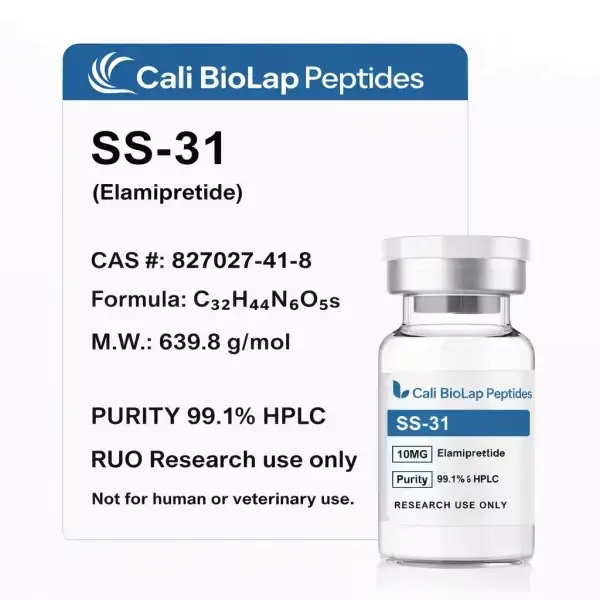
The SS-31 10mg-50mg Peptide (D-Arg-Dmt-Lys-Phe-NH₂) is a synthetic, aromatic-cationic tetrapeptide designed for rapid mitochondrial penetration and selective interaction with cardiolipin—an anionic phospholipid uniquely enriched in the inner mitochondrial membrane (IMM).
Key product specifications:
Available Sizes: 10mg or 50mg sterile lyophilized powder per vial (choose based on study scale)
Purity: ≥99% (third-party verified by HPLC and Mass Spectrometry)
Molecular Weight: ~639.8 Da
Form: White, fluffy lyophilized solid optimized for reconstitution
Storage: -20°C long-term; 2-8°C after reconstitution with bacteriostatic water or PBS
COA: Full batch-specific analytical certificate included
Mechanism of Action – SS-31 accumulates 1000–5000-fold in mitochondria due to its cationic charge and aromatic residues. It binds cardiolipin, stabilizes cristae architecture, prevents cardiolipin peroxidation, optimizes electron transport chain (ETC) supercomplex assembly, reduces proton leak, and lowers ROS production. Unlike broad antioxidants, SS-31 acts locally at the ETC-cardiolipin interface, restoring ATP synthesis efficiency without disrupting redox signaling.
This targeted action makes the SS-31 10mg-50mg Peptide uniquely suited for modeling mitochondrial rescue in diverse systems.
Why Researchers Are Prioritizing SS-31 10mg-50mg Peptide in Preclinical Work
Mitochondrial dysfunction underlies countless pathologies—aging sarcopenia, heart failure, neurodegeneration, metabolic syndrome, ischemia-reperfusion injury—and conventional therapies often fail to reach or protect this organelle effectively. SS-31 bridges that gap.
Preclinical highlights include:
Reversal of age-related redox stress and improved exercise capacity in aged rodents
Restoration of cardiac energetics and ejection fraction in old mice
Neuroprotection in spinal cord injury, Alzheimer's-like, and Parkinson's models via reduced ROS and preserved synaptic integrity
Amelioration of glomerular architecture and renal mitochondrial function in aged animals
Mitigation of chemotherapy-induced cachexia by improving whole-body energy status
Rescue of neurovascular coupling and cerebrovascular function in aging brain models
The SS-31 10mg-50mg Peptide excels because it addresses root-cause bioenergetic failure rather than downstream symptoms. Sourcing from Cali BioLabs Peptides ensures USA-certified manufacturing, fast shipping, secure checkout, and strict research-only framing—critical for grant compliance and data integrity.
How to Incorporate SS-31 10mg-50mg Peptide in Laboratory Protocols
Reconstitution is simple:
Equilibrate vial to room temperature.
Add 1–5 mL bacteriostatic water or sterile PBS (depending on desired stock concentration); gently swirl.
Prepare stocks (e.g., 5–10 mg/mL) and dilute for working use (typically 1–10 mg/kg in vivo or nM–μM in vitro).
Aliquot and freeze at -80°C for long-term stability.
Common research applications:
In-vitro mitochondrial respiration assays (Oroboros, Seahorse) on isolated mitochondria or cells
Chronic treatment in aged or disease-model rodents (subcutaneous, intraperitoneal, or osmotic pump delivery)
Ex-vivo tissue slices (heart, brain, muscle) to assess bioenergetics post-ischemia
Combination studies with other mitochondrial probes or stressors
Always use sterile technique and follow ethical guidelines.
Advantages of SS-31 10mg-50mg Peptide – A Researcher's Checklist
Selective cardiolipin stabilization and ETC optimization
Rapid mitochondrial uptake and high organelle concentration
Reduction of oxidative damage without broad redox interference
Reversal (not just slowing) of age-related mitochondrial deficits in models
Flexible 10mg–50mg sizes for pilot through large-scale studies
High purity and transparency minimizing variables
USA-sourced, fast domestic shipping, researcher support
Alignment with ethical research standards
Frequently Asked Questions About SS-31 10mg-50mg Peptide
Q: How does SS-31 compare to other mitochondrial antioxidants like MitoQ? A: SS-31 targets cardiolipin directly and optimizes ETC architecture, often showing superior effects on respiration and ROS in aging models compared to ubiquinone-based compounds.
Q: What dosing ranges are common in preclinical literature? A: Studies typically use 1–10 mg/kg/day subcutaneously in rodents; higher acute doses appear in some ischemia models.
Q: Is SS-31 stable after reconstitution? A: Yes—stable for weeks at 2–8°C; freeze aliquots for extended storage.
Q: Can it be used in combination with GLP-1 analogs or exercise mimetics? A: Emerging data suggest additive benefits in metabolic and aging models.
Q: How do I verify batch quality? A: Match the provided COA to numbers on the product page.
Q: Suitable for neurodegeneration models? A: Yes—strong preclinical evidence in Alzheimer's-like, Parkinson's, and spinal cord injury paradigms.
What Mitochondrial Mystery Could SS-31 10mg-50mg Peptide Help You Solve?
With mitochondrial dysfunction implicated in virtually every chronic disease, what specific energetic deficit, oxidative pathway, or tissue resilience question might the SS-31 10mg-50mg Peptide illuminate in your lab? Could it redefine your understanding of late-life intervention windows or synergistic therapies?
Share your research vision—the conversation drives progress.
In summary, the SS-31 10mg-50mg Peptide from Cali BioLab Peptides is a precision-engineered tool for probing and potentially rescuing mitochondrial health. Exceptional purity, reliable supply, and proven utility in advanced models position it as a must-have for 2026 bioenergetics research.
Order your SS-31 10mg-50mg Peptide today at Cali BioLab Peptides and energize your experiments with confidence.
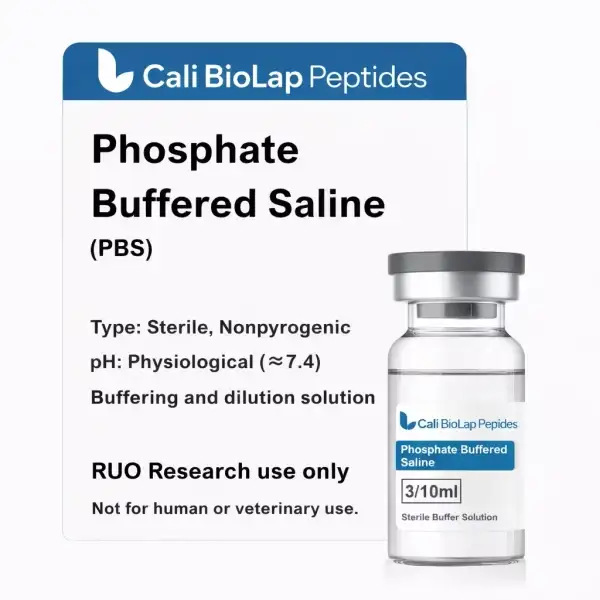
Phosphate Buffered Saline 3ml 10ml – The Essential Lab Buffer That Keeps Your Experiments Crystal Clear and Balanced
Imagine a simple, yet indispensable solution that maintains the perfect pH balance in your cellular environments, prevents osmotic shock during peptide reconstitution, enables precise dilutions for assays, and serves as the unsung hero in countless biological experiments—allowing researchers to focus on breakthroughs without worrying about inconsistent results from unstable media. This is the foundational role of Phosphate Buffered Saline 3ml 10ml, the versatile, isotonic buffer that's a staple in molecular biology, cell culture, immunology, and peptide research labs worldwide.
At Cali BioLab Peptides, we offer Phosphate Buffered Saline 3ml 10ml as sterile, ready-to-use vials in convenient 3ml and 10ml sizes—pH 7.4, formulated with high-purity salts (NaCl, KCl, Na₂HPO₄, KH₂PO₄) in Milli-Q water, endotoxin-tested, and shipped fast from our USA facilities. Ideal for reconstituting lyophilized peptides, washing cells, or preparing samples, Phosphate Buffered Saline 3ml 10ml ensures reliability in your protocols.
The Lab Crisis Averted: Dr. Aisha’s Peptide Reconstitution Nightmare Turned Triumph
In a bustling peptide biochemistry lab in New York, Dr. Aisha Rahman was on the verge of a major setback during a high-stakes experiment on growth hormone-releasing peptides. Her team had just received a batch of lyophilized samples, but their old buffer stock had gone off—pH drifted to 6.8 from improper storage, leading to peptide aggregation, reduced solubility, and inconsistent binding assay results. With a grant deadline looming, they risked scrapping the entire run.
Dr. Aisha quickly ordered Phosphate Buffered Saline 3ml 10ml from Cali BioLab Peptides, opting for the 10ml vials for bulk reconstitution and 3ml for precise dilutions. The vials arrived overnight, sterile and pre-filtered, with COAs confirming pH 7.4 ±0.1 and osmolality 280–320 mOsm/kg. Using the fresh Phosphate Buffered Saline 3ml 10ml, the team reconstituted their peptides smoothly—no aggregates, full solubility, and stable pH throughout the 48-hour incubation. Binding assays yielded clean, reproducible IC50 values, and the experiment proceeded to publication in a top endocrinology journal, crediting the buffer's role in maintaining physiological conditions.
That near-miss turned Dr. Aisha's lab into advocates for quality buffers, with Phosphate Buffered Saline 3ml 10ml becoming their go-to for all reconstitution and wash steps. It not only saved the study but inspired a side project on buffer effects on peptide stability.
What Exactly Is Phosphate Buffered Saline 3ml 10ml?
Phosphate Buffered Saline 3ml 10ml (PBS) is an isotonic, pH-balanced salt solution mimicking the ionic composition and osmolarity of human blood plasma. It's formulated to provide a stable environment for biological samples, preventing cell lysis or shrinkage during procedures like washing, dilution, or storage.
The "what" includes:
Composition: 137 mM NaCl, 2.7 mM KCl, 10 mM Na₂HPO₄, 1.8 mM KH₂PO₄ (standard 1X formulation)
pH: 7.4 (physiological, adjustable if needed for custom studies)
Osmolarity: 280–300 mOsm/kg (isotonic to mammalian cells)
Sizes: 3ml for small-volume precision (e.g., single peptide vial reconstitution) and 10ml for larger dilutions or multiple uses
Phosphate Buffered Saline 3ml 10ml is sterile-filtered (0.2 μm), endotoxin-low (<0.5 EU/mL), and RNase/DNase-free—ensuring no interference in sensitive assays.
How Does Phosphate Buffered Saline 3ml 10ml Work in Biological Systems?
The "how" of Phosphate Buffered Saline 3ml 10ml is through its buffering capacity and isotonicity. The phosphate ions (HPO₄²⁻ and H₂PO₄⁻) resist pH changes by absorbing or releasing H⁺ ions, maintaining stability between pH 7.2–7.6 even when acids/bases are added from samples or reactions.
Isotonicity prevents osmotic stress—cells in Phosphate Buffered Saline 3ml 10mlneither swell nor shrink, preserving morphology and viability during washes or transports. In peptide research, it facilitates gentle reconstitution, avoiding denaturing conditions that could unfold or aggregate sensitive molecules.
Scientific Identifiers for Phosphate Buffered Saline 3ml 10ml
Full Chemical Name: Phosphate Buffered Saline (PBS) 1X, pH 7.4
These identifiers ensure Phosphate Buffered Saline 3ml 10ml meets USP-grade standards for research-grade buffers.
Usage and Reconstitution Guidelines for Phosphate Buffered Saline 3ml 10ml
Phosphate Buffered Saline 3ml 10ml is pre-filled and ready-to-use—no reconstitution needed. Simply break the seal or uncap under sterile conditions.
Guidelines:
For peptide reconstitution: Add 1–2 ml of Phosphate Buffered Saline 3ml 10ml to lyophilized vial; gently swirl to dissolve.
For cell washing: Aspirate media, add Phosphate Buffered Saline 3ml 10ml, centrifuge, repeat as needed.
Storage: Unopened vials stable at room temperature for months; opened vials 2–8 °C for 1–2 weeks.
Avoid freezing (can alter salt concentrations); discard if cloudy or contaminated.
Use sterile technique to prevent microbial growth.
Research Applications of Phosphate Buffered Saline 3ml 10ml
Phosphate Buffered Saline 3ml 10ml is indispensable in:
Peptide and protein reconstitution/dilution
Cell culture washing and suspension
ELISA, Western blot, and immunoassay buffers
Flow cytometry sample preparation
Immunohistochemistry tissue rinsing
Molecular biology (PCR, gel electrophoresis buffers)
Key advantages in applications:
Maintains physiological pH during long incubations
Prevents cell bursting or shriveling in osmotic-sensitive assays
Compatible with most biomolecules (no interference in binding studies)
Low-cost, versatile base for custom formulations (e.g., with BSA or Tween)
Frequently Asked Questions About Phosphate Buffered Saline 3ml 10ml
Q: How does Phosphate Buffered Saline 3ml 10ml differ from normal saline? A: Phosphate Buffered Saline 3ml 10ml includes phosphate ions for pH buffering (7.4), while normal saline (0.9% NaCl) lacks buffering and can acidify over time.
Q: Can Phosphate Buffered Saline 3ml 10ml be used for peptide storage? A: Yes—for short-term (days); for long-term, freeze in aliquots with cryoprotectants.
Q: Is Phosphate Buffered Saline 3ml 10ml endotoxin-free? A: Yes—our vials are tested to <0.5 EU/mL, suitable for sensitive cell work.
Q: What pH range is Phosphate Buffered Saline 3ml 10ml stable in? A: 7.2–7.6; adjust with HCl or NaOH if needed for custom experiments.
Q: Can I autoclave Phosphate Buffered Saline 3ml 10ml? A: Yes—for additional sterilization, though pre-sterile vials are ready-to-use.
Q: How to verify batch quality? A: Match the provided COA on the product page at calibiolabpeptides.com.
What Buffer Challenge Could Phosphate Buffered Saline 3ml 10ml Help You Overcome in Your Lab?
With so many experiments hinging on stable pH and isotonicity, what specific reconstitution issue, cell wash problem, or assay inconsistency might Phosphate Buffered Saline 3ml 10ml solve for you? Could it be the key to cleaner data in your next peptide binding study or cell culture protocol?
Share your lab experiences—the community benefits from these insights.
In summary, Phosphate Buffered Saline 3ml 10ml from Cali BioLab Peptides is the reliable, versatile buffer for your research needs. With sterile, ready-to-use vials in practical sizes, it's ready to support your 2026 experiments.
Order your Phosphate Buffered Saline 3ml 10ml today at Cali BioLab Peptides and keep your protocols in perfect balance with confidence.
Free home delivery
Provide free home delivery for
all product over $200 and Timely Delivery
Quality Products
We ensure the product quality
that is our main goal
30 Days Return
Return product within 30 days
for any product you buy and
Online Support
We ensure the product quality
that you can trust easily