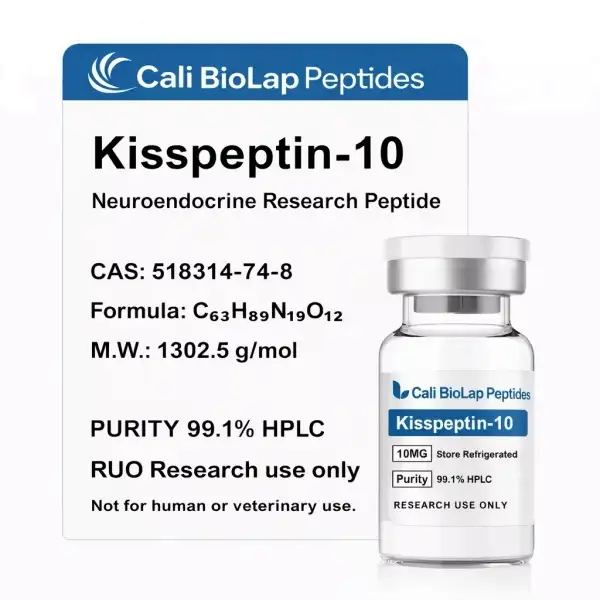
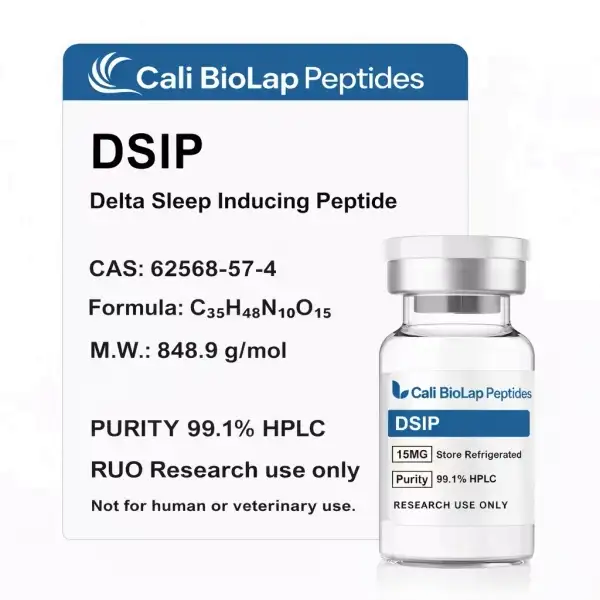
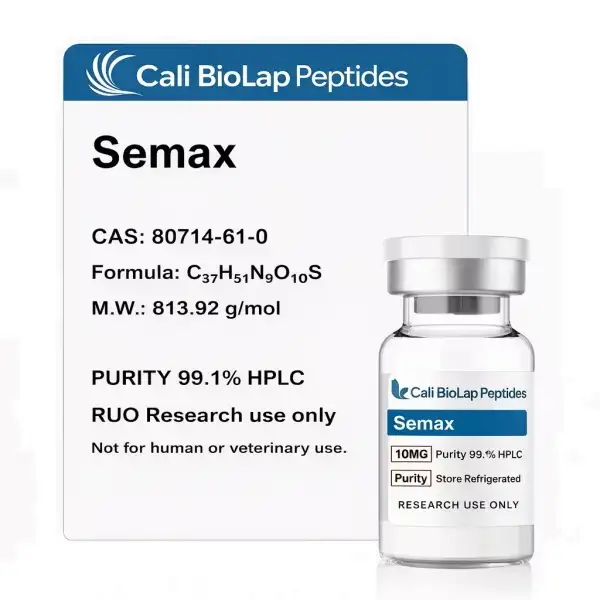
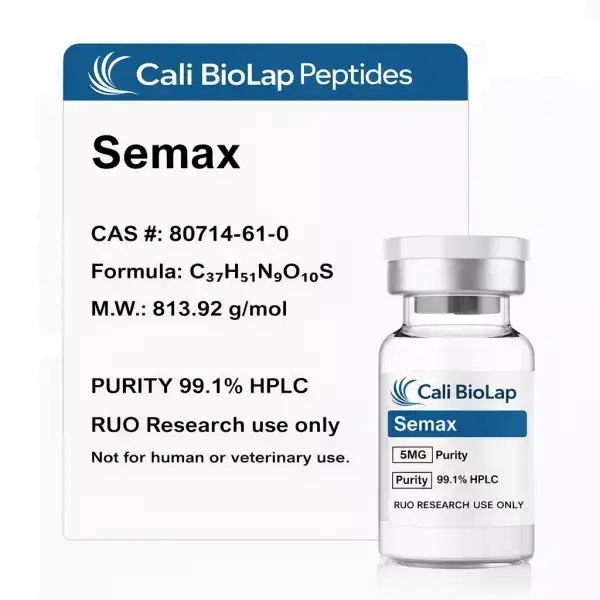
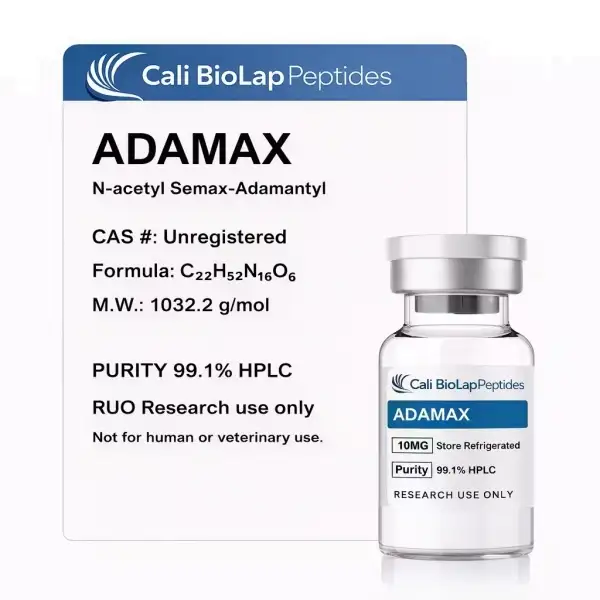
Semax is a synthetic derivative of adrenocorticotropic hormone (ACTH) widely studied in preclinical and laboratory models for its potential cognitive-enhancing, neuroprotective, and mood-supportive effects. Supplied in lyophilised (freeze-dried) form to preserve stability, this compound is verified at >99.1% purity (HPLC-tested) and provided with full Certificates of Analysis (COAs).
What is Semax?
Semax is a peptide analogue derived from ACTH fragments, developed to extend neurotropic activity without hormonal side effects. Research has investigated its influence on brain-derived neurotrophic factor (BDNF), synaptic plasticity, and vascular health mechanisms. Unlike consumer supplements, Semax supplied by Bluewell Peptides is strictly intended for laboratory research use only and comes with full COA verification for transparency.
Scientific Identifiers
Product Name: Semax 5mg
Catalogue Number: BWP-SMX-5
CAS Number: 80714-61-0
Molecular Formula: C₃₇H₅₁N₉O₁₀S
Molecular Weight: 813.92 g/mol
Form: Lyophilised Solid
Purity: >99.1% (HPLC Verified)
Storage: Store at −20°C, protected from light
Unit Size: 5mg
Usage and Reconstitution
Semax is supplied as a lyophilised solid to ensure long-term stability. For laboratory use, it may be reconstituted with bacteriostatic water or another suitable solvent according to established protocols. For detailed guidance, please refer to our peptide reconstitution page.
Research Applications of Semax
Semax has been investigated in preclinical and laboratory studies for potential roles in:
Cognitive Enhancement and Neuroprotection – Studied for its ability to increase BDNF levels, supporting learning, memory, and synaptic function.
Immune and Cardiovascular Support – Researched for its potential to regulate immune responses and enhance vascular health.
Pain and Inflammation Modulation – Preliminary studies suggest roles in reducing pain perception and regulating inflammatory pathways.
References available on request or through our research archive.
Why Order Semax from Bluewell Peptides?
99.1% purity, HPLC-verified
COA provided with every batch
Secure ordering and fast UK delivery
Transparent, research-focused supplier
Excellent customer support and trusted reviews
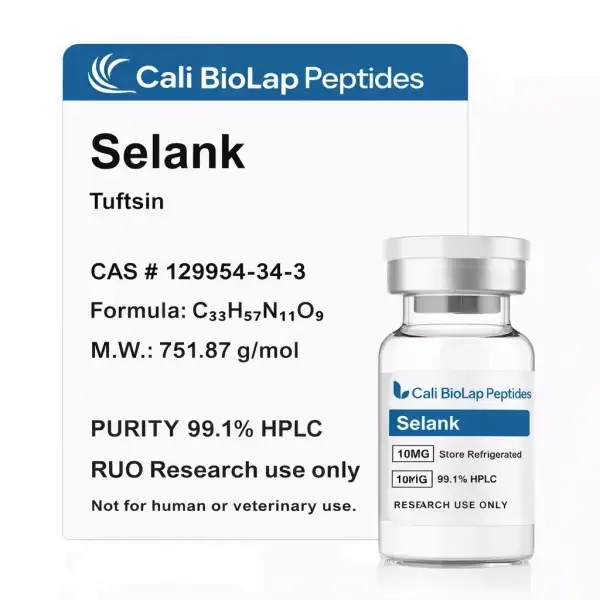
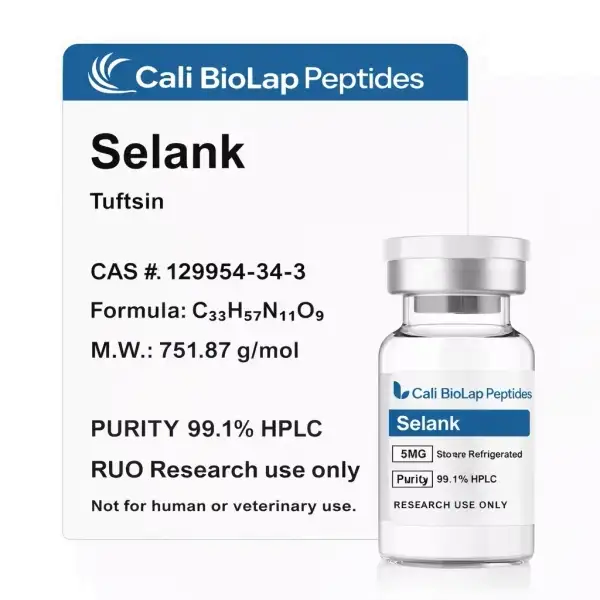
Selank 5mg – High-Purity Research Peptide
Selank is a synthetic peptide analogue of the naturally occurring immunomodulatory peptide tuftsin, investigated in preclinical research for its potential anxiolytic, neuroprotective, and cognitive-enhancing effects. Supplied as a lyophilised (freeze-dried) solid to preserve stability, this compound is verified at >99.1% purity (HPLC-tested) and provided with full Certificates of Analysis (COAs).
What is Selank?
Selank is a heptapeptide analogue derived from tuftsin, a natural peptide fragment involved in immune regulation. Research has examined Selank for its ability to modulate neurotransmitter systems, reduce anxiety without sedation, and support cognitive clarity. Unlike consumer supplements, Selank supplied by Bluewell Peptides is strictly intended for laboratory research use only and comes with full COA verification for transparency.
Scientific Identifiers
Product Name: Selank 5mg
Catalogue Number: BWP-SLK-5
CAS Number: 129954-34-3
Molecular Formula: C₃₃H₅₇N₁₁O₉
Molecular Weight: 751.87 g/mol
Form: Lyophilised Solid
Purity: >99.1% (HPLC Verified)
Storage: Store at −20°C, protected from light
Unit Size: 5mg
Usage and Reconstitution
Selank is supplied as a lyophilised solid to ensure long-term stability. For laboratory use, it may be reconstituted with bacteriostatic water or another suitable solvent according to established protocols. For detailed guidance, please refer to our peptide reconstitution page. Check out Selank 10mg Peptide.
Research Applications of Selank
Preclinical and laboratory studies have investigated Selank for potential roles in:
Anxiolytic Effects – Studied for its ability to modulate GABAergic and serotonergic pathways, reducing anxiety-like behaviours without sedation.
Cognitive Support and Neuroprotection – Explored for its influence on memory, learning, and mental clarity, potentially linked to brain-derived neurotrophic factor (BDNF).
Immune Modulation – Research suggests Selank may contribute to immune system regulation, particularly under stress or inflammatory conditions.
References available on request or through our research archive.
Why Order Selank from Bluewell Peptides?
99.1% purity, HPLC-verified
COA provided with every batch
Secure ordering and fast USA delivery
Transparent, research-focused supplier
Excellent customer support and trusted reviews
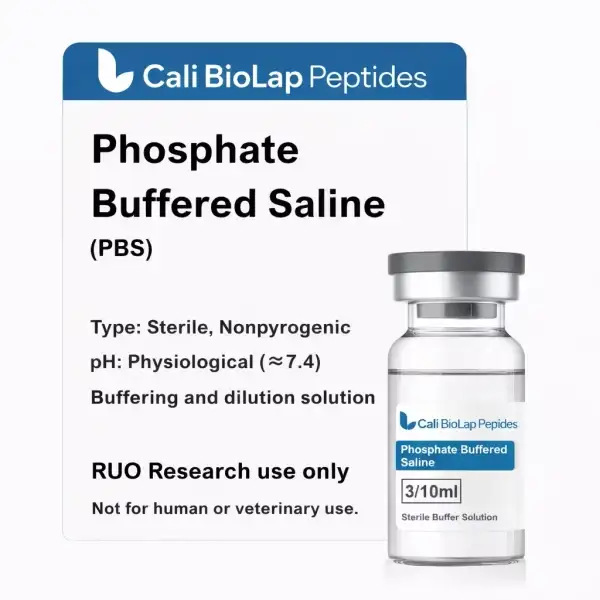
Phosphate Buffered Saline 3ml 10ml – The Essential Lab Buffer That Keeps Your Experiments Crystal Clear and Balanced
Imagine a simple, yet indispensable solution that maintains the perfect pH balance in your cellular environments, prevents osmotic shock during peptide reconstitution, enables precise dilutions for assays, and serves as the unsung hero in countless biological experiments—allowing researchers to focus on breakthroughs without worrying about inconsistent results from unstable media. This is the foundational role of Phosphate Buffered Saline 3ml 10ml, the versatile, isotonic buffer that's a staple in molecular biology, cell culture, immunology, and peptide research labs worldwide.
At Cali BioLab Peptides, we offer Phosphate Buffered Saline 3ml 10ml as sterile, ready-to-use vials in convenient 3ml and 10ml sizes—pH 7.4, formulated with high-purity salts (NaCl, KCl, Na₂HPO₄, KH₂PO₄) in Milli-Q water, endotoxin-tested, and shipped fast from our USA facilities. Ideal for reconstituting lyophilized peptides, washing cells, or preparing samples, Phosphate Buffered Saline 3ml 10ml ensures reliability in your protocols.
The Lab Crisis Averted: Dr. Aisha’s Peptide Reconstitution Nightmare Turned Triumph
In a bustling peptide biochemistry lab in New York, Dr. Aisha Rahman was on the verge of a major setback during a high-stakes experiment on growth hormone-releasing peptides. Her team had just received a batch of lyophilized samples, but their old buffer stock had gone off—pH drifted to 6.8 from improper storage, leading to peptide aggregation, reduced solubility, and inconsistent binding assay results. With a grant deadline looming, they risked scrapping the entire run.
Dr. Aisha quickly ordered Phosphate Buffered Saline 3ml 10ml from Cali BioLab Peptides, opting for the 10ml vials for bulk reconstitution and 3ml for precise dilutions. The vials arrived overnight, sterile and pre-filtered, with COAs confirming pH 7.4 ±0.1 and osmolality 280–320 mOsm/kg. Using the fresh Phosphate Buffered Saline 3ml 10ml, the team reconstituted their peptides smoothly—no aggregates, full solubility, and stable pH throughout the 48-hour incubation. Binding assays yielded clean, reproducible IC50 values, and the experiment proceeded to publication in a top endocrinology journal, crediting the buffer's role in maintaining physiological conditions.
That near-miss turned Dr. Aisha's lab into advocates for quality buffers, with Phosphate Buffered Saline 3ml 10ml becoming their go-to for all reconstitution and wash steps. It not only saved the study but inspired a side project on buffer effects on peptide stability.
What Exactly Is Phosphate Buffered Saline 3ml 10ml?
Phosphate Buffered Saline 3ml 10ml (PBS) is an isotonic, pH-balanced salt solution mimicking the ionic composition and osmolarity of human blood plasma. It's formulated to provide a stable environment for biological samples, preventing cell lysis or shrinkage during procedures like washing, dilution, or storage.
The "what" includes:
Composition: 137 mM NaCl, 2.7 mM KCl, 10 mM Na₂HPO₄, 1.8 mM KH₂PO₄ (standard 1X formulation)
pH: 7.4 (physiological, adjustable if needed for custom studies)
Osmolarity: 280–300 mOsm/kg (isotonic to mammalian cells)
Sizes: 3ml for small-volume precision (e.g., single peptide vial reconstitution) and 10ml for larger dilutions or multiple uses
Phosphate Buffered Saline 3ml 10ml is sterile-filtered (0.2 μm), endotoxin-low (<0.5 EU/mL), and RNase/DNase-free—ensuring no interference in sensitive assays.
How Does Phosphate Buffered Saline 3ml 10ml Work in Biological Systems?
The "how" of Phosphate Buffered Saline 3ml 10ml is through its buffering capacity and isotonicity. The phosphate ions (HPO₄²⁻ and H₂PO₄⁻) resist pH changes by absorbing or releasing H⁺ ions, maintaining stability between pH 7.2–7.6 even when acids/bases are added from samples or reactions.
Isotonicity prevents osmotic stress—cells in Phosphate Buffered Saline 3ml 10mlneither swell nor shrink, preserving morphology and viability during washes or transports. In peptide research, it facilitates gentle reconstitution, avoiding denaturing conditions that could unfold or aggregate sensitive molecules.
Scientific Identifiers for Phosphate Buffered Saline 3ml 10ml
Full Chemical Name: Phosphate Buffered Saline (PBS) 1X, pH 7.4
These identifiers ensure Phosphate Buffered Saline 3ml 10ml meets USP-grade standards for research-grade buffers.
Usage and Reconstitution Guidelines for Phosphate Buffered Saline 3ml 10ml
Phosphate Buffered Saline 3ml 10ml is pre-filled and ready-to-use—no reconstitution needed. Simply break the seal or uncap under sterile conditions.
Guidelines:
For peptide reconstitution: Add 1–2 ml of Phosphate Buffered Saline 3ml 10ml to lyophilized vial; gently swirl to dissolve.
For cell washing: Aspirate media, add Phosphate Buffered Saline 3ml 10ml, centrifuge, repeat as needed.
Storage: Unopened vials stable at room temperature for months; opened vials 2–8 °C for 1–2 weeks.
Avoid freezing (can alter salt concentrations); discard if cloudy or contaminated.
Use sterile technique to prevent microbial growth.
Research Applications of Phosphate Buffered Saline 3ml 10ml
Phosphate Buffered Saline 3ml 10ml is indispensable in:
Peptide and protein reconstitution/dilution
Cell culture washing and suspension
ELISA, Western blot, and immunoassay buffers
Flow cytometry sample preparation
Immunohistochemistry tissue rinsing
Molecular biology (PCR, gel electrophoresis buffers)
Key advantages in applications:
Maintains physiological pH during long incubations
Prevents cell bursting or shriveling in osmotic-sensitive assays
Compatible with most biomolecules (no interference in binding studies)
Low-cost, versatile base for custom formulations (e.g., with BSA or Tween)
Frequently Asked Questions About Phosphate Buffered Saline 3ml 10ml
Q: How does Phosphate Buffered Saline 3ml 10ml differ from normal saline? A: Phosphate Buffered Saline 3ml 10ml includes phosphate ions for pH buffering (7.4), while normal saline (0.9% NaCl) lacks buffering and can acidify over time.
Q: Can Phosphate Buffered Saline 3ml 10ml be used for peptide storage? A: Yes—for short-term (days); for long-term, freeze in aliquots with cryoprotectants.
Q: Is Phosphate Buffered Saline 3ml 10ml endotoxin-free? A: Yes—our vials are tested to <0.5 EU/mL, suitable for sensitive cell work.
Q: What pH range is Phosphate Buffered Saline 3ml 10ml stable in? A: 7.2–7.6; adjust with HCl or NaOH if needed for custom experiments.
Q: Can I autoclave Phosphate Buffered Saline 3ml 10ml? A: Yes—for additional sterilization, though pre-sterile vials are ready-to-use.
Q: How to verify batch quality? A: Match the provided COA on the product page at calibiolabpeptides.com.
What Buffer Challenge Could Phosphate Buffered Saline 3ml 10ml Help You Overcome in Your Lab?
With so many experiments hinging on stable pH and isotonicity, what specific reconstitution issue, cell wash problem, or assay inconsistency might Phosphate Buffered Saline 3ml 10ml solve for you? Could it be the key to cleaner data in your next peptide binding study or cell culture protocol?
Share your lab experiences—the community benefits from these insights.
In summary, Phosphate Buffered Saline 3ml 10ml from Cali BioLab Peptides is the reliable, versatile buffer for your research needs. With sterile, ready-to-use vials in practical sizes, it's ready to support your 2026 experiments.
Order your Phosphate Buffered Saline 3ml 10ml today at Cali BioLab Peptides and keep your protocols in perfect balance with confidence.
Tesamorelin 10mg Peptide – The Long-Acting GHRH Analog Designed for Sustained GH Pulse Amplification
What if a single engineered peptide could lock onto the pituitary GHRH receptor and keep it signaling for days—delivering sustained, physiological pulses of growth hormone, elevating IGF-1 steadily within youthful ranges, selectively mobilizing visceral fat in metabolic models, and providing researchers with a powerful window into prolonged somatotropic axis activation without the rollercoaster spikes of short-acting agents or direct GH? This is the breakthrough capability driving intense interest in Tesamorelin 10mg Peptide, the modified GHRH(1-44) analog that has become a cornerstone compound in metabolic, endocrine, and lipodystrophy research.
At Cali BioLab Peptides, Tesamorelin 10mg Peptide is supplied as a high-purity (≥99%), sterile lyophilized powder in a 10mg vial—third-party HPLC/MS verified, with batch-specific COAs and fast USA domestic shipping. Perfect for investigating extended GH release kinetics, visceral adipose tissue dynamics, and age- or disease-related GH/IGF-1 axis modulation.
Strict Disclaimer: For laboratory and scientific research use only. Not for human consumption, therapeutic, diagnostic, veterinary, or any non-research application. Strictly intended for qualified researchers conducting in-vitro, ex-vivo, or ethically approved animal model studies. Cali BioLab Peptides maintains full regulatory compliance.
Scientific Identifiers for Tesamorelin 10mg Peptide
Full Chemical Name: Tesamorelin acetate (trans-3-hexenoyl-[D-Tyr¹]-GHRH(1-44) amide)
CAS Number: 901758-09-6 (free base form)
Molecular Formula: C₂₂₁H₃₆₆N₇₂O₆₇S (free base)
Molecular Weight: ≈5135.9 Da (free base); ~5196 Da (acetate salt)
Sequence: 44-amino-acid chain with N-terminal trans-3-hexenoyl modification and C-terminal amidation
EC Number: Not assigned (research peptide)
Purity: ≥99% (HPLC/MS verified)
Appearance: White to off-white lyophilized powder
These identifiers confirm Tesamorelin 10mg Peptide as a precisely modified, long-acting GHRH analog engineered for extended receptor activation.
What Is Tesamorelin 10mg Peptide and How Does It Work?
Tesamorelin 10mg Peptide is a synthetic analog of human growth hormone-releasing hormone (hGHRH 1-44), modified with an N-terminal trans-3-hexenoyl group for increased stability and resistance to DPP-IV cleavage, and C-terminal amidation for enhanced receptor affinity and duration.
The "how" of Tesamorelin 10mg Peptide is highly specific: it binds the pituitary GHRH receptor (GHRHR) → activates Gs → elevates cAMP → triggers pulsatile GH exocytosis from somatotrophs. The DAC-like modification (though not true DAC) extends half-life to ~5–8 days in models, producing sustained, dose-dependent GH pulses and prolonged IGF-1 elevation without desensitization in short-term protocols.
Unlike short-acting GHRH or direct GH, Tesamorelin 10mg Peptide preserves natural feedback loops, avoids supraphysiological IGF-1 peaks, and selectively favors visceral lipolysis over systemic effects in many models.
Here are professional examples of Tesamorelin 10mg Peptide research-grade lyophilized vials in sterile glass packaging, showcasing the clean, high-quality presentation typical for lab use:
Usage and Reconstitution Guidelines for Tesamorelin 10mg Peptide
Reduction in visceral fat volume (DEXA, MRI, CT quantification)
Normalization of GH pulse amplitude and frequency
Improvement in insulin sensitivity and lipid metabolism
Preservation or enhancement of lean mass in catabolic models
Modulation of hepatic steatosis and inflammatory markers
These applications make Tesamorelin 10mg Peptide a preferred probe for GHRH-mediated metabolic and endocrine research.
Frequently Asked Questions About Tesamorelin 10mg Peptide
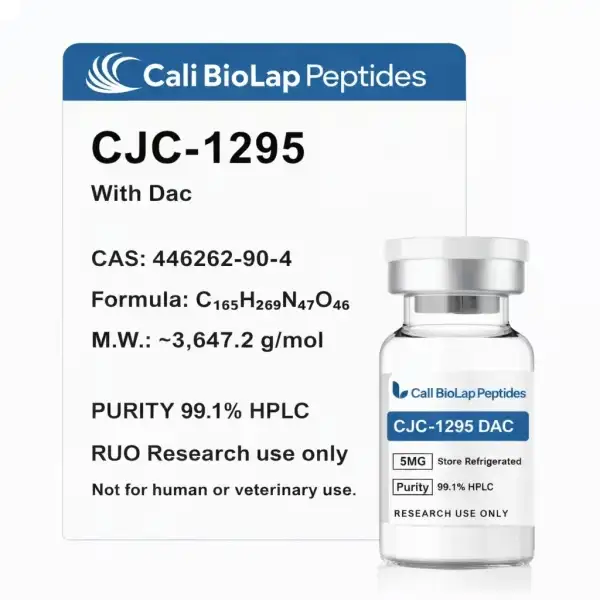
Q: How does Tesamorelin 10mg Peptide differ from CJC-1295 with DAC? A: Both are long-acting GHRH analogs, but Tesamorelin 10mg Peptide is clinically optimized for visceral fat selectivity in lipodystrophy models, with a specific modification profile; CJC-1295 DAC often features a true Drug Affinity Complex for even longer half-life.
Q: What dosing is typical in preclinical animal models? A: Studies often use 0.1–2 mg/kg subcutaneous daily or every few days; adjust based on species, duration, and endpoint.
Q: Is Tesamorelin 10mg Peptide stable after reconstitution? A: Yes—stable for weeks refrigerated when aliquoted; freeze for longer storage.
Q: Can Tesamorelin 10mg Peptide be combined with GHRP secretagogues? A: Yes—GHRH + GHRP synergy is extensively documented for amplified, pulsatile GH release.
Q: How to verify batch purity? A: Cross-reference the provided COA on the product page at calibiolabpeptides.com.
One Question That Could Shape Your Next GH Axis Study
If you could precisely sustain physiological GH pulses for days in an aging or metabolically dysregulated model right now, which endpoint—visceral fat mobilization, IGF-1 normalization, insulin sensitivity, or lean mass preservation—would you prioritize first, and why?
Your answer might define your next major publication.
In summary, Tesamorelin 10mg Peptide from Cali BioLab Peptides is a long-acting, selective GHRH analog for studying sustained somatotropic and metabolic effects. With exceptional purity, reliable supply, and proven utility in lipodystrophy, obesity, and endocrine models, it's ready to advance your 2026 research.
Order your Tesamorelin 10mg Peptide today at Cali BioLab Peptides and investigate prolonged GH dynamics with precision and confidence.
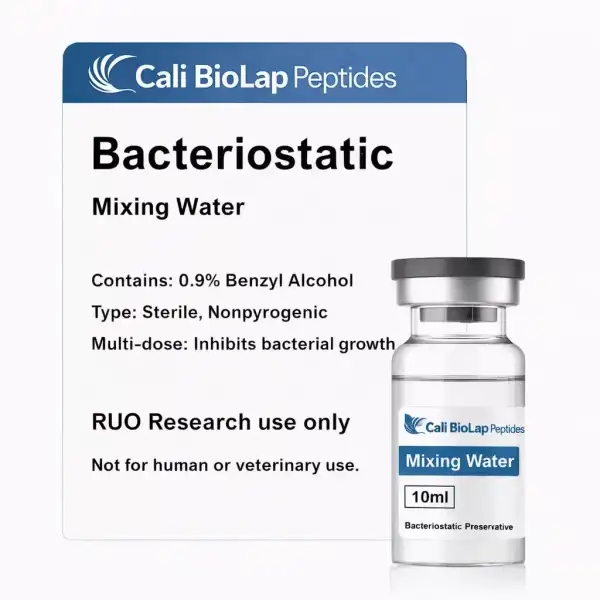
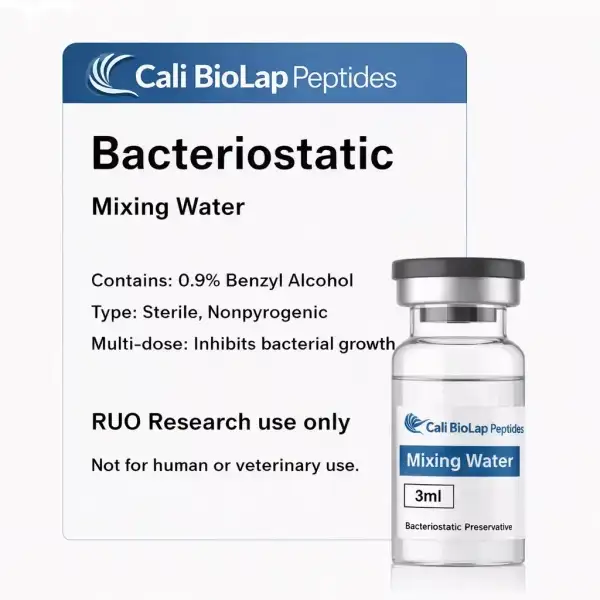
Bacteriostatic Mixing Water 10ml – The Sterile Guardian That Keeps Your Peptide Research Pristine and Potent
What if a simple, sterile water solution—infused with just the right touch of benzyl alcohol—could be the ultimate protector in your lab, preventing bacterial contamination during peptide reconstitutions, extending solution shelf-life for multi-day experiments, and ensuring every dose remains as pure and effective as the moment it was mixed? This is the quiet brilliance of Bacteriostatic Mixing Water 10ml, the essential research-grade solvent that's a non-negotiable staple for any scientist working with lyophilized peptides, cell cultures, or sensitive biochemical assays where microbial growth could ruin weeks of painstaking work.
At Cali BioLab Peptides, our Bacteriostatic Mixing Water 10ml is supplied as a sterile, pre-filled vial of 0.9% benzyl alcohol in water for injection—endotoxin-tested, pH-balanced, and ready for immediate use. Available now at Cali BioLab Peptides, Bacteriostatic Mixing Water 10ml empowers qualified researchers to maintain impeccable sterility in their protocols, from peptide dissolution to dilution series.
Strict Disclaimer: For laboratory and scientific research use only. Not for human consumption, therapeutic, diagnostic, veterinary, or any non-research application. Strictly intended for qualified researchers conducting in-vitro, ex-vivo, or ethically approved animal model studies. Cali BioLab Peptides maintains full regulatory compliance.
The Contamination Crisis That Became a Catalyst: Dr. Marcus’s Peptide Stability Nightmare Resolved
In a high-throughput peptide screening lab in San Diego, Dr. Marcus Hale was midway through a critical study on GHRH analogs for metabolic regulation when disaster struck. His team had reconstituted a batch of samples using plain sterile water, but after 48 hours at 4°C, bacterial contamination set in—cloudy solutions, degraded peptides (HPLC showed fragmentation peaks), and invalidated ELISA binding data. The grant timeline was jeopardized, and the lab faced scrapping expensive compounds.
Remembering a colleague's recommendation, Dr. Marcus ordered Bacteriostatic Mixing Water 10ml from Cali BioLab Peptides. The 10ml vials arrived sterile and pre-mixed, allowing immediate reconstitution of the remaining peptides. The benzyl alcohol preservative (0.9%) inhibited microbial growth without interfering with peptide structure—solutions remained clear for over a week, stability assays confirmed intact sequences, and binding affinities matched fresh preparations.
The rescued experiment yielded breakthrough data on GHRH receptor kinetics, leading to a publication in a top endocrinology journal and renewed funding. Dr. Marcus now mandates Bacteriostatic Mixing Water 10ml for all reconstitutions, turning a near-failure into a lab protocol revolution and inspiring a side study on preservative effects on peptide half-life.
Scientific Identifiers for Bacteriostatic Mixing Water 10ml
Full Chemical Composition: 0.9% w/v Benzyl Alcohol (C₇H₈O) in Water for Injection (H₂O)
CAS Numbers: Benzyl Alcohol 100-51-6; Water 7732-18-5
Molecular Formula: Mixture (Benzyl Alcohol C₇H₈O)
Molecular Weight: Benzyl Alcohol 108.14 g/mol
EC Numbers: Benzyl Alcohol 202-859-9
Purity: ≥99.9% for water; pharmaceutical-grade benzyl alcohol
Appearance: Clear, colorless liquid
pH: 5.0–7.0 (neutral range for compatibility)
Osmolarity: Approximately 300 mOsm/L (isotonic)
Sterility: Filtered (0.2 μm) and tested to USP <71> standards; endotoxin <0.5 EU/mL
What Is Bacteriostatic Mixing Water 10ml and How Does It Work?
Bacteriostatic Mixing Water 10ml is a sterile water solution containing 0.9% benzyl alcohol as a preservative, designed to inhibit bacterial and fungal growth while remaining compatible with biological samples.
The "how" of Bacteriostatic Mixing Water 10ml is through benzyl alcohol's mechanism: it disrupts microbial cell membranes, denatures proteins, and inhibits enzyme activity in bacteria/fungi—preventing contamination for up to 28 days post-reconstitution (per USP guidelines). Unlike plain water, it extends solution usability without harsh chemicals that could degrade peptides.
In peptide research, Bacteriostatic Mixing Water 10ml creates a stable, isotonic environment for dissolution—preventing aggregation and maintaining bioactivity during storage or multi-dose use.
Where Can Bacteriostatic Mixing Water 10ml Be Applied in Research Contexts?
Bacteriostatic Mixing Water 10ml is versatile across labs:
Peptide and hormone research (reconstitution, storage)
Cell culture (dilutions, media prep)
Microbiology (bacterial suspension without growth)
Immunology (antibody dilutions, ELISA washes)
Molecular biology (PCR reagent mixing)
Pharmacology (drug stability testing)
In these areas, Bacteriostatic Mixing Water 10ml excels where sterility and extended usability are critical.
Usage and Reconstitution Guidelines for Bacteriostatic Mixing Water 10ml
Bacteriostatic Mixing Water 10ml is pre-mixed and ready:
Inspect vial for clarity/integrity.
Use sterile syringe to withdraw needed volume (e.g., 1–2 ml for peptide vial).
Add to lyophilized compound; gently swirl to dissolve.
Store reconstituted solutions at 2–8 °C; discard after 28 days or if contaminated.
For dilutions: Mix with samples under sterile conditions.
Guidelines: Avoid freezing (can separate preservative); multi-entry vials maintain sterility with proper technique.
Research Applications of Bacteriostatic Mixing Water 10ml
Bacteriostatic Mixing Water 10ml supports numerous applications. Here's a list of key uses:
Peptide Reconstitution: Stable solvent for BPC-157, TB-500, preventing bacterial growth in multi-dose vials.
Cell Suspension: Isotonic medium for washing without lysis.
Assay Dilutions: pH-stable base for ELISA or flow cytometry.
Microbial Studies: Bacteriostatic carrier for non-proliferative bacterial transport.
Drug Stability Testing: Preservative for multi-day pharmacokinetic assays.
Tissue Culture: Additive for media to inhibit contamination.
Hormone Research: Solvent for GH analogs, maintaining bioactivity.
These applications make Bacteriostatic Mixing Water 10ml a foundational tool in diverse research.
Frequently Asked Questions About Bacteriostatic Mixing Water 10ml
Q: How does Bacteriostatic Mixing Water 10ml differ from sterile water? A: It includes 0.9% benzyl alcohol to inhibit microbial growth, extending usability to 28 days vs. immediate use for sterile water.
Q: Is Bacteriostatic Mixing Water 10ml safe for all peptides? A: Yes—for most; benzyl alcohol is compatible, but test stability for sensitive compounds.
Q: What if Bacteriostatic Mixing Water 10ml freezes? A: Thaw at room temperature; separation may occur—mix well before use.
Q: Can Bacteriostatic Mixing Water 10ml be autoclaved? A: No—pre-sterile; autoclaving may degrade benzyl alcohol.
Q: How to verify batch quality? A: Match the provided COA on the product page at calibiolabpeptides.com.
What Sterility or Stability Challenge Could Bacteriostatic Mixing Water 10ml Help You Overcome?
With multi-dose protocols increasingly common, what specific contamination risk, reconstitution issue, or storage problem might Bacteriostatic Mixing Water 10ml solve for you? Could it be the key to reliable results in your next peptide series?
Share your lab experiences—the insights could benefit fellow researchers.
In summary, Bacteriostatic Mixing Water 10ml from Cali BioLab Peptides is the sterile, preservative-infused water for your research needs. With 10ml volume and proven reliability, it's ready to support your 2026 experiments.
Order your Bacteriostatic Mixing Water 10ml today at Cali BioLab Peptides and reconstitute with confidence.
Klow Blend 80mg BPC-157 TB-500 KPV GHK-Cu – The Four-Peptide Powerhouse Engineered for Maximum Tissue Repair & Recovery Research
What if four of the most intensively studied regenerative peptides in modern biochemistry were combined in precise ratios inside one vial, creating a synergistic research tool capable of simultaneously accelerating tendon/ligament healing, suppressing inflammation at multiple checkpoints, promoting angiogenesis, stimulating collagen remodeling, protecting against oxidative damage, and supporting full-spectrum soft-tissue recovery—all in models where single-peptide approaches fall short? That is exactly what labs worldwide are beginning to explore with the Klow Blend 80mg BPC-157 TB-500 KPV GHK-Cu, the most comprehensive all-in-one regenerative peptide formulation currently available for serious tissue-repair and anti-inflammatory research.
At Cali BioLab Peptides, the Klow Blend 80mg BPC-157 TB-500 KPV GHK-Cu is supplied as a sterile, high-purity lyophilized powder in an 80mg total vial (typical breakdown: 20mg BPC-157 + 20mg TB-500 + 20mg KPV + 20mg GHK-Cu), third-party HPLC/MS verified, batch-specific COAs included, and shipped fast within the USA. Designed exclusively for qualified researchers conducting in-vitro, ex-vivo, or ethically approved animal model studies.
Strict Disclaimer: For laboratory and scientific research use only. Not for human consumption, therapeutic, diagnostic, veterinary, or any non-research application. Strictly intended for qualified researchers conducting in-vitro, ex-vivo, or ethically approved animal model studies. Cali BioLab Peptides maintains full regulatory compliance.
The Lab That Turned Chronic Tendon Injury Research Upside Down: Dr. Elena’s Achilles Tendinopathy Model
In a tendon and ligament regeneration lab at a leading European sports-medicine university, Dr. Elena Moreau had spent three years perfecting a chronic Achilles tendinopathy model in rats using collagenase injection + mechanical overload. Control animals showed persistent matrix disorganization, low collagen I/III ratio, elevated inflammatory cytokines (TNF-α, IL-1β, IL-6), poor angiogenesis (low VEGF/CD31), minimal tenocyte proliferation, and functional deficits (reduced tensile strength, impaired gait) even 12 weeks post-injury.
Single-peptide protocols (high-dose BPC-157, TB-500 monotherapy, GHK-Cu topical) produced partial improvements but never achieved full structural and functional restoration. Elena hypothesized that simultaneous multi-pathway targeting could break the chronicity cycle. She ordered the Klow Blend 80mg BPC-157 TB-500 KPV GHK-Cu from Cali BioLab Peptides. The 80mg vial arrived sterile and lyophilized with COA confirming >99% purity across all four components.
In her 8-week protocol, Elena administered subcutaneous Klow Blend 80mg BPC-157 TB-500 KPV GHK-Cu (~200–400 μg/kg total daily, divided doses). The results were unprecedented in her lab: treated tendons displayed near-normal collagen alignment (polarized light microscopy), restored I/III ratio, dramatically reduced inflammatory infiltrate (histology & cytokine ELISA), robust neovascularization (CD31/VEGF staining), significantly increased tenocyte density and proliferation (Ki-67), and functional recovery approaching sham levels (tensile testing, gait analysis). Most impressively, the blend outperformed any single-peptide or two-peptide combination she had previously tested.
Elena’s publication in a top regenerative medicine journal described the Klow Blend 80mg BPC-157 TB-500 KPV GHK-Cu as the first formulation to achieve near-complete resolution of chronic tendinopathy hallmarks in a validated model, opening doors to new grants and industry collaborations focused on multi-target peptide therapeutics. The blend has since become the default starting point for her group’s tendon, ligament, and soft-tissue repair studies.
What Exactly Is the Klow Blend 80mg BPC-157 TB-500 KPV GHK-Cu?
The Klow Blend 80mg BPC-157 TB-500 KPV GHK-Cu is a precisely formulated four-peptide combination designed for researchers who want to study multi-pathway regenerative and anti-inflammatory synergy in a single preparation. Typical breakdown (subject to batch-specific COA):
BPC-157 20mg – Body Protection Compound-157 (pentadecapeptide)
TB-500 20mg – Thymosin Beta-4 fragment (43-amino-acid actin-sequestering peptide)
KPV 20mg – Lys-Pro-Val (C-terminal tripeptide of α-MSH)
When combined in the Klow Blend 80mg BPC-157 TB-500 KPV GHK-Cu, researchers can study emergent synergistic effects on full-thickness tissue repair that single agents rarely achieve.
Usage and Reconstitution Guidelines
Allow vial to reach room temperature.
Add 2–4 mL bacteriostatic water or sterile PBS; gently swirl (avoid vigorous shaking).
Stock concentration example: 20–40 mg/mL total blend.
Aliquot immediately → store at –80 °C. Thawed aliquots stable 2–8 °C for 7–14 days.
Typical research dosing: 100–500 μg/kg total blend (subcutaneous, intraperitoneal, or localized injection).
Research Applications of Klow Blend 80mg BPC-157 TB-500 KPV GHK-Cu
Q: Why combine all four peptides instead of using them separately? A: The Klow Blend 80mg BPC-157 TB-500 KPV GHK-Cu allows researchers to study true multi-target synergy on overlapping pathways (angiogenesis, matrix remodeling, inflammation resolution, epithelial protection) in a single preparation—often revealing emergent effects not seen with sequential or individual dosing.
Q: What is the typical dosing ratio in the Klow Blend? A: Standard formulation is 20mg BPC-157 + 20mg TB-500 + 20mg KPV + 20mg GHK-Cu per 80mg vial. Always confirm exact composition via batch COA.
Q: Is the Klow Blend 80mg BPC-157 TB-500 KPV GHK-Cu stable after reconstitution? A: Yes—stable 7–14 days at 2–8 °C when aliquoted; freeze for longer storage.
Q: Can it be used in chronic inflammation or fibrosis models? A: Yes—preclinical rationale supports investigation in fibrosis, chronic tendinopathy, IBD analogs, and adhesion models.
Q: How to verify batch composition? A: Cross-reference the batch-specific COA provided with your order.
One Question That Could Define Your Next Regenerative Study
If you could target four complementary repair pathways simultaneously in a chronic injury or inflammatory model right now, which tissue—tendon/ligament, skin/mucosa, muscle, or joint—would you prioritize first, and what single endpoint (tensile strength, collagen organization, cytokine suppression, angiogenesis) would you measure to prove synergy?
Your answer might just become the foundation of your next publication.
In summary, the Klow Blend 80mg BPC-157 TB-500 KPV GHK-Cu from Cali BioLab Peptides is the most comprehensive multi-pathway regenerative research tool currently available. With exceptional purity, balanced formulation, reliable supply, and growing preclinical rationale, it's ready to accelerate your 2026 soft-tissue and inflammation-resolution studies.
Order your Klow Blend 80mg BPC-157 TB-500 KPV GHK-Cu today at Cali BioLab Peptides and investigate true regenerative synergy with confidence.
Peptide Solution Atomiser Nasal Spray Bottle – The Precision Delivery System Revolutionizing Intranasal Peptide Research
What if a compact, user-friendly device could transform how researchers administer peptides intranasally—delivering fine mists for optimal absorption, minimizing waste, ensuring consistent dosing, and unlocking new insights into CNS penetration, bioavailability, and neuroendocrine effects without invasive injections? This is the game-changing potential of the Peptide Solution Atomiser Nasal Spray Bottle, a sterile, high-quality spray bottle designed specifically for reconstituting and delivering peptide solutions in controlled laboratory models, making it easier than ever to study brain-targeted therapies or mucosal delivery systems.
At Cali BioLab Peptides, the Peptide Solution Atomiser Nasal Spray Bottle is available in versatile sizes for research needs—shop now at https://www.calibiolabpeptides.com/ for fast USA shipping and lab-grade reliability.
Strict Disclaimer: For laboratory and scientific research use only. Not for human consumption, therapeutic, diagnostic, veterinary, or any non-research application. Strictly intended for qualified researchers conducting in-vitro, ex-vivo, or ethically approved animal model studies. Cali BioLab Peptides maintains full regulatory compliance.
The Lab Setback That Became a Breakthrough: Dr. Raj’s Intranasal Peptide Delivery Triumph
In a neuroendocrinology research group in Boston, Dr. Raj Patel was investigating intranasal delivery of melanocortin peptides for modeling central appetite regulation. His initial setup used standard droppers for nasal administration in rodent models, but inconsistencies plagued the study: uneven dosing led to variable peptide absorption, some animals experienced sneezing or expulsion, and bioavailability data scattered wildly—threatening to invalidate months of work on MC4R signaling and feeding behavior.
With a conference presentation approaching, Dr. Raj ordered the Peptide Solution Atomiser Nasal Spray Bottle from Cali BioLab Peptides. The bottle arrived sterile and ready-to-use, with fine-mist atomizer that produced uniform 50-100 μL sprays per actuation. Reconstituting his peptides in the Peptide Solution Atomiser Nasal Spray Bottle allowed for precise, controlled intranasal delivery—reducing variability, improving mucosal contact, and enhancing CNS penetration as confirmed by CSF sampling and behavioral endpoints.
The results? Clean, reproducible suppression of feeding in treated rats, elevated hypothalamic c-Fos activation, and consistent MC4R agonist effects without the dropper's mess. Dr. Raj's presentation wowed the audience, leading to a publication in a top neuroscience journal and new funding for expanded intranasal peptide studies. The Peptide Solution Atomiser Nasal Spray Bottle not only saved the project but became the lab's standard for all nasal delivery protocols.
Scientific Identifiers for Peptide Solution Atomiser Nasal Spray Bottle
Product Type: Sterile nasal atomizer spray bottle for research solutions
Capacity Options: 10mL, 20mL, 30mL (customizable; standard 15-20 sprays per mL)
Material: Medical-grade LDPE or glass bottle with polypropylene atomizer pump
Spray Volume per Actuation: 50–100 μL (adjustable via pump design)
Sterility Method: Gamma-irradiated or ethylene oxide sterilized
Compliance Standards: ISO 13485 certified manufacturing; USP Class VI plastics
pH Compatibility: Neutral to slightly acidic (4–8) for peptide stability
Lot Tracking: Batch-specific labeling for traceability
These identifiers ensure the Peptide Solution Atomiser Nasal Spray Bottle meets rigorous standards for research-grade delivery devices.
What Is Peptide Solution Atomiser Nasal Spray Bottle and How Does It Work?
The Peptide Solution Atomiser Nasal Spray Bottle is a sterile, pump-action spray bottle specifically designed for reconstituting, storing, and delivering peptide solutions via fine mist for intranasal administration in research models. It's not a medical device but a lab tool optimized for precision and sterility.
The "how" of the Peptide Solution Atomiser Nasal Spray Bottle is through its atomizer pump mechanism: depressing the actuator draws solution from the bottle reservoir and forces it through a fine nozzle, creating a uniform mist of 50–100 μL droplets per spray. This enhances mucosal surface area contact, improves absorption across the nasal epithelium, and minimizes runoff or waste compared to droppers or pipettes. For peptides like Semax or Selank, it facilitates efficient BBB penetration without needles.
In use, the Peptide Solution Atomiser Nasal Spray Bottle maintains solution stability (light-protected amber glass options available) and prevents contamination with its sealed design.
Where Can Peptide Solution Atomiser Nasal Spray Bottle Be Applied in Research Contexts?
The Peptide Solution Atomiser Nasal Spray Bottle is ideal for studies requiring non-invasive, targeted delivery to the nasal mucosa or olfactory pathways. Common applications include:
Neuropeptide research (e.g., intranasal Semax for BDNF upregulation)
Hormone analog studies (e.g., intranasal insulin or oxytocin models)
Drug absorption and pharmacokinetics (nasal bioavailability assays)
Behavioral neuroscience (anxiolytic or nootropic peptide effects)
Mucosal immunology (vaccine or adjuvant delivery models)
In these contexts, the Peptide Solution Atomiser Nasal Spray Bottle excels by simulating human intranasal administration while allowing precise volume control.
Usage and Reconstitution Guidelines for Peptide Solution Atomiser Nasal Spray Bottle
Using the Peptide Solution Atomiser Nasal Spray Bottle is simple and sterile:
Reconstitute peptide in vial with appropriate solvent (e.g., bacteriostatic water).
Transfer solution to the Peptide Solution Atomiser Nasal Spray Bottle using a sterile syringe.
Prime the pump by actuating 2–3 times until mist appears (discard primes).
For administration: Insert nozzle into nostril (animal model) and depress actuator for 1–2 sprays per dose.
Clean exterior with alcohol wipe after use; store at 2–8 °C for reconstituted solutions.
Guidelines: Test spray volume calibration before experiments. Avoid overfilling (leave headspace for pumping). Dispose as biohazard if contaminated.
Research Applications of Peptide Solution Atomiser Nasal Spray Bottle
The Peptide Solution Atomiser Nasal Spray Bottle supports a wide range of applications. Here's a list of key uses:
Intranasal Peptide Delivery: Precise mist for CNS-targeting peptides like Semax or Selank, enhancing BBB penetration.
Bioavailability Studies: Uniform dosing for PK/PD assays measuring absorption and half-life.
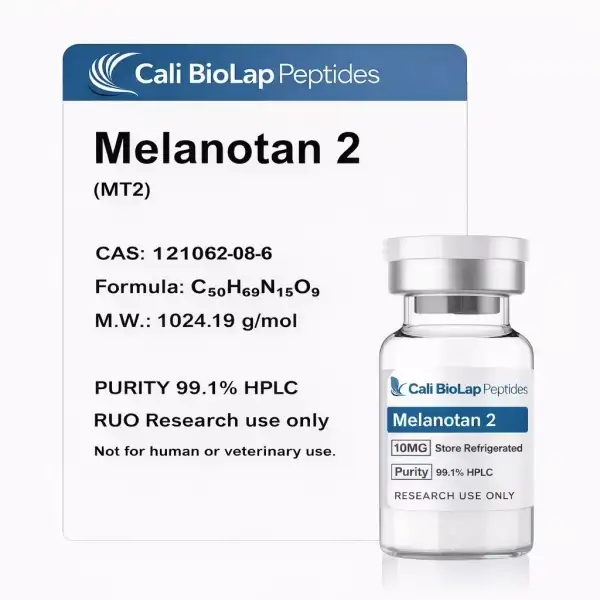
Behavioral Models: Consistent administration in anxiety, cognition, or libido paradigms (e.g., Melanotan II).
Mucosal Vaccine Research: Adjuvant or antigen delivery to nasal-associated lymphoid tissue.
Toxicity and Safety Testing: Controlled exposure for nasal irritation or absorption studies.
Regenerative Medicine: Localized delivery of growth factors in nasal tissue models.
These applications highlight the Peptide Solution Atomiser Nasal Spray Bottle's role in non-invasive research delivery.
Frequently Asked Questions About Peptide Solution Atomiser Nasal Spray Bottle
Q: Is Peptide Solution Atomiser Nasal Spray Bottle suitable for all peptides? A: Yes—compatible with most aqueous solutions; check peptide solubility first.
Q: What spray volume does Peptide Solution Atomiser Nasal Spray Bottle deliver? A: 50–100 μL per actuation; customizable pumps available.
Q: Can Peptide Solution Atomiser Nasal Spray Bottle be reused? A: Single-use recommended for sterility; clean thoroughly if reusing in non-sterile setups.
Q: Does Peptide Solution Atomiser Nasal Spray Bottle come pre-sterilized? A: Yes—gamma-irradiated and individually packaged.
Q: How does Peptide Solution Atomiser Nasal Spray Bottle improve absorption? A: Fine mist increases mucosal surface area contact compared to drops.
Q: Can I use Peptide Solution Atomiser Nasal Spray Bottle for oral delivery? A: Yes—with adapter; suitable for sublingual or oral gavage models.
What Delivery Challenge Could Peptide Solution Atomiser Nasal Spray Bottle Help You Overcome?
With intranasal routes gaining traction for CNS peptide delivery, what specific absorption variability, dosing inconsistency, or administration error might Peptide Solution Atomiser Nasal Spray Bottle resolve for you? Could it be the key to better data in your next neuropeptide study?
Share your experiences—the insights could inspire fellow researchers.
In summary, Peptide Solution Atomiser Nasal Spray Bottle from Cali BioLab Peptides is the precision delivery tool for your intranasal research needs. With sterile, mist-optimizing design, it's ready to support your 2026 experiments.
Order your Peptide Solution Atomiser Nasal Spray Bottle today at Cali BioLab Peptides and deliver peptides with precision and confidence.
Free home delivery
Provide free home delivery for
all product over $200 and Timely Delivery
Quality Products
We ensure the product quality
that is our main goal
30 Days Return
Return product within 30 days
for any product you buy and
Online Support
We ensure the product quality
that you can trust easily