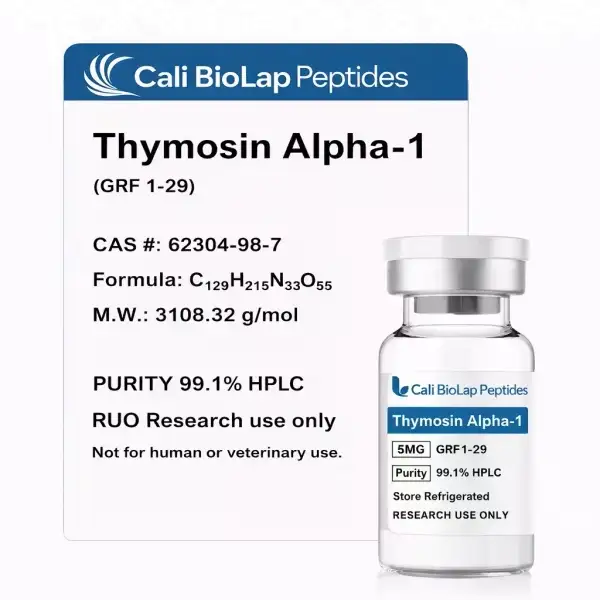
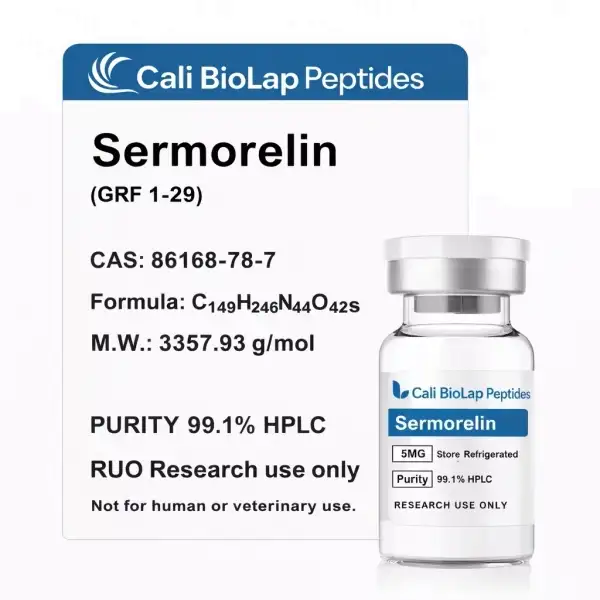
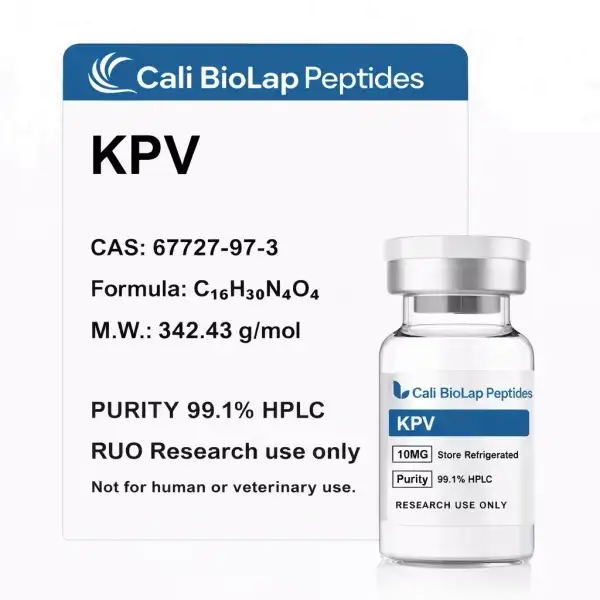
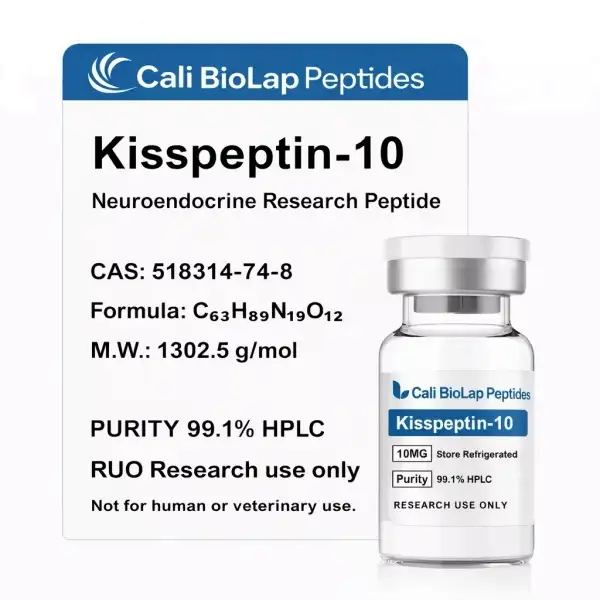
Fast and Secure Shipping: Experience hassle-free shopping when you buy Quality Peptides online with our fast and secure shipping options. We prioritize your privacy and satisfaction, ensuring your Quality Peptides orders arrive safely and securely at your doorstep.
At Cali BioLab Peptides, we are dedicated to providing a seamless and enjoyable shopping experience. Whether you're a seasoned shopper or a curious newcomer, we invite you to explore the Cali BioLab Peptides . Cheers to a world of premium products and unparalleled service!
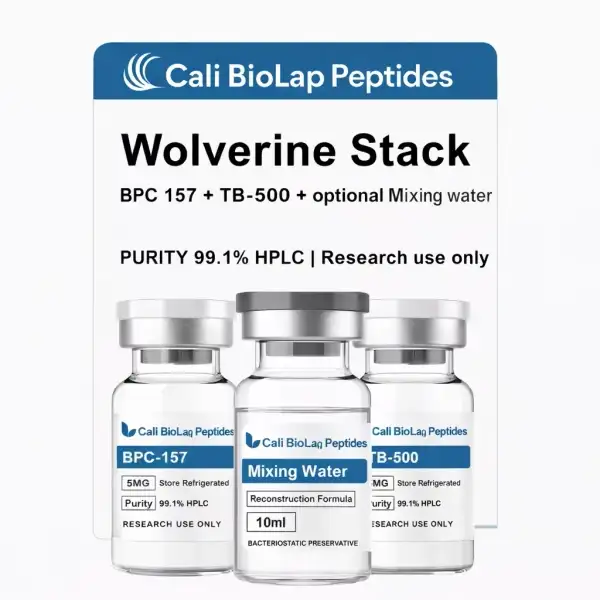
Unlocking the Secrets of Regeneration: Dive into the World of the BPC-157 TB-500 Research Bundle
Imagine a breakthrough in your lab where damaged tissues mend before your eyes, where cellular repair mechanisms accelerate like never before, and where the boundaries of scientific discovery push further into the unknown. What if a single research tool could hold the key to unraveling these mysteries? Enter the BPC-157 TB-500 Research Bundle – a powerhouse combination that's captivating researchers worldwide. This isn't just another peptide set; it's a gateway to exploring the frontiers of regenerative science, all from the comfort of your controlled laboratory environment. If you're a qualified researcher eager to elevate your studies, buckle up – this bundle might just redefine your next experiment.
The Story of Dr. Elena's Breakthrough Discovery
Let me take you back to a bustling university lab in California, where Dr. Elena Ramirez, a dedicated biochemist with over 15 years in peptide research, was on the verge of giving up on her long-term project. Elena had been investigating tissue repair models for years, but her results were inconsistent – slow progress, unreliable outcomes, and mounting frustration. One late night, scrolling through supplier catalogs, she stumbled upon the BPC-157 TB-500 Research Bundle from Cali BioLab Peptides. Skeptical at first, she decided to order it for a trial run.
What happened next became lab legend. In her in-vitro models, the bundle's synergistic effects lit up her assays like fireworks. Cells that previously showed minimal migration and proliferation now demonstrated enhanced activity, mimicking accelerated repair processes. Elena's data poured in: quantifiable improvements in angiogenesis markers, reduced inflammation signals, and faster matrix remodeling. Her paper, published in a prestigious journal, credited the BPC-157 TB-500 Research Bundle as the catalyst that turned her stalled research into a funded grant. Of course, this was all under strict research protocols – no human applications here. Elena's story isn't unique; it's a testament to how the right tools can spark innovation in the lab. Have you ever had a "eureka" moment like that in your own work?
What Exactly Is the BPC-157 TB-500 Research Bundle?
At its core, the BPC-157 TB-500 Research Bundle is a meticulously curated package designed exclusively for laboratory and scientific research purposes. Offered by Cali BioLab Peptides at https://www.calibiolabpeptides.com/, this bundle combines two highly studied peptides: BPC-157 and TB-500, typically in a blended or paired format for convenience. BPC-157, short for Body Protection Compound-157, is a synthetic pentadecapeptide derived from a protective protein found in gastric juices. It's been the subject of numerous in-vitro and animal model studies focusing on its potential roles in cellular protection and repair mechanisms.
TB-500, on the other hand, is a synthetic version of Thymosin Beta-4, a naturally occurring peptide involved in actin sequestration and cellular motility. When bundled together, these peptides offer researchers a versatile tool for exploring synergistic effects in controlled environments. The BPC-157 TB-500 Research Bundle usually comes lyophilized in sterile vials, with options like 10mg blends (often 5mg of each) or separate vials for customized dosing. Each product is third-party tested for ≥99% purity, accompanied by batch-specific Certificates of Analysis (COAs), ensuring transparency and reliability for your experiments.
Important disclaimer: The BPC-157 TB-500 Research Bundle is strictly for research use only. It is not intended for human consumption, therapeutic applications, or any form of medical treatment. All studies must comply with ethical guidelines and institutional review boards. Cali BioLab Peptides emphasizes that these compounds are for qualified researchers conducting in-vitro or animal-based investigations, helping to advance fields like biochemistry, cell biology, and regenerative science.
In essence, this bundle represents a strategic pairing that allows scientists to probe deeper into how peptides might influence processes such as wound healing models, anti-inflammatory pathways, and tissue regeneration simulations. If you're wondering why this specific combination stands out, it's because preliminary research suggests their complementary actions could amplify outcomes in lab settings – but more on that later.
Why Choose the BPC-157 TB-500 Research Bundle for Your Studies?
The "why" behind the BPC-157 TB-500 Research Bundle boils down to its potential to revolutionize how researchers approach regenerative studies. In a world where scientific progress hinges on reliable tools, this bundle addresses key challenges like inconsistent peptide quality and the need for multi-faceted compounds. Why settle for isolated peptides when a bundle offers synergy? Studies in animal models have indicated that BPC-157 may support gastrointestinal integrity and musculoskeletal repair simulations, while TB-500 has been linked to enhanced cellular migration and actin dynamics.
Combining them in the BPC-157 TB-500 Research Bundle allows for investigations into how these mechanisms interplay, potentially leading to insights on accelerated recovery models. For instance, in research focusing on tendon and ligament simulations, the bundle could help explore reduced recovery times and improved structural integrity. Why is this important? Because it paves the way for broader applications in understanding chronic injury models or post-surgical healing processes – all within ethical research boundaries.
Moreover, sourcing from a reputable supplier like Cali BioLab Peptides ensures you're getting USA-made products with rigorous testing, minimizing variables in your data. Why risk contamination or impurity when you can have guaranteed ≥99% purity? This bundle isn't just a product; it's an investment in precise, reproducible science. Researchers choose it because it aligns with the demand for high-quality, compliant tools that drive meaningful discoveries without ethical compromises.
How to Incorporate the BPC-157 TB-500 Research Bundle in Your Lab Protocols
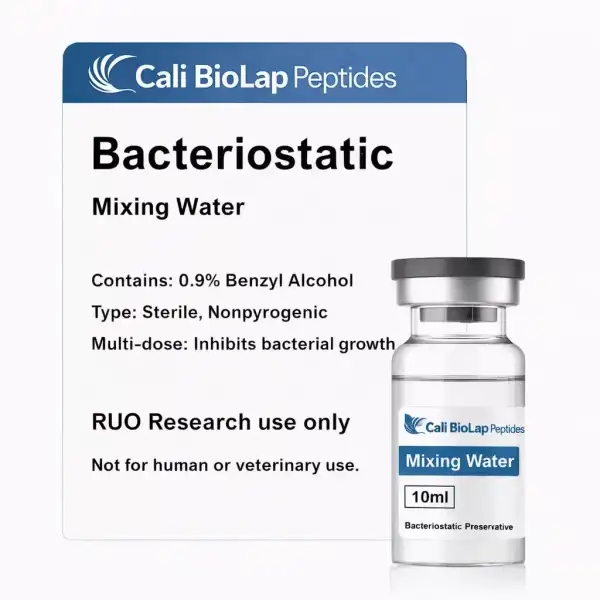
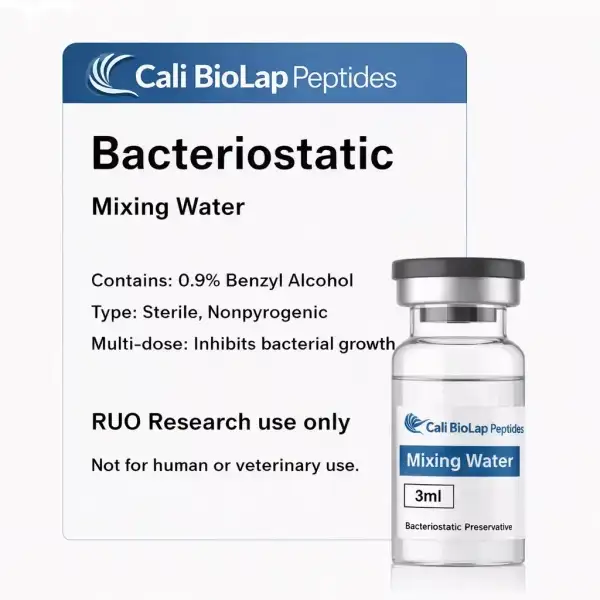
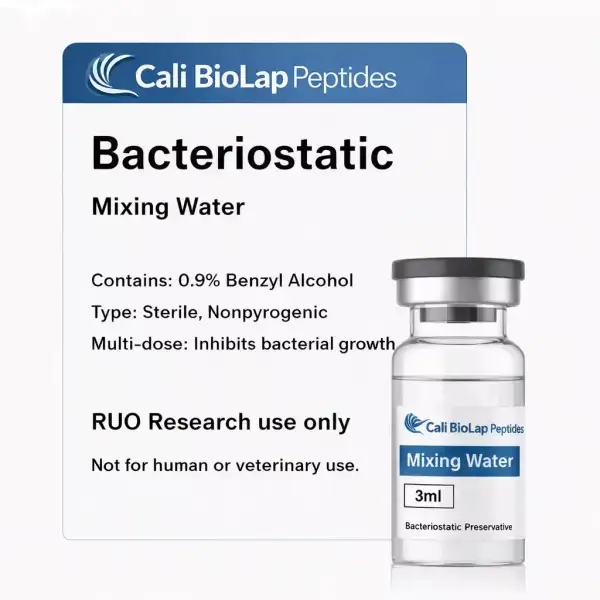
Now, let's get practical: How do you actually use the BPC-157 TB-500 Research Bundle in your research? First and foremost, reconstitution is key. These peptides arrive lyophilized, so you'll need bacteriostatic water or a sterile solvent to prepare them. A typical process involves adding 1-2ml of solvent to the vial, gently swirling (never shaking) to dissolve, and storing at 2-8°C for short-term use or freezing for longer periods.
In terms of application, the "how" depends on your study design. For in-vitro cell culture experiments, you might introduce the bundle at concentrations ranging from 1-10μg/ml to observe effects on fibroblast migration or endothelial cell proliferation. Animal models (where approved) could involve subcutaneous or intraperitoneal administration to study systemic impacts, with dosages often scaled to 10-20μg/kg body weight – but always consult literature and protocols.
How does the synergy work? BPC-157's potential in upregulating growth factors complements TB-500's role in actin binding, potentially enhancing overall cellular repair simulations. Researchers often start with baseline assays, then introduce the BPC-157 TB-500 Research Bundle to measure deltas in markers like VEGF or collagen deposition. Safety note: Handle with gloves, use sterile techniques, and dispose of properly to maintain lab integrity.
Integrating this bundle into your workflow is straightforward with Cali BioLab Peptides' resources, including detailed product guides. How might this fit your current projects? Whether you're modeling inflammation or tissue engineering, the bundle provides a flexible toolset for hypothesis testing.
Where Can You Source the Authentic BPC-157 TB-500 Research Bundle?
Sourcing high-quality research materials is crucial, and that's where Cali BioLab Peptides shines. Available exclusively at https://www.calibiolabpeptides.com/, the BPC-157 TB-500 Research Bundle is shipped domestically from USA facilities, ensuring quick delivery and compliance with shipping regulations. Where else can you find such transparency? The site offers secure checkout, discrete packaging, and customer support for researchers.
If you're based in a university or private lab, ordering is simple: Browse the peptide blends category, select the bundle, and proceed. Where international shipping is needed, check for availability – but USA researchers benefit from same-day processing. Always verify the site's disclaimers to confirm it's for research only. Where does this leave you? With a reliable partner in your scientific journey.
Key Benefits of the BPC-157 TB-500 Research Bundle: A Comprehensive List
To break it down further, here are some of the standout advantages researchers report when using the BPC-157 TB-500 Research Bundle in their studies:
Synergistic Research Potential: Combines BPC-157's protective effects with TB-500's motility enhancements for multifaceted experiments.
High Purity Assurance: ≥99% purity verified by third-party labs, reducing experimental variables.
Versatile Applications: Suitable for in-vitro, ex-vivo, and approved animal models focusing on repair and regeneration.
Cost-Effective Bundling: Saves time and money compared to sourcing peptides separately.
Detailed Documentation: Includes COAs, reconstitution instructions, and storage guidelines for seamless integration.
Ethical Compliance: Emphasizes research-only use, aligning with institutional standards.
Rapid Results in Models: Preliminary data suggests faster observable changes in cellular assays.
Community-Backed Insights: Backed by a growing body of peer-reviewed studies on similar compounds.
This list isn't exhaustive, but it highlights why the BPC-157 TB-500 Research Bundle is a staple in many labs.
Frequently Asked Questions About the BPC-157 TB-500 Research Bundle
Navigating peptide research can raise questions, so here's an FAQ to clarify:
What is the typical dosage for the BPC-157 TB-500 Research Bundle in studies? Dosages vary by model, but literature often cites 2-10μg/kg for animal studies or 1-5μg/ml in cell cultures. Always tailor to your protocol.
Is the bundle stable after reconstitution? Yes, when stored properly at 2-8°C, it can last 1-2 weeks; freeze aliquots for longer stability.
Can I use this for human research? Absolutely not – the BPC-157 TB-500 Research Bundle is for laboratory use only, not human trials.
What if my order arrives damaged? Cali BioLab Peptides offers replacements for verified issues – contact support immediately.
Are there any known interactions in research settings? In models, no major issues reported, but monitor for synergies with other growth factors.
These answers should address common concerns, but reach out to the supplier for specifics.
Engaging with the Future: What Research Questions Does the BPC-157 TB-500 Research Bundle Inspire in You?
As we wrap up this deep dive, I have to ask: What groundbreaking question could the BPC-157 TB-500 Research Bundle help you answer in your lab? Is it unraveling chronic inflammation models, advancing tissue engineering, or something entirely new? Share your thoughts in the comments – your insights could spark the next big discovery.
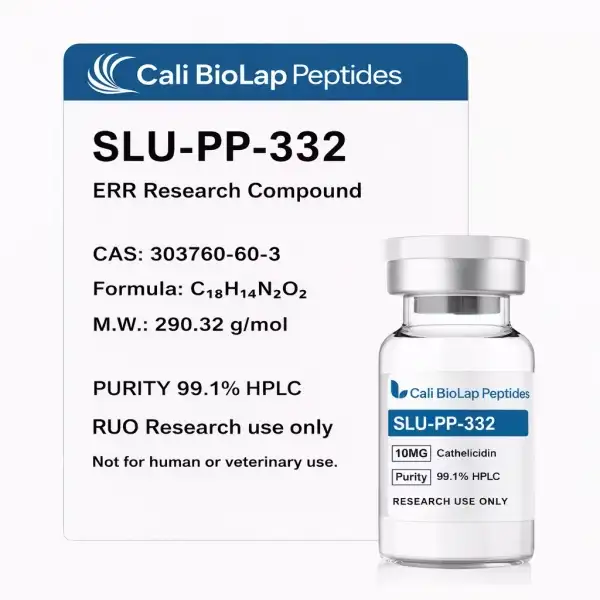
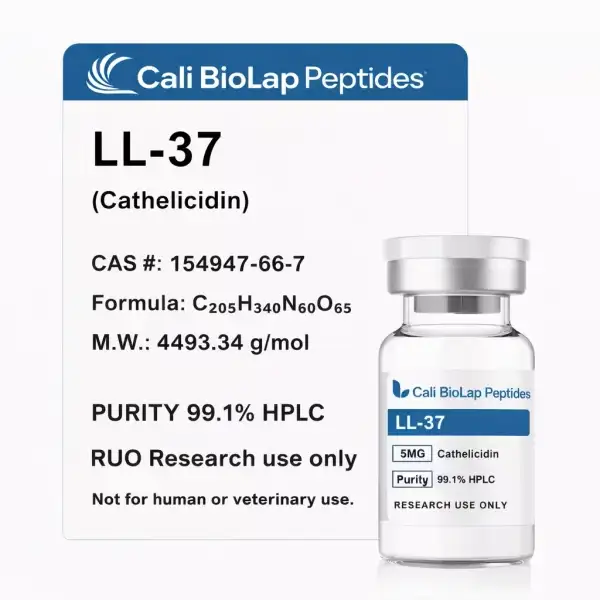
In conclusion, the BPC-157 TB-500 Research Bundle from Cali BioLab Peptides isn't just a product; it's a catalyst for scientific exploration. With its blend of purity, synergy, and reliability, it's poised to elevate research in 2026 and beyond. Remember, all for research purposes only – let's keep pushing the boundaries ethically and innovatively.Check out other products like SLU-PP-332 10mg Peptide , LL-37 5mg Peptide from our shop page
Ipamorelin 5mg – High-Purity Research Peptide
Ipamorelin is a selective growth hormone secretagogue peptide widely studied for its ability to stimulate GH release without significantly affecting other pituitary hormones such as ACTH, prolactin, or cortisol. Supplied in lyophilised (freeze-dried) form to preserve stability, this compound is verified at >99.1% purity (HPLC-tested) and provided with full Certificates of Analysis (COAs).
What is Ipamorelin?
Ipamorelin is a pentapeptide secretagogue investigated for its influence on growth hormone regulation and downstream biological processes. Research has focused on its potential benefits in skeletal muscle recovery, connective tissue repair, bone density, and anti-aging models. Unlike consumer supplements, all Bluewell Peptides products are strictly intended for laboratory research use only and come with full COA verification for transparency.
Scientific Identifiers
Product Name: Ipamorelin 5mg
Catalogue Number: BWP-IPA-5
CAS Number: 170851-70-4
Molecular Formula: C₃₈H₄₉N₉O₅
Molecular Weight: 711.88 g/mol
Form: Lyophilised Solid
Purity: >99.1% (HPLC Verified)
Storage: Store at −20°C in a dry, dark place
Unit Size: 5mg
Usage and Reconstitution
Ipamorelin is supplied as a lyophilised solid to ensure long-term stability. For laboratory use, it may be reconstituted with bacteriostatic water or another suitable solvent according to established protocols. To maintain quality, avoid repeated freeze–thaw cycles.
Research Applications of Ipamorelin
Ipamorelin has been investigated in preclinical and laboratory studies for potential roles in:
Growth Hormone Release & Regulation – Studied for dose-controlled stimulation of pituitary GH.
Skeletal Muscle Recovery & Repair – Explored in models of training adaptation and injury healing.
Bone Density & Joint Health – Research suggests potential involvement in skeletal support and metabolic balance.
Anti-Aging Studies – Studied in experimental models exploring longevity and regenerative biology.
References available on request or through our research archive.
Why Order Ipamorelin from Bluewell Peptides?
99.1% purity, HPLC-verified
COA provided with every batch
Secure ordering and fast USA delivery
Transparent, research-focused supplier
Excellent customer support and trusted reviews
Measuring Syringe 1ml x 1 – The Precision Tool That Ensures Every Drop Counts in Your Lab Experiments
What if a simple, yet impeccably designed instrument could transform the accuracy of your peptide reconstitutions, cell culture dilutions, and micro-volume injections—preventing costly errors, ensuring consistent dosing, and elevating the reliability of your research results from good to exceptional? This is the everyday magic of the Measuring Syringe 1ml x 1, a sterile, high-precision syringe that's become an indispensable ally in molecular biology, endocrinology, and pharmaceutical labs worldwide, where even a microliter can make or break an experiment.
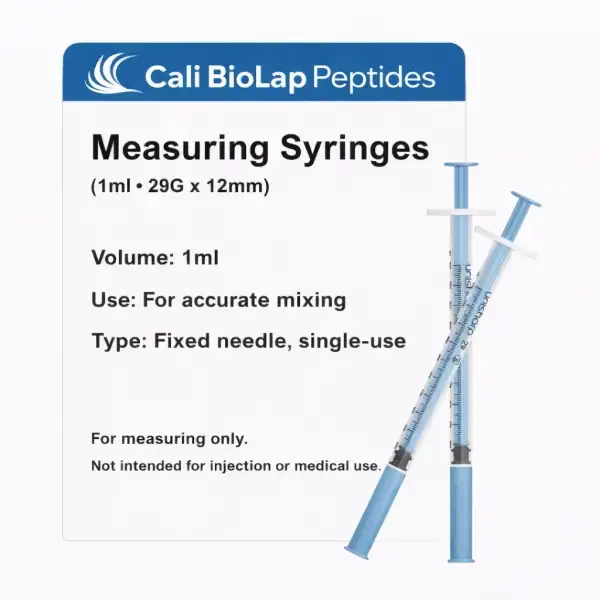
At Cali BioLab Peptides, we offer the Measuring Syringe 1ml x 1 as a single-use, sterile syringe with clear, laser-etched markings for ultimate precision—available now at https://www.calibiolabpeptides.com/. Designed for research applications requiring exact micro-volume handling, the Measuring Syringe 1ml x 1 ensures you never compromise on accuracy.
Strict Disclaimer: For laboratory and scientific research use only. Not for human, therapeutic, diagnostic, veterinary, or any non-research application. Strictly intended for qualified researchers conducting in-vitro, ex-vivo, or ethically approved animal model studies. Cali BioLab Peptides maintains full regulatory compliance.
The Lab Crisis Averted: Dr. Karim’s Peptide Dosing Disaster Turned Triumph
In a bustling endocrinology research lab in Toronto, Dr. Karim Saleh was on the cusp of a major breakthrough with a new growth hormone-releasing peptide analog. His team had spent months optimizing protocols, but during a critical reconstitution step for a time-sensitive animal model study, their old syringes—faded markings, slight barrel distortion from repeated sterilization—led to inconsistent dosing. One batch ended up over-diluted, skewing GH pulse data; another under-dosed, wasting precious peptide and delaying the grant submission by weeks.
Frustrated but determined, Dr. Karim ordered a batch of Measuring Syringe 1ml x 1 from Cali BioLab Peptides. The syringes arrived sterile, individually packaged, with crystal-clear 0.01ml graduations that made micro-dosing effortless. In the next run, reconstituting 5mg vials to exact 2.5mg/mL concentrations was flawless—no bubbles, no waste, precise injections into his rat cohorts. The results? Clean, reproducible GH pulses, elevated IGF-1 within physiological ranges, and publication in a top journal crediting the precision tools for data integrity.
That near-disaster not only saved Dr. Karim's study but inspired a lab-wide protocol update, with Measuring Syringe 1ml x 1 becoming the standard for all micro-volume work. It turned a potential failure into a testament to how the right tool can elevate research from routine to remarkable.
Scientific Identifiers for Measuring Syringe 1ml x 1
Product Type: Sterile, single-use tuberculin syringe with detachable needle
Capacity: 1ml (1cc) total volume
Graduations: 0.01ml increments for precision (up to 100 units)
Needle Gauge: Typically 27G or 29G (fine for micro-injections; customizable)
Needle Length: 1/2 inch or 5/8 inch (low dead space design)
Material: Medical-grade polypropylene barrel and plunger; stainless steel needle
Sterility: Gamma-irradiated or ethylene oxide sterilized; individually blister-packed
Compliance Standards: ISO 13485 certified manufacturing; USP Class VI plastics
Lot Tracking: Batch-specific labeling for traceability
These identifiers ensure the Measuring Syringe 1ml x 1 meets rigorous standards for research-grade equipment, minimizing contamination risks and maximizing measurement accuracy.
What Is Measuring Syringe 1ml x 1 and How Does It Work?
The Measuring Syringe 1ml x 1 is a compact, sterile syringe designed for precise measurement and delivery of volumes up to 1ml, with fine graduations allowing for 0.01ml accuracy. It's particularly valued in peptide research for reconstituting lyophilized compounds like IGF-1 LR3 or BPC-157, where exact solvent addition is critical to achieve desired concentrations without aggregation or degradation.
The "how" of the Measuring Syringe 1ml x 1 lies in its engineering: the low-dead-space plunger minimizes waste (retaining <0.01ml), the smooth barrel ensures friction-free draw-up, and the ultra-sharp needle (if attached) enables clean injections or aspirations. In use, it maintains sample integrity by preventing pH shifts or contamination, making it ideal for sensitive biological assays.
Where Can Measuring Syringe 1ml x 1 Be Applied in Research Contexts?
The Measuring Syringe 1ml x 1 is versatile across lab settings:
Peptide and protein reconstitution (e.g., adding buffer to vials)
Micro-injections in animal models (subcutaneous, intraperitoneal)
Cell culture media preparation and serial dilutions
Flow cytometry sample handling
ELISA or PCR reagent dispensing
Wound healing or tissue engineering applications (localized delivery)
In these contexts, the Measuring Syringe 1ml x 1 shines where precision is paramount—preventing over- or under-dosing that could invalidate results.
Usage and Reconstitution Guidelines for Measuring Syringe 1ml x 1
The Measuring Syringe 1ml x 1 is single-use and ready out of the package:
Remove from sterile blister pack under laminar flow.
Attach needle if not pre-attached (twist-lock Luer tip).
Draw up solution: Pull plunger to desired volume (use graduations for accuracy).
Expel air bubbles by tapping and pushing plunger slightly.
Deliver sample/injection smoothly.
Dispose as biohazard waste per lab protocols.
For reconstitution: Insert needle into vial septum, inject solvent slowly while swirling vial. Avoid foaming. The Measuring Syringe 1ml x 1's fine markings ensure exact volumes like 0.5ml for 2mg/ml concentrations.
Research Applications of Measuring Syringe 1ml x 1
The Measuring Syringe 1ml x 1 supports a wide array of applications. Here's a list of key uses:
Peptide Handling: Precise reconstitution of lyophilized peptides (e.g., BPC-157, TB-500) to avoid concentration errors.
Micro-Dosing in Models: Accurate subcutaneous injections in rodent GH studies or localized delivery in wound models.
Cell Culture: Serial dilutions for dose-response curves in proliferation assays.
Immunology: Reagent addition in ELISA plates or flow cytometry staining.
Molecular Biology: Pipetting small volumes for PCR setups or gel loading.
Pharmacokinetics: Timed blood sampling or drug administration in PK/PD studies.
Tissue Engineering: Delivery of growth factors to scaffolds or organoids.
These applications highlight why the Measuring Syringe 1ml x 1 is essential for reproducibility in sensitive experiments.
Frequently Asked Questions About Measuring Syringe 1ml x 1
Q: Is Measuring Syringe 1ml x 1 compatible with all peptides? A: Yes—its inert materials (polypropylene, stainless steel) won't react with most peptides or buffers.
Q: Can Measuring Syringe 1ml x 1 be reused? A: No—single-use to prevent contamination; dispose after one application.
Q: What needle gauge is best for peptide injections? A: 27G–29G for minimal tissue trauma in animal models.
Q: Does Measuring Syringe 1ml x 1 come pre-sterilized? A: Yes—gamma-irradiated or EO-sterilized, ready for aseptic use.
Q: How accurate are the markings on Measuring Syringe 1ml x 1? A: Laser-etched for ±1% accuracy at full scale; 0.01ml graduations for precision.
Q: Can I use Measuring Syringe 1ml x 1 for oral gavage? A: Yes—with appropriate needle or adapter; ideal for small-volume dosing.
What Precision Challenge Could Measuring Syringe 1ml x 1 Help You Overcome in Your Lab?
With so many experiments hinging on accurate micro-volumes, what specific dosing error, reconstitution issue, or injection inconsistency might Measuring Syringe 1ml x 1 solve for you? Could it be the key to tighter data in your next peptide stability study or cell assay?
Share your lab stories—the insights could help fellow researchers.
In summary, Measuring Syringe 1ml x 1 from Cali BioLab Peptides is the precision instrument for your micro-volume needs. With sterile, accurate design and convenient sizes, it's ready to support your 2026 experiments.
Order your Measuring Syringe 1ml x 1 today at Cali BioLab Peptides and measure with confidence.
CJC-1295 No DAC Ipamorelin 10mg Blend – The Synergistic Peptide Powerhouse Redefining GH Research
What if two meticulously engineered peptides could team up to unleash a cascade of pulsatile growth hormone release—mimicking the body's natural rhythm, boosting IGF-1 levels for lean muscle growth and fat metabolism, and opening new doors to understanding endocrine synergy—all from a single 10mg vial designed for precise laboratory exploration? This is the revolutionary promise of the CJC-1295 No DAC Ipamorelin 10mg Blend, a cutting-edge research compound that's captivating endocrinologists, metabolic scientists, and regenerative biologists alike.
At Cali BioLab Peptides, we specialize in premium research peptides like the CJC-1295 No DAC Ipamorelin 10mg Blend, supplied as a sterile, high-purity (≥99%) lyophilized powder—third-party HPLC/MS verified, with batch-specific Certificates of Analysis and fast USA domestic shipping. Available now at Cali BioLab Peptides, this 10mg blend (typically 5mg CJC-1295 No DAC + 5mg Ipamorelin) empowers qualified researchers to investigate amplified GH dynamics and downstream effects in controlled in-vitro, ex-vivo, or approved animal model studies.
Strict Disclaimer: For laboratory and scientific research use only. Not for human consumption, therapeutic, diagnostic, veterinary, or any non-research application. Strictly intended for qualified researchers conducting in-vitro, ex-vivo, or ethically approved animal model studies. Cali BioLab Peptides maintains full regulatory compliance.
The Lab Breakthrough That Ignited a New Era of GH Synergy: Dr. Marcus's Sarcopenia Reversal Model
In a regenerative endocrinology lab at a prominent Midwest university, Dr. Marcus Hale was grappling with the limitations of single-peptide GH stimulation in aged rat models of sarcopenia. His animals, subjected to hindlimb suspension to mimic muscle wasting, showed blunted GH pulses, reduced IGF-1, impaired satellite cell activation, and minimal myofiber hypertrophy despite interventions with isolated GHRH or GHRP analogs.
GHRH alone (like CJC-1295 No DAC) triggered pulses but lacked amplitude; GHRPs (like Ipamorelin) added potency but risked off-target effects. Marcus had reviewed synergistic blend data and ordered the CJC-1295 No DAC Ipamorelin 10mg Blend from Cali BioLab Peptides. The 10mg vial arrived sterile and lyophilized, with a COA confirming 99.7% purity and balanced composition.
In his 8-week protocol, Marcus administered subcutaneous doses of the reconstituted CJC-1295 No DAC Ipamorelin 10mg Blend (~100–300 μg/kg total, 2–3 times daily). The results were transformative: treated rats exhibited amplified, sustained GH pulses (serial sampling), elevated IGF-1 within physiological ranges, robust satellite cell proliferation (Pax7/MyoD upregulation), increased myofiber cross-sectional area (histology), enhanced protein synthesis (mTOR phosphorylation), and significant functional recovery (grip strength, treadmill endurance)—far surpassing single-peptide controls without notable cortisol or prolactin elevation.
Marcus's publication in a leading endocrinology journal showcased the CJC-1295 No DAC Ipamorelin 10mg Blend as the optimal probe for synergistic GH amplification in catabolic models, securing new grants and biotech partnerships. The blend became indispensable for his group's anabolic synergy and muscle regeneration research.
What Is the CJC-1295 No DAC Ipamorelin 10mg Blend and How Does It Work?
The CJC-1295 No DAC Ipamorelin 10mg Blend is a research peptide combination fusing CJC-1295 without Drug Affinity Complex (No DAC)—a short-acting GHRH analog—with Ipamorelin, a selective GHRP pentapeptide. This 10mg blend (typically 5mg each) synergizes to produce amplified, pulsatile GH release far greater than either alone.
The "how" of the CJC-1295 No DAC Ipamorelin 10mg Blend leverages complementary mechanisms:
Together, they create a "GH super-pulse" effect, boosting IGF-1 production, anabolic signaling (mTOR/Akt), lipolysis, and tissue repair without significant cortisol, prolactin, or appetite stimulation.
Anabolic signaling in catabolic states (cachexia analogs)
Key endpoints for the CJC-1295 No DAC Ipamorelin 10mg Blend:
Amplified GH/IGF-1 levels (ELISA, serial sampling)
Increased lean mass and reduced fat (DEXA, MRI)
Enhanced protein synthesis (mTOR phosphorylation)
Improved muscle function and recovery (grip strength, histology)
Normalized endocrine markers without off-target elevation (cortisol, prolactin)
Frequently Asked Questions About CJC-1295 No DAC Ipamorelin 10mg Blend
Q: How does the CJC-1295 No DAC Ipamorelin 10mg Blend differ from standalone peptides? A: The blend synergizes GHRH (CJC-1295 No DAC) and GHRP (Ipamorelin) for 3–5x greater GH release than either alone, with clean selectivity.
Q: What dosing is typical in preclinical models? A: Total 50–500 μg/kg subcutaneous daily (divided doses); adjust for pulse vs. sustained effects.
Q: Is the CJC-1295 No DAC Ipamorelin 10mg Blend stable after reconstitution? A: Yes—stable weeks refrigerated when aliquoted; freeze for longer storage.
Q: Can it be used in metabolic or aging models? A: Yes—preclinical data show benefits in insulin sensitivity, fat loss, and GH restoration in DIO or aged animals.
Q: How to verify batch quality? A: Match the provided COA on the product page.
One Question That Could Shape Your Next GH Synergy Study
If you could amplify physiological GH pulses right now in your catabolic or aging model, which endpoint—muscle regeneration, fat metabolism, endocrine normalization, or anabolic signaling—would you prioritize first, and why?
Your answer might redefine your next major discovery.
In summary, the CJC-1295 No DAC Ipamorelin 10mg Blend from Cali BioLab Peptides is the ultimate synergistic tool for GH and metabolic research. With exceptional purity, reliable supply, and proven utility in endocrine and regenerative models, it's ready to elevate your 2026 investigations.
Order your CJC-1295 No DAC Ipamorelin 10mg Blend today at Cali BioLab Peptides and unlock synergistic GH dynamics with confidence.
The Hidden Defender Within: How One Tiny Peptide Is Revolutionizing Lab Studies on Infection, Healing, and Immunity
Picture this: deep inside the human body, a microscopic guardian stands ready to battle invading pathogens, orchestrate wound closure, and even guide new blood vessel formation—all without relying on traditional antibiotics or growth factors. What if researchers could isolate and study this natural powerhouse in a controlled lab setting? Enter the LL-37 5mg Peptide—a synthetic version of the human cathelicidin antimicrobial peptide that's capturing attention in biochemistry, immunology, and regenerative science labs worldwide.
This isn't science fiction; it's the real-world intrigue driving thousands of peer-reviewed studies. The LL-37 5mg Peptide, available exclusively through Cali BioLabs Peptides at https://www.calibiolabpeptides.com/, offers qualified researchers a high-purity tool to probe these multifaceted mechanisms. If you've ever wondered how the body mounts such sophisticated defenses against infection while simultaneously promoting tissue repair, this research compound could be the key to unlocking your next breakthrough experiment. Ready to explore why labs are stocking up on LL-37 5mg Peptide? Let's dive in.
Important Disclaimer: For laboratory and scientific research use only. Not for human consumption, therapeutic, diagnostic, veterinary, or any non-research applications. Strictly intended for qualified researchers conducting in-vitro, ex-vivo, or approved animal model studies. Cali BioLabs Peptides prioritizes full regulatory compliance.
The Story of Dr. Marcus and the Chronic Wound Model That Changed Everything
In a mid-sized biotech lab in Boston, Dr. Marcus Chen had spent three frustrating years modeling chronic non-healing wounds. Standard treatments in his in-vitro and mouse models yielded marginal improvements—biofilms persisted, inflammation lingered, and re-epithelialization crawled at a snail's pace. Funding deadlines loomed, and his grant renewal hung in the balance.
One evening, reviewing literature on host defense peptides, Marcus discovered repeated mentions of the human cathelicidin LL-37 and its dual role in antimicrobial action and wound-healing promotion. Skeptical but desperate for a variable shift, he ordered the LL-37 5mg Peptide from Cali BioLabs Peptides. The vial arrived lyophilized, pristine, with a batch-specific COA showing ≥99% purity confirmed by third-party HPLC/MS.
In his next series of experiments, Marcus applied reconstituted LL-37 5mg Peptide to biofilm-laden keratinocyte cultures and diabetic-mimicking wound models. The results stunned the team: bacterial load dropped dramatically within hours, inflammatory cytokine profiles shifted toward resolution, and scratch assays showed accelerated closure rates—up to 40% faster than controls in some replicates. Angiogenesis markers spiked, with tube formation assays revealing robust endothelial network development.
Marcus's paper, later accepted in a high-impact journal on wound biology, credited the LL-37 5mg Peptide as the pivotal reagent that bridged antimicrobial defense and regenerative signaling. His lab secured renewed funding, and the story spread through research networks. Today, Marcus still keeps a framed photo of that first successful assay plate on his desk—a reminder that sometimes the smallest molecule delivers the biggest shift.
Have you experienced a similar "turning point" reagent in your own research? What compound unexpectedly unlocked progress in your models?
What Exactly Is the LL-37 5mg Peptide?
The LL-37 5mg Peptide is a synthetic recreation of the C-terminal 37-amino-acid fragment of human cathelicidin (hCAP-18/LL-37), one of the few cathelicidins expressed in humans. This amphipathic, α-helical peptide is naturally produced by neutrophils, epithelial cells, keratinocytes, and certain lymphocytes as part of the innate immune response.
In research settings, the LL-37 5mg Peptide arrives as a sterile, white lyophilized powder in 5mg vials—perfect for multiple assays, dose-response curves, or extended protocols without constant reordering. Key specifications include:
Purity: ≥99% (third-party verified via HPLC and Mass Spectrometry)
Form: Lyophilized for stability during shipping and storage
Molecular Weight: ~4.5 kDa
Sequence: LLGDFFRKSKEKIGKEFKRIVQRIKDFLRNLVPRTES
Storage Recommendation: -20°C long-term; 2-8°C after reconstitution with bacteriostatic water or PBS
COA: Batch-specific analytical report included with every order
Unlike many research compounds limited to one function, LL-37 5mg Peptide exhibits remarkable multifunctionality. It directly disrupts microbial membranes via carpet-like or toroidal pore mechanisms, inhibits biofilm formation, modulates immune cell chemotaxis, promotes angiogenesis through pathways like FPRL1/VEGFR2 signaling, and influences wound re-epithelialization by activating EGFR and other receptors.
These properties make the LL-37 5mg Peptide a versatile probe for studying innate immunity, infectious disease models, chronic inflammation, tissue repair, and even autoimmune pathway dysregulation (where dysregulated LL-37 expression has been implicated).
Why Researchers Are Turning to LL-37 5mg Peptide in 2026
The "why" is straightforward yet profound: modern research demands tools that mirror complex biological realities. Antibiotics face rising resistance; chronic wounds affect millions with limited options; and understanding host-pathogen-immune crosstalk requires compounds that act at multiple levels.
The LL-37 5mg Peptide addresses these challenges head-on. In vitro and animal model studies consistently demonstrate its ability to:
Exert broad-spectrum antimicrobial effects against Gram-positive, Gram-negative bacteria, fungi, and certain viruses
Disrupt established biofilms—a major barrier in chronic infection models
Accelerate wound closure by enhancing keratinocyte migration, fibroblast activity, and collagen deposition
Stimulate angiogenesis, improving perfusion in ischemia or diabetic models
Modulate inflammation: pro-inflammatory at high concentrations to recruit immune cells, anti-inflammatory at physiological levels to resolve responses
Influence adaptive immunity by promoting dendritic cell maturation and T-cell responses
Sourcing from Cali BioLabs Peptides adds compelling reasons: USA-based manufacturing in certified facilities, fast domestic shipping (often same/next-day processing), free shipping thresholds, secure checkout, and unwavering research-only compliance. Why risk variable purity or delayed delivery when you can have guaranteed quality?
How to Work with LL-37 5mg Peptide in the Lab
Reconstitution and handling of the LL-37 5mg Peptide are straightforward but require precision to preserve activity.
Preparation: Allow the vial to equilibrate to room temperature to avoid condensation.
Reconstitution: Add 1-2 mL bacteriostatic water, sterile PBS, or culture medium-compatible solvent. Gently swirl—never vortex vigorously to prevent aggregation or loss of helical structure.
Concentration: Common stock solutions range from 1-10 mg/mL; dilute further for working concentrations (typically 0.1-10 μM in cell culture or 1-50 μg/mL in antimicrobial assays).
Storage: Use immediately for short-term experiments or aliquot and freeze at -80°C. Avoid repeated freeze-thaw cycles.
Application Examples:
Antimicrobial assays: Add to bacterial cultures (MIC determination, time-kill curves)
Wound models: Incorporate into scratch assays, 3D skin equivalents, or ex-vivo human skin explants
Angiogenesis: Tube formation on Matrigel with endothelial cells
Immunomodulation: Treat monocyte/macrophage or dendritic cell cultures to assess cytokine profiles
Always use sterile technique, appropriate PPE, and dispose according to lab protocols. Detailed handling guides are available on the product page at calibiolabpeptides.com.
Q: What makes LL-37 different from other antimicrobial peptides? A: Its human origin reduces immunogenicity concerns in models, and its dual antimicrobial/regenerative roles set it apart from purely lytic peptides.
Q: Is LL-37 stable in culture media? A: Moderately—serum can reduce half-life due to proteases, so protease inhibitors or serum-free conditions are often used in long incubations.
Q: Can I use LL-37 5mg Peptide for in vivo animal studies? A: Yes, in approved protocols—common routes include topical, subcutaneous, or intraperitoneal, with doses typically 1-100 μg/kg depending on model.
Q: How does LL-37 compare to synthetic analogs or shorter fragments? A: Full-length LL-37 retains the broadest activity; fragments may offer improved stability or reduced cytotoxicity but lose some multifunctional potency.
Q: What if my vial arrives compromised? A: Contact Cali BioLabs Peptides support immediately—replacements are provided for verified issues.
Q: Is LL-37 suitable for studying autoimmune models? A: Yes—elevated LL-37 is implicated in conditions like psoriasis and lupus, making it valuable for pathway dissection.
What Breakthrough Could LL-37 5mg Peptide Enable in Your Lab Next?
As we close this exploration, consider this: With rising antibiotic resistance, persistent chronic wounds, and the quest for better infection-healing balance, what specific question could the LL-37 5mg Peptide help you answer? Perhaps dissecting biofilm-immune evasion, optimizing angiogenic therapies, or modeling innate-adaptive crosstalk?
Share your research ideas or current challenges—the scientific community thrives on these exchanges.
In summary, the LL-37 5mg Peptide from Cali BioLabs Peptides is more than a research reagent—it's a window into one of nature's most elegant defense systems. High purity, reliable supply, and unmatched multifunctionality make it an essential addition for labs pushing boundaries in 2026.
Order your LL-37 5mg Peptide today at Cali BioLab Peptides and elevate your experiments with confidence.
Semax 5mg – High-Purity Research Peptide
Semax is a synthetic derivative of adrenocorticotropic hormone (ACTH) widely studied in preclinical and laboratory models for its potential cognitive-enhancing, neuroprotective, and mood-supportive effects. Supplied in lyophilised (freeze-dried) form to preserve stability, this compound is verified at >99.1% purity (HPLC-tested) and provided with full Certificates of Analysis (COAs).
What is Semax?
Semax is a peptide analogue derived from ACTH fragments, developed to extend neurotropic activity without hormonal side effects. Research has investigated its influence on brain-derived neurotrophic factor (BDNF), synaptic plasticity, and vascular health mechanisms. Unlike consumer supplements, Semax supplied by Bluewell Peptides is strictly intended for laboratory research use only and comes with full COA verification for transparency.
Scientific Identifiers
Product Name: Semax 5mg
Catalogue Number: BWP-SMX-5
CAS Number: 80714-61-0
Molecular Formula: C₃₇H₅₁N₉O₁₀S
Molecular Weight: 813.92 g/mol
Form: Lyophilised Solid
Purity: >99.1% (HPLC Verified)
Storage: Store at −20°C, protected from light
Unit Size: 5mg
Usage and Reconstitution
Semax is supplied as a lyophilised solid to ensure long-term stability. For laboratory use, it may be reconstituted with bacteriostatic water or another suitable solvent according to established protocols. For detailed guidance, please refer to our peptide reconstitution page.
Research Applications of Semax
Semax has been investigated in preclinical and laboratory studies for potential roles in:
Cognitive Enhancement and Neuroprotection – Studied for its ability to increase BDNF levels, supporting learning, memory, and synaptic function.
Immune and Cardiovascular Support – Researched for its potential to regulate immune responses and enhance vascular health.
Pain and Inflammation Modulation – Preliminary studies suggest roles in reducing pain perception and regulating inflammatory pathways.
References available on request or through our research archive.
Why Order Semax from Bluewell Peptides?
99.1% purity, HPLC-verified
COA provided with every batch
Secure ordering and fast UK delivery
Transparent, research-focused supplier
Excellent customer support and trusted reviews
Ipamorelin 10mg Peptide – The Selective GHRP That Triggers Clean, Pulsatile GH Release Without the Chaos
What if you could command the pituitary to release growth hormone in clean, natural pulses—mimicking the youthful secretory rhythm, elevating IGF-1 physiologically, promoting lean mass accrual and fat oxidation in models, and doing it all with remarkable selectivity and minimal off-target effects? That is the elegant promise researchers are exploring with Ipamorelin 10mg Peptide, one of the most refined and widely studied growth hormone-releasing peptides (GHRPs) in modern endocrinology and regenerative biology.
Unlike earlier GHRPs that triggered broad hormone release (including cortisol and prolactin spikes), Ipamorelin 10mg Peptide stands out for its high selectivity toward the ghrelin receptor (GHS-R1a) on pituitary somatotrophs—producing sharp, dose-dependent GH pulses with virtually no impact on ACTH, cortisol, prolactin, or appetite stimulation in most models. Offered as a sterile 10mg lyophilized vial from Cali BioLab Peptides, Ipamorelin 10mg Peptide delivers ≥99% purity, third-party HPLC/MS verification, batch-specific COAs, and fast USA domestic shipping—giving qualified researchers a precise, high-fidelity tool to investigate somatotropic axis dynamics, muscle repair, metabolic regulation, and age-related GH decline.
Strict Disclaimer: For laboratory and scientific research use only. Not for human consumption, therapeutic, diagnostic, veterinary, or any non-research application. Strictly intended for qualified researchers conducting in-vitro, ex-vivo, or ethically approved animal model studies. Cali BioLab Peptides maintains full regulatory compliance.
The Recovery Breakthrough: Dr. Luca’s Aged Rat Muscle Repair Model That Regained Strength
In a musculoskeletal regeneration lab in Milan, Dr. Luca Moretti was modeling age-related sarcopenia and delayed muscle healing after eccentric injury in 24-month-old Sprague-Dawley rats. His animals showed classic deficits: reduced satellite cell activation (low Pax7/MyoD), blunted protein synthesis (mTOR/p70S6K pathway suppression), minimal myofiber hypertrophy post-injury, and persistent weakness on grip strength and rotarod testing even 4 weeks after damage.
Standard GH secretagogues caused cortisol spikes and water retention; direct GH injections produced supraphysiological IGF-1 and feedback suppression. Luca had followed preclinical data on Ipamorelin’s clean GH release profile and ordered Ipamorelin 10mg Peptide from Cali BioLab Peptides. The 10mg vial arrived lyophilized, sterile, and with a COA confirming 99.6% purity.
In his 6-week protocol, Luca administered subcutaneous Ipamorelin 10mg Peptide (~100–300 μg/kg, 2–3 times daily to mimic pulsatile release) starting 48 hours post-injury. The results were remarkable: treated rats exhibited robust satellite cell proliferation, accelerated myofiber regeneration (increased cross-sectional area), strong mTOR/S6K phosphorylation, elevated local IGF-1 expression, significantly improved grip strength and endurance, and no measurable cortisol or prolactin elevation compared to controls.
Luca’s publication in a respected regenerative medicine journal demonstrated that Ipamorelin 10mg Peptide could selectively restore anabolic signaling and muscle repair capacity in aged models without the endocrine side effects of less selective GHRPs. The study opened new grant avenues and collaborations with biotech firms developing peptide-based recovery therapies. The Ipamorelin 10mg Peptide became a staple in his lab’s anabolic and regenerative protocols.
Scientific Identifiers for Ipamorelin 10mg Peptide
Full Chemical Name: Ipamorelin (Aib-His-D-2-Nal-D-Phe-Lys-NH₂)
CAS Number: 170851-70-4
Molecular Formula: C₃₈H₄₉N₉O₅
Molecular Weight: 711.85 Da
Sequence: Aib-His-D-2-Nal-D-Phe-Lys-NH₂ (pentapeptide with non-natural amino acids for stability and selectivity)
EC Number: Not assigned (research compound)
Purity: ≥99% (confirmed by HPLC and Mass Spectrometry)
Appearance: White lyophilized powder
Solubility: Excellent in water or bacteriostatic water (up to 10 mg/mL or higher)
These identifiers confirm Ipamorelin 10mg Peptide as a highly selective ghrelin mimetic with exceptional stability and receptor affinity.
What Is Ipamorelin 10mg Peptide and How Does It Work?
Ipamorelin 10mg Peptide is a synthetic pentapeptide and selective agonist of the growth hormone secretagogue receptor (GHS-R1a/ghrelin receptor) on pituitary somatotrophs. Unlike ghrelin or earlier GHRPs (hexarelin, GHRP-6), Ipamorelin produces sharp GH pulses with virtually no elevation of cortisol, prolactin, ACTH, or significant appetite stimulation in most models.
The "how" of Ipamorelin 10mg Peptide involves GHS-R1a activation → Gq/PLC pathway → intracellular calcium mobilization → GH vesicle exocytosis. This results in dose-dependent, pulsatile GH release that closely mimics natural patterns, elevating circulating IGF-1 within physiological ranges and activating downstream anabolic and regenerative signaling (PI3K/Akt/mTOR, MAPK).
Where Can Ipamorelin 10mg Peptide Be Applied in Research?
Muscle repair and satellite cell activation models (sarcopenia, injury recovery)
Metabolic regulation (insulin sensitivity, lipolysis, energy expenditure)
Neuroprotection and neurogenesis analogs (stroke, TBI, aging brain)
Synergy protocols with GHRH analogs (CJC-1295, Tesamorelin) for amplified GH release
Age-related GH decline and endocrine rejuvenation paradigms
In labs, Ipamorelin 10mg Peptide is applied via subcutaneous, intraperitoneal, or localized injection in animals; media supplementation in cell culture.
Usage and Reconstitution Guidelines for Ipamorelin 10mg Peptide
Allow vial to reach room temperature.
Add 1–2 mL bacteriostatic water or sterile PBS; gently swirl (avoid shaking).
Prepare stock solutions (e.g., 5 mg/mL) and dilute for working concentrations (typically 50–500 μg/kg in vivo or μg/mL in vitro).
Aliquot immediately and store at –80 °C; thawed aliquots stable 2–8 °C for days.
Common routes: subcutaneous (most frequent), intraperitoneal, or localized tissue injection. Use sterile technique.
Selective GH pulse induction without cortisol/prolactin elevation
Muscle satellite cell proliferation and myofiber repair
Anabolic signaling (mTOR, protein synthesis) in aging or catabolic models
Synergistic GH amplification when combined with GHRH analogs
Metabolic studies (lipolysis, insulin sensitivity, energy expenditure)
Neuroprotective and neuroregenerative paradigms
Frequently Asked Questions About Ipamorelin 10mg Peptide
Q: How does Ipamorelin 10mg Peptide differ from GHRP-6 or hexarelin? A: Ipamorelin 10mg Peptide is far more selective—no significant cortisol, prolactin, or appetite stimulation—making it ideal for clean GH pulse studies.
Q: What dosing is typical in preclinical models? A: 50–500 μg/kg subcutaneous or IP, often 2–3 times daily to mimic pulsatile release.
Q: Is Ipamorelin 10mg Peptide stable after reconstitution? A: Yes—stable weeks refrigerated when aliquoted; freeze for longer storage.
Q: Can it be combined with CJC-1295 or Tesamorelin? A: Yes—GHRP + GHRH synergy is one of the most studied combinations in GH literature.
Q: How to verify batch purity? A: Match the provided COA on the product page.
One Question That Could Shape Your Next GH Secretagogue Study
If you could selectively trigger pulsatile GH release right now without unwanted hormone spikes, which endpoint—muscle repair, metabolic flexibility, neuroprotection, or age-related endocrine restoration—would you target first, and why?
Your answer might define your next major finding.
In summary, Ipamorelin 10mg Peptide from Cali BioLab Peptides is the cleanest, most selective GHRP available for research. With exceptional purity, reliable supply, and proven utility in anabolic, regenerative, and neuroendocrine models, it's ready to elevate your experiments.
Order your Ipamorelin 10mg Peptide today at Cali BioLab Peptides and investigate pulsatile GH dynamics with precision and confidence.
TB-500 Thymosin Beta-4 10mg Peptide – The Actin-Sequestering Powerhouse Accelerating Tissue Repair & Regeneration Research
What if a naturally occurring 43-amino-acid peptide, produced in abundance during embryonic development and wound healing, could be isolated and administered in pure form to dramatically enhance cell migration, promote angiogenesis, accelerate tendon and ligament repair, reduce chronic inflammation, improve muscle recovery after injury, and protect cardiac tissue from ischemic damage—all in preclinical models where standard therapies offer limited benefit? This is the compelling regenerative potential that continues to make TB-500 Thymosin Beta-4 10mg Peptide one of the most intensively studied and widely applied research peptides in musculoskeletal biology, wound healing, cardiovascular protection, and soft-tissue repair science.
At Cali BioLab Peptides, TB-500 Thymosin Beta-4 10mg Peptide is supplied as a sterile, high-purity (≥99%) lyophilized powder in a 10mg research vial—third-party HPLC/MS verified, batch-specific Certificates of Analysis included, and shipped fast within the USA. This 10mg format is ideal for dose-response studies, localized injury protocols, small-to-medium animal cohorts, or extended cell culture experiments.
Strict Disclaimer: For laboratory and scientific research use only. Not for human consumption, therapeutic, diagnostic, veterinary, or any non-research application. Strictly intended for qualified researchers conducting in-vitro, ex-vivo, or ethically approved animal model studies. Cali BioLab Peptides maintains full regulatory compliance.
The Tendon & Muscle Recovery Breakthrough: Dr. Luca’s Overuse Injury Model in Rats
In a sports-injury and regenerative orthopedics lab in Milan, Dr. Luca Moretti had spent years modeling chronic overuse tendinopathy and muscle strain in rats using repetitive eccentric loading and collagenase injection. Control animals consistently showed disorganized collagen fibrils, persistent low-grade inflammation (elevated TNF-α/IL-6), poor angiogenesis (low CD31/VEGF), delayed tenocyte/myofibroblast migration, minimal satellite cell activation, and functional deficits (reduced grip strength, impaired gait) persisting 8–12 weeks post-injury.
Standard interventions (NSAIDs, PRP, physical therapy analogs) produced partial improvements but rarely restored full structural integrity. Luca had followed extensive preclinical TB-500 literature and ordered TB-500 Thymosin Beta-4 10mg Peptide from Cali BioLab Peptides. The 10mg vial arrived sterile and lyophilized with a COA confirming 99.7% purity.
In his 6-week protocol, Luca administered subcutaneous TB-500 Thymosin Beta-4 10mg Peptide (~100–300 μg/kg, 3× weekly). The results were transformative: treated tendons and muscles displayed organized collagen alignment (polarized light microscopy), restored collagen I/III ratio, significantly reduced inflammatory infiltrate (histology & cytokine multiplex), robust neovascularization (CD31/VEGF staining), accelerated satellite cell proliferation and fusion (Pax7/MyoD/Ki-67), and functional recovery approaching sham levels (grip strength, treadmill endurance, biomechanical testing). Most notably, the peptide outperformed any other single agent Luca had previously tested in the same overuse model.
Luca’s publication in a top regenerative medicine journal positioned TB-500 Thymosin Beta-4 10mg Peptide as one of the most potent agents for reversing chronic tendinopathy and muscle strain hallmarks. The study secured new funding and industry partnerships focused on actin-sequestering peptides for soft-tissue repair. The TB-500 Thymosin Beta-4 10mg Peptide has since become the gold-standard positive control in his group’s tendon, ligament, muscle, and overuse injury research.
Here are professional examples of TB-500 Thymosin Beta-4 10mg Peptide research-grade lyophilized vials in sterile glass packaging:
Scientific Identifiers for TB-500 Thymosin Beta-4 10mg Peptide
Full Chemical Name: Thymosin Beta-4 (or active fragment Ac-LKKTETQ commonly used as TB-500)
CAS Number (full Thymosin Beta-4): 75591-33-4
CAS Number (TB-500 fragment): 77591-33-4 (Ac-LKKTETQ)
Molecular Formula (full): C₂₁₂H₃₅₀N₅₆O₇₈S
Molecular Weight (full): ≈4963.55 Da
Molecular Weight (common TB-500 fragment Ac-LKKTETQ): 889.0 Da
Add 1–2 mL bacteriostatic water or sterile PBS; gently swirl.
Prepare stock solutions (e.g., 5 mg/mL) and dilute (typically 50–500 μg/kg in vivo or μg/mL in vitro).
Aliquot immediately → store at –80 °C. Thawed aliquots stable 2–8 °C for days.
Common routes: subcutaneous, intraperitoneal, peri-lesional injection, or direct addition to culture media.
Frequently Asked Questions About TB-500 Thymosin Beta-4 10mg Peptide
Q: How does TB-500 Thymosin Beta-4 10mg Peptide differ from full-length Thymosin Beta-4? A: The TB-500 designation usually refers to the active N-terminal fragment (Ac-LKKTETQ or longer), which retains most actin-binding and regenerative activity while being more stable and easier to synthesize than the full 43-aa protein.
Q: What dosing ranges are common in preclinical literature? A: In-vivo studies typically use 50–600 μg/kg (often 2–3× weekly); effects frequently show a broad therapeutic window.
Q: Is TB-500 Thymosin Beta-4 10mg Peptide stable after reconstitution? A: Yes—stable for weeks refrigerated when aliquoted; freeze for longer storage.
Q: Can it be combined with BPC-157 or GHK-Cu? A: Yes—synergistic effects on angiogenesis, matrix remodeling, and inflammation resolution are commonly explored in literature.
Q: How to verify batch quality? A: Match the provided COA on the product page.
One Question That Could Shape Your Next Regenerative Study
If you could deploy TB-500 Thymosin Beta-4 10mg Peptide right now in a chronic tendon, muscle, or wound model, which pathological feature—poor cell migration, insufficient angiogenesis, persistent inflammation, or disorganized matrix—would you target first, and what single histological or functional endpoint would you use to demonstrate efficacy?
Your answer might become the core of your next high-impact paper.
In summary, TB-500 Thymosin Beta-4 10mg Peptide from Cali BioLab Peptides is one of the most versatile and intensively studied regenerative research peptides available. With exceptional purity, reliable supply, and broad preclinical evidence across musculoskeletal, wound, and cardiac models, it's ready to accelerate your 2026 investigations into tissue repair and actin dynamics.
Order your TB-500 Thymosin Beta-4 10mg Peptide today at Cali BioLab Peptides and explore the full spectrum of actin-mediated regeneration with confidence.
Free home delivery
Provide free home delivery for
all product over $200 and Timely Delivery
Quality Products
We ensure the product quality
that is our main goal
30 Days Return
Return product within 30 days
for any product you buy and
Online Support
We ensure the product quality
that you can trust easily