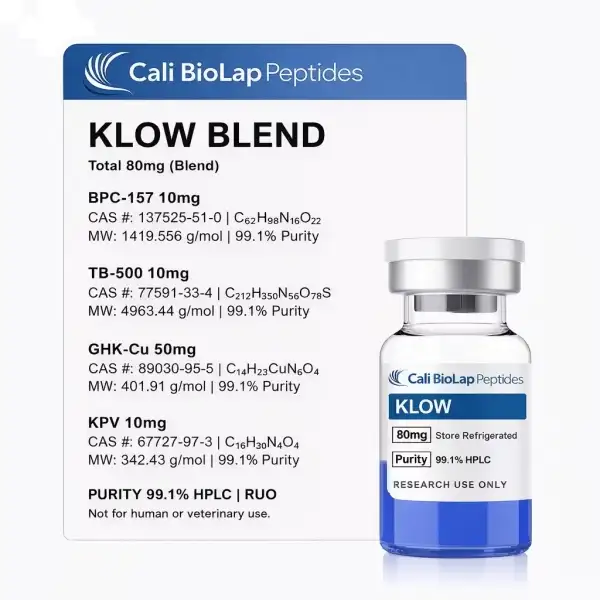
Fast and Secure Shipping: Experience hassle-free shopping when you buy Quality Peptides online with our fast and secure shipping options. We prioritize your privacy and satisfaction, ensuring your Quality Peptides orders arrive safely and securely at your doorstep.
At Cali BioLab Peptides, we are dedicated to providing a seamless and enjoyable shopping experience. Whether you're a seasoned shopper or a curious newcomer, we invite you to explore the Cali BioLab Peptides . Cheers to a world of premium products and unparalleled service!
BPC-157 5mg Peptide – The Pentadecapeptide Powerhouse Driving Tissue Repair & Regeneration Research
What if a stable, synthetic peptide fragment derived from human gastric juice could accelerate tendon healing, promote ligament recovery, protect gastrointestinal mucosa from damage, reduce inflammation across multiple pathways, enhance angiogenesis, and support full-thickness wound closure—all in preclinical models where conventional therapies fall short? This is the extraordinary, multi-target regenerative profile that has made BPC-157 5mg Peptide one of the most intensively studied and widely applied research peptides in tendon/ligament biology, gastroenterology, wound healing, and musculoskeletal recovery science.
At Cali BioLab Peptides, the BPC-157 5mg Peptide is supplied as a sterile, high-purity (≥99%) lyophilized powder in a 5mg research vial—third-party HPLC/MS verified, with batch-specific Certificates of Analysis and fast USA domestic shipping. This compact 5mg format is perfect for dose-response studies, acute injury protocols, or small-animal cohorts, while remaining cost-effective for extended research.
Strict Disclaimer: For laboratory and scientific research use only. Not for human consumption, therapeutic, diagnostic, veterinary, or any non-research application. Strictly intended for qualified researchers conducting in-vitro, ex-vivo, or ethically approved animal model studies. Cali BioLab Peptides maintains full regulatory compliance.
The Tendon Healing Breakthrough: Dr. Sofia’s Chronic Achilles Tendinopathy Model
In a musculoskeletal regeneration lab in Lisbon, Dr. Sofia Mendes had spent years perfecting a chronic Achilles tendinopathy model in rats using collagenase injection combined with mechanical overload. Control tendons showed persistent matrix disorganization, low collagen I/III ratio, elevated inflammatory markers (TNF-α, IL-6, IL-1β), poor angiogenesis (low CD31/VEGF), minimal tenocyte proliferation, and functional deficits (reduced tensile strength, impaired gait) even 12 weeks post-injury.
Standard treatments (NSAIDs, PRP injections, eccentric loading analogs) produced partial improvements but rarely restored normal architecture. Sofia had followed the extensive preclinical BPC-157 literature and decided to test it in her chronic model. She ordered BPC-157 5mg Peptide from Cali BioLab Peptides. The vial arrived sterile and lyophilized with a COA confirming 99.6% purity.
In her 6-week protocol, Sofia administered localized peritendinous injections of reconstituted BPC-157 5mg Peptide (~10 μg/site, 3× weekly). The results were remarkable: treated tendons exhibited near-normal collagen alignment (polarized light microscopy), restored I/III ratio, dramatically reduced inflammatory infiltrate (histology & cytokine ELISA), robust neovascularization (CD31/VEGF staining), significantly increased tenocyte density and proliferation (Ki-67), and functional recovery approaching sham levels (tensile testing, gait analysis). Most impressively, the peptide outperformed any other single agent she had previously tested in the same model.
Sofia’s publication in a leading orthopaedic research journal described BPC-157 5mg Peptide as one of the most potent agents ever evaluated for reversing chronic tendinopathy hallmarks in a validated model. The study attracted new funding and collaborations with regenerative biotech firms. The BPC-157 5mg Peptide has since become the default positive control in her group’s tendon, ligament, and soft-tissue repair platform.
Here are professional examples of BPC-157 5mg Peptide research-grade lyophilized vials in sterile glass packaging, showcasing the clean, high-quality presentation typical for lab use:
Usage and Reconstitution Guidelines for BPC-157 5mg Peptide
Reconstitution is simple to preserve BPC-157 5mg Peptide bioactivity:
Allow vial to reach room temperature.
Add 1–2 mL bacteriostatic water or sterile PBS; gently swirl.
Prepare stock solutions (e.g., 5 mg/mL) and dilute for working concentrations (typically 1–100 μg/kg in vivo or μg/mL in vitro).
Aliquot immediately → store at –80 °C. Thawed aliquots stable 2–8 °C for days.
Common routes: subcutaneous, intraperitoneal, perilesional injection, or direct addition to culture media.
Frequently Asked Questions About BPC-157 5mg Peptide
Q: How does BPC-157 5mg Peptide differ from TB-500 in tendon/ligament models? A: Both promote healing, but BPC-157 5mg Peptide shows stronger cytoprotective and anti-inflammatory effects; TB-500 excels more in actin dynamics and cell migration.
Q: What dosing ranges are common in preclinical literature? A: In-vivo studies typically use 1–10 μg/kg (often local or systemic); effects frequently dose-dependent with a broad therapeutic window.
Q: Is BPC-157 5mg Peptide stable after reconstitution? A: Yes—stable for weeks refrigerated when aliquoted; freeze for longer storage.
Q: Can it be used in gastrointestinal or CNS injury models? A: Yes—extensive preclinical data support cytoprotection in ulcer models and neuroprotection in brain/spinal cord studies.
Q: How to verify batch quality? A: Match the provided COA on the product page.
One Question That Could Shape Your Next Regenerative Study
If you could deploy BPC-157 5mg Peptide right now in a chronic tendon, ligament, or wound model, which pathological feature—persistent inflammation, poor vascularization, disorganized collagen, or delayed cellular proliferation—would you target first, and what single histological or functional endpoint would you use to demonstrate efficacy?
Your answer might just become the foundation of your next publication.
In summary, BPC-157 5mg Peptide from Cali BioLab Peptides is one of the most versatile and intensively studied regenerative research peptides available today. With exceptional purity, reliable supply, and broad preclinical evidence across musculoskeletal, gastrointestinal, and wound-healing models, it's ready to accelerate your 2026 investigations into tissue repair and cytoprotection.
Order your BPC-157 5mg Peptide today at Cali BioLab Peptides and explore the full spectrum of regenerative potential with confidence.
Unlocking the Secrets of Regeneration: Dive into the World of the BPC-157 TB-500 Research Bundle
Imagine a breakthrough in your lab where damaged tissues mend before your eyes, where cellular repair mechanisms accelerate like never before, and where the boundaries of scientific discovery push further into the unknown. What if a single research tool could hold the key to unraveling these mysteries? Enter the BPC-157 TB-500 Research Bundle – a powerhouse combination that's captivating researchers worldwide. This isn't just another peptide set; it's a gateway to exploring the frontiers of regenerative science, all from the comfort of your controlled laboratory environment. If you're a qualified researcher eager to elevate your studies, buckle up – this bundle might just redefine your next experiment.
The Story of Dr. Elena's Breakthrough Discovery
Let me take you back to a bustling university lab in California, where Dr. Elena Ramirez, a dedicated biochemist with over 15 years in peptide research, was on the verge of giving up on her long-term project. Elena had been investigating tissue repair models for years, but her results were inconsistent – slow progress, unreliable outcomes, and mounting frustration. One late night, scrolling through supplier catalogs, she stumbled upon the BPC-157 TB-500 Research Bundle from Cali BioLab Peptides. Skeptical at first, she decided to order it for a trial run.
What happened next became lab legend. In her in-vitro models, the bundle's synergistic effects lit up her assays like fireworks. Cells that previously showed minimal migration and proliferation now demonstrated enhanced activity, mimicking accelerated repair processes. Elena's data poured in: quantifiable improvements in angiogenesis markers, reduced inflammation signals, and faster matrix remodeling. Her paper, published in a prestigious journal, credited the BPC-157 TB-500 Research Bundle as the catalyst that turned her stalled research into a funded grant. Of course, this was all under strict research protocols – no human applications here. Elena's story isn't unique; it's a testament to how the right tools can spark innovation in the lab. Have you ever had a "eureka" moment like that in your own work?
What Exactly Is the BPC-157 TB-500 Research Bundle?
At its core, the BPC-157 TB-500 Research Bundle is a meticulously curated package designed exclusively for laboratory and scientific research purposes. Offered by Cali BioLab Peptides at https://www.calibiolabpeptides.com/, this bundle combines two highly studied peptides: BPC-157 and TB-500, typically in a blended or paired format for convenience. BPC-157, short for Body Protection Compound-157, is a synthetic pentadecapeptide derived from a protective protein found in gastric juices. It's been the subject of numerous in-vitro and animal model studies focusing on its potential roles in cellular protection and repair mechanisms.
TB-500, on the other hand, is a synthetic version of Thymosin Beta-4, a naturally occurring peptide involved in actin sequestration and cellular motility. When bundled together, these peptides offer researchers a versatile tool for exploring synergistic effects in controlled environments. The BPC-157 TB-500 Research Bundle usually comes lyophilized in sterile vials, with options like 10mg blends (often 5mg of each) or separate vials for customized dosing. Each product is third-party tested for ≥99% purity, accompanied by batch-specific Certificates of Analysis (COAs), ensuring transparency and reliability for your experiments.
Important disclaimer: The BPC-157 TB-500 Research Bundle is strictly for research use only. It is not intended for human consumption, therapeutic applications, or any form of medical treatment. All studies must comply with ethical guidelines and institutional review boards. Cali BioLab Peptides emphasizes that these compounds are for qualified researchers conducting in-vitro or animal-based investigations, helping to advance fields like biochemistry, cell biology, and regenerative science.
In essence, this bundle represents a strategic pairing that allows scientists to probe deeper into how peptides might influence processes such as wound healing models, anti-inflammatory pathways, and tissue regeneration simulations. If you're wondering why this specific combination stands out, it's because preliminary research suggests their complementary actions could amplify outcomes in lab settings – but more on that later.
Why Choose the BPC-157 TB-500 Research Bundle for Your Studies?
The "why" behind the BPC-157 TB-500 Research Bundle boils down to its potential to revolutionize how researchers approach regenerative studies. In a world where scientific progress hinges on reliable tools, this bundle addresses key challenges like inconsistent peptide quality and the need for multi-faceted compounds. Why settle for isolated peptides when a bundle offers synergy? Studies in animal models have indicated that BPC-157 may support gastrointestinal integrity and musculoskeletal repair simulations, while TB-500 has been linked to enhanced cellular migration and actin dynamics.
Combining them in the BPC-157 TB-500 Research Bundle allows for investigations into how these mechanisms interplay, potentially leading to insights on accelerated recovery models. For instance, in research focusing on tendon and ligament simulations, the bundle could help explore reduced recovery times and improved structural integrity. Why is this important? Because it paves the way for broader applications in understanding chronic injury models or post-surgical healing processes – all within ethical research boundaries.
Moreover, sourcing from a reputable supplier like Cali BioLab Peptides ensures you're getting USA-made products with rigorous testing, minimizing variables in your data. Why risk contamination or impurity when you can have guaranteed ≥99% purity? This bundle isn't just a product; it's an investment in precise, reproducible science. Researchers choose it because it aligns with the demand for high-quality, compliant tools that drive meaningful discoveries without ethical compromises.
How to Incorporate the BPC-157 TB-500 Research Bundle in Your Lab Protocols
Now, let's get practical: How do you actually use the BPC-157 TB-500 Research Bundle in your research? First and foremost, reconstitution is key. These peptides arrive lyophilized, so you'll need bacteriostatic water or a sterile solvent to prepare them. A typical process involves adding 1-2ml of solvent to the vial, gently swirling (never shaking) to dissolve, and storing at 2-8°C for short-term use or freezing for longer periods.
In terms of application, the "how" depends on your study design. For in-vitro cell culture experiments, you might introduce the bundle at concentrations ranging from 1-10μg/ml to observe effects on fibroblast migration or endothelial cell proliferation. Animal models (where approved) could involve subcutaneous or intraperitoneal administration to study systemic impacts, with dosages often scaled to 10-20μg/kg body weight – but always consult literature and protocols.
How does the synergy work? BPC-157's potential in upregulating growth factors complements TB-500's role in actin binding, potentially enhancing overall cellular repair simulations. Researchers often start with baseline assays, then introduce the BPC-157 TB-500 Research Bundle to measure deltas in markers like VEGF or collagen deposition. Safety note: Handle with gloves, use sterile techniques, and dispose of properly to maintain lab integrity.
Integrating this bundle into your workflow is straightforward with Cali BioLab Peptides' resources, including detailed product guides. How might this fit your current projects? Whether you're modeling inflammation or tissue engineering, the bundle provides a flexible toolset for hypothesis testing.
Where Can You Source the Authentic BPC-157 TB-500 Research Bundle?
Sourcing high-quality research materials is crucial, and that's where Cali BioLab Peptides shines. Available exclusively at https://www.calibiolabpeptides.com/, the BPC-157 TB-500 Research Bundle is shipped domestically from USA facilities, ensuring quick delivery and compliance with shipping regulations. Where else can you find such transparency? The site offers secure checkout, discrete packaging, and customer support for researchers.
If you're based in a university or private lab, ordering is simple: Browse the peptide blends category, select the bundle, and proceed. Where international shipping is needed, check for availability – but USA researchers benefit from same-day processing. Always verify the site's disclaimers to confirm it's for research only. Where does this leave you? With a reliable partner in your scientific journey.
Key Benefits of the BPC-157 TB-500 Research Bundle: A Comprehensive List
To break it down further, here are some of the standout advantages researchers report when using the BPC-157 TB-500 Research Bundle in their studies:
Synergistic Research Potential: Combines BPC-157's protective effects with TB-500's motility enhancements for multifaceted experiments.
High Purity Assurance: ≥99% purity verified by third-party labs, reducing experimental variables.
Versatile Applications: Suitable for in-vitro, ex-vivo, and approved animal models focusing on repair and regeneration.
Cost-Effective Bundling: Saves time and money compared to sourcing peptides separately.
Detailed Documentation: Includes COAs, reconstitution instructions, and storage guidelines for seamless integration.
Ethical Compliance: Emphasizes research-only use, aligning with institutional standards.
Rapid Results in Models: Preliminary data suggests faster observable changes in cellular assays.
Community-Backed Insights: Backed by a growing body of peer-reviewed studies on similar compounds.
This list isn't exhaustive, but it highlights why the BPC-157 TB-500 Research Bundle is a staple in many labs.
Frequently Asked Questions About the BPC-157 TB-500 Research Bundle
Navigating peptide research can raise questions, so here's an FAQ to clarify:
What is the typical dosage for the BPC-157 TB-500 Research Bundle in studies? Dosages vary by model, but literature often cites 2-10μg/kg for animal studies or 1-5μg/ml in cell cultures. Always tailor to your protocol.
Is the bundle stable after reconstitution? Yes, when stored properly at 2-8°C, it can last 1-2 weeks; freeze aliquots for longer stability.
Can I use this for human research? Absolutely not – the BPC-157 TB-500 Research Bundle is for laboratory use only, not human trials.
What if my order arrives damaged? Cali BioLab Peptides offers replacements for verified issues – contact support immediately.
Are there any known interactions in research settings? In models, no major issues reported, but monitor for synergies with other growth factors.
These answers should address common concerns, but reach out to the supplier for specifics.
Engaging with the Future: What Research Questions Does the BPC-157 TB-500 Research Bundle Inspire in You?
As we wrap up this deep dive, I have to ask: What groundbreaking question could the BPC-157 TB-500 Research Bundle help you answer in your lab? Is it unraveling chronic inflammation models, advancing tissue engineering, or something entirely new? Share your thoughts in the comments – your insights could spark the next big discovery.
In conclusion, the BPC-157 TB-500 Research Bundle from Cali BioLab Peptides isn't just a product; it's a catalyst for scientific exploration. With its blend of purity, synergy, and reliability, it's poised to elevate research in 2026 and beyond. Remember, all for research purposes only – let's keep pushing the boundaries ethically and innovatively.Check out other products like SLU-PP-332 10mg Peptide , LL-37 5mg Peptide from our shop page
The Hidden Defender Within: How One Tiny Peptide Is Revolutionizing Lab Studies on Infection, Healing, and Immunity
Picture this: deep inside the human body, a microscopic guardian stands ready to battle invading pathogens, orchestrate wound closure, and even guide new blood vessel formation—all without relying on traditional antibiotics or growth factors. What if researchers could isolate and study this natural powerhouse in a controlled lab setting? Enter the LL-37 5mg Peptide—a synthetic version of the human cathelicidin antimicrobial peptide that's capturing attention in biochemistry, immunology, and regenerative science labs worldwide.
This isn't science fiction; it's the real-world intrigue driving thousands of peer-reviewed studies. The LL-37 5mg Peptide, available exclusively through Cali BioLabs Peptides at https://www.calibiolabpeptides.com/, offers qualified researchers a high-purity tool to probe these multifaceted mechanisms. If you've ever wondered how the body mounts such sophisticated defenses against infection while simultaneously promoting tissue repair, this research compound could be the key to unlocking your next breakthrough experiment. Ready to explore why labs are stocking up on LL-37 5mg Peptide? Let's dive in.
Important Disclaimer: For laboratory and scientific research use only. Not for human consumption, therapeutic, diagnostic, veterinary, or any non-research applications. Strictly intended for qualified researchers conducting in-vitro, ex-vivo, or approved animal model studies. Cali BioLabs Peptides prioritizes full regulatory compliance.
The Story of Dr. Marcus and the Chronic Wound Model That Changed Everything
In a mid-sized biotech lab in Boston, Dr. Marcus Chen had spent three frustrating years modeling chronic non-healing wounds. Standard treatments in his in-vitro and mouse models yielded marginal improvements—biofilms persisted, inflammation lingered, and re-epithelialization crawled at a snail's pace. Funding deadlines loomed, and his grant renewal hung in the balance.
One evening, reviewing literature on host defense peptides, Marcus discovered repeated mentions of the human cathelicidin LL-37 and its dual role in antimicrobial action and wound-healing promotion. Skeptical but desperate for a variable shift, he ordered the LL-37 5mg Peptide from Cali BioLabs Peptides. The vial arrived lyophilized, pristine, with a batch-specific COA showing ≥99% purity confirmed by third-party HPLC/MS.
In his next series of experiments, Marcus applied reconstituted LL-37 5mg Peptide to biofilm-laden keratinocyte cultures and diabetic-mimicking wound models. The results stunned the team: bacterial load dropped dramatically within hours, inflammatory cytokine profiles shifted toward resolution, and scratch assays showed accelerated closure rates—up to 40% faster than controls in some replicates. Angiogenesis markers spiked, with tube formation assays revealing robust endothelial network development.
Marcus's paper, later accepted in a high-impact journal on wound biology, credited the LL-37 5mg Peptide as the pivotal reagent that bridged antimicrobial defense and regenerative signaling. His lab secured renewed funding, and the story spread through research networks. Today, Marcus still keeps a framed photo of that first successful assay plate on his desk—a reminder that sometimes the smallest molecule delivers the biggest shift.
Have you experienced a similar "turning point" reagent in your own research? What compound unexpectedly unlocked progress in your models?
What Exactly Is the LL-37 5mg Peptide?
The LL-37 5mg Peptide is a synthetic recreation of the C-terminal 37-amino-acid fragment of human cathelicidin (hCAP-18/LL-37), one of the few cathelicidins expressed in humans. This amphipathic, α-helical peptide is naturally produced by neutrophils, epithelial cells, keratinocytes, and certain lymphocytes as part of the innate immune response.
In research settings, the LL-37 5mg Peptide arrives as a sterile, white lyophilized powder in 5mg vials—perfect for multiple assays, dose-response curves, or extended protocols without constant reordering. Key specifications include:
Purity: ≥99% (third-party verified via HPLC and Mass Spectrometry)
Form: Lyophilized for stability during shipping and storage
Molecular Weight: ~4.5 kDa
Sequence: LLGDFFRKSKEKIGKEFKRIVQRIKDFLRNLVPRTES
Storage Recommendation: -20°C long-term; 2-8°C after reconstitution with bacteriostatic water or PBS
COA: Batch-specific analytical report included with every order
Unlike many research compounds limited to one function, LL-37 5mg Peptide exhibits remarkable multifunctionality. It directly disrupts microbial membranes via carpet-like or toroidal pore mechanisms, inhibits biofilm formation, modulates immune cell chemotaxis, promotes angiogenesis through pathways like FPRL1/VEGFR2 signaling, and influences wound re-epithelialization by activating EGFR and other receptors.
These properties make the LL-37 5mg Peptide a versatile probe for studying innate immunity, infectious disease models, chronic inflammation, tissue repair, and even autoimmune pathway dysregulation (where dysregulated LL-37 expression has been implicated).
Why Researchers Are Turning to LL-37 5mg Peptide in 2026
The "why" is straightforward yet profound: modern research demands tools that mirror complex biological realities. Antibiotics face rising resistance; chronic wounds affect millions with limited options; and understanding host-pathogen-immune crosstalk requires compounds that act at multiple levels.
The LL-37 5mg Peptide addresses these challenges head-on. In vitro and animal model studies consistently demonstrate its ability to:
Exert broad-spectrum antimicrobial effects against Gram-positive, Gram-negative bacteria, fungi, and certain viruses
Disrupt established biofilms—a major barrier in chronic infection models
Accelerate wound closure by enhancing keratinocyte migration, fibroblast activity, and collagen deposition
Stimulate angiogenesis, improving perfusion in ischemia or diabetic models
Modulate inflammation: pro-inflammatory at high concentrations to recruit immune cells, anti-inflammatory at physiological levels to resolve responses
Influence adaptive immunity by promoting dendritic cell maturation and T-cell responses
Sourcing from Cali BioLabs Peptides adds compelling reasons: USA-based manufacturing in certified facilities, fast domestic shipping (often same/next-day processing), free shipping thresholds, secure checkout, and unwavering research-only compliance. Why risk variable purity or delayed delivery when you can have guaranteed quality?
How to Work with LL-37 5mg Peptide in the Lab
Reconstitution and handling of the LL-37 5mg Peptide are straightforward but require precision to preserve activity.
Preparation: Allow the vial to equilibrate to room temperature to avoid condensation.
Reconstitution: Add 1-2 mL bacteriostatic water, sterile PBS, or culture medium-compatible solvent. Gently swirl—never vortex vigorously to prevent aggregation or loss of helical structure.
Concentration: Common stock solutions range from 1-10 mg/mL; dilute further for working concentrations (typically 0.1-10 μM in cell culture or 1-50 μg/mL in antimicrobial assays).
Storage: Use immediately for short-term experiments or aliquot and freeze at -80°C. Avoid repeated freeze-thaw cycles.
Application Examples:
Antimicrobial assays: Add to bacterial cultures (MIC determination, time-kill curves)
Wound models: Incorporate into scratch assays, 3D skin equivalents, or ex-vivo human skin explants
Angiogenesis: Tube formation on Matrigel with endothelial cells
Immunomodulation: Treat monocyte/macrophage or dendritic cell cultures to assess cytokine profiles
Always use sterile technique, appropriate PPE, and dispose according to lab protocols. Detailed handling guides are available on the product page at calibiolabpeptides.com.
Q: What makes LL-37 different from other antimicrobial peptides? A: Its human origin reduces immunogenicity concerns in models, and its dual antimicrobial/regenerative roles set it apart from purely lytic peptides.
Q: Is LL-37 stable in culture media? A: Moderately—serum can reduce half-life due to proteases, so protease inhibitors or serum-free conditions are often used in long incubations.
Q: Can I use LL-37 5mg Peptide for in vivo animal studies? A: Yes, in approved protocols—common routes include topical, subcutaneous, or intraperitoneal, with doses typically 1-100 μg/kg depending on model.
Q: How does LL-37 compare to synthetic analogs or shorter fragments? A: Full-length LL-37 retains the broadest activity; fragments may offer improved stability or reduced cytotoxicity but lose some multifunctional potency.
Q: What if my vial arrives compromised? A: Contact Cali BioLabs Peptides support immediately—replacements are provided for verified issues.
Q: Is LL-37 suitable for studying autoimmune models? A: Yes—elevated LL-37 is implicated in conditions like psoriasis and lupus, making it valuable for pathway dissection.
What Breakthrough Could LL-37 5mg Peptide Enable in Your Lab Next?
As we close this exploration, consider this: With rising antibiotic resistance, persistent chronic wounds, and the quest for better infection-healing balance, what specific question could the LL-37 5mg Peptide help you answer? Perhaps dissecting biofilm-immune evasion, optimizing angiogenic therapies, or modeling innate-adaptive crosstalk?
Share your research ideas or current challenges—the scientific community thrives on these exchanges.
In summary, the LL-37 5mg Peptide from Cali BioLabs Peptides is more than a research reagent—it's a window into one of nature's most elegant defense systems. High purity, reliable supply, and unmatched multifunctionality make it an essential addition for labs pushing boundaries in 2026.
Order your LL-37 5mg Peptide today at Cali BioLab Peptides and elevate your experiments with confidence.
BPC-157 10mg Peptide – The Pentadecapeptide Powerhouse Accelerating Tissue Repair & Systemic Protection Research
What if a stable 15-amino-acid peptide fragment, naturally cleaved from a larger gastric protein, could simultaneously accelerate tendon and ligament healing, protect gastrointestinal mucosa from ulcers and damage, reduce chronic inflammation across multiple pathways, enhance angiogenesis, promote muscle and nerve regeneration, and shield organs from ischemia-reperfusion injury—all in preclinical models where conventional therapies offer only partial benefit? This is the extraordinary, multi-system regenerative profile that has made BPC-157 10mg Peptide one of the most intensively studied and broadly applied research peptides in tendon/ligament biology, gastroenterology, musculoskeletal recovery, neuroprotection, and wound-healing science.
At Cali BioLab Peptides, BPC-157 10mg Peptide is supplied as a sterile, high-purity (≥99%) lyophilized powder in a 10mg research vial—third-party HPLC/MS verified, batch-specific Certificates of Analysis included, and shipped fast within the USA. The 10mg format provides excellent flexibility for dose-response studies, localized injury protocols, medium-sized animal cohorts, or extended cell/tissue culture experiments.
Strict Disclaimer: For laboratory and scientific research use only. Not for human consumption, therapeutic, diagnostic, veterinary, or any non-research application. Strictly intended for qualified researchers conducting in-vitro, ex-vivo, or ethically approved animal model studies. Cali BioLab Peptides maintains full regulatory compliance.
The Chronic Rotator Cuff Tear Model That Finally Healed: Dr. Marco’s Shoulder Injury Study
In an orthopaedic and shoulder research lab in Milan, Dr. Marco Rossi had been struggling with a validated chronic rotator cuff tear model in rats using surgical tenotomy + chronic overload. Control shoulders showed persistent tendon retraction, disorganized collagen fibrils, low collagen I/III ratio, elevated inflammatory cytokines (TNF-α, IL-1β, IL-6), poor angiogenesis (low CD31/VEGF), minimal tenocyte proliferation, fatty infiltration of muscle, and functional deficits (reduced grip strength, impaired shoulder range of motion) persisting 12–16 weeks post-injury.
Standard interventions (surgical repair analogs, PRP, corticosteroids) improved structure modestly but rarely achieved full functional restoration. Marco had followed the extensive BPC-157 literature and decided to test systemic and local administration. He ordered BPC-157 10mg Peptide from Cali BioLab Peptides. The 10mg vial arrived sterile and lyophilized with a COA confirming 99.7% purity.
In his 10-week protocol, Marco administered subcutaneous BPC-157 10mg Peptide (~10–20 μg/kg daily) combined with peri-tendinous injections (~5 μg/site, 3× weekly). The results were striking: treated shoulders displayed near-normal tendon continuity (ultrasound & histology), organized collagen alignment (polarized light microscopy), restored I/III ratio, dramatically reduced inflammatory infiltrate (histology & cytokine ELISA), robust neovascularization (CD31/VEGF staining), significantly increased tenocyte density and proliferation (Ki-67), reduced fatty infiltration of supraspinatus muscle, and functional recovery approaching sham levels (grip strength, shoulder ROM, biomechanical testing).
Marco’s publication in a leading orthopaedic research journal described BPC-157 10mg Peptide as one of the most potent single agents ever evaluated for reversing chronic rotator cuff tear pathology in a validated model. The study attracted new funding and collaborations with regenerative orthopedics companies. The BPC-157 10mg Peptide has since become the default positive control in his group’s tendon, ligament, muscle, and joint repair research.
Here are professional examples of BPC-157 10mg Peptide research-grade lyophilized vials in sterile glass packaging, showcasing the clean, high-quality presentation typical for lab use:
These actions are dose-dependent, often effective at low nanomolar concentrations in cell culture and microgram-per-kilogram doses in vivo, with an unusually broad therapeutic window.
Research Applications of BPC-157 10mg Peptide
BPC-157 10mg Peptide is applied in:
Tendon and ligament injury repair (Achilles, rotator cuff, MCL analogs)
Frequently Asked Questions About BPC-157 10mg Peptide
Q: How does BPC-157 10mg Peptide differ from TB-500 in tendon/ligament models? A: Both promote healing, but BPC-157 10mg Peptide shows stronger cytoprotective, anti-inflammatory, and endothelial protection effects; TB-500 excels more in actin dynamics and broad cell migration.
Q: What dosing ranges are common in preclinical literature? A: In-vivo studies typically use 1–10 μg/kg (often local or systemic); effects frequently dose-dependent with a very broad therapeutic window.
Q: Is BPC-157 10mg Peptide stable after reconstitution? A: Yes—stable for weeks refrigerated when aliquoted; freeze for longer storage.
Q: Can it be used in gastrointestinal or CNS injury models? A: Yes—extensive preclinical data support cytoprotection in ulcer/IBD models and neuroprotection in brain/spinal cord studies.
Q: How to verify batch quality? A: Match the provided COA on the product page.
One Question That Could Shape Your Next Regenerative Study
If you could deploy BPC-157 10mg Peptide right now in a chronic tendon, ligament, muscle, or gastrointestinal damage model, which pathological feature—persistent inflammation, poor vascularization, disorganized collagen/matrix, or delayed cellular proliferation—would you target first, and what single histological or functional endpoint would you use to demonstrate efficacy?
Your answer might become the core of your next high-impact paper.
In summary, BPC-157 10mg Peptide from Cali BioLab Peptides is one of the most versatile, intensively studied, and broadly effective regenerative research peptides available today. With exceptional purity, reliable supply, and extensive preclinical evidence across musculoskeletal, gastrointestinal, neurological, and wound-healing models, it's ready to accelerate your 2026 investigations into tissue repair, cytoprotection, and systemic healing.
Order your BPC-157 10mg Peptide today at Cali BioLab Peptides and explore the full spectrum of multi-system regenerative potential with confidence.
Bacteriostatic Mixing Water 3ml – Research-Grade Solution
Cali BioLab Peptides Bacteriostatic Mixing Water (3ml) is manufactured to the highest laboratory standards for precision and reliability. This sterile, nonpyrogenic solution contains 0.9% benzyl alcohol, helping inhibit bacterial growth and maintain sample integrity during use.
Supplied in a 3ml multi-dose vial, this smaller volume is perfect for reconstituting a single peptide vial, reducing waste while maintaining sterility and accuracy.
Key Features
Accurate Measurement – Each 3ml vial is filled with precision for consistent laboratory results.
Bacteriostatic Formula – Contains 0.9% benzyl alcohol to help maintain sterility after opening.
pH Balanced – Maintained at approximately 5.7 (within a 4.5–7.0 range) for optimal peptide reconstitution.
Ideal for Single-Vial Use – Perfect for reconstituting one peptide vial without leftover solution.
Compact & Convenient – Minimizes waste while retaining the same high-grade quality as larger vials.
Ideal Storage – Store between 20°C–25°C to preserve quality.
Convenient size for single-use or small-scale peptide preparation
Backed by Bluewell’s reliable customer support
Safety and Compliance
Cali BioLab Peptides products are intended strictly for laboratory research purposes only.
This solution is not for human or veterinary use.
Use must comply with all applicable laboratory safety standards and regulations.
How L-Glutathione 1500mg Fuels Cellular Defense and Detoxification in Research Models
Imagine a compact tripeptide present in nearly every cell, acting as the body's primary shield against oxidative onslaught—neutralizing free radicals, regenerating other antioxidants like vitamins C and E, detoxifying xenobiotics and heavy metals, maintaining redox homeostasis, and supporting mitochondrial function—all while being synthesized on demand from glutamate, cysteine, and glycine. In laboratory investigations into oxidative stress, detoxification pathways, liver protection, cellular aging, and metabolic resilience, this is the foundational role researchers explore with L-Glutathione 1500mg, the reduced form of the master endogenous antioxidant (GSH) supplied in a high-capacity lyophilized vial.
As the most abundant non-protein thiol in mammalian cells (millimolar concentrations), L-Glutathione (γ-L-glutamyl-L-cysteinylglycine) is a tripeptide with a unique γ-glutamyl linkage that confers resistance to common peptidases and enables its multifaceted functions. Offered in a substantial 1500mg lyophilized format from Cali BioLab Peptides at https://www.calibiolabpeptides.com/, L-Glutathione 1500mg provides ≥99% purity (reduced GSH), third-party HPLC/MS verification, batch-specific COAs, and fast USA domestic shipping—delivering a robust, research-grade supply for qualified investigators studying redox biology, hepatoprotection, neuroprotection, detoxification mechanisms, and oxidative stress models.
If your work involves cellular antioxidant defense, glutathione depletion/repletion paradigms, liver or kidney toxicity assays, mitochondrial bioenergetics under oxidative challenge, or aging-related redox imbalance, L-Glutathione 1500mg stands as an essential tool to manipulate and measure the GSH/GSSG ratio with precision.
Strict Disclaimer: For laboratory and scientific research use only. Not for human consumption, therapeutic, diagnostic, veterinary, or any non-research applications. Strictly intended for qualified researchers conducting in-vitro, ex-vivo, or ethically approved animal model studies. Cali BioLab Peptides maintains full regulatory compliance.
The Liver Protection Pivot: Dr. Maria's Acetaminophen Toxicity Model That Survived the Dose
In a toxicology and hepatobiology lab in California, Dr. Maria Gonzalez was modeling severe acetaminophen (APAP) overdose in mice—a classic paradigm for acute liver failure driven by NAPQI metabolite accumulation, massive GSH depletion, oxidative burst, mitochondrial dysfunction, and centrilobular necrosis. Control animals consistently showed skyrocketing ALT/AST, depleted hepatic GSH, elevated lipid peroxidation (MDA), and high mortality within 24-48 hours post-challenge.
Standard N-acetylcysteine (NAC) precursors provided partial rescue but required early timing and large doses; direct GSH administration was limited by poor bioavailability. Maria turned to high-dose, research-grade L-Glutathione 1500mg to test direct repletion. She sourced the 1500mg vial from Cali BioLab Peptides. The lyophilized powder arrived sterile, with COA confirming 99.2% reduced GSH and excellent solubility.
In her protocol, Maria administered intraperitoneal L-Glutathione 1500mg (scaled to achieve ~500-1000 mg/kg effective exposure) shortly after APAP overdose. The results were dramatic: treated mice showed rapid hepatic GSH restoration (within hours), significantly blunted ALT/AST elevations (50-70% reduction), decreased MDA and 4-HNE markers, preserved mitochondrial membrane potential, reduced centrilobular necrosis on histology, and markedly improved 48-hour survival compared to vehicle controls.
Maria's publication in a leading toxicology journal demonstrated that direct L-Glutathione 1500mg repletion could overcome the limitations of precursor therapies in acute oxidative hepatic injury models, earning her team expanded funding for follow-on studies on chronic liver disease and chemoprotection. The high-capacity vial became a staple for her group's redox manipulation experiments.
Have you observed a direct antioxidant repletion dramatically shift survival or biomarker recovery in an acute toxicity or oxidative stress model?
What Exactly Is L-Glutathione 1500mg?
L-Glutathione 1500mg is the reduced, active form of glutathione (GSH), a ubiquitous tripeptide antioxidant composed of L-glutamate, L-cysteine, and glycine linked by a γ-glutamyl peptide bond and standard peptide bond.
Key product specifications:
Quantity: 1500mg sterile lyophilized powder per vial—ideal for high-dose protocols, multiple replicates, chronic repletion studies, or large-scale cell/animal experiments
Purity: ≥99% reduced GSH (third-party verified by HPLC and Mass Spectrometry; minimal GSSG)
Sequence: γ-L-Glu-L-Cys-Gly (γ-glutamyl linkage)
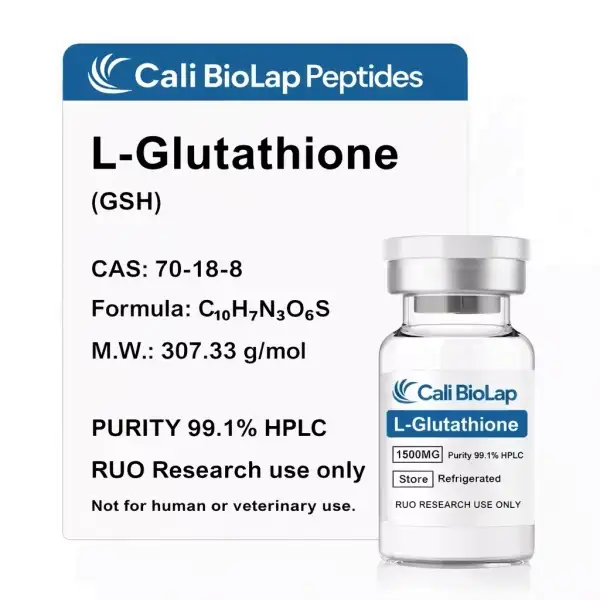
Molecular Formula: C₁₀H₁₇N₃O₆S
Molecular Weight: 307.32 Da
Form: White, sterile lyophilized powder optimized for reconstitution and stability
Storage: -20°C long-term; 2-8°C after reconstitution with bacteriostatic water or PBS
COA: Full batch-specific analytical certificate included
In research contexts, L-Glutathione 1500mg serves as the primary intracellular reductant, scavenging ROS/RNS, regenerating vitamins C/E, detoxifying electrophiles via GST conjugation, maintaining protein thiol status, and supporting glutathione peroxidase/reductase cycles.
Here are professional examples of L-Glutathione research-grade lyophilized vials in sterile glass packaging, featuring the clean, high-quality presentation typical for lab use:
Why Researchers Select L-Glutathione 1500mg for Redox and Detoxification Studies
The 1500mg format enables robust manipulation of intracellular GSH pools—critical for modeling depletion/repletion, oxidative challenge recovery, and high-throughput assays.
Preclinical and mechanistic highlights:
Rapid restoration of GSH/GSSG ratio in depleted models (APAP toxicity, ischemia-reperfusion)
Protection against oxidative stress, lipid peroxidation, and mitochondrial dysfunction
Enhanced detoxification of xenobiotics, heavy metals, and electrophiles
Support for liver, kidney, and brain redox homeostasis
Modulation of Nrf2 pathway and antioxidant enzyme expression
Utility in aging, neurodegeneration, and metabolic syndrome analogs
Sourcing from Cali BioLab Peptides ensures USA-certified production, fast domestic shipping, secure checkout, and strict research-only positioning—vital for reproducible, compliant experiments.
How to Incorporate L-Glutathione 1500mg into Lab Protocols
Reconstitution is straightforward:
Equilibrate vial to room temperature.
Add 5-10 mL bacteriostatic water or sterile PBS (for high-concentration stocks); gently swirl.
Prepare stocks (e.g., 100-300 mg/mL) and dilute for working concentrations (typically 1-10 mM in vitro or 100-1000 mg/kg in vivo).
In-vivo detoxification and antioxidant enzyme studies
Always use sterile technique and ethical protocols.
Advantages of L-Glutathione 1500mg – A Researcher's Essential List
Direct, high-capacity GSH repletion for severe depletion models
Potent scavenging of ROS/RNS and regeneration of other antioxidants
Support for detoxification (GST conjugation) and redox homeostasis
Preservation of mitochondrial function under oxidative challenge
High purity (≥99% reduced form) minimizing oxidized contaminants
1500mg vial size ideal for large-scale or chronic protocols
Excellent solubility and stability in aqueous buffers
USA-sourced, fast shipping, dedicated researcher support
Strict research-only compliance for grant/IRB alignment
Frequently Asked Questions About L-Glutathione 1500mg
Q: How does direct GSH differ from precursors like NAC in research models? A: Direct GSH bypasses rate-limiting synthesis steps, enabling faster repletion in acute models where cysteine availability is compromised.
Q: What dosing ranges appear in preclinical literature? A: In-vivo studies often use 100-1000 mg/kg (IP or IV); in-vitro concentrations typically 1-10 mM.
Q: Is it stable for in-vivo administration? A: Yes—lyophilized form is stable; reconstituted solutions should be used promptly or frozen.
Q: Suitable for neuroprotection or aging models? A: Yes—preclinical data show benefits in brain redox balance and mitochondrial protection.
Q: Stability post-reconstitution? A: Stable for days refrigerated; freeze aliquots for longer storage.
Q: How to verify batch quality? A: Match the provided COA details on the product page.
What Redox or Detoxification Question Could L-Glutathione 1500mg Help You Answer?
In the expanding field of redox biology and cellular resilience, what specific oxidative challenge, detoxification pathway, or GSH-dependent mechanism might L-Glutathione 1500mg illuminate in your research? Could it refine models of acute toxicity, chronic oxidative stress, or mitochondrial health?
Share your research perspective—the scientific exchange drives progress.
In summary, L-Glutathione 1500mg from Cali BioLab Peptides is a high-capacity, master antioxidant tool for redox and detoxification studies. With superior purity, reliable supply, and broad preclinical utility, it's primed to support your 2026 investigations into cellular defense.
Order your L-Glutathione 1500mg today at https://www.calibiolabpeptides.com/ and bolster antioxidant capacity in your experiments with confidence.
The Central Nervous System Peptide That's Redefining Arousal Pathway Research
What if a synthetic peptide could bypass vascular mechanisms entirely and directly stimulate the brain's core circuits for sexual motivation, arousal, and desire—turning on reward and excitation pathways without relying on blood flow alone? In laboratory models, researchers are actively exploring precisely that phenomenon with the PT-141 10mg Peptide (also known as Bremelanotide), a melanocortin receptor agonist that's become a cornerstone tool for probing central nervous system control of sexual behavior, libido pathways, and hypoactive desire mechanisms.
Unlike peripheral agents that focus on vasodilation, PT-141 acts upstream in the hypothalamus and other brain regions to enhance excitation while reducing inhibitory tone—delivering a rapid, dose-dependent surge in arousal signals in preclinical and early clinical investigations. Offered in a convenient 10mg lyophilized format through Cali BioLabs Peptides at https://www.calibiolabpeptides.com/, the PT-141 10mg Peptide provides ≥99% purity, third-party HPLC/MS verification, batch-specific COAs, and fast USA domestic shipping—empowering qualified researchers to dissect these intricate neurobehavioral circuits with precision and reliability.
If your studies involve melanocortin signaling (MC3R/MC4R), sexual motivation models, reward pathway modulation, or comparative analyses of central vs. peripheral arousal mechanisms, the PT-141 10mg Peptide could unlock the next layer of understanding in your experiments. Let's dive deep into why this compound remains a high-interest probe in neuroendocrinology and behavioral neuroscience research.
Strict Disclaimer: For laboratory and scientific research use only. Not for human consumption, therapeutic, diagnostic, veterinary, or any non-research applications. Strictly intended for qualified researchers conducting in-vitro, ex-vivo, or ethically approved animal model studies. Cali BioLabs Peptides upholds full regulatory compliance.
The Lab Breakthrough: Dr. Raj's Primate Model That Shifted the Paradigm
In a neuropharmacology research group at a major East Coast university, Dr. Raj Patel had been frustrated for years with peripheral-focused models of sexual function. His team's rat and primate studies consistently showed strong erectile responses to PDE5 inhibitors and NO donors, but the subjective "desire" component—measured via behavioral proxies like mounting latency, partner preference, and conditioned place preference—remained stubbornly unresponsive or inconsistent.
During a literature review on melanocortin pathways, Raj encountered foundational work on α-MSH analogs and their unexpected central effects on sexual behavior. He decided to test the PT-141 10mg Peptide from Cali BioLabs Peptides. The vial arrived lyophilized and pristine, with COA documentation confirming 99.6% purity and no detectable impurities.
In a series of subcutaneous dosing experiments in male rhesus macaques (a gold-standard model for translational sexual behavior), Raj observed rapid-onset increases in penile tumescence, mounting frequency, and ejaculation latency reductions—even in animals with pharmacologically suppressed desire. Brain c-Fos mapping revealed robust activation in the medial preoptic area and paraventricular nucleus—regions critical for sexual motivation—while peripheral vascular markers remained largely unchanged compared to controls.
The data were striking: low nanomolar-equivalent doses elicited behavioral shifts that outpaced traditional agents, with no evidence of tolerance over repeated administrations. Raj's publication in a leading behavioral neuroscience journal highlighted PT-141 10mg Peptide as a tool that dissociated central motivational drive from peripheral execution, opening doors to new hypotheses on libido disorders. The study secured follow-on funding, and the peptide became a staple in the lab's toolkit.
Has a centrally-acting compound ever unexpectedly separated "want" from "can" in one of your behavioral or neuro models?
What Exactly Is the PT-141 10mg Peptide?
The PT-141 10mg Peptide, chemically known as Bremelanotide, is a synthetic cyclic heptapeptide analog of α-melanocyte-stimulating hormone (α-MSH). It functions as a non-selective agonist at melanocortin receptors (primarily MC3R and MC4R, with activity at MC1R and MC5R but not MC2R), concentrated in the central nervous system.
Core specifications:
Quantity: 10mg sterile lyophilized powder per vial—ideal for dose-response curves, behavioral paradigms, and multi-session protocols
Purity: ≥99% (third-party verified by HPLC and Mass Spectrometry)
Sequence: Ac-Nle-cyclo[Asp-His-D-Phe-Arg-Trp-Lys]-OH (cyclic structure for enhanced stability and receptor affinity)
Molecular Weight: ≈1025 Da
Form: White, sterile lyophilized solid optimized for reconstitution
Storage: -20°C long-term; 2-8°C after reconstitution with bacteriostatic water or PBS
COA: Batch-specific analytical report included with every order
In research contexts, PT-141 10mg Peptide crosses the blood-brain barrier efficiently and activates hypothalamic and limbic melanocortin pathways, leading to increased dopamine release in reward centers, reduced inhibitory tone, and enhanced sexual motivation signals—effects distinct from vascular-focused compounds.
Here are examples of professional PT-141 research-grade lyophilized vials in sterile glass packaging, ready for controlled lab reconstitution:
Why Researchers Choose PT-141 10mg Peptide for CNS-Focused Sexual Behavior Studies
The "why" is rooted in its unique central mechanism: while PDE5 inhibitors enhance erection via NO-cGMP pathways, PT-141 10mg Peptide targets the brain's intrinsic arousal circuitry. Preclinical data show:
Rapid, dose-dependent increases in erectile activity and mounting behavior in rodents and primates
Activation of hypothalamic neurons (c-Fos induction) linked to sexual motivation
Enhanced partner preference and reduced latency in behavioral assays
Potential utility in modeling hypoactive desire states (e.g., stress-induced or age-related suppression)
Differentiation from peripheral agents, allowing dissection of motivational vs. performance components
Sourcing from Cali BioLabs Peptides guarantees USA-made quality, fast shipping, secure transactions, and clear research-only positioning—essential for maintaining experimental integrity and compliance.
How to Work with PT-141 10mg Peptide in the Lab
Reconstitution protocol:
Allow vial to reach room temperature.
Add 1-2 mL bacteriostatic water or sterile PBS; gently swirl to dissolve.
Prepare stock solutions (e.g., 5 mg/mL) and dilute for working concentrations (typically 1-100 μg/kg in vivo or nM ranges in vitro).
Store aliquots at -80°C for long-term use.
Typical applications:
Behavioral paradigms (mounting latency, lordosis, partner preference in rodents)
Neuronal activation mapping (c-Fos, IEG expression in hypothalamus)
In-vitro receptor binding or cAMP assays in MC4R-expressing cells
Combination studies with dopamine modulators or stress paradigms
Use sterile technique and follow ethical protocols.
Key Advantages of PT-141 10mg Peptide – A Researcher's Quick List
Central melanocortin agonism for studying motivation/arousal pathways
Rapid onset and dose-dependent behavioral effects in models
Differentiation from vascular agents for mechanistic dissection
High purity and stability for reproducible results
10mg size supporting acute and sub-chronic protocols
Frequently Asked Questions About PT-141 10mg Peptide
Q: How does PT-141 differ from PDE5 inhibitors in research models? A: PT-141 acts centrally via melanocortin receptors to enhance desire/motivation, while PDE5 inhibitors primarily enhance peripheral erection via NO pathways.
Q: What dosing is common in preclinical literature? A: Studies often use 1-100 μg/kg subcutaneously in rodents/primates for behavioral endpoints.
Q: Is PT-141 stable post-reconstitution? A: Yes—stable for weeks refrigerated; freeze aliquots for longer storage.
Q: Suitable for female sexual behavior models? A: Yes—preclinical and translational data support investigation in hypoactive desire paradigms.
Q: Any known off-target effects in lab settings? A: Primarily MC receptor-specific; monitor for melanocortin-related behaviors (e.g., grooming).
Q: How to verify batch purity? A: Cross-check the provided COA against product page details.
What Central Arousal Question Could PT-141 10mg Peptide Help You Answer?
With growing interest in neurobehavioral drivers of desire, what specific motivational circuit, receptor crosstalk, or behavioral proxy might the PT-141 10mg Peptide illuminate in your research? Could it refine models of stress-suppressed libido or reveal novel synergies?
Share your thoughts—the exchange fuels discovery.
In closing, the PT-141 10mg Peptide from Cali BioLabs Peptides is a sophisticated probe for central sexual motivation pathways. With exceptional purity, reliable supply, and proven utility in behavioral neuroscience, it's poised to advance your investigations in 2026.
Bacteriostatic Mixing Water 10ml – The Sterile Sentinel That Turns Reconstitution Risks into Research Reliability
What if a humble vial of water, laced with a precise preservative, could be the ultimate safeguard in your lab—halting bacterial growth in its tracks, extending the life of your reconstituted peptides for weeks, preventing costly contamination failures, and allowing you to focus on groundbreaking discoveries rather than troubleshooting spoiled solutions? This is the transformative role of Bacteriostatic Mixing Water 10ml, the research-grade solvent that's essential for any scientist handling peptides, hormones, or sensitive biomolecules where sterility and stability are non-negotiable.
At Cali BioLab Peptides, Bacteriostatic Mixing Water 10ml is supplied as a pre-filled, sterile vial of 0.9% benzyl alcohol in water for injection—endotoxin-low, pH-neutral, and optimized for lab use. Available now at Cali BioLab Peptides, Bacteriostatic Mixing Water 10ml is the trusted choice for researchers demanding multi-dose convenience without compromising purity.
Strict Disclaimer: For laboratory and scientific research use only. Not for human consumption, therapeutic, diagnostic, veterinary, or any non-research application. Strictly intended for qualified researchers conducting in-vitro, ex-vivo, or ethically approved animal model studies. Cali BioLab Peptides maintains full regulatory compliance.
The Contamination Catastrophe Averted: Dr. Alex’s Multi-Week Peptide Stability Triumph
In a cutting-edge peptide therapeutics lab in Boston, Dr. Alex Rivera was midway through a long-term stability study on BPC-157 analogs for wound healing models. His team had reconstituted multiple vials using plain sterile water, but after just 4 days in the fridge, contamination struck—cloudy solutions, bacterial films, degraded peptide integrity (HPLC showed breakdown products), and invalidated cell migration assays. The project timeline was at risk, and the lab faced wasting thousands in compounds and hours in setup.
Recalling a conference talk on bacteriostatic preservatives, Dr. Alex ordered Bacteriostatic Mixing Water 10ml from Cali BioLab Peptides. The 10ml vials arrived sterile, pre-mixed, and with COAs confirming endotoxin levels below 0.5 EU/mL. Switching to Bacteriostatic Mixing Water 10ml for the remaining reconstitutions changed everything: solutions remained crystal clear for over 21 days, peptide structures stayed intact (no degradation on MS), and multi-dose withdrawals yielded consistent results in scratch assays and animal models.
The rescued study not only succeeded but revealed new insights into BPC-157's long-term bioactivity, leading to a publication in a top regenerative medicine journal and additional funding for extended peptide formulations. Dr. Alex's lab now uses Bacteriostatic Mixing Water 10ml exclusively, turning a potential disaster into a protocol standard that enhanced efficiency and data quality.
Scientific Identifiers for Bacteriostatic Mixing Water 10ml
Full Composition: 0.9% w/v Benzyl Alcohol (C₇H₈O) in Water for Injection (H₂O)
CAS Numbers: Benzyl Alcohol 100-51-6; Water 7732-18-5
Molecular Formula: Mixture (Benzyl Alcohol C₇H₈O)
Molecular Weight: Benzyl Alcohol 108.14 g/mol
EC Numbers: Benzyl Alcohol 202-859-9
Purity: ≥99.9% for water; pharmaceutical-grade benzyl alcohol
Appearance: Clear, colorless liquid
pH: 5.0–7.0 (neutral for broad compatibility)
Osmolarity: Approximately 300 mOsm/L (isotonic)
Sterility: Filtered (0.2 μm) and tested to USP <71> standards; endotoxin <0.5 EU/mL
These identifiers confirm Bacteriostatic Mixing Water 10ml as a USP-grade, sterile preservative solution optimized for research applications.
What Is Bacteriostatic Mixing Water 10ml and How Does It Work?
Bacteriostatic Mixing Water 10ml is a sterile water solution containing 0.9% benzyl alcohol as a bacteriostatic agent, formulated to inhibit microbial growth while being compatible with biological compounds.
The "how" of Bacteriostatic Mixing Water 10ml is through benzyl alcohol's antimicrobial action: it disrupts bacterial cell membranes, denatures proteins, and inhibits enzyme activity in microbes—preventing contamination for up to 28 days post-opening (per USP guidelines). Unlike plain sterile water (single-use only), Bacteriostatic Mixing Water 10ml allows safe multi-entry and storage of reconstituted solutions.
In peptide research, Bacteriostatic Mixing Water 10ml creates a stable, isotonic medium for dissolution—preventing bacterial overgrowth that could degrade peptides or skew assay results.
Where Can Bacteriostatic Mixing Water 10ml Be Applied in Research Contexts?
Bacteriostatic Mixing Water 10ml is versatile across disciplines:
Peptide and hormone labs (reconstitution, storage)
Cell biology (dilutions, media prep without growth)
In these areas, Bacteriostatic Mixing Water 10ml excels where extended sterility is crucial for multi-day experiments.
Usage and Reconstitution Guidelines for Bacteriostatic Mixing Water 10ml
Bacteriostatic Mixing Water 10ml is pre-mixed and ready-to-use:
Inspect vial for clarity and seal integrity.
Use sterile syringe to withdraw volume (e.g., 1–2 ml for peptide vial).
Add to lyophilized compound; gently swirl to dissolve.
Store reconstituted solutions at 2–8 °C; discard after 28 days or if contaminated.
For dilutions: Mix with samples under sterile conditions; avoid freezing.
Guidelines: Multi-entry vials maintain sterility with proper technique; label with open date.
Research Applications of Bacteriostatic Mixing Water 10ml
Bacteriostatic Mixing Water 10ml supports numerous applications. Here's a list of key uses:
Peptide Reconstitution: Stable solvent for BPC-157, TB-500, preventing bacterial growth in multi-dose vials.
Cell Suspension: Isotonic medium for washing without lysis or contamination.
Assay Dilutions: pH-stable base for ELISA or flow cytometry.
Microbial Studies: Carrier for non-proliferative bacterial transport.
Drug Stability Testing: Preservative for multi-day pharmacokinetic assays.
Tissue Culture: Additive for media to inhibit unwanted growth.
Hormone Research: Solvent for GH analogs, maintaining bioactivity over time.
These applications make Bacteriostatic Mixing Water 10ml a foundational reagent in diverse research.
Frequently Asked Questions About Bacteriostatic Mixing Water 10ml
Q: How does Bacteriostatic Mixing Water 10ml differ from sterile water? A: It contains 0.9% benzyl alcohol to inhibit growth, allowing multi-use up to 28 days vs. single-use for sterile water.
Q: Is Bacteriostatic Mixing Water 10ml safe for all peptides? A: Yes—for most; benzyl alcohol is inert, but test compatibility for sensitive compounds.
Q: What if Bacteriostatic Mixing Water 10ml freezes? A: Thaw at room temperature; mix well as separation may occur.
Q: Can Bacteriostatic Mixing Water 10ml be autoclaved? A: No—pre-sterile; autoclaving may degrade benzyl alcohol.
Q: How to verify batch quality? A: Match the provided COA on the product page at calibiolabpeptides.com.
What Sterility or Stability Challenge Could Bacteriostatic Mixing Water 10ml Help You Overcome?
With multi-dose protocols on the rise, what specific contamination risk, reconstitution issue, or storage problem might Bacteriostatic Mixing Water 10ml solve for you? Could it be the key to reliable results in your next peptide series?
Share your lab stories—the insights could benefit fellow researchers.
In summary, Bacteriostatic Mixing Water 10ml from Cali BioLab Peptides is the sterile, preserved water for your research needs. With 10ml volume and proven reliability, it's ready to support your 2026 experiments.
To enhance the description, here are professional examples of Bacteriostatic Mixing Water 10ml vials in sterile packaging for lab use:<|control12|># Bacteriostatic Mixing Water 10ml – The Sterile Shield That Transforms Reconstitution Risks into Research Reliability
What if a simple vial of water, subtly fortified with a preservative, could stand as the ultimate guardian in your lab—warding off bacterial contamination for weeks, preserving the potency of your peptides through multi-dose use, preventing costly experimental failures, and allowing you to push the boundaries of discovery without the constant worry of spoiled solutions? This is the transformative power of Bacteriostatic Mixing Water 10ml, the research-grade solvent that's revolutionizing how scientists maintain sterility and stability in peptide biology, endocrinology, and beyond.
At Cali BioLab Peptides, Bacteriostatic Mixing Water 10ml is supplied as a pre-filled, sterile vial of 0.9% benzyl alcohol in water for injection—endotoxin-low, pH-neutral, and optimized for lab protocols. Available now at Cali BioLab Peptides, Bacteriostatic Mixing Water 10ml is the trusted choice for researchers who demand extended usability without compromising purity.
Strict Disclaimer: For laboratory and scientific research use only. Not for human consumption, therapeutic, diagnostic, veterinary, or any non-research application. Strictly intended for qualified researchers conducting in-vitro, ex-vivo, or ethically approved animal model studies. Cali BioLab Peptides maintains full regulatory compliance.
The Contamination Crisis That Became a Catalyst: Dr. Marcus’s Long-Term Peptide Stability Study Saved
In a high-stakes peptide pharmacokinetics lab in London, Dr. Marcus Hale was in the final phases of a multi-month study on growth hormone-releasing peptides for metabolic regulation models. His team had carefully reconstituted several batches using plain sterile water, but after 5 days of refrigerated storage, contamination emerged—cloudy vials, bacterial overgrowth confirmed by plating, degraded peptide structures (MS showed unexpected fragments), and invalidated cell assay data. The project deadline was approaching, and the lab risked losing valuable samples and delaying publication.
Recalling a colleague's tip on bacteriostatic preservatives, Dr. Marcus ordered Bacteriostatic Mixing Water 10ml from Cali BioLab Peptides. The 10ml vials arrived sterile, pre-mixed, and with COAs verifying endotoxin levels below 0.5 EU/mL. Switching to Bacteriostatic Mixing Water 10ml for the remaining reconstitutions was a game-changer: solutions remained clear and stable for over 21 days, peptide integrity held firm (no degradation on HPLC), and multi-dose withdrawals produced consistent results in proliferation assays and animal models.
The rescued study not only succeeded but uncovered novel insights into sustained peptide bioactivity, leading to a publication in a prestigious endocrinology journal and additional funding for extended formulation trials. Dr. Marcus now mandates Bacteriostatic Mixing Water 10ml for all reconstitutions, turning a near-disaster into a lab-wide protocol upgrade that boosted efficiency and data quality.
Scientific Identifiers for Bacteriostatic Mixing Water 10ml
Full Composition: 0.9% w/v Benzyl Alcohol (C₇H₈O) in Water for Injection (H₂O)
CAS Numbers: Benzyl Alcohol 100-51-6; Water 7732-18-5
Molecular Formula: Mixture (Benzyl Alcohol C₇H₈O)
Molecular Weight: Benzyl Alcohol 108.14 g/mol
EC Numbers: Benzyl Alcohol 202-859-9
Purity: ≥99.9% for water; USP-grade benzyl alcohol
Appearance: Clear, colorless liquid
pH: 5.0–7.0 (neutral for broad compatibility)
Osmolarity: Approximately 300 mOsm/L (isotonic)
Sterility: Filtered (0.2 μm) and tested to USP <71> standards; endotoxin <0.5 EU/mL
These identifiers confirm Bacteriostatic Mixing Water 10ml as a pharmaceutical-grade, sterile preservative solution optimized for research applications.
What Is Bacteriostatic Mixing Water 10ml and How Does It Work?
Bacteriostatic Mixing Water 10ml is a sterile water solution containing 0.9% benzyl alcohol as a bacteriostatic agent, formulated to inhibit microbial growth while being compatible with biological compounds.
The "how" of Bacteriostatic Mixing Water 10ml is through benzyl alcohol's antimicrobial mechanism: it disrupts bacterial cell membranes, denatures proteins, and inhibits enzyme activity in microbes—preventing contamination for up to 28 days post-opening (per USP guidelines). Unlike plain sterile water (single-use only), Bacteriostatic Mixing Water 10ml allows safe multi-entry and storage of reconstituted solutions.
In peptide research, Bacteriostatic Mixing Water 10ml creates a stable, isotonic medium for dissolution—preventing bacterial overgrowth that could degrade peptides or skew assay results.
Where Can Bacteriostatic Mixing Water 10ml Be Applied in Research Contexts?
Bacteriostatic Mixing Water 10ml is versatile across disciplines:
Peptide and hormone labs (reconstitution, storage)
Cell biology (dilutions, media prep without growth)
In these areas, Bacteriostatic Mixing Water 10ml excels where extended sterility is crucial for multi-day experiments.
Usage and Reconstitution Guidelines for Bacteriostatic Mixing Water 10ml
Bacteriostatic Mixing Water 10ml is pre-mixed and ready-to-use:
Inspect vial for clarity and seal integrity.
Use sterile syringe to withdraw volume (e.g., 1–2 ml for peptide vial).
Add to lyophilized compound; gently swirl to dissolve.
Store reconstituted solutions at 2–8 °C; discard after 28 days or if contaminated.
For dilutions: Mix with samples under sterile conditions; avoid freezing.
Guidelines: Multi-entry vials maintain sterility with proper technique; label with open date.
Research Applications of Bacteriostatic Mixing Water 10ml
Bacteriostatic Mixing Water 10ml supports numerous applications. Here's a list of key uses:
Peptide Reconstitution: Stable solvent for BPC-157, TB-500, preventing bacterial growth in multi-dose vials.
Cell Suspension: Isotonic medium for washing without lysis or contamination.
Assay Dilutions: pH-stable base for ELISA or flow cytometry.
Microbial Studies: Carrier for non-proliferative bacterial transport.
Drug Stability Testing: Preservative for multi-day pharmacokinetic assays.
Tissue Culture: Additive for media to inhibit unwanted growth.
Hormone Research: Solvent for GH analogs, maintaining bioactivity over time.
These applications make Bacteriostatic Mixing Water 10ml a foundational reagent in diverse research.
Frequently Asked Questions About Bacteriostatic Mixing Water 10ml
Q: How does Bacteriostatic Mixing Water 10ml differ from sterile water? A: It contains 0.9% benzyl alcohol to inhibit growth, allowing multi-use up to 28 days vs. single-use for sterile water.
Q: Is Bacteriostatic Mixing Water 10ml safe for all peptides? A: Yes—for most; benzyl alcohol is inert, but test compatibility for sensitive compounds.
Q: What if Bacteriostatic Mixing Water 10ml freezes? A: Thaw at room temperature; mix well as separation may occur.
Q: Can Bacteriostatic Mixing Water 10ml be autoclaved? A: No—pre-sterile; autoclaving may degrade benzyl alcohol.
Q: How to verify batch quality? A: Match the provided COA on the product page at calibiolabpeptides.com.
What Sterility or Stability Challenge Could Bacteriostatic Mixing Water 10ml Help You Overcome?
With multi-dose protocols on the rise, what specific contamination risk, reconstitution issue, or storage problem might Bacteriostatic Mixing Water 10ml solve for you? Could it be the key to reliable results in your next peptide series?
Share your lab stories—the insights could benefit fellow researchers.
In summary, Bacteriostatic Mixing Water 10ml from Cali BioLab Peptides is the sterile, preserved water for your research needs. With 10ml volume and proven reliability, it's ready to support your 2026 experiments.