Fast and Secure Shipping: Experience hassle-free shopping when you buy Quality Peptides online with our fast and secure shipping options. We prioritize your privacy and satisfaction, ensuring your Quality Peptides orders arrive safely and securely at your doorstep.
At Cali BioLab Peptides, we are dedicated to providing a seamless and enjoyable shopping experience. Whether you're a seasoned shopper or a curious newcomer, we invite you to explore the Cali BioLab Peptides . Cheers to a world of premium products and unparalleled service!
AOD 9604 5mg Peptide – The Lipolytic Fragment Unlocking Selective Fat Metabolism Research
What if a precisely engineered 16-amino-acid peptide, derived from the C-terminal region of human growth hormone, could trigger targeted lipolysis, enhance fat oxidation, reduce adipose accumulation, and potentially support cartilage repair mechanisms—all in preclinical models without significantly affecting IGF-1 levels, glucose homeostasis, or the broader hormonal cascade normally associated with full-length GH? This is the compelling, highly selective metabolic profile that continues to drive interest in AOD 9604 5mg Peptide, the synthetic hGH fragment that's long been a key research tool in obesity, lipid metabolism, body composition, and regenerative orthopedics studies.
At Cali BioLab Peptides, AOD 9604 5mg Peptide is supplied as a sterile, high-purity (≥99%) lyophilized powder in a 5mg research vial—third-party HPLC/MS verified, batch-specific Certificates of Analysis included, and shipped fast within the USA. This compact 5mg format is ideal for dose-response curves, acute or short-term animal protocols, cell culture experiments, or pilot studies exploring fat metabolism and tissue repair pathways.
Strict Disclaimer: For laboratory and scientific research use only. Not for human consumption, therapeutic, diagnostic, veterinary, or any non-research application. Strictly intended for qualified researchers conducting in-vitro, ex-vivo, or ethically approved animal model studies. Cali BioLab Peptides maintains full regulatory compliance.
The Obesity Reversal Model That Highlighted Selective Fat Loss: Dr. Neha’s DIO Mouse Study
In a metabolic research group at a leading Australian university, Dr. Neha Patel was investigating diet-induced obesity (DIO) in C57BL/6 mice fed a 60% high-fat diet for 12 weeks. Her animals developed severe adiposity, insulin resistance, elevated hepatic triglycerides, reduced energy expenditure, and persistent weight gain despite caloric restriction attempts.
Direct GH administration caused unwanted IGF-1 elevation and glucose dysregulation; calorie restriction alone was insufficient for selective fat loss. Neha had followed early Australian studies on AOD9604's lipolytic domain and ordered AOD 9604 5mg Peptide from Cali BioLab Peptides. The 5mg vial arrived lyophilized with a COA confirming 99.4% purity.
In her 8-week intervention, Neha administered subcutaneous AOD 9604 5mg Peptide (~250–500 μg/kg daily). The results were striking: treated DIO mice showed significant reductions in body fat mass (DEXA), decreased adipocyte size (histology), increased lipolysis markers (HSL phosphorylation), improved lipid profiles (lower triglycerides), enhanced energy expenditure (indirect calorimetry), and accelerated weight loss—without measurable changes in circulating IGF-1, glucose intolerance, or lean mass loss. Liver fat content also decreased markedly in a subset with steatosis.
Neha’s publication in a respected metabolism journal demonstrated that AOD 9604 5mg Peptidecould selectively promote fat metabolism and body composition improvement in obesity models without the endocrine side effects of intact GH. The study attracted new funding and collaborations focused on targeted lipolytic peptides. The AOD 9604 5mg Peptide became a staple in her group’s obesity reversal and adipose biology research.
What Exactly Is AOD 9604 5mg Peptide?
AOD 9604 5mg Peptide (Anti-Obesity Drug 9604) is a synthetic 16-amino-acid peptide fragment corresponding to residues 177–191 of the C-terminal region of human growth hormone (hGH). It was developed to retain the lipolytic (fat-burning) domain of hGH while eliminating most of the growth-promoting, IGF-1-stimulating, and diabetogenic effects of the full hormone.
Key product specifications:
Quantity: 5mg sterile lyophilized powder per vial—ideal for pilot studies, dose-finding, or short-term protocols
Purity: ≥99% (third-party verified by HPLC and Mass Spectrometry)
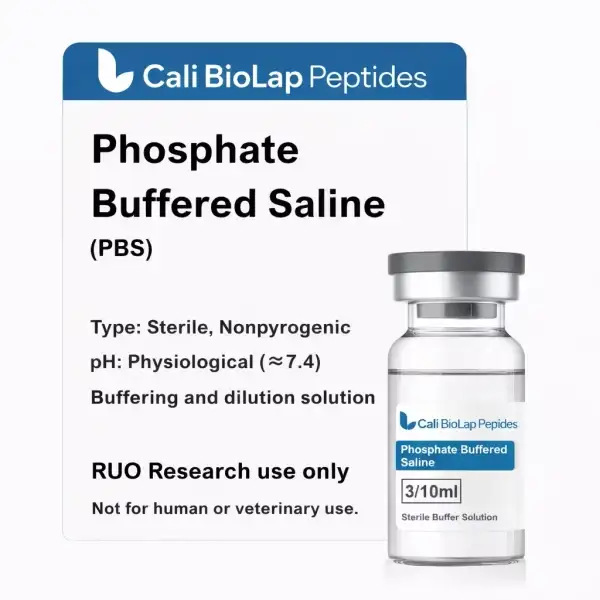
Storage: –20 °C long-term; 2–8 °C after reconstitution with bacteriostatic water or PBS
COA: Batch-specific analytical report included
In research settings, AOD 9604 5mg Peptide is primarily studied for its selective stimulation of lipolysis in adipose tissue without significantly activating the IGF-1 axis or altering glucose metabolism.
How AOD 9604 5mg Peptide Works in Biological Systems
AOD 9604 5mg Peptide mimics the lipolytic domain of hGH by:
Binding to and activating adipocyte receptors → stimulating hormone-sensitive lipase (HSL) → breaking down triglycerides into free fatty acids and glycerol
Enhancing β-oxidation in adipose and liver tissue
Reducing de novo lipogenesis and fat accumulation
Potentially supporting cartilage matrix synthesis (via chondrocyte stimulation in some models) without full GH-like growth promotion
Unlike full hGH, AOD 9604 5mg Peptide shows minimal impact on IGF-1 production, glucose uptake, or insulin sensitivity in most studies, making it a cleaner probe for fat-specific metabolic research.
Research Applications of AOD 9604 5mg Peptide
AOD 9604 5mg Peptide is applied in:
Diet-induced obesity (DIO) and weight-loss reversal models
Selective lipolysis and fat oxidation studies (indirect calorimetry, HSL activity)
Adipocyte metabolism and lipid droplet dynamics
Cartilage repair and osteoarthritis analogs (chondrocyte proliferation, matrix synthesis)
Metabolic syndrome and insulin resistance models (with focus on fat-specific effects)
Comparative studies vs. full hGH or other lipolytic agents
Key research endpoints:
Reduction in body fat mass & adipocyte size (DEXA, histology)
Cartilage matrix production (GAGs, collagen II) in joint models
Preservation of lean mass during weight loss
Usage and Reconstitution Guidelines for AOD 9604 5mg Peptide
Allow vial to reach room temperature.
Add 1–2 mL bacteriostatic water or sterile PBS; gently swirl.
Prepare stock solutions (e.g., 5 mg/mL) and dilute for working concentrations (typically 100–500 μg/kg in vivo or μg/mL in vitro).
Aliquot immediately → store at –80 °C. Thawed aliquots stable 2–8 °C for days.
Common routes: subcutaneous or intraperitoneal injection in animal models; direct addition to adipocyte or chondrocyte culture media.
Frequently Asked Questions About AOD 9604 5mg Peptide
Q: How does AOD 9604 5mg Peptide differ from full human growth hormone (hGH) in research models? A: AOD 9604 5mg Peptide retains the lipolytic domain of hGH but lacks significant IGF-1 stimulation, glucose dysregulation, or growth-promoting effects—making it a more targeted tool for fat metabolism and cartilage studies.
Q: What dosing ranges are common in preclinical literature? A: In-vivo studies typically use 100–500 μg/kg (subcutaneous or IP); in-vitro concentrations often 1–100 μg/mL in adipocytes or chondrocytes.
Q: Is AOD 9604 5mg Peptide stable after reconstitution? A: Yes—stable for weeks refrigerated when aliquoted; freeze for longer storage.
Q: Can it be used in cartilage or joint repair models? A: Yes—preclinical data suggest benefits in chondrocyte proliferation and matrix synthesis for osteoarthritis analogs.
Q: How to verify batch quality? A: Match the provided COA on the product page.
One Question That Could Shape Your Next Metabolic or Regenerative Study
If you could deploy AOD 9604 5mg Peptide right now in an obesity or cartilage degeneration model, which mechanism—selective lipolysis, fat oxidation enhancement, or chondrocyte matrix stimulation—would you prioritize first, and what key metabolic or histological endpoint would you measure to demonstrate efficacy?
Your answer might become the foundation of your next high-impact publication.
In summary, AOD 9604 5mg Peptide from Cali BioLab Peptides is a selective, lipolytic hGH fragment with compelling preclinical potential in fat metabolism, body composition, and cartilage repair research. With exceptional purity, reliable supply, and strong evidence from obesity and joint models, it's ready to advance your 2026 investigations into targeted metabolic and regenerative pathways.
Order your AOD 9604 5mg Peptide today at Cali BioLab Peptides and explore selective fat loss and tissue support with precision and confidence.
GHK-Cu 50mg – High-Purity Copper Peptide
GHK-Cu (Copper Tripeptide-1) is a naturally occurring peptide complex first identified in human plasma, known for its ability to bind copper ions and influence biological repair pathways. Supplied in lyophilised (freeze-dried) form to maintain stability and purity, this compound is verified at >99% purity (HPLC-tested) and provided with full Certificates of Analysis (COAs).
What is GHK-Cu?
GHK-Cu is a tripeptide composed of three amino acids with a strong affinity for copper molecules. Researchers have investigated it for its role in cellular regeneration, inflammation reduction, and gene expression support. Due to its copper content, the peptide can appear in varying shades of blue without affecting quality or consistency.
Unlike cosmetic-grade peptides, GHK-Cu offered by Bluewell Peptides is supplied strictly for laboratory research use only with full COA verification.
Scientific Identifiers
Product Name: GHK-Cu 50mg
Catalogue Number: BWP-GHKCU-50
CAS Number: 89030-95-5
Molecular Formula: C₁₄H₂₄CuN₆O₄
Molecular Weight: 401.91 g/mol
Form: Lyophilised Solid
Purity: >99.1% (HPLC Verified)
Storage: Store at −20°C in a dry, dark place
Unit Size: 50mg
Usage and Reconstitution
GHK-Cu is provided as a freeze-dried solid to ensure long-term stability. For laboratory use, it may be reconstituted with bacteriostatic water or another suitable solvent according to research protocols. For further guidance, please refer to our peptide reconstitution page.
Research Applications of GHK-Cu
GHK-Cu has been investigated in preclinical and laboratory studies for its potential influence on:
Skin Regeneration and Wound Healing – Studied for stimulating collagen and elastin production, fibroblast activity, and wound closure in skin repair models.
Anti-Inflammatory Action – Research suggests GHK-Cu may reduce inflammatory markers (IL-6, TNF-α), with potential applications in damaged tissue and oxidative stress models.
Neuroprotective Effects – Explored for its potential to support nerve regeneration, angiogenesis in brain tissue, and gene expression patterns linked to repair and aging.
Scientific references are available on request or in our research archive.
Why Order GHK-Cu from Bluewell Peptides?
99.1% purity, HPLC-verified
COA provided with every batch
Secure ordering and fast USA delivery
Transparent, research-focused supplier
Excellent customer support and trusted reviews
Semax + Selank Cognitive Nootropic Stack – High-Purity Research Bundle
The Cognitive Nootropic Stack combines two of the most studied research peptides, Semax and Selank, each supplied in either 5mg or 10mg vials with optional bacteriostatic mixing water. This pairing has attracted research interest for its potential influence on cognitive function, memory performance, mood regulation, and neuroprotection.
Both compounds are supplied as lyophilised (freeze-dried) solids to ensure long-term stability. Each batch is verified at >99.1% purity (HPLC-tested) and provided with full Certificates of Analysis (COAs).
What is the Cognitive Nootropic Stack?
Semax – A synthetic derivative of ACTH fragments, investigated for its effects on brain-derived neurotrophic factor (BDNF), synaptic plasticity, and potential neuroprotection.
Selank – A synthetic analogue of tuftsin, researched for its anxiolytic, cognitive, and immune-modulating properties without sedative effects.
Together, these peptides form a complementary nootropic stack for advanced laboratory research into brain function and neurobiology.
Scientific Identifiers
Semax 5mg/10mg
CAS Number: 80714-61-0
Molecular Formula: C₃₇H₅₁N₉O₁₀S
Molecular Weight: 813.92 g/mol
Form: Lyophilised Solid
Purity: >99.1% (HPLC Verified)
Storage: Store refrigerated or at −20°C, protected from light
Selank 5mg/10mg
CAS Number: 129954-34-3
Molecular Formula: C₃₃H₅₇N₁₁O₉
Molecular Weight: 751.87 g/mol
Form: Lyophilised Solid
Purity: >99.1% (HPLC Verified)
Storage: Store refrigerated or at −20°C, protected from light
Optional Mixing Water
Volume: 10ml
Type: Bacteriostatic Water (with preservative)
Use: For peptide reconstitution
Usage and Reconstitution
The peptides in this stack are supplied in freeze-dried form to preserve stability. For laboratory research, they may be reconstituted with bacteriostatic water or another suitable solvent according to established protocols. For detailed instructions, refer to our peptide reconstitution guide.
Research Applications of the Cognitive Nootropic Stack
Semax
Nootropic Action – Studied for cognitive enhancement, memory support, and learning.
Neuroprotection – Investigated for protective effects in models of ischemia and oxidative stress.
Mood Modulation – Explored for influence on dopamine and serotonin systems.
Selank
Anxiolytic Effects – Researched for calming and anti-anxiety activity.
Cognitive Support – Studied for improvements in focus, attention, and memory.
Immune Regulation – Explored for roles in immune system modulation.
References available on request or in our research archive.
Why Order the Cognitive Nootropic Stack from Bluewell Peptides?
99.1% purity, HPLC-verified
COA provided with every batch
Secure ordering and fast USA delivery
Transparent, research-focused supplier
Excellent customer support and trusted reviews
Epithalon 10mg Peptide – The Pineal-Derived Key to Cellular Longevity Research
What if a tiny tetrapeptide, naturally produced in the pineal gland during youth, could hold the molecular secret to delaying replicative senescence, lengthening telomeres, normalizing pineal function, and restoring youthful gene expression patterns in aging cell models? In laboratories around the world, researchers are actively investigating this exact possibility with Epithalon 10mg Peptide—a synthetic analog of epithalamin that continues to generate fascination in the fields of gerontology, epigenetics, telomerase biology, and pineal neuroendocrine signaling.
Developed from the active fraction of epithalamin (a natural pineal extract), Epithalon 10mg Peptide (Ala-Glu-Asp-Gly) is one of the most studied short peptides in longevity science. Available exclusively through Cali BioLab Peptides, this 10mg lyophilized vial of Epithalon 10mg Peptide offers ≥99% purity, third-party HPLC/MS verification, batch-specific Certificates of Analysis, and fast USA domestic shipping—providing qualified researchers with a clean, high-fidelity tool to explore telomerase activation, chromatin remodeling, pineal gland restoration, and age-related gene expression changes in controlled experimental systems.
Strict Disclaimer: For laboratory and scientific research use only. Not for human consumption, therapeutic, diagnostic, veterinary, or any non-research application. Strictly intended for qualified researchers conducting in-vitro, ex-vivo, or ethically approved animal model studies. Cali BioLab Peptides maintains full regulatory compliance.
The Story That Shifted an Entire Gerontology Lab: Dr. Irina’s Fibroblast Lifespan Breakthrough
In a telomere and cellular aging research group in St. Petersburg, Dr. Irina Petrova had spent nearly a decade culturing human diploid fibroblasts (WI-38 and IMR-90 lines) to document the Hayflick limit. Passage after passage, her cells reliably entered replicative senescence around PD 48–52: telomeres shortened critically, p16INK4a and p21CIP1 surged, SA-β-galactosidase activity spiked, and proliferation ceased.
Standard interventions (telomerase overexpression via hTERT, caloric restriction mimetics) extended lifespan modestly but often introduced artifacts or genomic instability. Irina had followed Russian publications on epithalamin and its tetrapeptide component and decided to test synthetic Epithalon 10mg Peptide. She ordered a 10mg vial from Cali BioLab Peptides. The product arrived lyophilized, sterile, and accompanied by a COA showing 99.8% purity.
In her protocol, Irina added low-nanomolar concentrations of reconstituted Epithalon 10mg Peptide to late-passage fibroblasts every 48 hours. The outcome stunned the lab: treated cells continued dividing well beyond the control Hayflick limit (reaching PD 68–74 in some replicates), telomere length stabilized or modestly lengthened (qPCR and TRF analysis), telomerase activity increased 2–4 fold (TRAP assay), p16/p21 expression remained suppressed, and SA-β-gal positivity stayed low. Most remarkably, global gene expression profiling revealed partial reversal of age-associated transcriptional signatures—downregulation of senescence-associated secretory phenotype (SASP) factors and partial restoration of youthful pineal-related gene patterns.
Irina’s paper, published in a respected gerontology journal, demonstrated that Epithalon 10mg Peptide could delay replicative senescence in normal human fibroblasts partly through telomerase upregulation and epigenetic modulation. The study attracted international attention, new collaborations, and additional grant support. The Epithalon 10mg Peptide became a permanent fixture in her group’s longevity screening platform.
What Exactly Is Epithalon 10mg Peptide?
Epithalon 10mg Peptide is a synthetic tetrapeptide (Ala-Glu-Asp-Gly) identical to the active core sequence of epithalamin, a natural pineal gland extract first studied for its geroprotective properties in the 1980s–1990s by Russian researchers.
Key product specifications:
Quantity: 10mg sterile lyophilized powder per vial—sufficient for multiple dose-response curves, chronic cell culture supplementation, or small-to-medium animal cohorts
Purity: ≥99% (third-party verified by HPLC and Mass Spectrometry)
Sequence: Ala-Glu-Asp-Gly
Molecular Formula: C₁₄H₂₂N₄O₉
Molecular Weight: 390.35 Da
Form: White, sterile lyophilized powder optimized for reconstitution
Storage: -20°C long-term; 2-8°C after reconstitution with bacteriostatic water or PBS
COA: Batch-specific analytical certificate included with every order
In research settings, Epithalon 10mg Peptide is most frequently studied for its ability to induce telomerase activity in somatic cells, modulate pineal melatonin synthesis, influence hypothalamic-pituitary axis function, and exert broad geroprotective effects in aging models.
Here are professional examples of Epithalon 10mg Peptide research-grade lyophilized vials in sterile glass packaging, showcasing the clean, high-quality presentation typical for lab use:
How Does Epithalon 10mg Peptide Exert Its Effects in Experimental Models?
The primary mechanism of Epithalon 10mg Peptide centers on upregulation of telomerase reverse transcriptase (hTERT) expression and activity in normal somatic cells that normally lack significant telomerase. This leads to telomere maintenance or modest elongation, delaying replicative senescence.
Secondary and complementary actions include:
Normalization of pineal melatonin production in aged animals
Modulation of neuroendocrine axes (hypothalamus, pituitary, gonads)
Reduction of age-related chromatin condensation and heterochromatin loss
Downregulation of pro-inflammatory and pro-senescence gene networks
Antioxidant and DNA-protective effects in some models
Potential epigenetic reprogramming toward a more youthful transcriptional state
These effects are typically observed at low nanomolar to micromolar concentrations in cell culture and at microgram-per-kilogram doses in animal models—often administered subcutaneously, intraperitoneally, or intranasally.
Why Researchers Continue to Study Epithalon 10mg Peptide in Longevity and Pineal Biology
The appeal of Epithalon 10mg Peptide lies in its multi-target, systems-level geroprotective profile—acting simultaneously on telomere biology, pineal neuroendocrine function, and age-related transcriptional drift.
Key research areas where Epithalon 10mg Peptide is actively employed:
Telomerase activation and replicative lifespan extension in normal human fibroblasts and epithelial cells
Delay or reversal of senescence-associated phenotypes (SASP suppression, SA-β-gal reduction)
Restoration of pineal melatonin rhythm and neuroendocrine regulation in aged rodents
Modulation of hypothalamic gene expression and gonadotropin release
Investigation of epigenetic clocks and chromatin accessibility changes
Synergy studies with other geroprotectors (metformin, rapamycin, NAD+ precursors)
Sourcing Epithalon 10mg Peptide from Cali BioLab Peptides guarantees USA-certified manufacturing, rapid domestic shipping, secure checkout, and strict research-only framing—essential for maintaining experimental integrity and compliance.
Frequently Asked Questions About Epithalon 10mg Peptide
Q: How does Epithalon 10mg Peptide compare to direct telomerase activators like TA-65? A: Epithalon 10mg Peptide induces endogenous hTERT expression in normal somatic cells, whereas TA-65 is a small-molecule activator derived from astragalus. Both are studied for telomerase effects, but Epithalon often shows broader pineal and neuroendocrine activity.
Q: What dosing ranges are most common in preclinical literature? A: In-vitro studies typically use 0.1–10 μM; in-vivo rodent studies frequently employ 1–100 μg/kg/day (subcutaneous or intranasal) for 10–30 days.
Q: Does Epithalon 10mg Peptide work in post-senescent cells? A: Limited data suggest it can partially reverse some senescence markers and extend lifespan in late-passage cells, but it does not immortalize normal cells.
Q: Is it stable after reconstitution? A: Yes—stable for weeks at 2–8°C; freeze aliquots for longer storage.
Q: Can Epithalon 10mg Peptide be combined with other longevity peptides? A: Yes—researchers frequently study combinations with Pinealon, Cortagen, Vilon, or NAD+ precursors.
Q: How do I confirm batch authenticity? A: Verify the provided COA numbers against the product page at calibiolabpeptides.com.
What Longevity or Pineal Question Could Epithalon 10mg Peptide Help You Answer in Your Lab?
As interest in pineal-regulated aging and telomerase modulation continues to grow, what specific aspect of replicative senescence, pineal melatonin decline, or epigenetic aging might Epithalon 10mg Peptide help you elucidate? Could it redefine your understanding of how neuroendocrine signals influence cellular lifespan?
Share your research vision—the scientific community thrives on these questions.
In summary, Epithalon 10mg Peptide from Cali BioLab Peptides is a compact yet profoundly influential tool for longevity, telomerase, and pineal neuroendocrine research. With exceptional purity, reliable supply, and a rich history of preclinical investigation, it remains one of the most intriguing geroprotective peptides available today.
Order your Epithalon 10mg Peptide today at Cali BioLab Peptides and explore the molecular frontiers of healthy aging with confidence.
How One Peptide Orchestrates Immune Balance and Resilience in Research Models
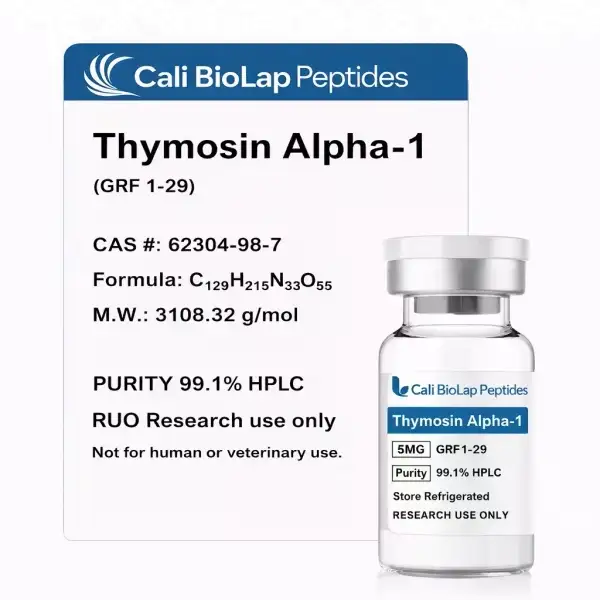
Imagine uncovering a single molecular conductor that can fine-tune the entire immune orchestra—boosting weak responses against pathogens, dialing down excessive inflammation, restoring T-cell function in compromised models, and even enhancing vaccine-like responses—all from a natural thymic peptide fragment. In laboratory investigations worldwide, this is the compelling reality researchers are exploring with Thymosin Alpha 1 5mg-10mg Peptide (TA1), a 28-amino-acid immunostimulatory compound that's long been a gold-standard tool for dissecting adaptive and innate immunity dynamics.
Naturally occurring as a cleavage product of prothymosin alpha in the thymus gland, TA1 has captivated immunologists since its isolation decades ago for its ability to restore immune competence in thymectomized animal models. Now available in flexible 5mg and 10mg lyophilized formats from Cali BioLab Peptides at https://www.calibiolabpeptides.com/, the Thymosin Alpha 1 5mg-10mg Peptide offers ≥99% purity, rigorous third-party HPLC/MS verification, batch-specific Certificates of Analysis, and fast USA domestic shipping—providing qualified researchers with a reliable, high-quality reagent to probe immune modulation, infectious disease resistance, cancer immunosurveillance, and autoimmune pathway regulation.
If your studies involve T-cell maturation, dendritic cell activation, cytokine network balancing, antiviral defenses, or tumor-immune interactions, the Thymosin Alpha 1 5mg-10mg Peptide stands ready to elevate your experimental precision and yield transformative data. Let's unpack the science, stories, and strategic advantages driving its enduring popularity in 2026 immunology research.
Strict Disclaimer: For laboratory and scientific research use only. Not for human consumption, therapeutic, diagnostic, veterinary, or any non-research applications. Strictly intended for qualified researchers conducting in-vitro, ex-vivo, or ethically approved animal model studies. Cali BioLab Peptides maintains full regulatory compliance.
The Pivotal Experiment: Dr. Aisha's Immunocompromised Mouse Model That Turned the Tide
In a translational immunology lab in Boston, Dr. Aisha Rahman was grappling with frustratingly inconsistent results in her sepsis and viral challenge models using aged or cyclophosphamide-treated mice. These animals exhibited profound T-cell lymphopenia, blunted cytokine responses, poor clearance of pathogens, and high mortality rates—mirroring real-world immunocompromised states but proving difficult to rescue meaningfully with standard interventions.
During a collaborative review of thymic hormone literature, Aisha revisited classic studies showing that thymosin alpha 1 could partially reconstitute immune function in athymic nude mice. She sourced the Thymosin Alpha 1 5mg-10mg Peptide (opting for the 10mg vial for extended dosing) from Cali BioLab Peptides. The product arrived lyophilized and impeccably documented, with COA confirming 99.8% purity and no detectable contaminants.
In her protocol, Aisha administered subcutaneous doses (scaled from literature: ~0.1–1 mg/kg) to immunosuppressed mice prior to and during Listeria monocytogenes or influenza challenge. The outcomes were striking: treated cohorts showed restored CD4+ and CD8+ T-cell counts, enhanced IFN-γ and IL-2 production, increased dendritic cell maturation (upregulated CD86/CD80), accelerated pathogen clearance, and dramatically improved survival rates—often 2–3 fold higher than vehicle controls. Splenocyte proliferation assays and ex-vivo cytokine ELISAs confirmed broad immune restoration without hyperinflammation.
Aisha's resulting publication in a top immunology journal positioned Thymosin Alpha 1 5mg-10mg Peptide as a model tool for studying thymic peptide-mediated immune reconstitution, earning her team new grants and industry partnerships. The peptide became a fixture in the lab's toolkit, reminding everyone that sometimes the most elegant solutions come from mimicking nature's own immune architects.
What aspect of immune dysregulation in your models might the Thymosin Alpha 1 5mg-10mg Peptide help you normalize or dissect more clearly?
What Precisely Is the Thymosin Alpha 1 5mg-10mg Peptide?
The Thymosin Alpha 1 5mg-10mg Peptide is a synthetic replica of the biologically active 28-amino-acid N-terminal fragment of prothymosin alpha, a thymic hormone first isolated for its role in restoring T-cell function in thymectomized animals.
Core specifications:
Available Sizes: 5mg or 10mg sterile lyophilized powder per vial (select based on study scale—5mg for pilots, 10mg for chronic or multi-replicate protocols)
Purity: ≥99% (independent third-party verification via HPLC and Mass Spectrometry)
Sequence: Ac-SDAAVDTSSEITTKDLKEKKEVVEEAEN-NH₂ (acetylated N-terminus, amidated C-terminus for stability)
Molecular Weight: ≈3,108 Da
Form: White, sterile lyophilized powder optimized for reconstitution and long-term storage
Storage: -20°C long-term; 2-8°C after reconstitution with bacteriostatic water or PBS
COA: Full batch-specific analytical certificate provided with every order
Mechanistically, TA1 interacts with Toll-like receptors (especially TLR2/TLR9) on dendritic cells and other antigen-presenting cells, promoting maturation, cytokine/chemokine production (IFN-γ, IL-2, IL-12), and T-cell differentiation. It enhances CD4+/CD8+ responses, boosts antibody production, counters steroid-induced apoptosis, and modulates inflammation—exerting immunostimulatory effects in deficient states while preventing overactivation in hyperinflammatory models.
Here are professional examples of Thymosin Alpha 1 research-grade lyophilized vials in sterile glass packaging, showcasing the clean, high-quality presentation typical for lab use:
Why the Thymosin Alpha 1 5mg-10mg Peptide Remains Essential for Immune Research in 2026
The immune system’s complexity demands tools that can both amplify deficient responses and temper excessive ones—exactly what TA1 achieves in preclinical models. Key research interests include:
Restoration of T-cell and dendritic cell function in aging, chemotherapy, or immunosuppression models
Enhancement of antiviral and antibacterial clearance (hepatitis, influenza, sepsis simulations)
Modulation of tumor immunosurveillance and synergy with checkpoint inhibitors in oncology models
Anti-inflammatory balancing in autoimmune or chronic inflammatory paradigms
Vaccine adjuvant-like effects, improving antibody titers and cellular memory
Neuroprotective and anti-apoptotic actions in certain disease contexts
Sourcing from Cali BioLab Peptides ensures USA-certified production, rapid shipping, secure checkout, and unwavering research-only compliance—critical for reproducible results and institutional approval.
How Researchers Utilize Thymosin Alpha 1 5mg-10mg Peptide in Protocols
Reconstitution is straightforward:
Equilibrate vial to room temperature.
Add 1–2 mL bacteriostatic water or sterile PBS; gently swirl to dissolve.
Prepare stocks (e.g., 2–5 mg/mL) and dilute for working concentrations (typically 0.1–1 mg/kg in vivo or μg/mL in vitro).
Aliquot and store at -80°C for long-term stability.
Applications include:
In-vitro T-cell proliferation, cytokine ELISAs, and DC maturation assays
In-vivo challenge models (viral, bacterial, tumor) with pre- or co-administration
Combination studies with vaccines, checkpoint inhibitors, or immunosuppressants
Ex-vivo splenocyte or PBMC analyses for immune profiling
Always employ sterile technique and ethical oversight.
Advantages of Thymosin Alpha 1 5mg-10mg Peptide – A Comprehensive List
Dual immunostimulatory and immunomodulatory actions for balanced research
Restoration of thymic-like function in deficient models
Enhancement of innate and adaptive responses without broad hyperactivation
High purity and batch transparency reducing experimental noise
Flexible 5mg/10mg sizes for pilot-to-extensive studies
Excellent stability and solubility in standard buffers
USA-sourced, fast domestic shipping, dedicated researcher support
Alignment with strict research-only standards for compliance
Frequently Asked Questions About Thymosin Alpha 1 5mg-10mg Peptide
Q: How does TA1 differ from other immune modulators like interferons? A: TA1 acts upstream via TLRs and thymic pathways to broadly restore and balance immunity, rather than directly mimicking specific cytokines.
Q: What dosing ranges appear in preclinical literature? A: Common in-vivo doses are 0.1–1 mg/kg subcutaneously or intraperitoneally; in-vitro concentrations often 1–100 μg/mL.
Q: Is TA1 suitable for autoimmune models? A: Yes—preclinical data show potential in balancing dysregulated responses (e.g., rheumatoid arthritis, lupus analogs).
Q: Stability after reconstitution? A: Stable for weeks at 2–8°C; freeze aliquots for longer periods.
Q: Can it enhance vaccine responses in models? A: Yes—studies demonstrate improved antibody and cellular immunity when co-administered.
Q: How to confirm batch authenticity? A: Verify against the COA details on the product page.
What Immune Puzzle Could Thymosin Alpha 1 5mg-10mg Peptide Help You Solve Next?
In an era of rising interest in immune resilience and personalized modulation, what specific deficiency, hyperinflammatory state, or therapeutic synergy might the Thymosin Alpha 1 5mg-10mg Peptide illuminate in your research? Could it redefine your approach to infection models, oncology, or aging immunology?
Share your ideas—the scientific dialogue drives progress.
In summary, the Thymosin Alpha 1 5mg-10mg Peptide from Cali BioLab Peptides is a versatile, nature-inspired tool for advancing immune system understanding. With superior purity, reliable supply, and proven multifaceted utility, it's primed to support your 2026 breakthroughs.
Order your Thymosin Alpha 1 5mg-10mg Peptide today at Cali BioLab Peptide and strengthen your immunology experiments with confidence.
The Hidden Fat-Burning Switch: How a Small Molecule Could Flip Metabolism into High Gear in Research Models
What if a tiny, selective inhibitor could silence an enzyme that's quietly sabotaging NAD+ levels, slowing fat oxidation, and locking away energy in white adipose tissue—potentially allowing cells to burn stored fat more efficiently, restore youthful metabolic flexibility, and protect against diet-induced obesity in laboratory models? This is the intriguing possibility driving growing interest in 5-Amino-1MQ 10mg Peptide, a small-molecule research compound studied as a potent inhibitor of nicotinamide N-methyltransferase (NNMT), an enzyme implicated in age- and obesity-related metabolic inefficiency.
At Cali BioLab Peptides, we offer 5-Amino-1MQ 10mg Peptide as a high-purity (≥99%), sterile lyophilized powder in a 10mg vial—third-party HPLC/MS verified, batch-specific COAs provided, and shipped fast within the USA. This research-grade compound empowers qualified investigators to explore NNMT inhibition, NAD+ preservation, fat oxidation pathways, and metabolic reprogramming in controlled in-vitro, ex-vivo, or approved animal model studies.
Strict Disclaimer: For laboratory and scientific research use only. Not for human consumption, therapeutic, diagnostic, veterinary, or any non-research application. Strictly intended for qualified researchers conducting in-vitro, ex-vivo, or ethically approved animal model studies. Cali BioLab Peptides maintains full regulatory compliance.
The Obesity Reversal Experiment: Dr. Neha’s High-Fat Diet Mouse Model That Changed the Game
In a metabolic disease research group at a major U.S. university, Dr. Neha Patel was modeling diet-induced obesity (DIO) in C57BL/6 mice fed a 60% high-fat diet for 12 weeks. Her animals developed severe insulin resistance, massive white adipose tissue expansion, reduced energy expenditure, elevated NNMT expression in fat and liver, depleted NAD+ levels, and stalled weight loss despite caloric restriction attempts.
Precursor-based NAD+ boosters (NMN, NR) helped modestly but couldn't overcome the NNMT-driven "methyl sink" that consumed nicotinamide and impaired fat oxidation. Neha sourced 5-Amino-1MQ 10mg Peptide from Cali BioLab Peptides after reviewing key 2018 studies on NNMT inhibitors. The 10mg vial arrived lyophilized with a COA confirming 99.4% purity.
In her 8-week intervention, Neha administered oral or intraperitoneal 5-Amino-1MQ 10mg Peptide (scaled ~10-30 mg/kg/day). The results were striking: treated DIO mice showed significant NNMT inhibition in adipose and liver, restored NAD+ levels, increased oxygen consumption and fat oxidation (indirect calorimetry), reduced white adipose mass (DEXA/MRI), improved insulin sensitivity (lower HOMA-IR), and accelerated body weight loss—even on the high-fat diet—without muscle wasting or overt toxicity.
Neha’s publication in a high-impact metabolism journal demonstrated that 5-Amino-1MQ 10mg Peptide could reverse DIO-induced metabolic dysfunction by breaking the NNMT-NAD+ vicious cycle, earning her team expanded funding and collaborations with NAD+ therapeutics companies. The compound became essential for her group’s obesity reversal and metabolic reprogramming studies.
What Exactly Is 5-Amino-1MQ 10mg Peptide?
5-Amino-1MQ 10mg Peptide (also written as 5-Amino-1-methylquinolinium or 5-Amino-1MQ) is a small-molecule research compound functioning as a selective, cell-permeable inhibitor of nicotinamide N-methyltransferase (NNMT).
Key product specifications:
Quantity: 10mg sterile lyophilized powder per vial—ideal for dose-response curves, chronic administration in small cohorts, or multiple cell/animal replicates
Purity: ≥99% (third-party verified by HPLC and Mass Spectrometry)
Molecular Formula: C₁₀H₁₁N₂⁺ (cationic form)
Molecular Weight: ≈159.21 Da (as cation)
CAS Number: Not universally standardized (research compound; often referenced in NNMT inhibitor literature)
Form: White to off-white lyophilized powder
Storage: –20 °C long-term; 2–8 °C after reconstitution with bacteriostatic water or PBS
COA: Batch-specific analytical report included
In research, 5-Amino-1MQ 10mg Peptide inhibits NNMT, preventing the methylation of nicotinamide (a NAD+ precursor) into 1-methylnicotinamide. This preserves NAD+ availability, boosts sirtuin activity, enhances mitochondrial function, and shifts metabolism toward fat oxidation.
Here are professional examples of 5-Amino-1MQ 10mg Peptide research-grade lyophilized vials in sterile glass packaging, illustrating the clean, high-quality presentation typical for lab use:
How Does 5-Amino-1MQ 10mg Peptide Work in Biological Systems?
5-Amino-1MQ 10mg Peptide selectively binds and inhibits NNMT, an enzyme highly expressed in adipose tissue, liver, and other metabolic organs. NNMT catalyzes the transfer of a methyl group from S-adenosylmethionine (SAM) to nicotinamide, producing 1-methylnicotinamide and depleting the NAD+ salvage pathway precursor pool.
By blocking this reaction, 5-Amino-1MQ 10mg Peptide:
Preserves nicotinamide for NAD+ resynthesis via salvage pathways
Elevates intracellular NAD+ levels
Activates NAD+-dependent sirtuins (SIRT1, SIRT3) for metabolic regulation
Enhances mitochondrial fatty acid oxidation and energy expenditure
Reduces white adipose tissue accumulation and adipocyte size
Improves insulin sensitivity and glucose handling in models
These effects are concentration-dependent and often fit sigmoidal dose-response curves in adipocyte and animal studies.
Research Applications of 5-Amino-1MQ 10mg Peptide
5-Amino-1MQ 10mg Peptide is applied in:
Obesity and metabolic syndrome models (DIO, high-fat diet reversal)
NAD+ metabolism and sirtuin activation studies
Fat oxidation and mitochondrial bioenergetics (indirect calorimetry, Seahorse)
Adipocyte differentiation and lipolysis assays
Liver steatosis (NAFLD) and insulin resistance analogs
Aging-related metabolic decline and frailty research
Key endpoints where 5-Amino-1MQ 10mg Peptide excels:
Reduction in body weight and adipose mass
Restoration of NAD+/NADH ratio (LC-MS/MS)
Increased oxygen consumption and energy expenditure
Decreased NNMT activity and 1-methylnicotinamide levels
Enhanced mitochondrial function and reduced ROS
Usage and Reconstitution Guidelines for 5-Amino-1MQ 10mg Peptide
Allow vial to reach room temperature.
Add 1–2 mL bacteriostatic water or sterile PBS; gently swirl to dissolve.
Prepare stock solutions (e.g., 5 mg/mL) and dilute for working concentrations (typically 1–100 μM in vitro or 10–50 mg/kg in vivo).
Aliquot immediately and store at –80 °C; thawed aliquots stable 2–8 °C for days.
Common routes: oral gavage (high bioavailability in models), intraperitoneal, or direct addition to cell culture media.
Frequently Asked Questions About 5-Amino-1MQ 10mg Peptide
Q: How does 5-Amino-1MQ 10mg Peptide differ from NAD+ precursors like NMN or NR? A: It directly inhibits NNMT to preserve endogenous nicotinamide for NAD+ salvage, often achieving more efficient NAD+ elevation in adipose/liver tissues than precursors alone.
Q: What dosing ranges are common in preclinical literature? A: In-vivo studies often use 10–50 mg/kg (oral or IP); in-vitro concentrations typically 1–100 μM in adipocytes or hepatocytes.
Q: Is 5-Amino-1MQ 10mg Peptide cell-permeable? A: Yes—studies show excellent membrane permeability and intracellular NNMT inhibition in adipocytes.
Q: Suitable for muscle or mitochondrial studies? A: Yes—emerging data link NNMT inhibition to improved muscle NAD+ and strength in aging models.
Q: Stability post-reconstitution? A: Stable for weeks refrigerated when aliquoted; freeze for longer storage.
Q: How to verify batch quality? A: Cross-reference the provided COA on the product page.
What Metabolic Puzzle Could 5-Amino-1MQ 10mg Peptide Help You Solve?
With NNMT emerging as a key driver of metabolic inefficiency, what specific fat oxidation pathway, NAD+ preservation mechanism, or obesity-related resistance might 5-Amino-1MQ 10mg Peptide illuminate in your models? Could it redefine how you approach adipose tissue reprogramming or insulin sensitivity research?
Share your research angle—the scientific dialogue drives discovery.
In summary, 5-Amino-1MQ 10mg Peptide from Cali BioLab Peptides is a selective NNMT inhibitor with compelling potential in metabolic and longevity studies. With superior purity, reliable supply, and growing preclinical evidence, it's ready to support your 2026 investigations into fat metabolism and NAD+ biology.
Order your 5-Amino-1MQ 10mg Peptide today at Cali BioLab Peptides and target NNMT with precision in your experiments.
Acetic Acid – The Unsung Hero Acidifying Your Lab's Path to Precision Peptide Research
What if a simple, versatile organic acid—found in every kitchen vinegar bottle—could be the key to unlocking stable peptide reconstitutions, precise pH control in biochemical assays, and reliable results in cellular studies, preventing aggregation disasters and ensuring your research flows smoothly without pH drift? This is the everyday power of Acetic Acid, the lab-grade reagent that's indispensable for adjusting acidity in buffers, solubilizing sensitive compounds, and maintaining optimal conditions in molecular biology and peptide experiments.
At Cali BioLab Peptides, our Acetic Acid is supplied as a high-purity, glacial form (≥99.7%) in convenient volumes—perfect for research use at Cali BioLab Peptides. Whether you're reconstituting IGF-1 or BPC-157, Acetic Acid provides the acidic environment needed for stability.
Strict Disclaimer: For laboratory and scientific research use only. Not for human consumption, therapeutic, diagnostic, veterinary, or any non-research application. Strictly intended for qualified researchers conducting in-vitro, ex-vivo, or ethically approved animal model studies. Cali BioLab Peptides maintains full regulatory compliance.
The Lab Meltdown That Became a Masterclass: Dr. Sofia’s Peptide Aggregation Crisis Resolved
In a bustling biochemistry lab in Barcelona, Dr. Sofia Ramirez was on the brink of abandoning her study on growth factor peptides. Her team had invested months in optimizing protocols for IGF-1 analogs, but during reconstitution, using plain water led to massive aggregation: peptides clumped, solubility plummeted, binding assays failed with inconsistent IC50 values, and cell culture experiments showed erratic proliferation rates. The grant review was weeks away, and the data was unusable.
Desperate, Dr. Sofia recalled literature on acidic reconstitution for certain peptides and ordered high-purity Acetic Acid from Cali BioLab Peptides. The glacial Acetic Acid arrived promptly, allowing her to prepare a 0.6% solution for reconstitution. The change was immediate: peptides dissolved fully without clumps, pH stabilized at 3–4, and subsequent neutralizations with PBS yielded clear, stable stocks. Assays now produced clean, reproducible results—tight binding curves, consistent cell responses, and validated IGF-1R activation.
Dr. Sofia's paper was not only saved but highlighted Acetic Acid's role in preventing aggregation, leading to a publication in a top peptide journal and new funding for pH-optimized delivery systems. The incident turned a potential failure into a lab protocol overhaul, with Acetic Acid becoming the standard for all acid-sensitive reconstitutions.
Scientific Identifiers for Acetic Acid
Full Chemical Name: Ethanoic Acid (commonly Acetic Acid)
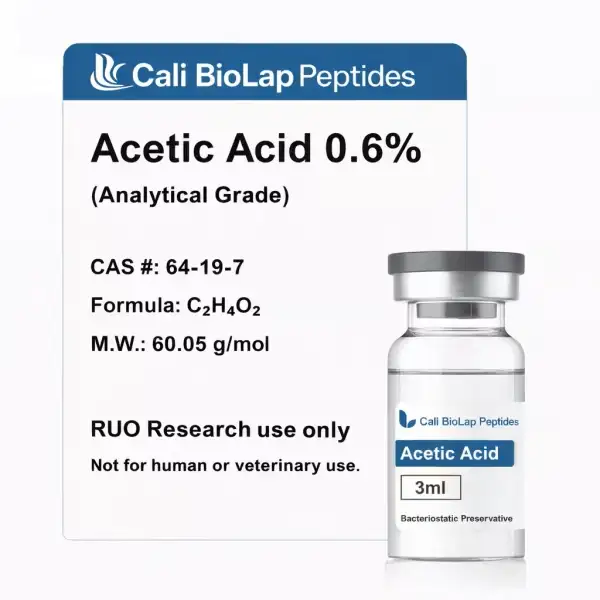
CAS Number: 64-19-7
Molecular Formula: C₂H₄O₂
Molecular Weight: 60.05 g/mol
EC Number: 200-580-7
Purity: ≥99.7% (glacial, anhydrous form)
Appearance: Clear, colorless liquid with pungent odor
Density: 1.049 g/cm³ at 20°C
Boiling Point: 118°C
Melting Point: 16.6°C
pH: ~2.4 (1M solution)
Solubility: Miscible in water, ethanol, and most organic solvents
These identifiers confirm Acetic Acid as a pure, glacial reagent suitable for lab-grade applications.
What Is Acetic Acid and How Does It Work in Biological Systems?
Acetic Acid is a weak organic acid (CH₃COOH), the second-simplest carboxylic acid after formic acid, naturally produced in vinegar fermentation and widely used in labs as a pH adjuster, solvent, and preservative.
The "how" of Acetic Acid is through its dissociation: in water, it partially ionizes to acetate (CH₃COO⁻) and H⁺, providing buffering capacity in the pH 3–6 range (pKa 4.76). In peptide research, Acetic Acid creates an acidic environment to protonate basic residues, enhancing solubility and preventing aggregation. It also acts as a chaotrope in protein studies and a fixative in histology.
In biological models, Acetic Acid at low concentrations maintains pH for enzyme activity or cell viability; at higher levels, it can induce stress responses or serve as a carbon source in microbial studies.
Where Can Acetic Acid Be Applied in Research Contexts?
In these areas, Acetic Acid excels where mild acidity is needed without strong mineral acid reactivity.
Usage and Reconstitution Guidelines for Acetic Acid
Acetic Acid is glacial (100% concentrated), so dilute carefully:
Wear PPE (gloves, goggles) as it's corrosive.
For 0.6% reconstitution solution: Add 6 μL glacial Acetic Acid to 1 mL sterile water; mix thoroughly.
Use diluted Acetic Acid to reconstitute peptides (e.g., 0.1–1 mL per vial).
Neutralize with NaOH or buffer if needed for neutral pH applications.
Storage: Room temperature in tightly sealed container; diluted solutions 2–8 °C for weeks.
Disposal: Neutralize and follow local hazardous waste guidelines.
Handle with care—concentrated Acetic Acid can cause burns.
Research Applications of Acetic Acid
Acetic Acid supports numerous applications. Here's a list of key uses:
Peptide Reconstitution: Acidic solvent for IGF-1, BPC-157 to prevent aggregation.
pH Adjustment: Fine-tuning buffers in enzyme kinetics or PCR.
Colitis Models: Inducing inflammatory bowel disease in rodents (3–5% rectal).
Fixation in Histology: Preserving tissue morphology for staining.
Chromatography: Mobile phase in HPLC for peptide separation.
Microbial Growth: Carbon source or pH stressor in bacterial cultures.
Oxidative Stress Studies: Inducing ROS in cell models at low concentrations.
These applications make Acetic Acid a foundational reagent in diverse labs.
Frequently Asked Questions About Acetic Acid
Q: Is Acetic Acid the same as vinegar? A: Vinegar is 4–8% Acetic Acid in water; lab-grade is glacial (99.7% pure) for precision.
Q: Can Acetic Acid be used for all peptides? A: Ideal for acid-stable ones (e.g., IGF-1); avoid with base-sensitive peptides—use water or saline.
Q: What concentration for reconstitution? A: 0.6% (6 μL glacial per mL water) is standard for peptides like IGF-1.
Q: Is Acetic Acid volatile? A: Yes—work in fume hood to avoid inhalation.
Q: How to store diluted Acetic Acid? A: Refrigerated in sealed containers; discard if cloudy.
Q: Can Acetic Acid adjust pH in cell culture? A: Yes—dilute carefully to avoid toxicity.
What pH or Solubility Challenge Could Acetic Acid Help You Overcome?
With peptides and assays increasingly sensitive to pH, what specific reconstitution error, aggregation issue, or buffer problem might Acetic Acid solve for you? Could it be the key to stable solutions in your next growth factor study?
Share your lab hacks—the insights could help fellow researchers.
In summary, Acetic Acid from Cali BioLab Peptides is the pure, versatile acid for your research needs. With glacial purity and convenient volumes, it's ready to support your 2026 experiments.
Order your Acetic Acid today at Cali BioLab Peptides and acidify with precision and confidence.
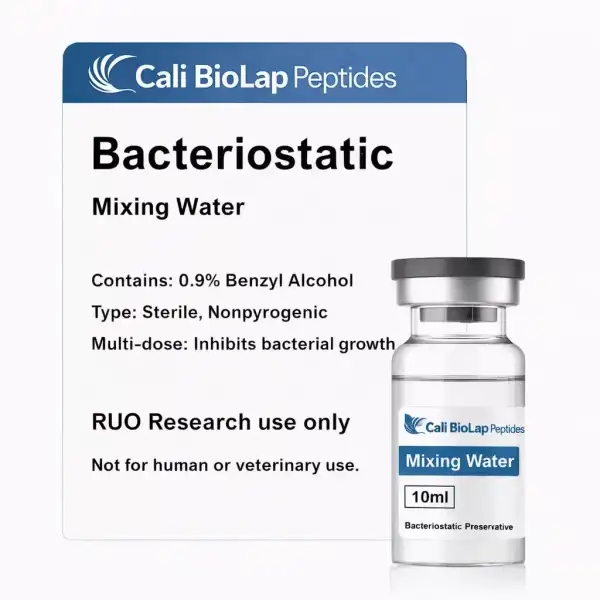
Bacteriostatic Mixing Water 10ml – The Sterile Guardian That Keeps Your Peptide Research Pristine and Potent
What if a simple, sterile water solution—infused with just the right touch of benzyl alcohol—could be the ultimate protector in your lab, preventing bacterial contamination during peptide reconstitutions, extending solution shelf-life for multi-day experiments, and ensuring every dose remains as pure and effective as the moment it was mixed? This is the quiet brilliance of Bacteriostatic Mixing Water 10ml, the essential research-grade solvent that's a non-negotiable staple for any scientist working with lyophilized peptides, cell cultures, or sensitive biochemical assays where microbial growth could ruin weeks of painstaking work.
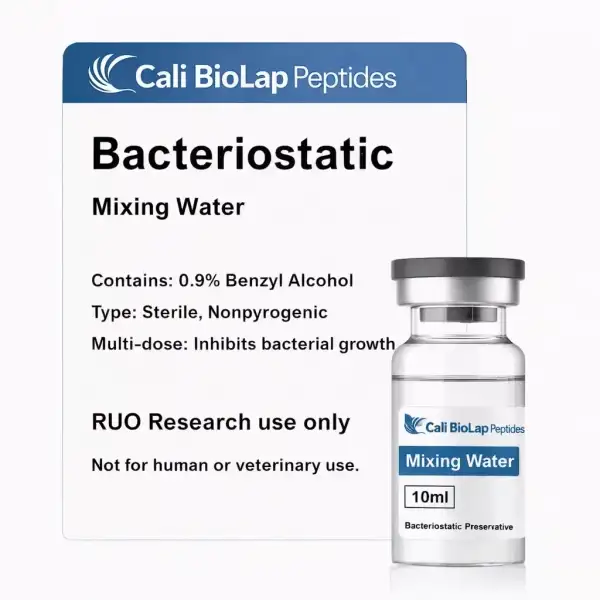
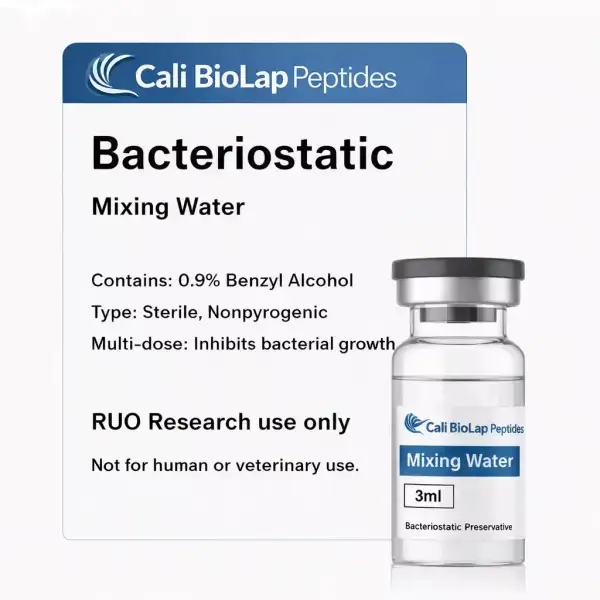
At Cali BioLab Peptides, our Bacteriostatic Mixing Water 10ml is supplied as a sterile, pre-filled vial of 0.9% benzyl alcohol in water for injection—endotoxin-tested, pH-balanced, and ready for immediate use. Available now at Cali BioLab Peptides, Bacteriostatic Mixing Water 10ml empowers qualified researchers to maintain impeccable sterility in their protocols, from peptide dissolution to dilution series.
Strict Disclaimer: For laboratory and scientific research use only. Not for human consumption, therapeutic, diagnostic, veterinary, or any non-research application. Strictly intended for qualified researchers conducting in-vitro, ex-vivo, or ethically approved animal model studies. Cali BioLab Peptides maintains full regulatory compliance.
The Contamination Crisis That Became a Catalyst: Dr. Marcus’s Peptide Stability Nightmare Resolved
In a high-throughput peptide screening lab in San Diego, Dr. Marcus Hale was midway through a critical study on GHRH analogs for metabolic regulation when disaster struck. His team had reconstituted a batch of samples using plain sterile water, but after 48 hours at 4°C, bacterial contamination set in—cloudy solutions, degraded peptides (HPLC showed fragmentation peaks), and invalidated ELISA binding data. The grant timeline was jeopardized, and the lab faced scrapping expensive compounds.
Remembering a colleague's recommendation, Dr. Marcus ordered Bacteriostatic Mixing Water 10ml from Cali BioLab Peptides. The 10ml vials arrived sterile and pre-mixed, allowing immediate reconstitution of the remaining peptides. The benzyl alcohol preservative (0.9%) inhibited microbial growth without interfering with peptide structure—solutions remained clear for over a week, stability assays confirmed intact sequences, and binding affinities matched fresh preparations.
The rescued experiment yielded breakthrough data on GHRH receptor kinetics, leading to a publication in a top endocrinology journal and renewed funding. Dr. Marcus now mandates Bacteriostatic Mixing Water 10ml for all reconstitutions, turning a near-failure into a lab protocol revolution and inspiring a side study on preservative effects on peptide half-life.
Scientific Identifiers for Bacteriostatic Mixing Water 10ml
Full Chemical Composition: 0.9% w/v Benzyl Alcohol (C₇H₈O) in Water for Injection (H₂O)
CAS Numbers: Benzyl Alcohol 100-51-6; Water 7732-18-5
Molecular Formula: Mixture (Benzyl Alcohol C₇H₈O)
Molecular Weight: Benzyl Alcohol 108.14 g/mol
EC Numbers: Benzyl Alcohol 202-859-9
Purity: ≥99.9% for water; pharmaceutical-grade benzyl alcohol
Appearance: Clear, colorless liquid
pH: 5.0–7.0 (neutral range for compatibility)
Osmolarity: Approximately 300 mOsm/L (isotonic)
Sterility: Filtered (0.2 μm) and tested to USP <71> standards; endotoxin <0.5 EU/mL
What Is Bacteriostatic Mixing Water 10ml and How Does It Work?
Bacteriostatic Mixing Water 10ml is a sterile water solution containing 0.9% benzyl alcohol as a preservative, designed to inhibit bacterial and fungal growth while remaining compatible with biological samples.
The "how" of Bacteriostatic Mixing Water 10ml is through benzyl alcohol's mechanism: it disrupts microbial cell membranes, denatures proteins, and inhibits enzyme activity in bacteria/fungi—preventing contamination for up to 28 days post-reconstitution (per USP guidelines). Unlike plain water, it extends solution usability without harsh chemicals that could degrade peptides.
In peptide research, Bacteriostatic Mixing Water 10ml creates a stable, isotonic environment for dissolution—preventing aggregation and maintaining bioactivity during storage or multi-dose use.
Where Can Bacteriostatic Mixing Water 10ml Be Applied in Research Contexts?
Bacteriostatic Mixing Water 10ml is versatile across labs:
Peptide and hormone research (reconstitution, storage)
Cell culture (dilutions, media prep)
Microbiology (bacterial suspension without growth)
Immunology (antibody dilutions, ELISA washes)
Molecular biology (PCR reagent mixing)
Pharmacology (drug stability testing)
In these areas, Bacteriostatic Mixing Water 10ml excels where sterility and extended usability are critical.
Usage and Reconstitution Guidelines for Bacteriostatic Mixing Water 10ml
Bacteriostatic Mixing Water 10ml is pre-mixed and ready:
Inspect vial for clarity/integrity.
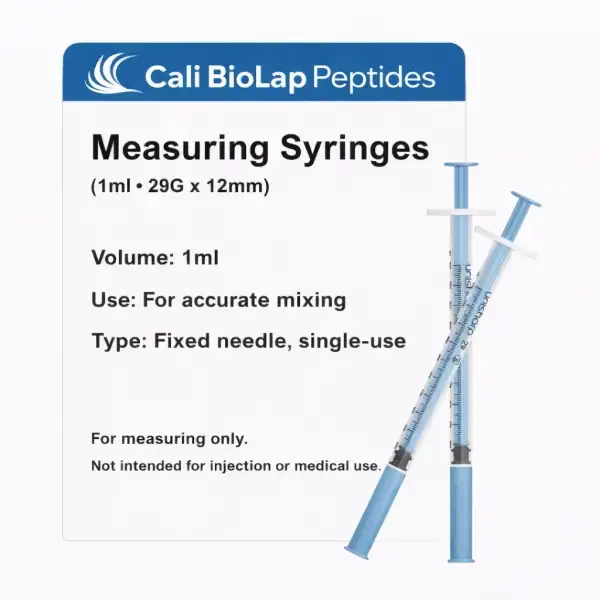
Use sterile syringe to withdraw needed volume (e.g., 1–2 ml for peptide vial).
Add to lyophilized compound; gently swirl to dissolve.
Store reconstituted solutions at 2–8 °C; discard after 28 days or if contaminated.
For dilutions: Mix with samples under sterile conditions.
Guidelines: Avoid freezing (can separate preservative); multi-entry vials maintain sterility with proper technique.
Research Applications of Bacteriostatic Mixing Water 10ml
Bacteriostatic Mixing Water 10ml supports numerous applications. Here's a list of key uses:
Peptide Reconstitution: Stable solvent for BPC-157, TB-500, preventing bacterial growth in multi-dose vials.
Cell Suspension: Isotonic medium for washing without lysis.
Assay Dilutions: pH-stable base for ELISA or flow cytometry.
Microbial Studies: Bacteriostatic carrier for non-proliferative bacterial transport.
Drug Stability Testing: Preservative for multi-day pharmacokinetic assays.
Tissue Culture: Additive for media to inhibit contamination.
Hormone Research: Solvent for GH analogs, maintaining bioactivity.
These applications make Bacteriostatic Mixing Water 10ml a foundational tool in diverse research.
Frequently Asked Questions About Bacteriostatic Mixing Water 10ml
Q: How does Bacteriostatic Mixing Water 10ml differ from sterile water? A: It includes 0.9% benzyl alcohol to inhibit microbial growth, extending usability to 28 days vs. immediate use for sterile water.
Q: Is Bacteriostatic Mixing Water 10ml safe for all peptides? A: Yes—for most; benzyl alcohol is compatible, but test stability for sensitive compounds.
Q: What if Bacteriostatic Mixing Water 10ml freezes? A: Thaw at room temperature; separation may occur—mix well before use.
Q: Can Bacteriostatic Mixing Water 10ml be autoclaved? A: No—pre-sterile; autoclaving may degrade benzyl alcohol.
Q: How to verify batch quality? A: Match the provided COA on the product page at calibiolabpeptides.com.
What Sterility or Stability Challenge Could Bacteriostatic Mixing Water 10ml Help You Overcome?
With multi-dose protocols increasingly common, what specific contamination risk, reconstitution issue, or storage problem might Bacteriostatic Mixing Water 10ml solve for you? Could it be the key to reliable results in your next peptide series?
Share your lab experiences—the insights could benefit fellow researchers.
In summary, Bacteriostatic Mixing Water 10ml from Cali BioLab Peptides is the sterile, preservative-infused water for your research needs. With 10ml volume and proven reliability, it's ready to support your 2026 experiments.
Order your Bacteriostatic Mixing Water 10ml today at Cali BioLab Peptides and reconstitute with confidence.
Free home delivery
Provide free home delivery for
all product over $200 and Timely Delivery
Quality Products
We ensure the product quality
that is our main goal
30 Days Return
Return product within 30 days
for any product you buy and
Online Support
We ensure the product quality
that you can trust easily